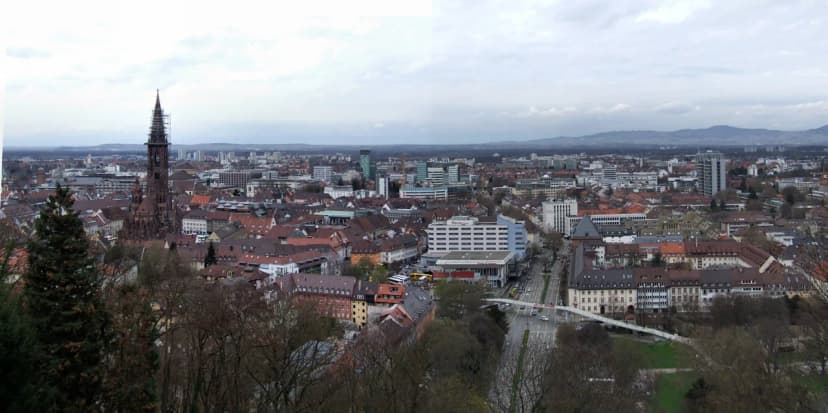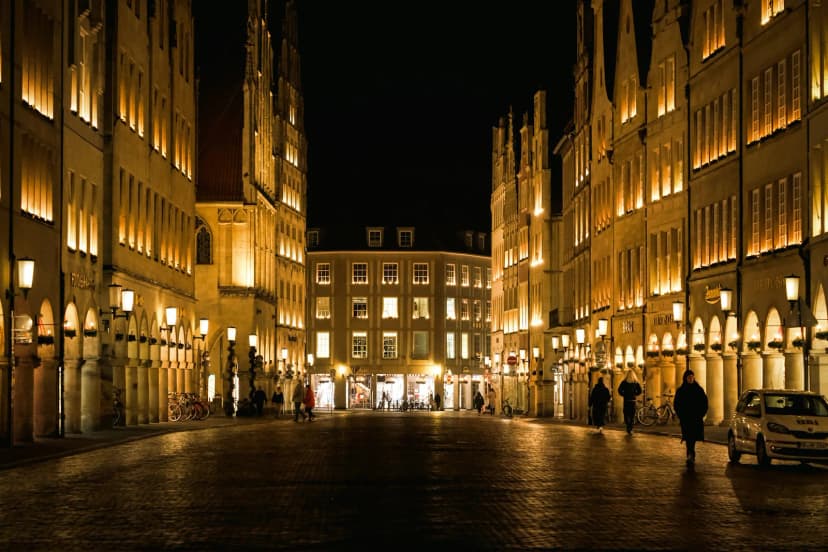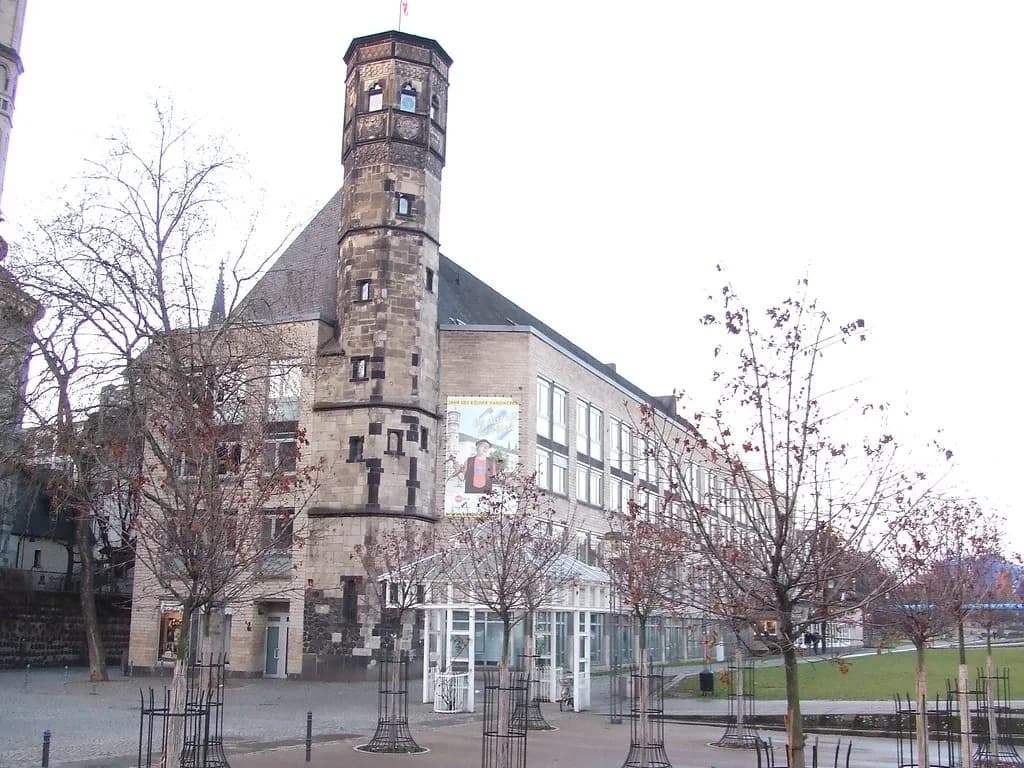
Cologne's evening identity is set by the Gothic silhouette of the Cathedral and the rail bridge beside it, and the best first move costs nothing: walk the old town and the riverbank after dark and let the scale of the place do the work. Cologne Tourism describes the Cathedral as a UNESCO World Heritage Site and suggests combining it with a stroll through the Altstadt toward the Rheinauhafen and back along the Rhine.
The practical distinction that shapes a whole evening is between free, open-air views and anything with a door, a ticket and a timetable. Cathedrals and museums in Cologne keep their own hours, and nothing about a lit facade tells you the interior is open, so treat night-time sightseeing as an outdoor activity and check each interior separately for the day you are there. For wider planning, see Cologne landmark visitor guides.
Most visitors end up choosing between the Altstadt, where brewhouses sit within a short walk of the Cathedral, and the Belgisches Viertel or the University Quarter, which draw a younger, later crowd. This guide is built around that trade-off rather than a list, with three evening shapes sized to your energy and how early you need to be somewhere the next morning.
The Cathedral and the Hohenzollernbrücke After Dark
Arriving at Cologne Hauptbahnhof, the twin spires of the Dom are the first thing most travellers see, and the building is floodlit through the evening, which makes it the natural anchor for a first night. The bridge next to it, the Hohenzollernbrücke, carries the famous love locks and gives you a raised walkway over the Rhine with the Cathedral behind you and the Deutz bank ahead.
Cologne Tourism suggests the loop from the Cathedral through the Altstadt to the Rheinauhafen and back along the Rhine, and separately mentions crossing the river and returning to the Cathedral over the Hohenzollernbrücke with its load of love locks. Both routes are outdoor, so they work at any hour and in any order; what you cannot assume is that the Cathedral interior is open simply because the exterior is lit.
As an editorial suggestion rather than an official timing, allow roughly an hour if you want the bridge, the riverbank and a slow lap of the Cathedral square, or ninety minutes if you add the old town lanes. Check the Cathedral's own published visitor information for interior access times rather than relying on a guide, and plan the interior for the following morning if the hours do not fit your evening.
Kölsch Culture: How a Brauhaus Evening Actually Works
A Cologne brewhouse is neither a beer hall nor a pub in the British sense, and understanding the service style is the difference between a relaxed two hours and a confused one. Kölsch arrives in small glasses and is traditionally topped up without you ordering again, so the way to stop is to place your coaster over the glass; the local beer is light and refreshing and is the reason many visitors spend most of an evening in one room. For wider planning, see Cologne Breweries and Kölsch.
The Altstadt is the easiest first stop because the densest cluster of brewhouses sits within walking distance of the Cathedral, around Buttermarkt and Salzgasse. World Travel Guide locates the biggest concentration of fashionable places to drink and eat in the Altstadt around Buttermarkt and Salzgasse, or a little further out in the Belgisches Viertel. That convenience has a cost: these are the busiest rooms in the city, and at weekends you may wait for a table or share one with strangers, which is part of the format rather than a failure of the venue.
Because menus, kitchen hours and closing times change with the season, verify before you commit to a late dinner elsewhere. In practice the safest pattern is to eat where you drink, treat the brewhouse as the main event rather than a prelude, and let the rest of the night follow from how long you stay.
Früh am Dom, and When to Choose a Quieter Brewhouse
Früh am Dom on Am Hof is the classic high-energy choice, a sprawling brewhouse near the Cathedral that fills with a mixed crowd of visitors and locals and serves Kölsch under chandeliers beside antique wooden screens. World Travel Guide describes it as a labyrinthine Brauhaus where sooner or later everyone ends up, always busy but still managing to provide excellent service and top-quality food. If your picture of a Cologne evening includes noise, shared tables and a room that never empties, this is the version to pick first.
The trade-off is real: the same qualities that make it lively make it the wrong room for a quiet conversation or a small group that wants to hear each other. If that matters more than atmosphere, look for a smaller brewhouse in the Altstadt lanes away from the Cathedral approach, where the same beer culture operates at a lower volume.
Do not plan around a fixed arrival time at any specific brewhouse, because door policies, kitchen cut-offs and last orders vary and are not published in a stable form. Build in a fallback within a few minutes' walk so a full room does not end your evening.
Beyond the Altstadt: Belgisches Viertel and the University Quarter
If the Altstadt feels like a first-night ritual, the Belgisches Viertel between Rudolfsplatz and Friesenplatz is where the evening stretches later, with the city's densest concentration of fashionable places to eat and drink. World Travel Guide notes that nightclubs and stylish bars are dispersed around the town, with the biggest concentration in the Altstadt or a little further out in the Belgisches Viertel. Expect a residential grid rather than a single strip, so the night is a series of short walks between venues rather than one long bar.
The University Quarter around Barbarossaplatz and Zülpicher Platz serves a student-heavy crowd and rarely disappoints for a spontaneous night, with casual bars that suit groups and a later finish than the old town. The practical difference from the Altstadt is price band and clientele rather than any single landmark, and it rewards arriving without a reservation more than it rewards planning.
Choosing between the two comes down to timing. Start in the Altstadt for the Cathedral and a first Kölsch, then move outward when the brewhouses thin out, because the walk between districts is straightforward and you lose nothing but a few minutes by switching.
Bars, Cocktails and the Detail-Driven Rooms
Cologne's bar scene runs from themed and laid-back to small rooms built around a bartender's technique, and World Travel Guide singles out Cubana Bar near Barbarossaplatz and Seiberts on Friesenwall as two very different models. Cubana Bar is described as a laid-back bar with Che Guevara as its core theme, an enviable range of aged Cuban rums and a wide selection of tapas, located close to several top clubs and making it a popular meeting point for those heading out for the night.
Seiberts is the opposite proposition: an elegant, award-winning bar away from the bustle of the city, focused on a personal connection between bartender and guest, with handpicked champagnes, barrelled spirits and an extensive selection of cocktails. That kind of room rewards a slower pace and a smaller group, and it is a poor fit if your plan is to move on every forty minutes.
Treat both as character descriptions rather than current listings. Menus, themes and event programmes change, so check the venue's own pages before you build a night around one of them, and keep one backup bar in the same district.
Jazz, Live Music and the Big Arenas
For live music, the constraint that should decide your choice is room size and how far ahead you can plan. Papa Joe's Jazzlokal on Buttermarkt is described as one of the oldest jazz clubs in Germany, small enough that the bands almost play on top of the audience, and World Travel Guide reports traditional jazz and swing bands there every night and Sunday afternoon.
Luxor on Luxemburger Strasse is the local-favourite middle ground, a live venue whose ever-changing line-up features anything from rock and pop to house and indie, and which prides itself on moderate prices, good music and a great atmosphere. Its pull is atmosphere and proximity to the band rather than spectacle, which makes it a good fit for a group that wants a proper gig without a full arena night.
LANXESS arena on Willy-Brandt-Platz is the other extreme: Germany's largest multifunction hall, hosting major touring acts, where the evening works best if tickets are sorted well in advance and the whole night is built around one start time. Check the arena's official calendar for what is actually scheduled rather than trusting a third-party listing.
Clubs and Late-Night Dancing, From Ehrenfeld to the Ring
Cologne's club geography splits between the central ring and the alternative scene in Ehrenfeld, and the right choice depends on whether you want to walk home or take a ride. Artheater on Ehrenfeldgürtel is a club, theatre and concert space with two dance floors and a predominantly electronic programme alongside live sets and stage productions, which suits a night that mixes standing and watching.
Closer to the centre, Diamonds on Hohenzollernring offers themed nights that move between disco and soul nostalgia and modern house, hip hop and techno, under a large glitterball. Wartesaal am Dom, in the vaults beneath the Hauptbahnhof, is a converted restaurant and club whose lit facade is worth a look even if you do not go in.
Themed nights are the least stable information in any nightlife guide. Line-ups, door policies and entry arrangements change constantly, so check the venue's own channels on the day rather than planning a trip around a night advertised months earlier.
Classical Music and Theatre: The Seated Alternative
Not every good Cologne evening involves standing up, and the city's classical and theatre programme gives you a seated option that ends earlier and costs less energy than a club. World Travel Guide keeps separate sections for classical music and for theatres in Cologne, which is a useful signal that the city supports both as regular parts of its cultural week rather than occasional events.
If you are choosing between a concert and a club on the same night, decide by start time rather than by genre, because seated events begin when they say they will and rarely accommodate a late arrival. Confirm what is playing and how to get seats through the operator's own box office, and treat any third-party schedule as a pointer only.
A Calmer Night: The Rhine Promenade After Dark
The lowest-effort and often most memorable Cologne evening is simply the river. The Rhine promenade and the bridge give you moving water, lit bridges and the Cathedral across the old town, and because the walk is outdoors it needs no ticket, no booking and no timing beyond your own. If you want to extend the green part of the evening, Cologne's parks and gardens are worth a look.
Cologne Tourism also points to the city's parks and gardens as places to relax between sights, which is worth remembering on a warm evening when the promenade is crowded near the bridge. Walking a little further along the bank usually thins the crowd without changing the view.
This is also the best plan for a jet-lagged first night or a family evening, since it can be as short as twenty minutes and still delivers the image people come to Cologne for. Pair it with an early brewhouse dinner and you have a complete evening without committing to a late finish. Cologne with kids has more ideas if you are travelling as a family.
Three Evening Shapes to Choose From
For a short first night, start at the Cathedral square, cross the Hohenzollernbrücke for the river view, then eat and drink Kölsch in the Altstadt within walking distance of your hotel. Allow about three hours, and accept that the interior of the Cathedral will wait for daylight.
For a full night out, take an early Kölsch in the Altstadt, move to the Belgisches Viertel or the University Quarter for bars, and finish at a club or a live-music room depending on whether you want a dance floor or a stage. This shape only works if you pick one late destination in advance rather than deciding at one in the morning. For a comparison with a different German city, see 10 Best Things to Do in Munich at Night (2026).
For a low-energy version, choose a riverside walk, a seated classical or theatre performance, and one quiet bar on the way home. If you have more than one evening available, splitting the Cathedral and bridge from the district nightlife across two nights gives you both without rushing either. For further ideas, see 9 Best Things to Do in Berlin at Night (2026).
Planning Your Cologne Evening
Group your stops by district rather than by reputation, because Cologne's centre is walkable and the evening is more enjoyable when you are not crossing the river twice. Keep the free outdoor elements, the Cathedral exterior, the bridge and the promenade, as the spine of the night and treat bars, restaurants and venues as optional stops along it.
Before you go out, settle three things on the operator's own pages: whether the interior you want is open that day, whether the venue you have in mind is running what you expect, and how you are getting back. The city's official tourism site and each venue's own site are more reliable than aggregated listings for anything with a door and a timetable.
Frequently Asked Questions
What is there to do in Cologne at night?
The most reliable evening activities are outdoor: the illuminated Cathedral exterior, the Altstadt lanes, and the Hohenzollernbrücke with its love locks and the Rhine below. Cologne Tourism suggests combining the Cathedral with a walk through the Altstadt and back along the river. Beyond that, brewhouses in the Altstadt, bars in the Belgisches Viertel or University Quarter, live-music rooms, clubs and seated classical or theatre performances give you plenty of choice depending on how late you want to stay out.
Is Cologne Cathedral lit up at night?
The Cathedral is floodlit in the evening and is the anchor of the city's night-time skyline, which is why the square and the bridge are busy after dark. That lighting says nothing about interior access, and cathedral opening times vary, so check the Cathedral's own visitor information for the day you plan to look inside rather than assuming an evening visit is possible.
What are the main nightlife districts in Cologne?
The Altstadt, around Buttermarkt and Salzgasse, is the densest and most convenient area for visitors. The Belgisches Viertel, between Rudolfsplatz and Friesenplatz, has a high concentration of fashionable bars and restaurants, the University Quarter around Barbarossaplatz and Zülpicher Platz suits a student crowd, and Ehrenfeld is known for its alternative club and live-music scene. All four sit within a manageable trip of the centre.