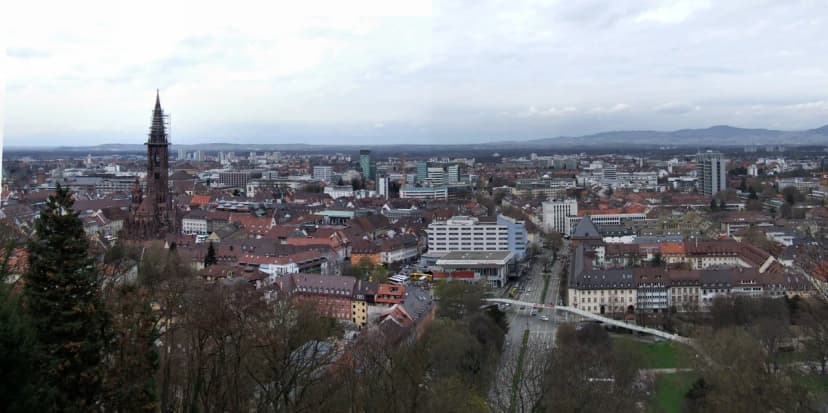
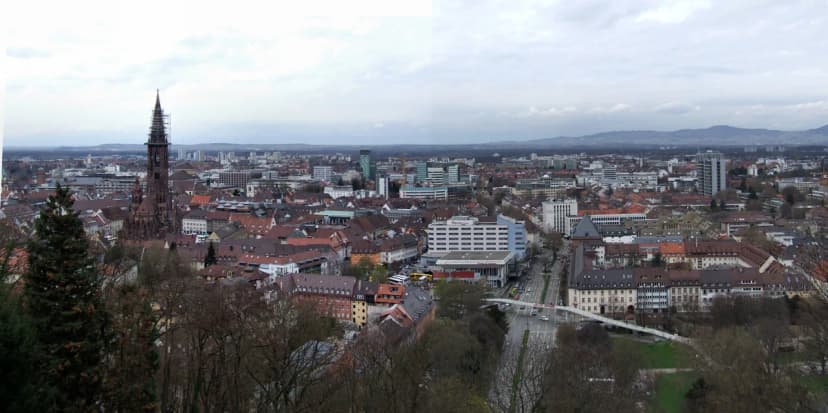
Cologne's park system grew out of the dismantled Prussian fortifications, which left a green belt wrapped around the city centre. That ring, together with the Rhine meadows and the western woodland, gives the city an unusually generous supply of open space. An independent overview at parks.koeln catalogues more than 30 public green spaces, each with its district, approximate size and listed facilities, and it is a useful first stop when you are choosing between them.
The most important distinction in this guide is between free public grounds and anything separately managed. The parks.koeln entries describe grounds, playgrounds and water features, but a beer garden, boat hire, lido or events venue inside a park is a commercial operation with its own arrangements. Treat the park and its paid extras as two different things.
As a suggested duration, allow two to three hours for one large park, or a half-day if you want to combine a park with the surrounding district. This is editorial advice, not an official timetable: park grounds generally publish no opening hours because most are accessible all day, while interiors have their own schedules to confirm before travelling.
Rheinpark in Deutz: The Riverside Family Park
Rheinpark occupies approximately 40 hectares on the right bank of the Rhine in Deutz, directly opposite the Old Town. The parks.koeln overview describes it as a spacious riverside recreation park with a cable car, an open-air stage and large play areas, and its listing records playground and water facilities. That combination makes it the most practical single park for a mixed group.
An independent guide from CYHITours states that Rheinpark Deutz features wide lawns, a miniature railway and several playgrounds, and calls it the best location for family activities because it offers space for children to run and access to the pebbled riverbanks when water levels are low. If you are travelling with children, this is the strongest candidate among the central parks.
The grounds themselves are free to enter. The cable car and miniature railway operate on their own schedules and are separate from park entry; parks.koeln confirms the cable car exists but does not publish running times, so check the operator's current information rather than assuming they match your visit. On sunny weekends the riverside lawns fill early, so a weekday morning is noticeably calmer.
Volksgarten: The Central People's Park
Volksgarten in the Innenstadt district covers approximately 14 hectares. The parks.koeln listing describes it as a popular people's park from the 1880s with a pond, a 28-metre fountain, a beer garden and a playground. It is formal enough to feel designed but relaxed enough for an afternoon on the grass.
Because it sits close to the city centre and the Neustadt, Volksgarten is one of the easiest parks to fold into a sightseeing day rather than a dedicated trip. The official Cologne tourism board names Volksgarten among the central parks where you can unwind after a shopping trip or a city tour, alongside Aachener Weiher and the Grüngürtel. The beer garden gives it a social character in warm weather, while the pond and fountain attract families and photographers.
The grounds are free and open, while the beer garden is a commercial operation with its own hours. Expect the busiest period on sunny Sunday afternoons, when lawns and paths are shared by families, joggers and groups; a weekday morning is the better window if you want the fountain and pond largely to yourself.
Stadtgarten: Cologne's Oldest Surviving Park
Stadtgarten lies at the northwestern edge of the Belgian Quarter, not in the Old Town. The parks.koeln entry describes it as Cologne's oldest surviving park, from 1827, with mature trees and an events venue, and gives its present size as approximately 6 hectares from an original 11. The independent CYHITours guide dates the park to 1828 instead, so treat the founding year as approximate rather than definitive.
The park's identity is cultural as much as horticultural. CYHITours describes it as housing a jazz club and a sprawling beer garden that becomes the neighbourhood's social headquarters during summer, which makes it a good choice for a drink and people-watching rather than solitude. The surrounding Belgian Quarter also puts cafes and bars within a short walk.
The grounds are free, but concerts, club nights and other events at the venue are ticketed separately and announced on their own schedules. Do not assume a quiet lawn when a concert is programmed. For a calm visit, aim for a weekday morning; for atmosphere, a summer evening is the trade-off.
Aachener Weiher and the Inner Green Belt
Aachener Weiher, officially Hiroshima-Nagasaki-Park, is an artificial lake of approximately 4 hectares in the inner green belt. The parks.koeln listing records a beer garden and a playground and describes it as a popular meeting spot. The same source describes the surrounding Inner Green Belt as a seven-kilometre band of meadows, sport areas, ponds and old forts around the city centre.
This is the park to choose if you want company and a lively scene rather than a quiet walk, especially in the late afternoon and early evening. CYHITours describes Aachener Weiher as the unofficial festival ground for students and the creative crowd from the nearby university district, so expect music and community gatherings rather than birdsong. It also works well as a link on a longer walk along the green belt.
Because the green belt is a corridor rather than a single destination, you can enter and leave at several points and set your own distance. Grounds are free and generally open. CYHITours advises staying aware of your surroundings in the less-lit areas of the Inner Green Belt after dark, and the same ordinary city awareness applies anywhere you walk late in Cologne.
Stadtwald and Lindenthaler Tierpark: The Forest Escape
The Cologne City Forest, or Stadtwald, spreads across roughly 205 hectares in Lindenthal, making it the largest woodland and meadow park inside the city. The parks.koeln entry lists ponds and an animal enclosure, and the official Cologne tourism board recommends the Stadtwald as the perfect place for long strolls. Paths wind through mature trees and open meadows, so you can choose a short loop or a much longer route.
Within the Stadtwald, the Lindenthaler Tierpark is a freely accessible animal park of approximately 10 hectares according to City of Cologne information cited by parks.koeln. CYHITours describes it as a free deer park with fallow deer, Soay sheep and a petting enclosure. It is one of the few genuinely free wildlife experiences in the city and suits children who prefer animals to playground equipment.
This is the best choice for solitary walkers, joggers and anyone who wants distance rather than a lawn. The trade-off is that it is further from the tourist centre than Rheinpark or Volksgarten, so it rewards a half-day rather than a quick stop. Check local transport options for your specific starting point close to your travel date, since routes and service patterns change.
Flora and Botanical Garden: Free Grounds, Separate Interiors
The Flora and Botanical Garden occupies approximately 11.5 hectares, of which the historic Flora show garden accounts for about 5.5 hectares, and it holds more than 10,000 plant species according to parks.koeln. It is a historic show garden from 1864 in the northern district of Riehl. CYHITours confirms the Flora's location in Riehl next to the Zoo and that the main park remains free to enter.
The glass showhouses are a separately managed interior. CYHITours says the ensemble of glass showhouses fully reopened in late 2024 and describes the whole garden as widely considered one of the best free activities in the city, even if you only explore the outdoor grounds. Entry to the showhouses has been described as generally free or donation-based, but this is a volatile detail, so confirm the current arrangement on the garden's own information before you build a visit around it.
For a first visit, the outdoor collection alone justifies the trip, especially in spring and early summer when plantings are at their most varied. If you also want the tropical and desert collections, allow extra time and check the showhouses' opening times on the day, since these are published separately from the outdoor grounds. A weekday morning is the calmer window, as the garden draws families and photographers on fine weekends.
Smaller and Neighbourhood Parks Worth Knowing
Beyond the headline parks, Cologne's green map includes a long list of smaller spaces with distinct characters. The parks.koeln overview lists Blücherpark in Nippes as a baroque-style people's park from 1911 with a pond, boat hire and avenues, and Klettenbergpark as a sunken landscape park with a pond, waterfall and rose garden. It also records Friedenspark, on the old Fort I, with fortress walls and a climbing rock, and Fühlinger See in the north as a lake complex with a lido and regatta course.
If you want a quieter, more local afternoon, these neighbourhood parks often deliver it better than the central ones. Zündorfer Groov in Porz is listed by parks.koeln as a Rhine-meadow leisure area with lagoons, a marina and beer gardens, and it pairs naturally with a riverside walk. Because these are spread across different districts, choose one close to your other plans rather than trying to combine several.
Facilities vary more here than in the big parks, so check whether the specific park you choose lists a playground, water or a cafe before promising children a particular activity. Most grounds are free and open, but any boat hire, lido or cafe is a separate commercial operation. The parks.koeln listings show which facilities each park offers and are the most reliable places to confirm what a given park currently has.
Practical Tips: Etiquette, Grills and Timing
Picnics and a beer or wine on the grass are part of local park culture, but barbecuing is restricted. CYHITours advises that in 2026 you should look for signed grill zones, because barbecuing is strictly prohibited on the open lawns to protect the grass and air quality. This is the single most important rule to check on arrival, because the signs are the authority. Look for a designated area rather than assuming any lawn is fine.
Playgrounds are common across Cologne's parks but not universal, so verify the specific park if children are the priority. The parks.koeln entries list a playground for Rheinpark, Volksgarten, Aachener Weiher and numerous smaller parks, while the Stadtwald instead has the free animal park. Facilities such as beer gardens, boat hire and lidos are commercial and have their own hours, which are best checked on the day.
Crowds follow the weather: sunny Sundays and weekend afternoons are the busiest times in every central park, while quiet weekday mornings feel completely different. CYHITours notes that Cologne's parks are well-maintained and heavily used by locals until late in the evening, while advising the same awareness you would keep in any major city in less-lit areas after dark. If your trip is part of a longer stay, you can slot a park into an existing itinerary rather than making a special journey. For wider planning, see Cologne city travel guides. For wider planning, see Cologne landmark visitor guides. For wider planning, see one-day in Cologne itinerary. For wider planning, see 3 Days in Cologne Itinerary.
Plan Your Visit
The simplest way to choose is by purpose: Rheinpark for families and river views, Volksgarten for a central formal park, Stadtgarten for a social drink at the Belgian Quarter's edge, Aachener Weiher for a lively student scene, and the Stadtwald for a long, quiet walk. The Flora rewards anyone interested in plants, with free outdoor grounds and separately managed glass showhouses. All of them are free to enter as public grounds, with commercial facilities and ticketed interiors priced separately.
Before you go, confirm the one or two volatile details that matter to your plan, such as cable car running times, showhouse access or grill-zone locations, using the organiser's own information. Park grounds generally need no booking, but events venues and commercial facilities do their own scheduling. Carry a little cash for beer gardens and boat hire, and check transport for the more distant parks on the day.
Frequently Asked Questions
Are Cologne's parks free to enter?
The public grounds of Cologne's parks are free to enter, including Rheinpark, Volksgarten, Stadtgarten, Aachener Weiher and the Stadtwald. What is not free are separately managed interiors and commercial facilities, such as the Flora glass showhouses, the Stadtgarten's events venue, boat hire, lidos and beer gardens. Treat the park and its paid extras as two different things when planning your budget, and confirm the current arrangement for anything ticketed.
Which Cologne park is best for families with children?
Rheinpark in Deutz is the most consistent choice. The parks.koeln listing records playground and water facilities along with a cable car, and CYHITours describes Rheinpark Deutz as having a miniature railway and several playgrounds, calling it the best location for family activities. The Stadtwald is the alternative for families who prefer animals and woodland, since the Lindenthaler Tierpark inside it is freely accessible and has deer, sheep and a petting enclosure. Playgrounds are common across Cologne's parks but not universal, so check the specific park before promising one.
Can you barbecue in Cologne's parks?
Barbecuing is restricted on open lawns. CYHITours advises that in 2026 you should look for signed grill zones, because barbecuing is strictly prohibited on the open lawns to protect the grass and air quality. Look for the signs rather than assuming any lawn is acceptable, since the posted rules are the authority. Picnics without a grill are a normal part of local park culture, and beer or wine on the grass is common.
Where can you find a quiet walk or forest inside Cologne?
The Cologne City Forest, or Stadtwald, in Lindenthal is the largest woodland and meadow park in the city and the best answer for a long, quiet walk. The parks.koeln listing records ponds and an animal enclosure, and the official Cologne tourism board recommends it for long strolls. The trade-off is distance: it sits further out than Rheinpark or Volksgarten, so allow a half-day as suggested and check transport for your starting point close to your travel date.
Is the Flora in Cologne free, or do the glasshouses cost money?
The outdoor grounds of the Flora and Botanical Garden are free to enter, and CYHITours describes the garden as widely considered one of the best free activities in the city, even if you only explore the outdoor grounds. The glass showhouses are a separately managed interior that fully reopened in late 2024, and entry has been described as generally free or donation-based. Because that arrangement can change, check the garden's current information before you plan your visit around the showhouses.
How long should you spend in a Cologne park?
As a suggested duration rather than an official one, allow two to three hours for a single large park, or a half-day for the Stadtwald or a park combined with its surrounding district. Park grounds generally publish no opening hours because most are accessible all day, while interiors such as showhouses, events venues and boat hire have their own schedules. Confirm those separately before travelling, especially in the quieter seasons.