Two days in Baden-Baden is enough to bathe, walk and climb a hill, but only if you sequence the trip around one fork: which spa you build the first day around. The town is compact, and the old town, the pump room and the long park sit close enough to each other that the real risk is not distance but over-scheduling. This plan keeps free outdoor surfaces separate from paid interiors so you can budget time and money honestly.
As a concrete starting point, the Lichtentaler Allee is the public park running through the centre, and one travel account states its gardens are free to enter. A suggested duration for a first wander is about an hour, though that is a planning suggestion rather than any official timing. Everything below is sequenced as a suggestion, and the detailed entry rules, opening days and prices should be confirmed with each venue before you travel.
Day 1 Morning: Friedrichsbad or Caracalla, a Choice of Tradition Rather Than Price
The two famous baths in town are not interchangeable. Friedrichsbad is a Roman-style bathhouse where visitors follow a set order of steam rooms and baths, and one traveller describes it as a naked spa where a robe, towels and slippers are included in the entrance fee. Caracalla is described in the same account as a modern, luxury spa with some bathing-suit areas and days when clothed entry is allowed. Because dress codes and textile days can change, confirm the current rules and any clothing days directly with the spa operator rather than relying on older reports.
That account published in August 2022 and updated in 2025 also reports having paid €32 per person to enter Friedrichsbad at the time of writing, and describes arriving at opening time and having the baths largely to themselves for a while. Those figures are dated third-party reports, not current prices, and a quiet opening window is a personal experience rather than a guarantee. Treat the price as historical context only and check the operator's own current information before booking. Further visitor details appear in BADEN-BADEN CITY GUIDE: NOT JUST FOR THE ELDERLY.
Day 1 Midday: The Trinkhalle Arcade and Its Free Frescoes
The Trinkhalle is the pump room belonging to the spas, and one traveller account describes the arcade with frescoes depicting Baden-Baden legends as free to enter. It works as a short, weather-proof stop on the walk between the spa district and the old town and sits close to the Kurhaus colonnade. Because access to the arcade can vary with the season, check current visitor information rather than assuming it is always open. Budget a short stop here, long enough to read a few fresco panels, not an entire morning. Further visitor details appear in BADEN-BADEN CITY GUIDE: NOT JUST FOR THE ELDERLY.
Day 1 Afternoon: Lichtentaler Allee and Its Seasonal Gardens
The Lichtentaler Allee is the public park through the centre of Baden-Baden, and its gardens are free to enter according to the same city guide. That account says the park looked prettier in autumn, that the rose garden bloomed in summer, and that a dahlia garden appears in August and September. It also recommends reserving time simply to wander. The park is the natural link between the spa quarter and the art venues, so it can be walked without any transport.
Autumn is the strongest case for this walk. The same guide describes Lichtentaler Allee becoming a spectacle of colour with its fall foliage, and treats Baden-Baden as one of the best autumn spots in Europe. If you visit in winter instead, the same source shifts the emphasis to the old town, where it rates the Christmas decorations very highly. Either way, the park itself stays free, so the season changes how long you linger rather than what you pay.
Day 1 Late Afternoon: The Museum Cluster in the Park
The Frieder Burda and the Staatliche Kunsthalle sit next to each other on Lichtentaler Allee, and a museum listing notes that a glass bridge connects the new part of the collection Frieder Burda with the Kunsthalle. That physical connection does not mean one shared ticket, so check admission and opening arrangements for each institution separately. The same listing says the Kunsthalle is an exhibition venue for international modern and contemporary art, was built in 1909 in the park, and comprises nine sky-lit halls plus a cabinet for special exhibitions.
The museum listing also gives opening hours of Tuesday to Sunday, 10:00 to 18:00, and names a specific exhibition running from 13 June 2026 to 10 January 2027. Because the Kunsthalle rotates its programme and has closing days, confirm the dates and times on the venue's own current schedule before building an afternoon around a particular show. One city guide mentions a Frieda Kahlo museum and a Fabergé egg museum, but that claim should not be treated as verified without checking the town's own current listings.
Day 1 Evening: Drifting Through the Baroque Old Town
The old town is best treated as an unscripted wander rather than a checklist. The same city guide describes pastel-coloured baroque and Art Nouveau buildings, recommends venturing off the main roads, and notes several casinos in the old town that the writer chose to skip. This plan deliberately avoids naming restaurants, cafés or evening venues, because those choices depend on what is open on the day and on how much energy you have after bathing. The lanes are compact enough to loop back to your starting point without navigating.
Day 2 Morning: The Paradies Cascade as a Short Climb
The Paradies Cascade sits a little outside the city centre, and the climb to it is part of the outing. One traveller reports having it to themselves at 9AM and finding it serene, which is a personal experience rather than a promise about crowds. Going early gives the best chance of quiet and cooler air, and the walk is a manageable leg-stretch rather than a full-day hike. Do not plan a bath session immediately afterwards if you have climbed in the heat, because the two activities compete for the same energy.
Day 2 Midday: The Hilltop Rosenneuheitengarten and the Climb as the Real Cost
The Rosenneuheitengarten is a rose garden on top of a hill overlooking the Black Forest, and one travel account describes its rose arches as spectacular. According to that account, the garden had an entrance fee of €2, but that is a dated third-party figure, not a current price, so check the garden's own information before relying on it. The climb is the real cost of this stop, and the garden is seasonal, so its value depends on whether the roses are in bloom. Treat it as a half-day rather than a quick detour, because the ascent and descent take longer than the garden visit itself.
If you want a hilltop without the same walking effort, the Merkur Mountain funicular offers an easier ascent and wide views, and it is covered separately in the Riding the Merkur Mountain Funicular in Baden-Baden guide. Whichever you choose, keep the rest of the day light so the climb is not stacked against a long museum visit. For travellers who want to compare options beyond this two-day sequence, the Baden-Baden Landmark Visitor Guides hub gathers individual attraction pages, and the Baden-Baden: Itineraries and City Travel Guides hub collects the town's main city-level planning surfaces.
Day 2 Afternoon: A Black Forest Walk or the Hohenbaden Castle Ruin
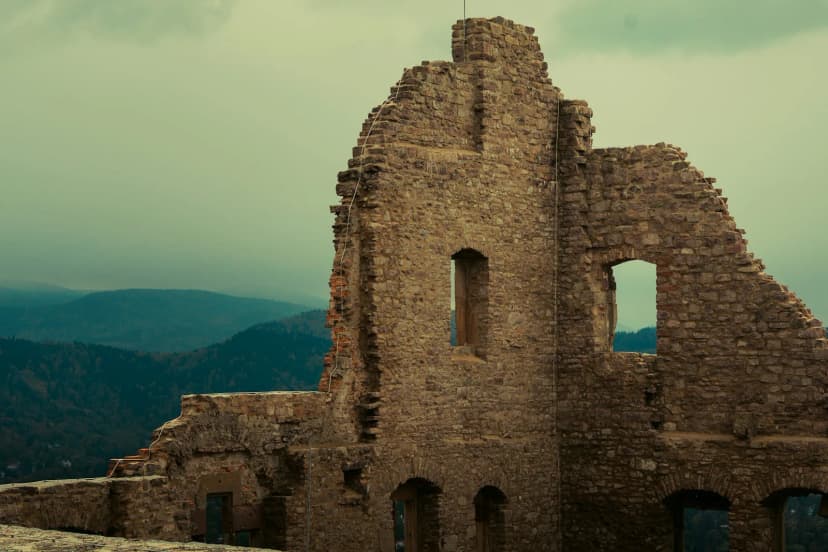
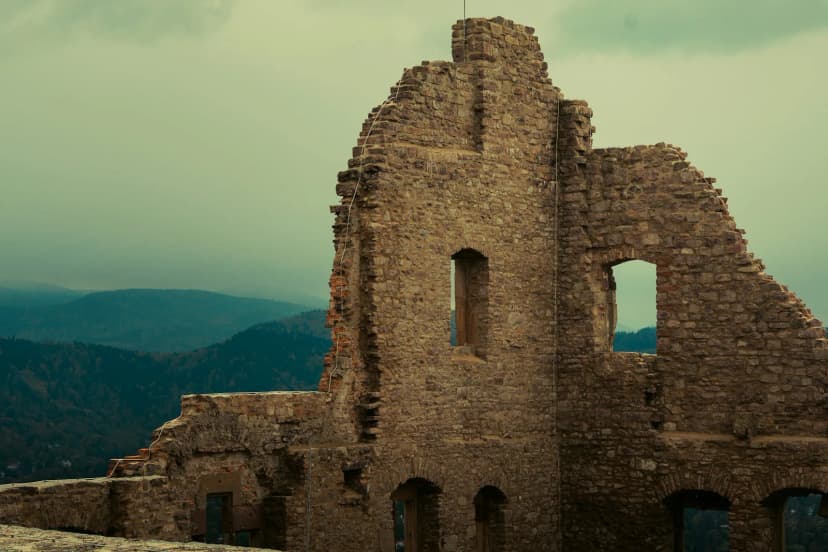
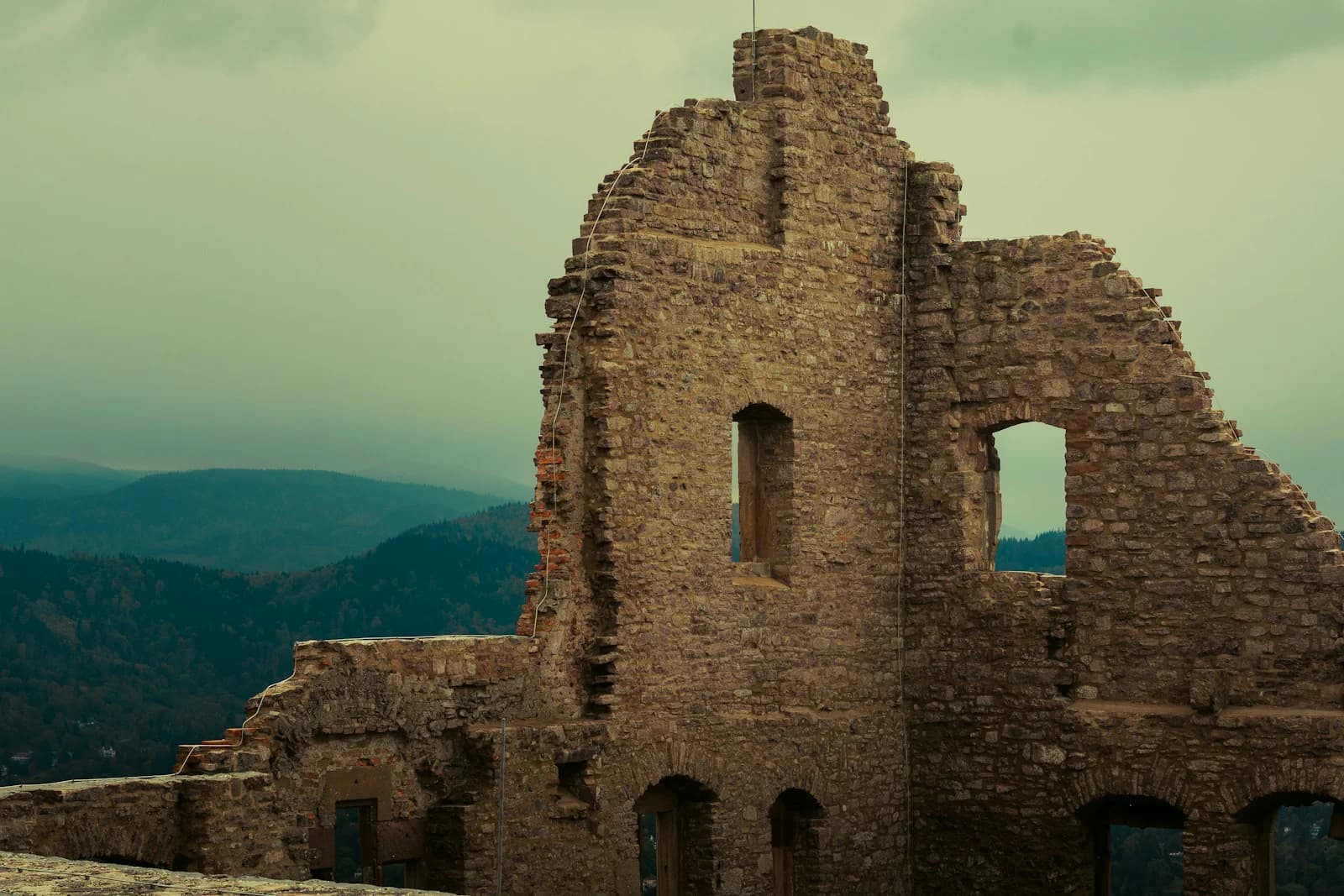
The classic failure mode of a two-day plan is repeating day one. If the first afternoon went to museums, resist spending the second in another gallery. A listing of things to do suggests hiking in the Black Forest and exploring castle ruins as separate options, which gives you a genuinely different second day in the wooded setting around town. Decide between them on the day based on weather and how much walking you want, and check local trail and site access before setting out.
Day 2 Close: Returning to the Old Town and What to Drop First
Come back down to the old town for a relaxed final stretch rather than adding one last attraction. If time runs short, drop the second hill and keep the park, the arcade and a single spa visit, since those are the elements that define the trip. Two days is genuinely sufficient for Baden-Baden once you accept that one bath, one park walk and one climb are the load-bearing activities. Adding a third major stop is what turns a comfortable plan into a rushed one. If you only have a single day, the Baden-Baden one day itinerary covers a tighter version of the same ground.
Practical Notes and Wider Context Before You Travel
Volatile details should be checked close to your travel date rather than planned months ahead from old trip reports. Confirm current opening hours and any seasonal closures directly with each spa, museum and garden, and confirm dress codes and textile days with the spa operator. For prices, use official venue pages rather than third-party guides, because figures reported even a few years ago may no longer apply. The museum listing is a reminder of how quickly programmes change, since it already names exhibitions running into 2027.
For the wider picture before finalising your plan, the Baden-Baden: Itineraries and City Travel Guides hub collects the town's main visitor surfaces, and the Baden-Baden Landmark Visitor Guides hub gathers the individual attraction pages. If you are deciding what to see beyond these two days, the town's hidden gems are worth a look, and if the alpine setting is what draws you, the photography guide covers how to shoot it. Treat every sequence on this page as a suggestion rather than a fixed timetable.
Two Choices Decide the Trip
Everything in this two-day plan comes back to two decisions: which spa anchors day one, and whether day two is a walk or a museum. Once those are settled, the free park, the arcade and the old town lanes slot in without much scheduling. Get them wrong and you end up with two days that repeat each other or leave you exhausted by noon. Confirm the volatile details with the venues themselves, and treat the sequence here as a suggestion rather than a fixed timetable.
Frequently Asked Questions
Is two days enough for Baden-Baden?
Two days covers a spa visit, the Lichtentaler Allee park, the Trinkhalle arcade, the old town and one hill climb or museum afternoon. The town is compact and most of these sit within walking distance of each other. Trying to add a second major museum and a second long hike is what makes two days feel too short, so pick one direction for day two rather than both.
Friedrichsbad or Caracalla: which spa should you choose?
Friedrichsbad is the Roman-style bathhouse with a set order of steam rooms and baths, and one traveller describes it as a naked spa with robe, towels and slippers included. Caracalla is described in the same account as a modern spa with some bathing-suit areas and days when clothed entry is allowed. Because rules and days can change, confirm the current dress code and any textile days with the operator before booking.
What is free to visit in Baden-Baden?
The Lichtentaler Allee park and its gardens are free to enter, and the Trinkhalle arcade with its frescoes is also free to walk through, according to a travel account of the town. The park changes with the season: roses bloom in summer, a dahlia garden appears in August and September, and autumn brings fall foliage. The spas, the Frieder Burda and the Kunsthalle are separate paid venues, so check each one individually.
Can you hike in Baden-Baden without leaving town?
Yes. The Paradies Cascade is a short climb just outside the centre, and the Rosenneuheitengarten sits on a hill above town with views towards the Black Forest; the climb is the main effort at both. For an easier ascent, the Merkur Mountain funicular is covered in its own guide. Check local trail and site access before setting out, since conditions can change.
Do the Baden-Baden museums share a ticket?
Do not assume a shared ticket. The Frieder Burda and the Staatliche Kunsthalle are linked by a glass bridge and sit in the same park, which makes them easy to visit together, but they are separate institutions with their own admission and opening arrangements. Check current admission and programme for each venue separately, especially as the Kunsthalle rotates exhibitions and has closing days.
When is Lichtentaler Allee at its best?
Autumn is the strongest season for the allee, when the trees change colour and the park becomes the highlight of a day in Baden-Baden. Summer is the season for the rose garden, and August and September add a dahlia garden. Winter shifts the emphasis to the old town's Christmas decorations rather than the park itself. In every season the park stays free to enter.