
Last updated July 2026, the best time to visit Paris depends on whether the priority is mild weather, lower prices, or thinner crowds around the Eiffel Tower and the Louvre. Late May through June and September deliver the clearest trade-off: warm days, long daylight, and crowds that have not yet peaked. Budget-focused travelers do better in the window between mid-November and mid-December, when hotel rates drop and the Christmas rush has not started yet.
The Quick Verdict: Best Time to Visit Paris by Month
Three questions decide when to book: what weather feels comfortable, how much the trip should cost, and how many other visitors are acceptable around the Louvre and the Eiffel Tower. This guide breaks weather, crowds, cost, and daylight down season by season, then flags the specific events worth planning around. The quick list below answers each question on its own terms.
- Best overall: late May, June, and September, when temperatures sit in a comfortable range and August's closures have not started or already ended.
- Cheapest: mid-November through mid-December, then January into early March, outside the Fashion Week weeks.
- Least crowded: January and February, apart from the Fashion Week dates in late January and late February.
Spring in Paris: March to May
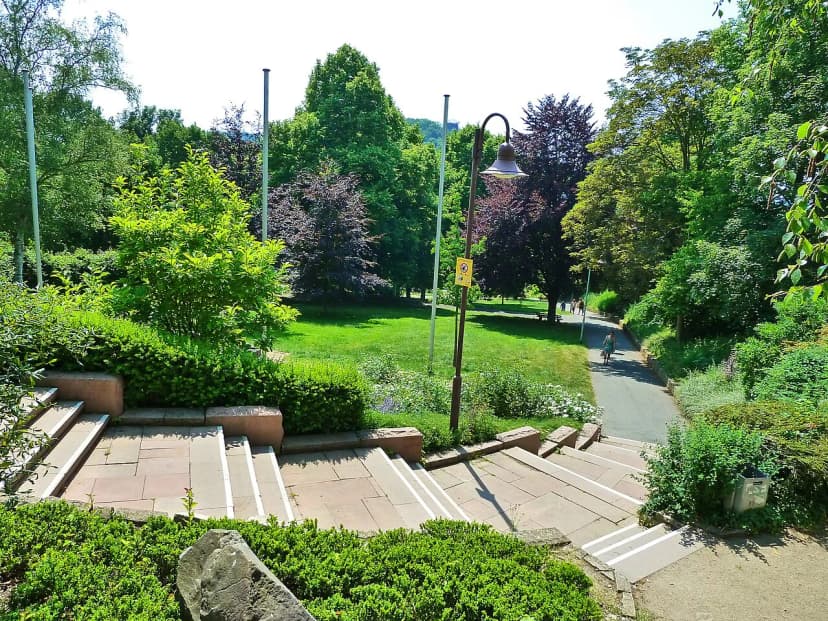
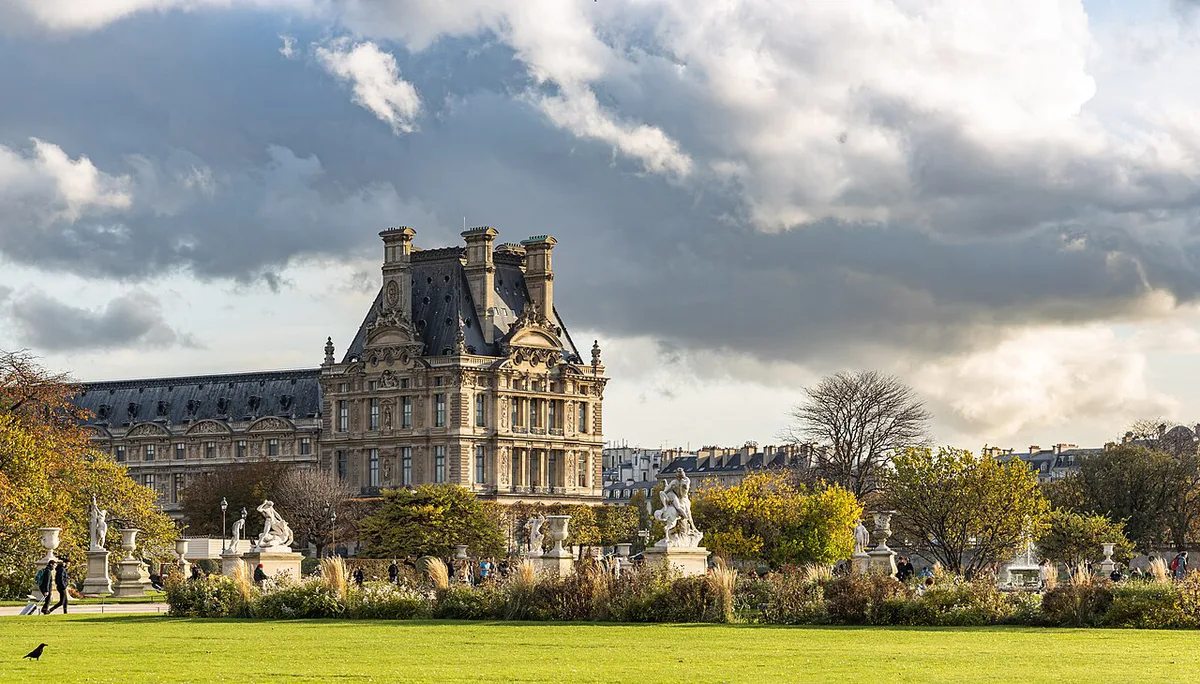
Spring turns the Tuileries Garden and the Palais Royal garden into a run of magnolia and cherry-blossom color, usually starting in late February and continuing into April. Average daytime highs climb from about 10°C (50°F) in early March to near 20°C (68°F) by late May. Shoulder-season hotel rates apply for most of the period, though the women's ready-to-wear Fashion Week in late February or early March pushes prices up for about a week. The Paris Marathon also runs in April, which tightens hotel availability along the race route for race weekend. April is the wettest stretch of spring, so pack a rain layer and build in an indoor backup plan. By late May, Roland-Garros ticket demand starts pulling hotel prices toward peak-season territory. For quieter corners away from the Tuileries crowds, less-touristed garden corners covered in the Paris guide are worth the detour.
Summer in Paris: June to August
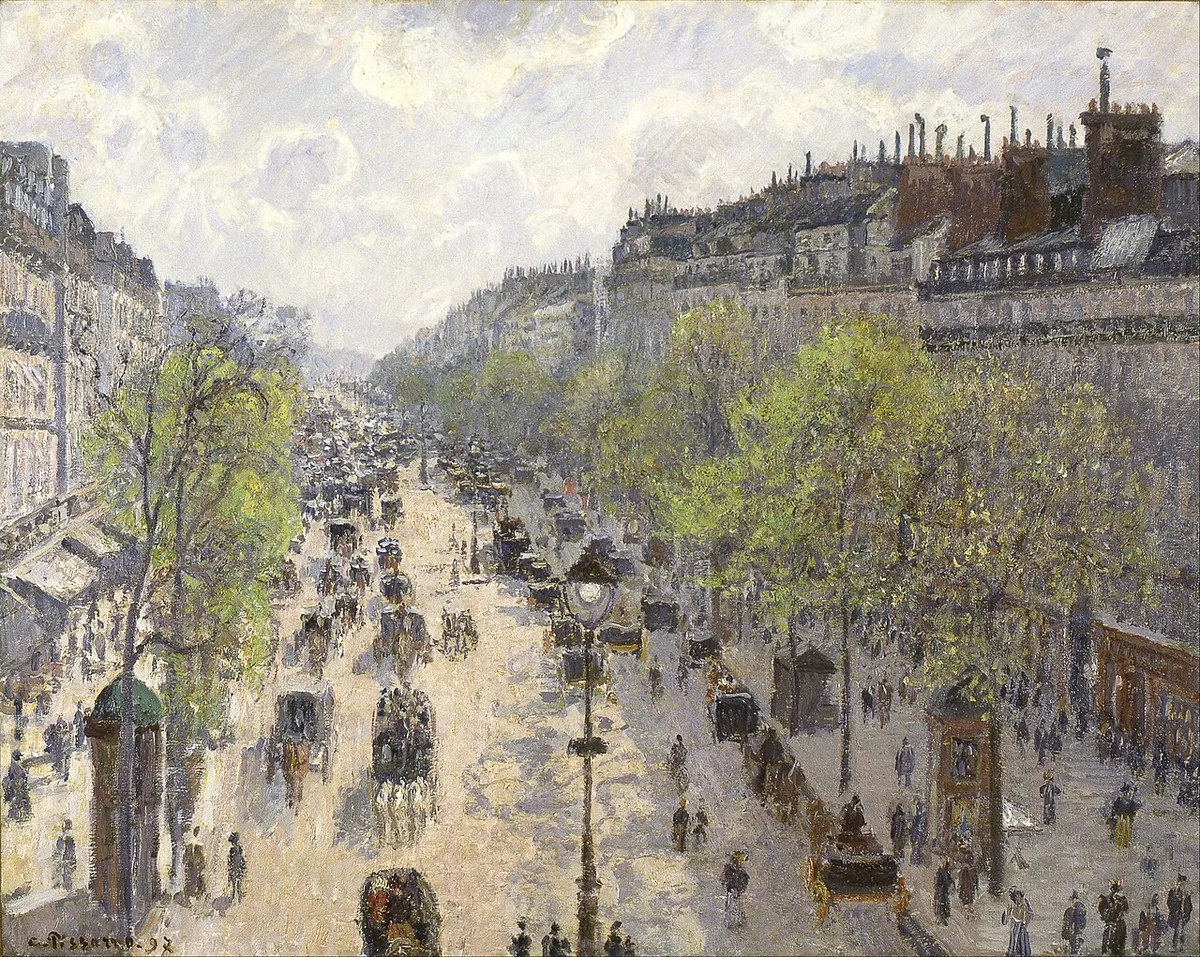
June opens peak season, and demand stays high through Roland-Garros in late May, Bastille Day on July 14, and the school-holiday crowds of July and August. Average highs run near 23°C to 25°C (73°F to 77°F), but heat waves push temperatures past 30°C (86°F) with little relief after dark. Daylight stretches close to 16 hours in late June, the longest sightseeing window of the year. Many independent boutiques, small galleries, and a number of Michelin-starred restaurants close for two to four weeks in August, when locals take their own grands vacances. Major museums and monuments stay open through those closures. Neighborhood choice matters more in summer, since peak-season rates vary sharply by area; check Paris hotel neighborhoods before booking. Evening options expand too, including Bastille Day fireworks over the Eiffel Tower and the Seine-side Paris Plages installations, which typically run from early July to early September. Browse Paris at night for the current summer lineup.
Autumn in Paris: September to November
September brings La Rentrée, when Paris shops, galleries, and the opera and ballet season at Palais Garnier and Opéra Bastille reopen after the August lull. Average highs cool from about 18°C (64°F) in September to 10°C (50°F) by mid-November. Fall foliage peaks from mid-October into early November, especially along the Seine and through the Tuileries and Palais Royal gardens. Women's ready-to-wear Fashion Week returns in late September or early October, tightening hotel availability and pushing rates up for about a week. Major museum exhibitions also cluster into this stretch, since most special shows run from September through the following spring. Outside the Fashion Week window, autumn behaves like a second shoulder season, with moderate prices and thinner crowds than summer. Wine-region day trips fit well into the cooler weeks; see day trips beyond central Paris for routes near Reims and Versailles. For skyline views of the changing color, elevated city viewpoints covers the best vantage points.
Winter in Paris: December to February
Winter is the cheapest season in Paris outside the holiday weeks, and its weather leans damp and grey rather than snowy. Average highs run about 3°C to 7°C (37°F to 45°F) from December through February, with rain more common than snow. Christmas markets, ice rinks near the Eiffel Tower and the Hôtel de Ville, and holiday window displays at the grand department stores run through late December. Rates spike around Christmas and New Year, then drop sharply in January. New Year's Eve draws its own short surge, with fireworks along the Champs-Élysées pulling rates up for just a few nights before the January lull begins. Daylight is shortest in late December, at roughly 8 hours 15 minutes, which shifts the day toward indoor plans. A damp forecast is a good reason to lean on an indoor-friendly rainy-day plan built around museum time rather than long outdoor walks. A short Haute Couture Fashion Week in late January adds one more price bump before rates settle back down into February.
Season Comparison at a Glance
This table lines up all four seasons across the factors that matter most for booking decisions.
| Season | Weather | Crowds | Price | Event Density |
|---|---|---|---|---|
| Spring (Mar-May) | 10-20°C (50-68°F); April showers likely | Moderate, rising through May | Shoulder rates; brief spike near Fashion Week | Moderate: Fashion Week, Paris Marathon |
| Summer (Jun-Aug) | 23-30°C+ (73-86°F+); heat spikes possible | Peak, especially late May to mid-Sept | Highest rates of the year | High: Roland-Garros, Bastille Day, Paris Plages |
| Autumn (Sep-Nov) | 10-18°C (50-64°F); cooling through November | Moderate, easing after October | Shoulder rates; brief spike near Fashion Week | Moderate: Fashion Week, La Rentrée reopenings |
| Winter (Dec-Feb) | 3-7°C (37-45°F); damp more than snowy | Low, except Christmas/New Year week | Cheapest Jan-early Mar outside Fashion Week | Low-moderate: Christmas markets, Haute Couture Week |
The Budget Breakdown: When Paris Is Cheapest
Hotel pricing in Paris tracks demand closely, and the swing between the cheapest and priciest weeks is substantial. A mid-range Right Bank room that runs around €100 to €120 a night during the mid-November to mid-December lull can climb past €200 a night during the Roland-Garros and Bastille Day weeks in June and July. A second cheap window opens in January and runs into early March, broken only by short Fashion Week price spikes in late January and late February. The days just before and after a Fashion Week block often price closer to shoulder-season rates than the show dates themselves. Shifting arrival by two or three days can avoid the spike entirely. Travelers stacking several paid sights into a short trip should also weigh a Paris sightseeing pass against paying per attraction, since the math shifts with how many museums fit into the itinerary.
Crowds and Lines: Navigating Peak Season
Roland-Garros in late May, Bastille Day on July 14, and both Fashion Week periods each pull a distinct crowd, and lines at the Louvre and the Eiffel Tower lengthen accordingly. Late May through mid-September is the busiest stretch of the year, and August crowds skew heavier because so many Parisians are away. Arriving at major sights soon after opening cuts wait times noticeably during these months. Booking timed-entry slots for the Louvre and the Eiffel Tower a few weeks ahead is worth it from June through August. Indoor collections also get more valuable when outdoor lines run long; the Paris museum guide outlines which collections handle peak-season traffic best. Travelers with a low tolerance for lines and heat should target September, or plan carefully around the two Fashion Week windows instead of July and August.
Mid-November through mid-December delivers both the cheapest rates—€100 to €120 a night—and minimal crowds, with the bonus of avoiding summer's Roland-Garros and Bastille Day surges.
Daylight Hours and Sightseeing Logistics
Daylight swings hard across the year in Paris, from roughly 8 hours 15 minutes in late December to about 16 hours 10 minutes in late June. That difference changes how much a single day can realistically cover. A December visit needs a tighter, more indoor-weighted plan, while a June trip allows late golden-hour light well past 9 p.m. Park hours stretch later into summer evenings at spots like the Tuileries and the Jardin du Luxembourg, then contract back to late-afternoon closing in winter. Photographers benefit most from the extended summer light; a prime photo-location roundup times specific spots to that light. For a shorter list built around one location, a curated sunset-viewpoint list covers the best-timed picks by season.
Best Time to Visit Paris for Every Type of Traveler
Season choice also depends on who is traveling and what the trip is built around.
Many independent restaurants and boutiques in Paris close for two to four weeks in August, presenting a particular challenge for food-focused travelers versus visitors drawn to major museums that remain open year-round.
- Families get the most reliable park weather in late spring and September, when temperatures are mild and school holidays have not yet crowded the Tuileries; family-focused Paris planning covers age-specific routes.
- Foodies should avoid the back half of August, when many independent bistros and some Michelin-starred kitchens close for grands vacances; the Paris restaurant guide flags which spots typically stay open.
- Shoppers get the deepest markdowns during the winter soldes in January and the summer soldes in late June and July; the Paris shopping guide covers sale timing and outlet alternatives.
Mistakes to Avoid When Timing a Paris Trip
A few planning mistakes show up repeatedly in Paris trip reports.
- Booking a July or August trip without checking a specific restaurant's own closure dates; kitchens can be dark for two to four weeks even at well-regarded addresses.
- Ignoring the Fashion Week calendar; hotel rates near the four show windows can jump sharply for reasons that are not obvious from the dates alone.
- Assuming summer heat is mild; highs above 30°C (86°F) combined with high humidity and limited air conditioning can be harder to manage than expected.
- Assuming every sight is inexpensive; some attractions charge full price year-round, so check no-cost activities in Paris against the paid list before setting a daily budget.
Planning Your Time in Paris
Trip length should follow the season as much as the season follows the calendar. A first visit typically needs several days in Paris to cover the major landmarks without rushing between them. Visitors with only 24 hours can still hit the highlights using a compact one-day route. A long weekend fits well into a two-day route through the city. A full stay works best as a three-day route with room to spare for a museum afternoon or a day trip. Start with the Paris travel guide for neighborhood orientation before locking in dates, then match the season notes above to the specific week being booked.
Further reading: Paris on Wikivoyage · Paris on Wikipedia
Frequently Asked Questions
How many days do you need for a first trip to Paris?
Most first-time visitors plan for four to five days, enough time to cover the Eiffel Tower, the Louvre, Notre-Dame's exterior, and Montmartre without back-to-back rushing. Trips shorter than that work better with a tightly sequenced route, and trips longer than a week open up day trips to Versailles or the Champagne region around Reims.
Is it worth visiting Paris in the rain?
Yes. Parisian winters and much of spring lean damp rather than snowy, and museums, covered passages, and department stores absorb a wet afternoon easily. Rain rarely cancels a trip; it mostly shifts the day's plan indoors for a few hours.
What are the must-see places in Paris regardless of season?
The Eiffel Tower, the Louvre, and the Sacré-Cœur in Montmartre draw crowds in every month, so arriving soon after opening helps year-round. A Seine River boat ride works in any season and is especially effective at golden hour, when the light hits the riverside buildings directly.
What is the cheapest month to visit Paris?
The cheapest run is mid-November through mid-December, followed by January into early March. Both windows sit outside Roland-Garros, Bastille Day, and the main summer season. Both also avoid the Christmas and New Year price spike. Still, check the Fashion Week calendar before booking either window, since a show date can undo the savings.
When should you avoid visiting Paris?
Late June through August brings the heaviest crowds, the highest prices, and the risk of a preferred restaurant being closed for its own August break. The week of Christmas and New Year also carries a sharp price spike. Both Fashion Week periods tighten hotel availability even outside the main peak season, so it is worth checking those specific dates no matter which month is chosen.