
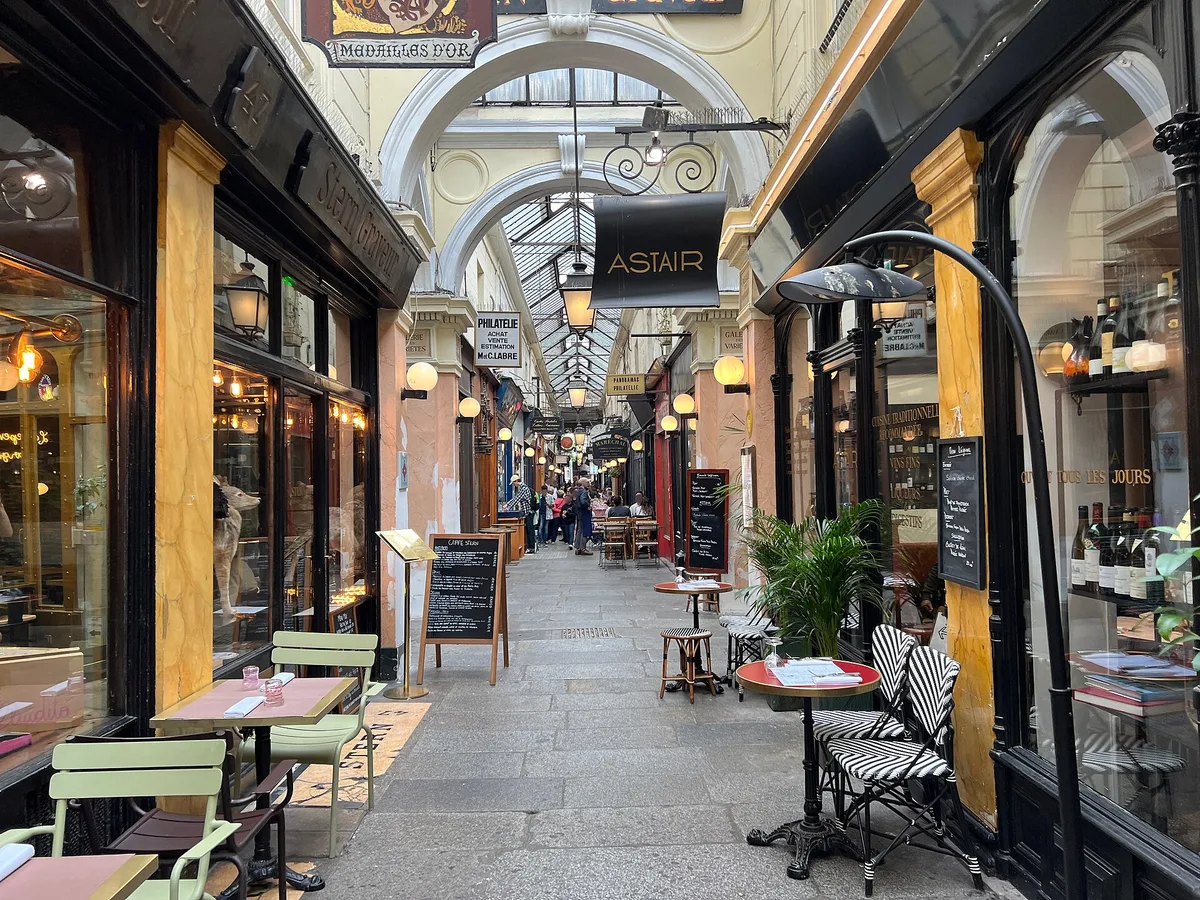
Hidden Gems in Paris
Skip the queues and find 2026's best hidden gems in Paris, from quiet gardens to cheap opera seats and local ice cream, with real prices, hours, and metro tips.
Read guide →Paris travel guides for 2026: itineraries, day trips, hidden gems, museums, free things to do and city-pass advice — every Paris planning guide in one hub.

Everything we've published on visiting Paris, in one place: 19 trip-planning guides covering itineraries and trip length, where to stay, when to visit, day trips, restaurants and shopping, hidden gems, the best viewpoints and museums, family and rainy-day options, and honest advice on city passes. Each guide is written for a specific decision you make while planning a trip to Paris, France.
Looking for individual landmark tickets, opening hours and worth-it advice? See our Paris attractions hub, with 14 dedicated visitor guides.
Three days covers the essential landmarks at a brisk pace, while four is the trip length that lets you group sights by arrondissement instead of crisscrossing the city — that's the core finding of our Paris trip-length guide, which compares 2, 3, 4 and 7+ day trips and spells out what you have to cut at each length. If you're on a tight stopover, the one-day itinerary sequences the icons hour by hour with 2026 ticket prices and opening hours baked in; a weekend visitor gets a day-by-day route in the 2-day plan; and the 3-day itinerary adds the neighborhood time — Montmartre, the Marais, the Left Bank — that shorter trips have to sacrifice. Add a day on top for Versailles, kids in tow, or a serious interest in shopping, and the count climbs again. Whatever length you settle on, book the timed-entry sights first and fit the free neighborhoods around them — doing it in the reverse order is how visitors end up crisscrossing the city and losing half-days to transit.
Late May through June and September deliver the clearest trade-off: warm days, long daylight, and crowds that have not yet peaked around the Eiffel Tower and the Louvre. Budget-focused travelers do better in the window between mid-November and mid-December, when hotel rates drop and the Christmas rush has not started — our guide to the best time to visit Paris works through weather, daylight hours and the August closures worth planning around, month by month. And a wet forecast isn't a lost day: the rainy-day guide leans on the city's covered passages, big museums and cozy cafes to keep an itinerary on track. Quieter seasons also suit the city's less-trafficked corners — the quiet gardens, cheap opera seats and local ice cream stops in our guide to hidden gems in Paris reward exactly the kind of unhurried visit that peak-summer crowds make difficult.
Paris spirals through 20 arrondissements, each with a different pace, price and Métro logic, and where you sleep quietly decides how much of your trip you spend underground in transit. Our guide to where to stay in Paris ranks nine neighborhoods by budget, safety and vibe, matched to traveler type — first-timers, couples, families and repeat visitors all land in different quarters. Traveling with children changes the calculus again: Paris with kids covers family stays, playground-adjacent bases and the timing tricks that make museum days work with younger travelers. If your dates are flexible, cross-reference the neighborhood you pick against seasonal pricing — the same room can swing sharply between June's peak and the quieter late-November window.
The 2026 Paris Pass runs from €99 for one day to €299 for six days with museum access built in, and our Paris Pass review lands on a clear rule: it only pays off if you pack several paid museums and monuments into one trip, so one-day visitors should buy single tickets instead. A surprising share of the city costs nothing at all — Sacré-Cœur is free to enter and open every day of the year from 6:30am to 10:30pm, with the dome climb the only paid extra at €8 — and our roundup of free things to do in Paris adds Montmartre viewpoints, canal walks and free-entry museums to build out a zero-spend day.
Six Paris sights are where 2026 booking mechanics genuinely matter. Top-level elevator tickets at the Eiffel Tower cost €36.70 for adults, and a proper visit runs 2 to 3 hours door to door once you count security and two elevator changes. The Louvre charges €22 for European Economic Area residents and €32 for everyone else, opens 9am to 6pm most days with late Wednesday and Friday openings — and is closed every Tuesday, the single most common scheduling mistake. Since March 2026, the Musée d'Orsay (€16 online) requires every visitor to book a timed-entry slot, because walk-up admission is suspended during renovation works. Sainte-Chapelle has no free option: every visitor buys a €16–€22 ticket with a 30-minute entry slot. The Paris Catacombs cost €31 at the full rate with audio guide included, and the circuit caps at 200 visitors underground at a time, so an unbooked summer afternoon can mean an hour-plus queue at street level. And the Palace of Versailles Passport ticket costs €35 in 2026 high season — plan a full day, roughly 6 to 8 hours door to door from central Paris. For everything beyond these six, our ranking of the best museums in Paris confirms current prices and hours across the city.
Paris planning doesn't stop at monuments. Our pick of the best restaurants in Paris spans Michelin-starred tasting menus, neo-bistros and Marais neighborhood classics, with the booking and tipping etiquette that makes reservations painless, while the shopping guide maps the grands magasins, Le Marais and Saint-Germain — plus the détaxe paperwork that gets non-EU visitors money back. Out of town, the RER C reaches Versailles in about 40 minutes, and our comparison of day trips from Paris weighs it against Giverny and Mont Saint-Michel with train times and costs. When the sun drops, the guide to things to do in Paris at night covers the Eiffel Tower light shows and Seine cruises, and our map of where to watch the sunset compares Trocadéro, Montmartre and the quieter alternatives ranked in the best viewpoints in Paris — plus a practical plan for getting home once the Métro slows down late in the evening.
Skip the queues and find 2026's best hidden gems in Paris, from quiet gardens to cheap opera seats and local ice cream, with real prices, hours, and metro tips.
Read guide →
Is the Paris Pass worth it in 2026? See real 2026 prices, honest pros and cons, and who should skip it before booking your next Paris trip today.
Read guide →
Follow this one day in Paris itinerary for 2026, complete with hour-by-hour timing, ticket prices, opening hours, and booking tips for your visit.
Read guide →
Plan the perfect 2 days in Paris itinerary with a day-by-day route, real ticket prices, opening hours, and neighborhood tips for 2026. Start planning.
Read guide →
Follow this 3 days in Paris itinerary with day-by-day stops, neighborhoods, 2026 ticket prices, and booking tips. Start planning your first Paris trip today.
Read guide →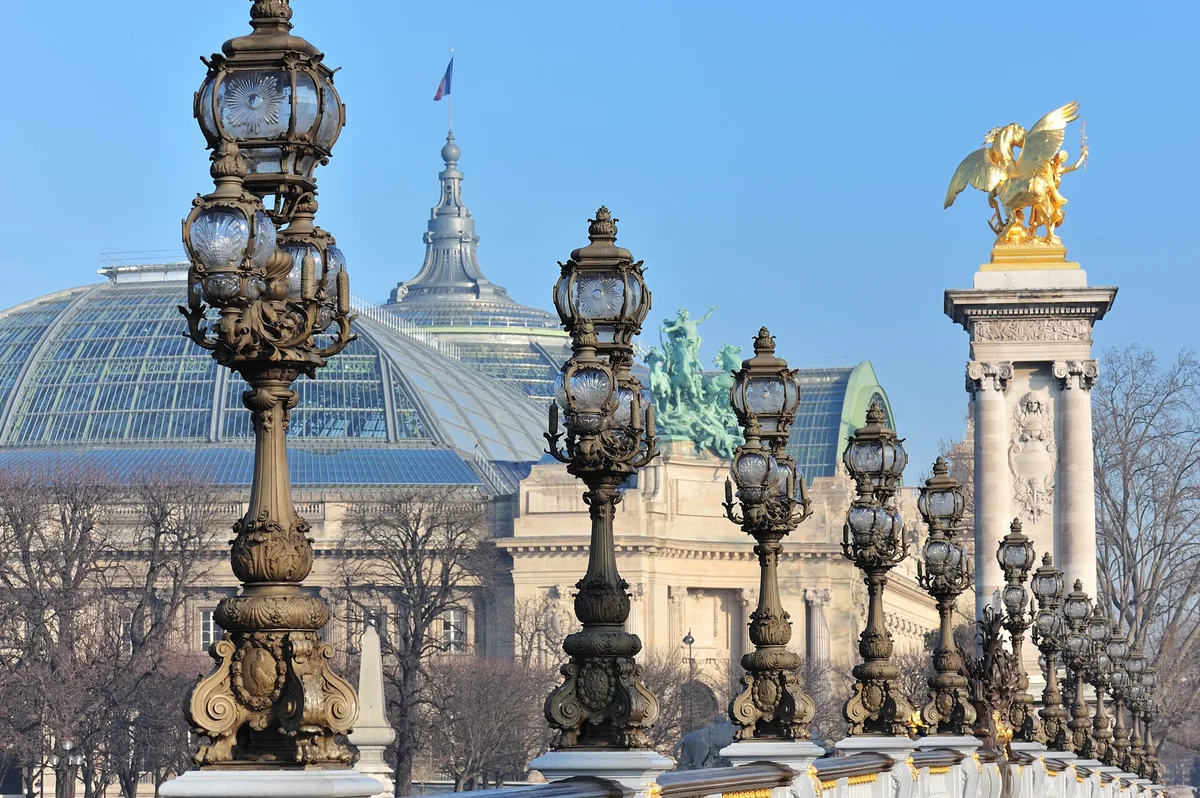
Explore the best museums in Paris worth visiting in 2026, from the Louvre to hidden mansion collections, with real prices, hours, and insider tips.
Read guide →
Discover the 10 best viewpoints in Paris for 2026, from free rooftop terraces to iconic towers, with current prices, hours, and timing tips.
Read guide →
Discover the 10 best photo spots in Paris in 2026, from the Eiffel Tower to a hidden metro entrance, with prices, hours, and timing tips included.
Read guide →
Discover where to watch sunset in Paris in 2026, from Trocadero to Montmartre, with timing tips, ticket costs, and honest viewpoint comparisons.
Read guide →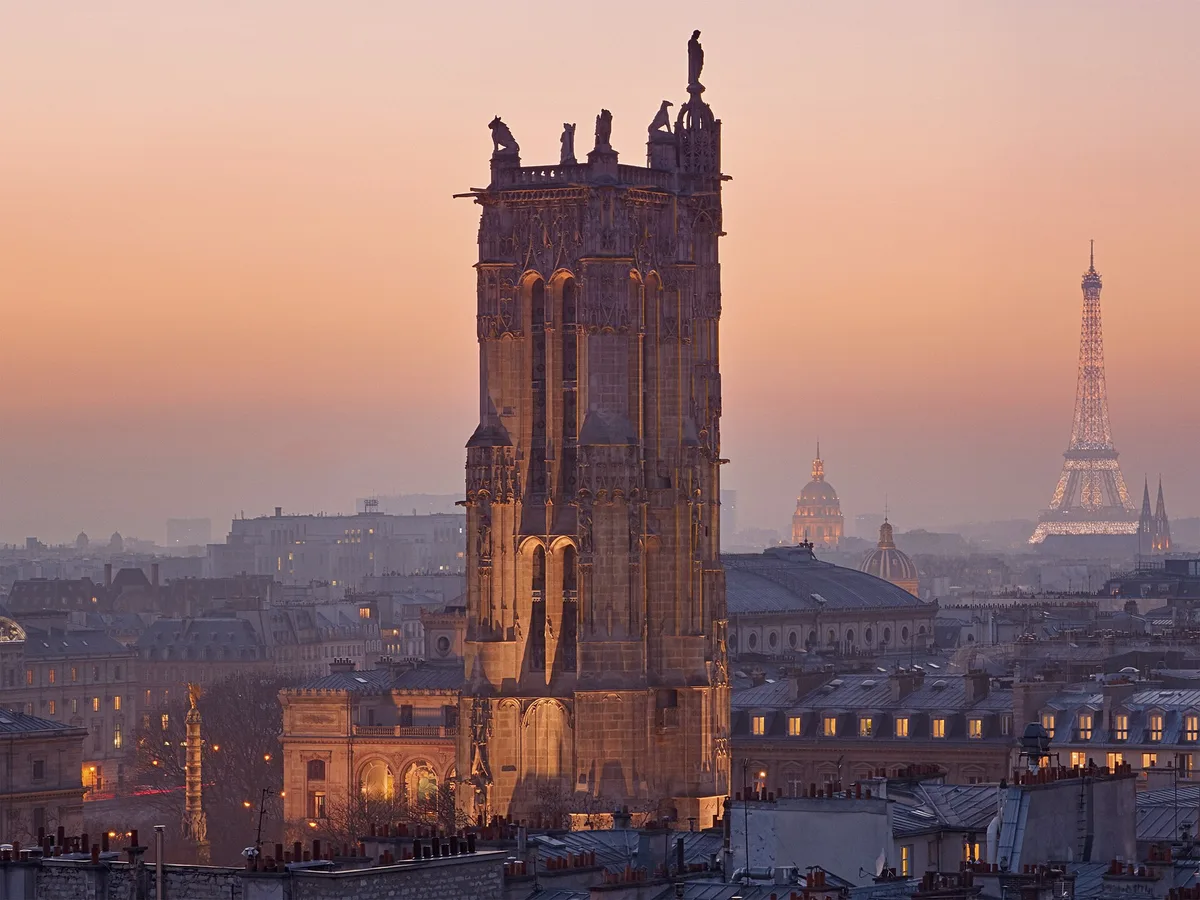
Discover the best things to do in Paris at night, from Eiffel Tower light shows to Seine cruises, with 2026 prices, hours, and insider tips.
Read guide →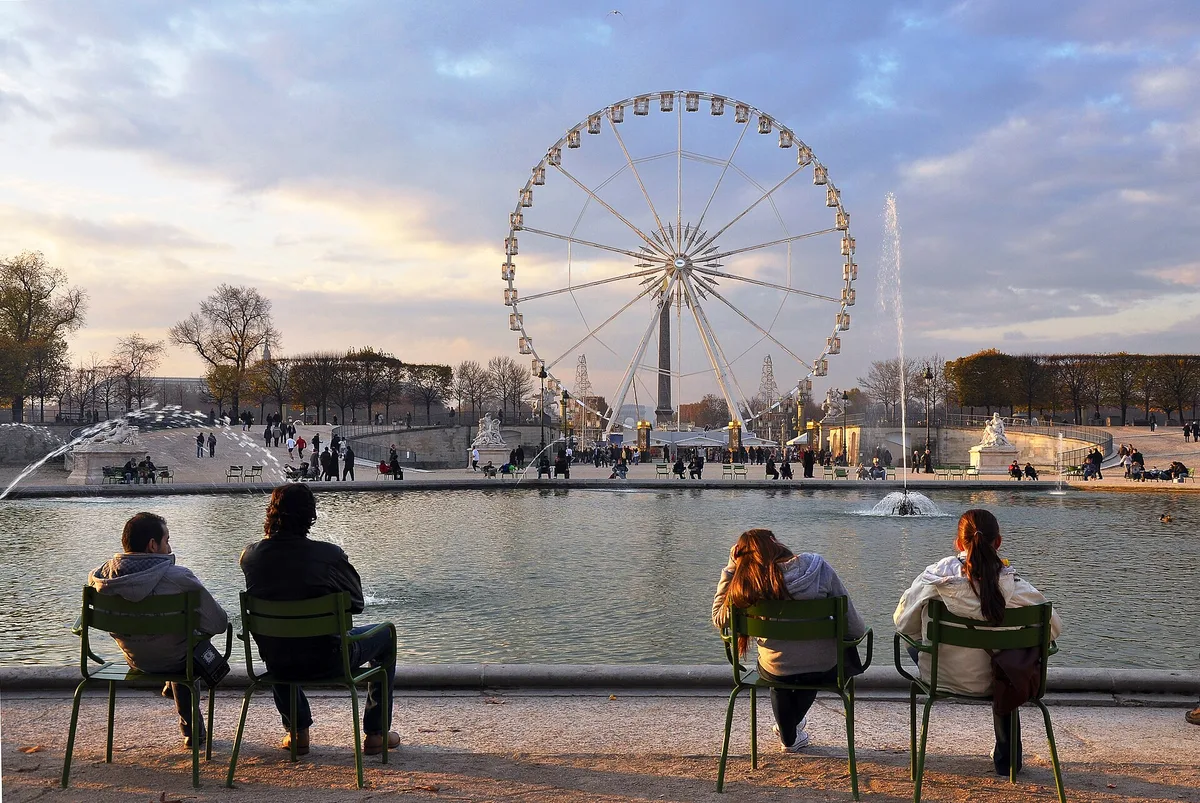
Planning a family trip? Discover the best things to do in Paris with kids, from Eiffel Tower tips to rainy-day plans and family stays for 2026.
Read guide →
Discover 10 free things to do in Paris in 2026, from Montmartre viewpoints to hidden museums and canal walks, with prices, hours, and planning tips.
Read guide →
Planning Paris on a rainy day? Discover covered passages, top museums, cozy cafes, and family-friendly picks that keep your 2026 trip on track.
Read guide →
Plan day trips from Paris with top picks like Versailles, Giverny, and Mont Saint-Michel, plus train times, ticket costs, and 2026 booking tips.
Read guide →
How many days in Paris should you plan? Compare 2, 3, 4, and 7+ day trips, see what to cut at each length, and check 2026 airport transit costs.
Read guide →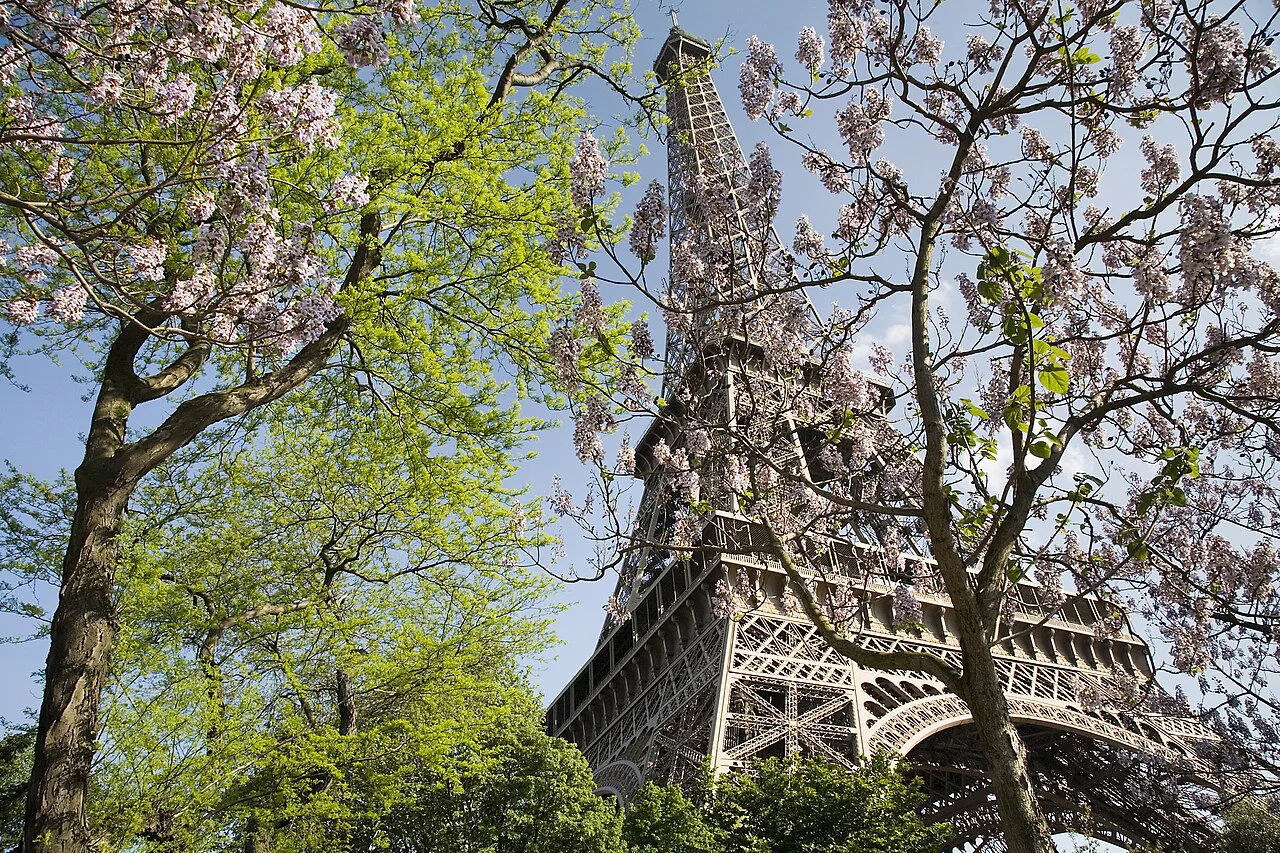
Find the best time to visit Paris for 2026, from weather and daylight hours to peak crowds, shoulder-season savings, and August closures to plan around.
Read guide →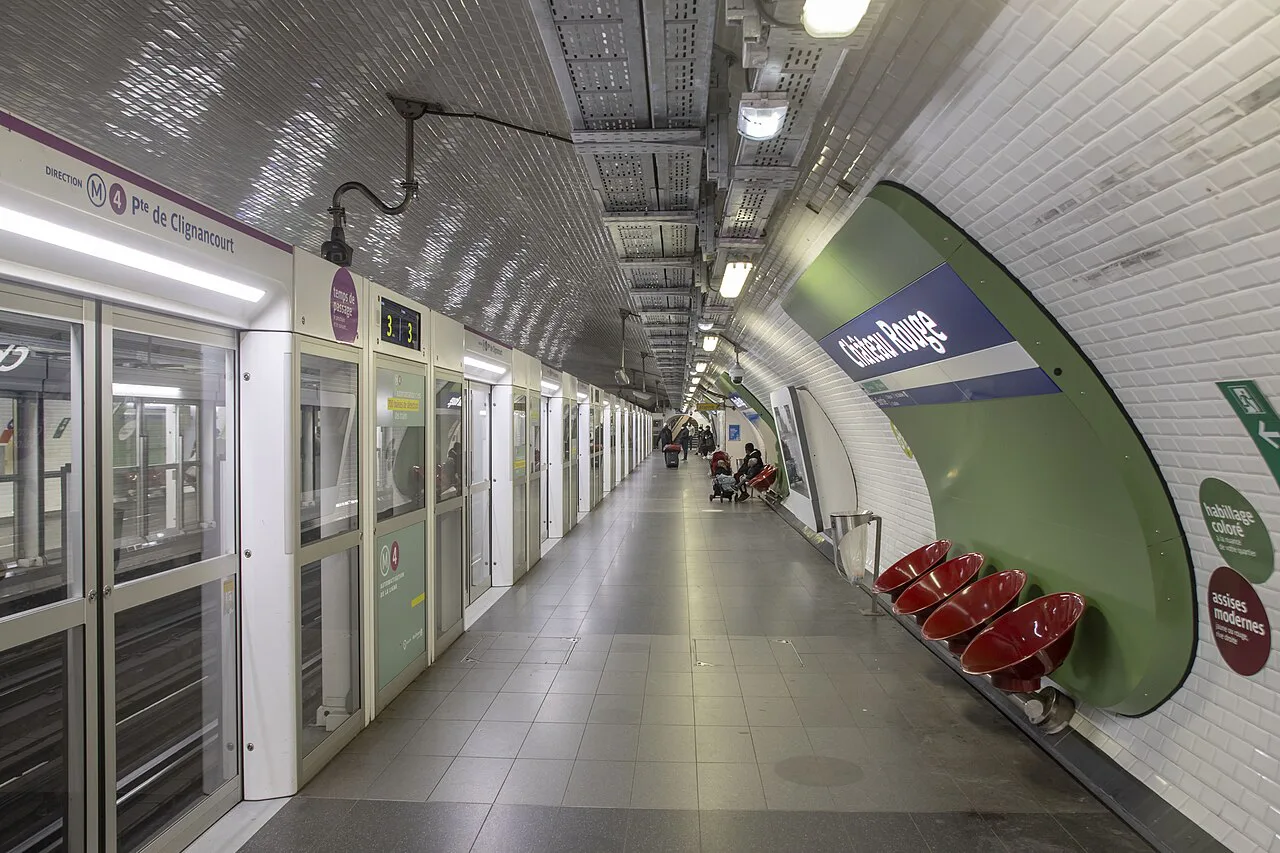
Deciding where to stay in Paris? This guide ranks 9 arrondissements by budget, safety, and vibe, with local tips for first-timers and families.
Read guide →
The best restaurants in Paris for 2026: Michelin stars, neo-bistros, and Marais neighborhood picks, plus booking, timing, and tipping tips.
Read guide →
A 2026 guide to shopping in Paris: the grands magasins, Le Marais, Saint-Germain, the Triangle d'Or, plus détaxe rules and boutique etiquette.
Read guide →Keep exploring