
4 min
Mainz: Landmark Visitor Guides
Plan Mainz with landmark visitor guides, practical itinerary choices, family ideas and links to researched city guides and attraction details.
The Euro Landmarks journal
Continue through our independent collection of landmark advice, realistic itineraries and practical city planning.
Decision-ready travel
Researched by our editorial team
Plan Mainz with landmark visitor guides, practical itinerary choices, family ideas and links to researched city guides and attraction details.
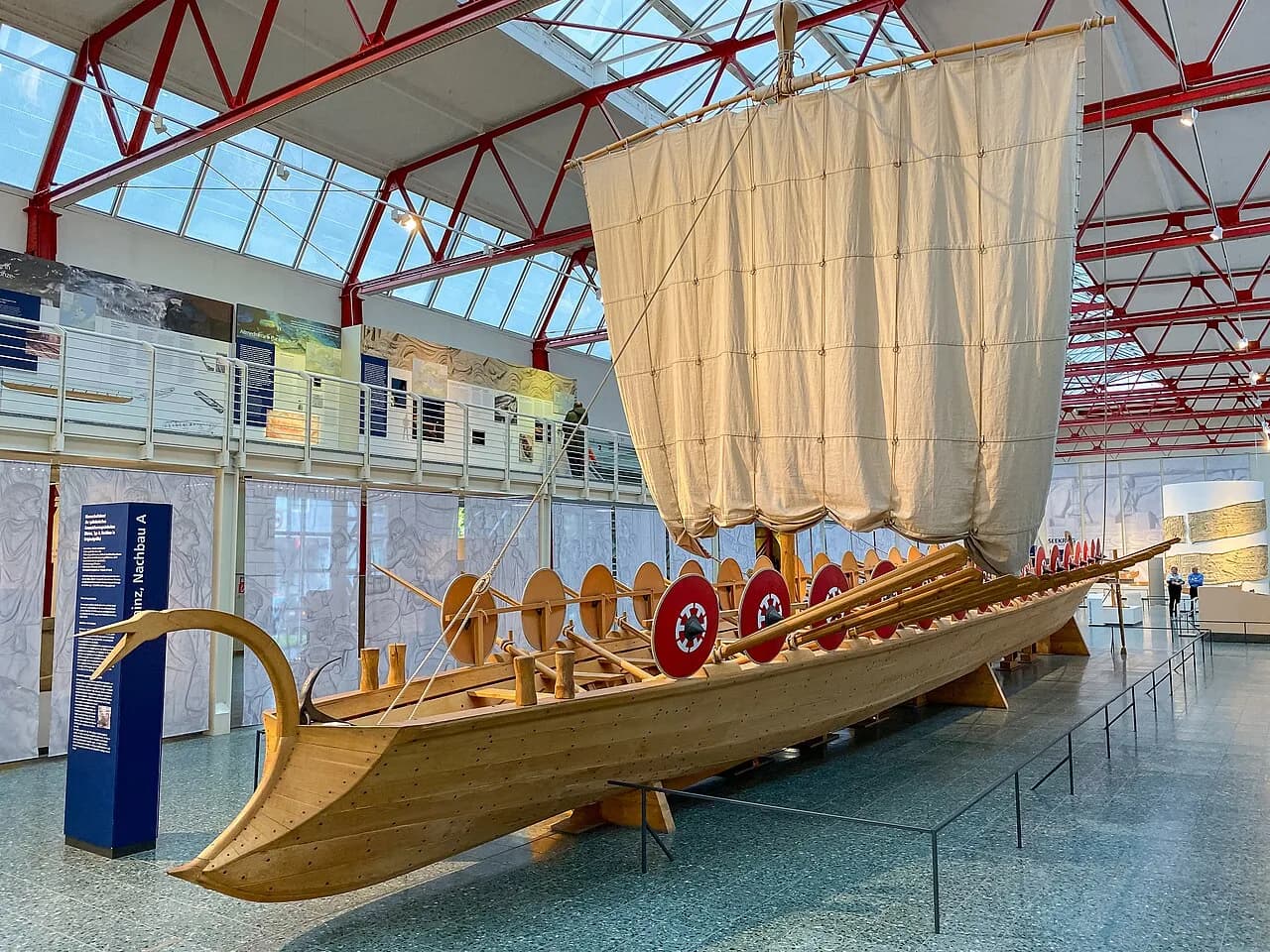
Photo: dronepicr, CC BY 2.0. Resized and converted to WebP.
Mainz's Museum of Ancient Seafaring holds the remains of Roman Rhine fleet ships in a converted locomotive engine shed, but the exhibition is closed for modernization and set to reopen in late autumn 2026. This guide explains what is inside, what is original and what is reconstructed, and how to build a Roman-themed day around it.
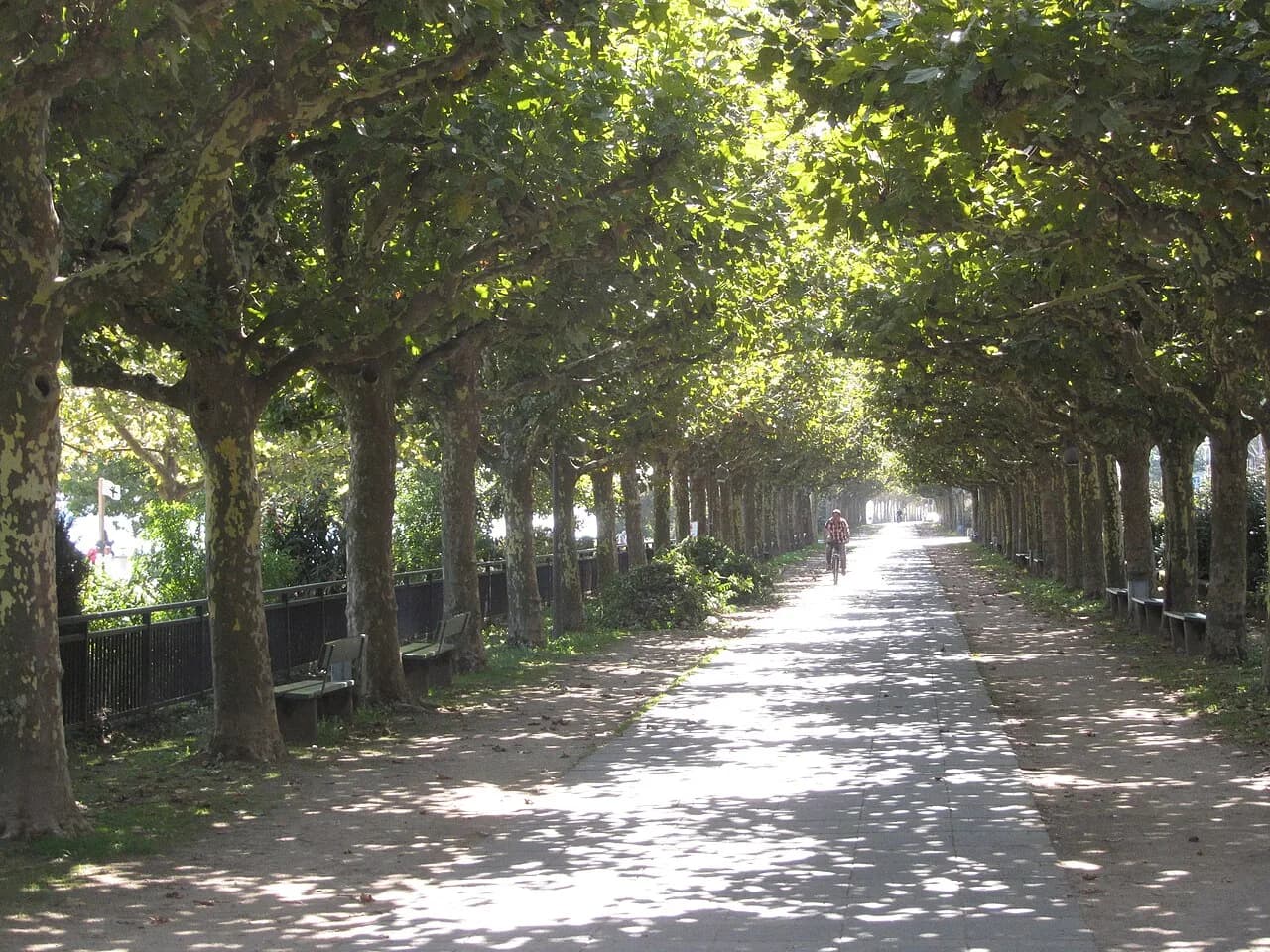
Photo: L.Willms, CC BY-SA 3.0. Resized and converted to WebP.
The Mainz Rhine promenade is a free riverside path along the Rhine, used for strolling, cycling and watching boats. This guide explains what the Rheinufer actually is, how it connects to the Electoral Palace and old town, how to judge boat traffic, and where to add one paid interior such as the Gutenberg Museum's interim exhibition.
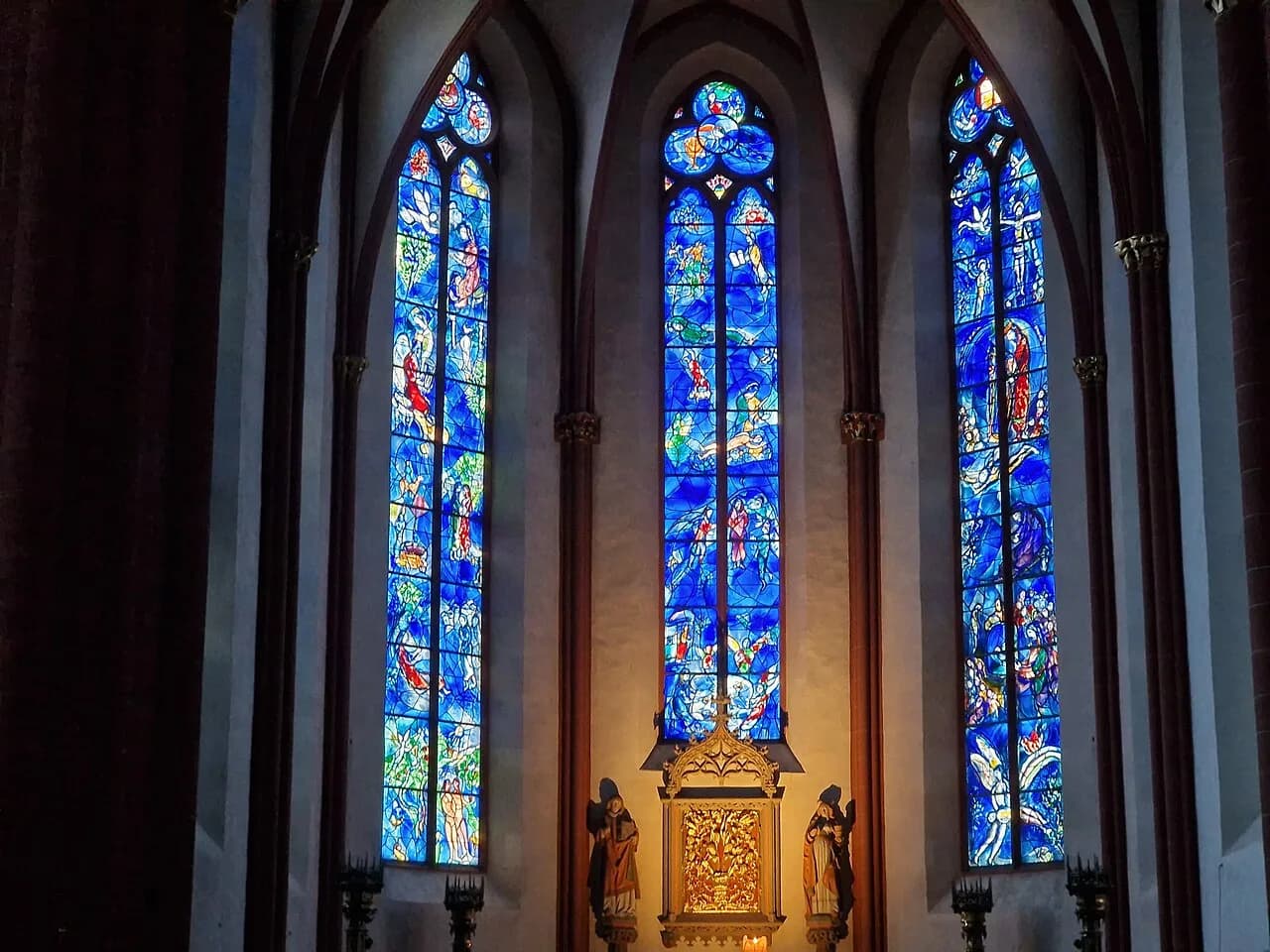
Photo: Gerda Arendt, CC0. Resized and converted to WebP.
St. Stephan in Mainz is the only German church with stained glass windows by Marc Chagall. This guide explains the window scheme, how daylight shapes the experience, and how to plan a respectful visit to a working church.
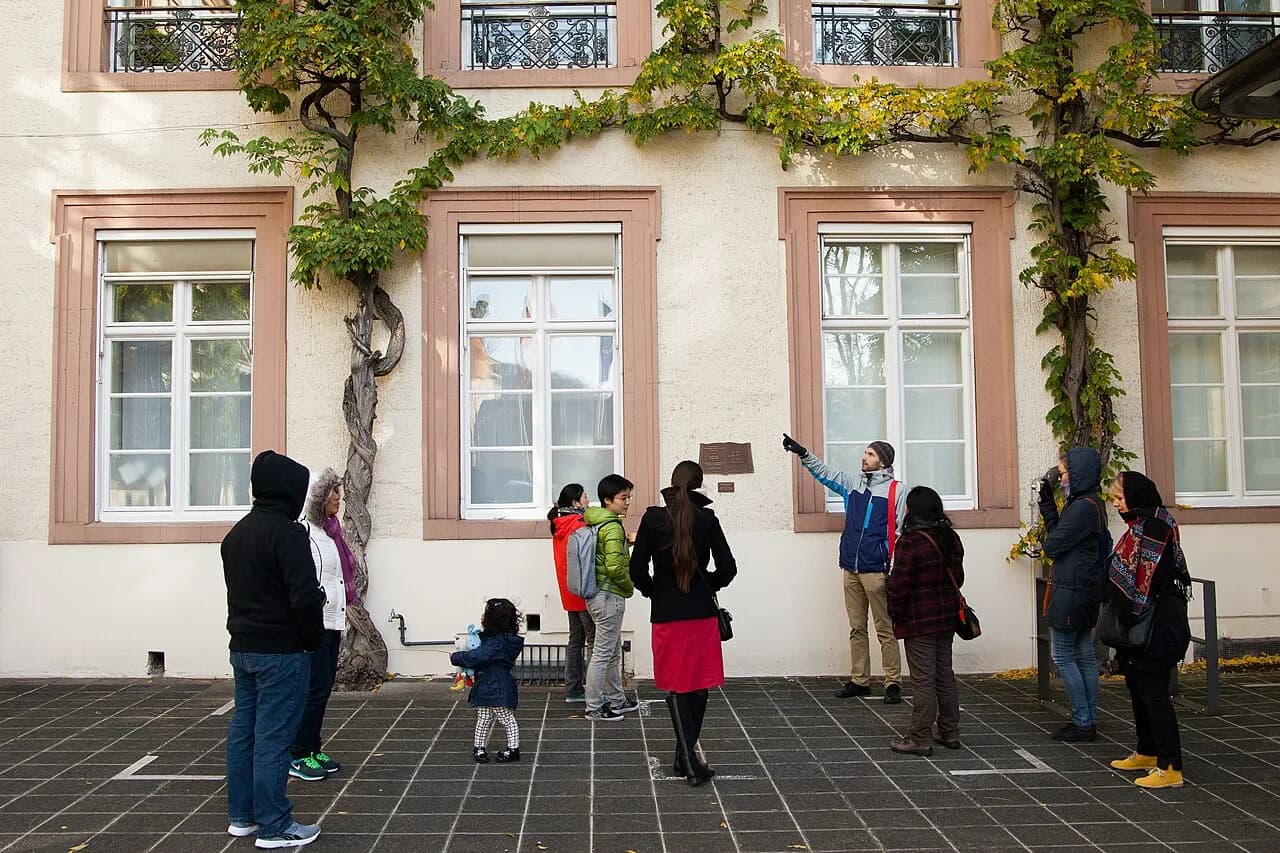
Photo: Alexander Glebov, CC BY-SA 3.0. Resized and converted to WebP.
Baden-Baden is a compact spa town best seen on foot, but the phrase free walking tour needs unpacking. The streets, colonnades and parkland cost nothing, while the thermal baths, museums and casino are ticketed separately. This guide covers the certified German-language operator tour and two self-guided routes split by how much time you have.
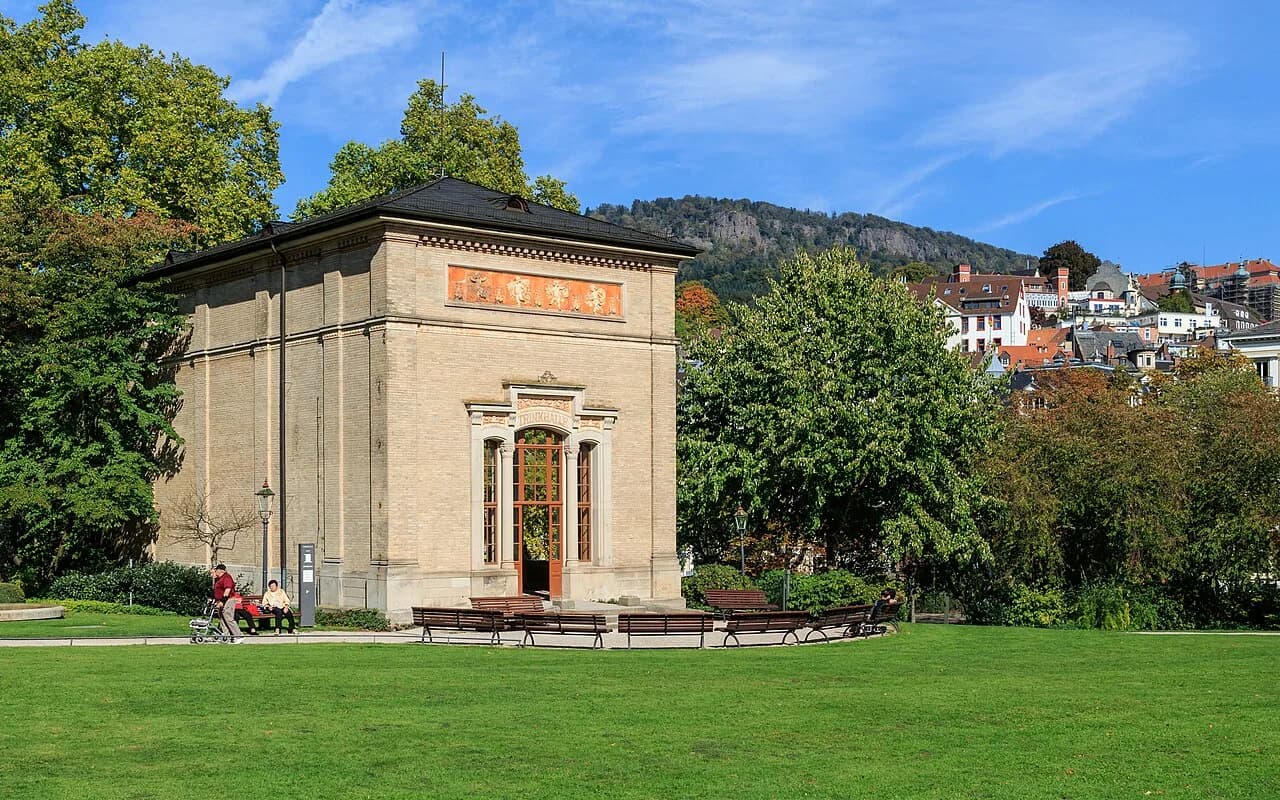
Photo: A.Savin, CC BY-SA 3.0. Resized and converted to WebP.
Baden-Baden is famous for its thermal baths, but a quieter side rewards slow wandering: two contrasting gardens, the free Lichtentaler Allee and Kurpark, the Trinkhalle colonnade, Roman bath ruins entered through a tunnel under Friedrichsbad, and the free Hohenbaden castle ruins on the hill.
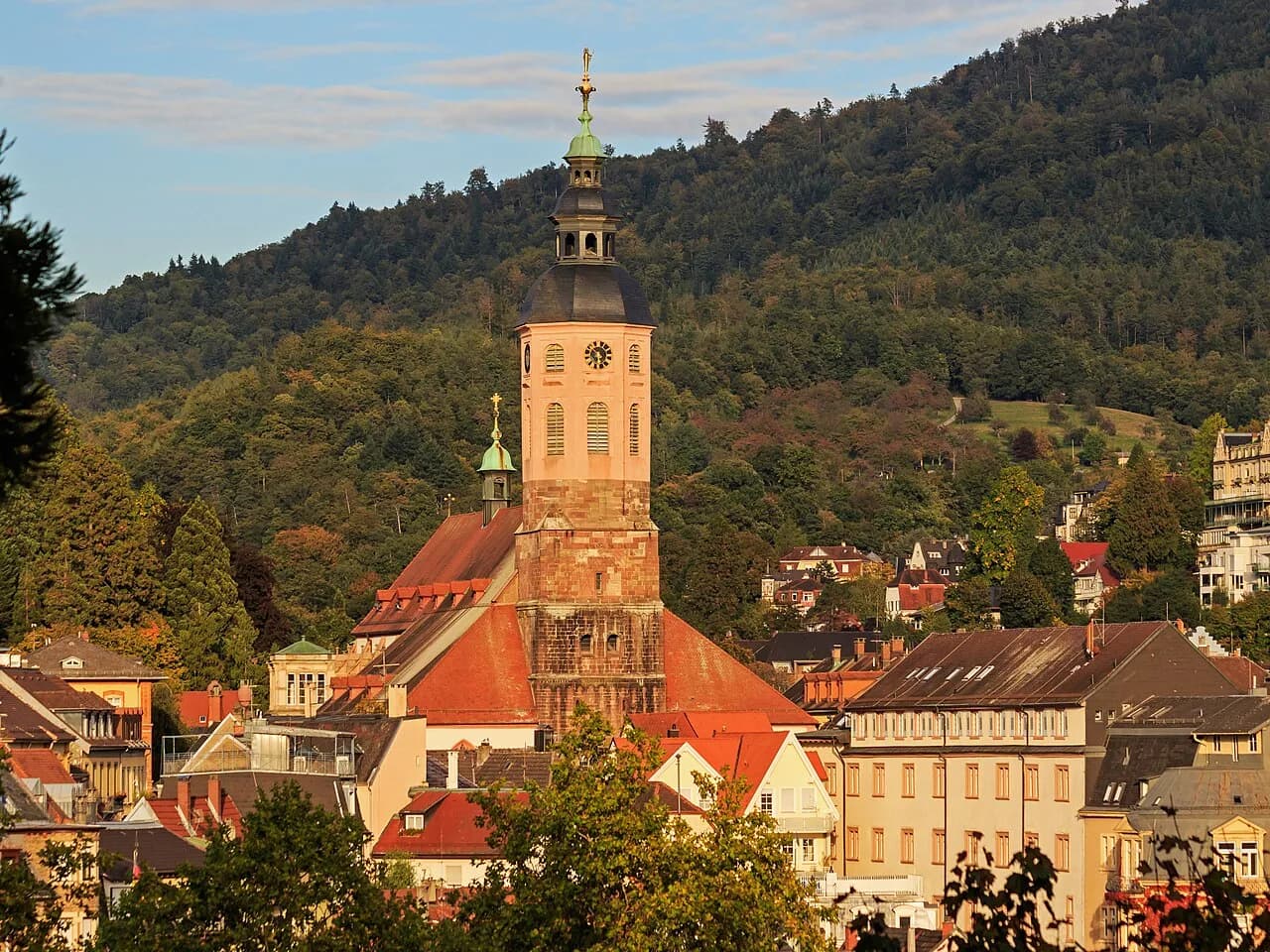
Photo: A.Savin, CC BY-SA 3.0. Resized and converted to WebP.
Central Baden-Baden reads as three linked districts rather than three separate stops. The spa quarter holds the two thermal baths and the Roman ruins, the Altstadt and Museum Mile edge carry the Kurhaus block, and the Lichtentaler Allee runs south as free public ground. Here is how to choose where to start.
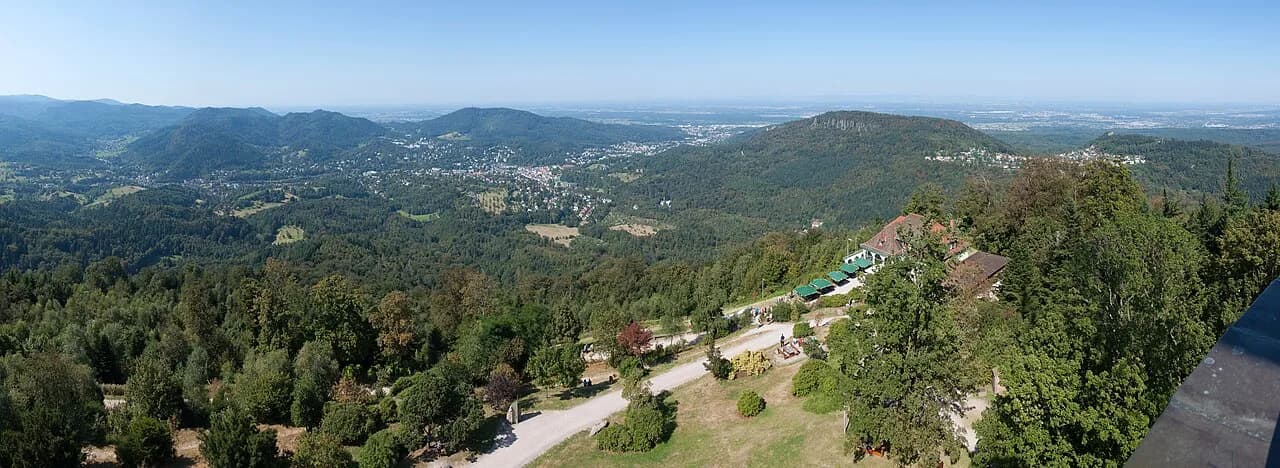
Photo: H. Zell, CC BY-SA 3.0. Resized and converted to WebP.
Baden-Baden's evening offering is narrower than a big-city nightlife scene and easier to plan once you know the closing times. This guide sets out the casino's weekday-dependent hours, the last-admission arithmetic at both thermal baths, the Kunsthalle's early close, and a self-guided stroll along Lichtentaler Allee.
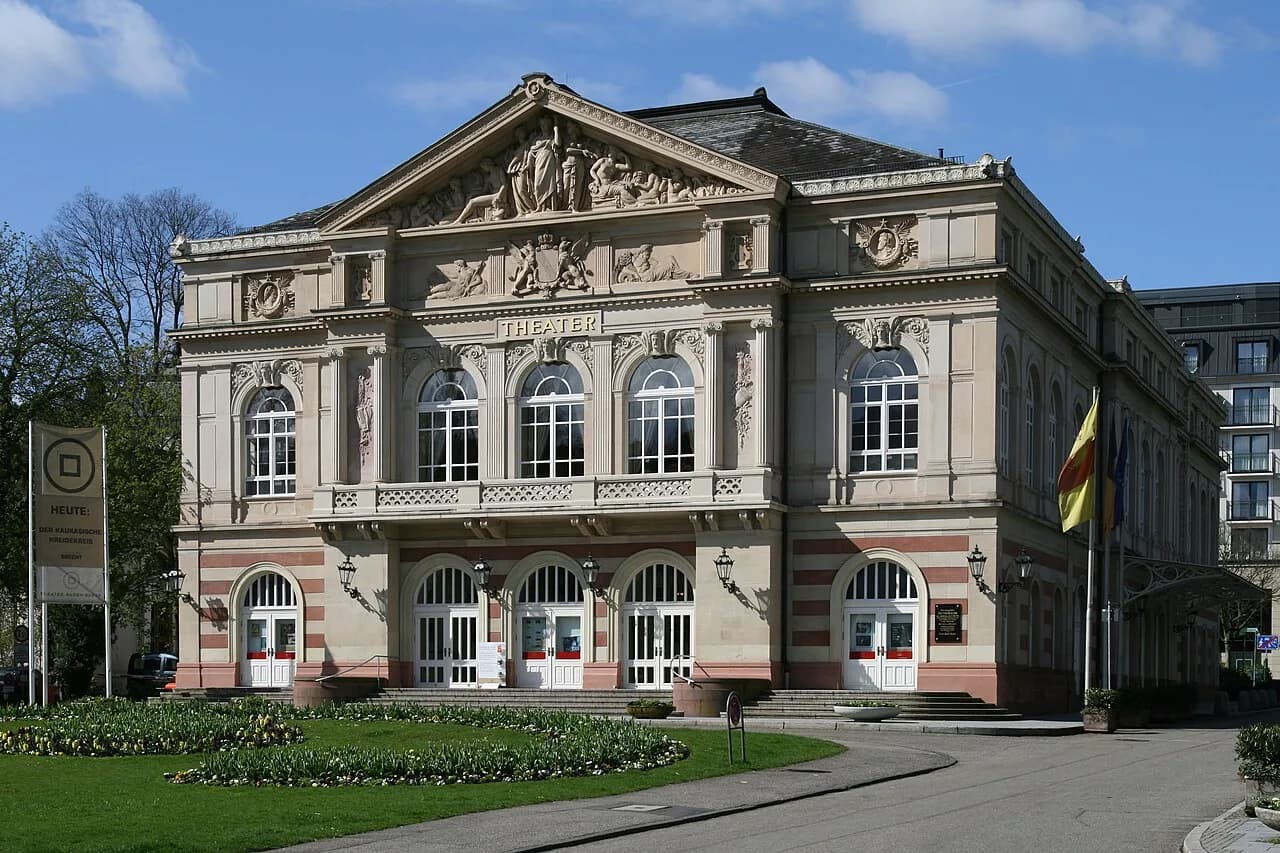
Photo: Till Niermann, CC BY-SA 4.0. Resized and converted to WebP.
One day in Baden-Baden works because the centre is compact and walkable. This suggested plan spends the morning in a thermal bath, keeps the late morning free for the Kurhaus and Trinkhalle, then asks you to choose one afternoon: the Lichtentaler Allee, the two art museums, or the Merkur funicular. Timings are suggestions, not official guidance, and you should confirm current hours and prices with each operator.
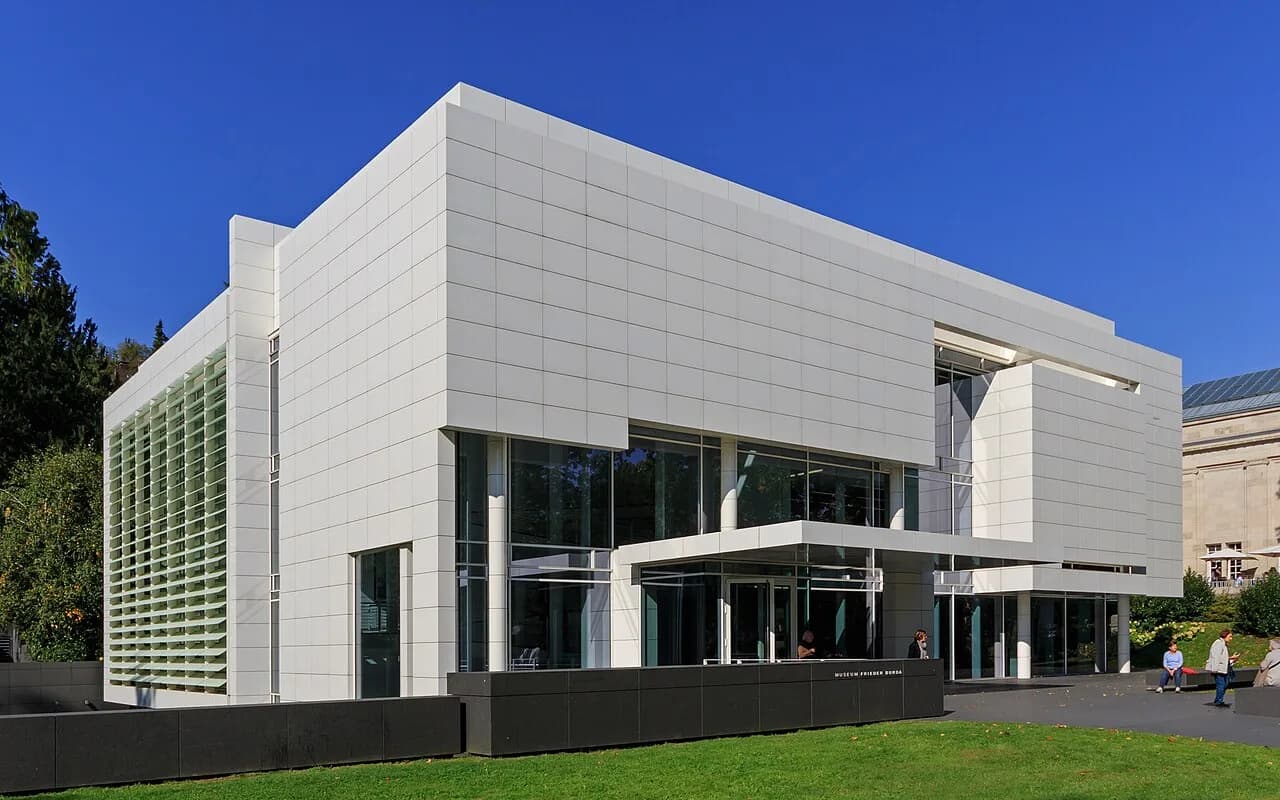
Photo: A.Savin, CC BY-SA 3.0. Resized and converted to WebP.
Baden-Baden rewards photographers who slow down: a compact valley town where riverside avenues, terraced gardens, colonnaded architecture and forested ruins sit within a short walk of each other. This guide covers seasonal light, framing choices at viewpoints, night-shooting tactics, and low-impact etiquette, with clearly labelled suggested durations for a half day, a full day and a two-day photo visit.

Photo: Carsten Steger, CC BY-SA 4.0. Resized and converted to WebP.
Baden-Baden's spa core is walkable, but the rail station, the Merkur valley station and the Oos district sit beyond a comfortable stroll. This guide explains how KVV day tickets are sold by zone band and group size, how the 6am rule and the under-15 family provision work, and why a rail pass will not get you onto the city bus.
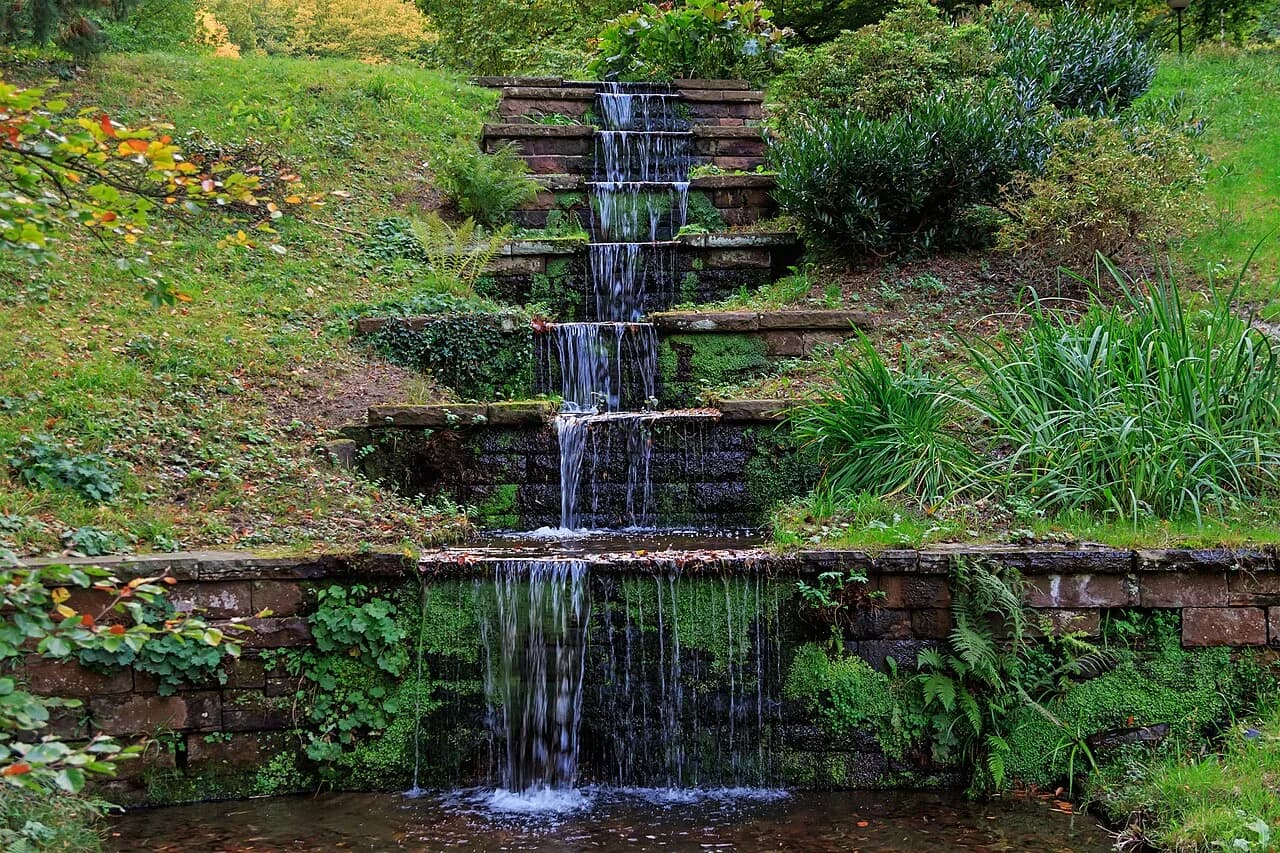
Photo: A.Savin, CC BY-SA 3.0. Resized and converted to WebP.
Baden-Baden sits in a narrow valley ringed by wooded hills, so a hilltop panorama and a riverside park walk can both fit into one evening. This guide separates free open-air viewpoints from paid indoor stops, explains how to reach the Merkur summit, and flags the weather risks that can cancel a ruin visit.


