Aachen earned its fame from hot springs long before it earned it from Charlemagne, and the city still trades on that bathing tradition through the Carolus Thermen and the sulfurous fountains at the Elisenbrunnen. So it is natural to look for a Kurpark, the classic green companion to a European spa town. The awkward part is that Aachen's own visitor listings include a Kurpark at Dammstraße 40, yet describe nothing about it. This guide works from what is actually documented and tells you exactly where to confirm the rest.
Treat the Kurpark as one stop inside a wider spa-city landscape rather than as the main event. The documented green spaces are the Stadtgarten on Monheimsallee, laid out around the Neues Kurhaus, and the small Elisengarten behind the Elisenbrunnen in the old town. Both sit close to the historic spa quarter, so a single walk can cover the buildings, the water and the greenery without a bus ride.
One concrete planning detail before anything else: the Tourist Info Elisenbrunnen keeps stated opening hours that differ by season, so the info point is a reliable first stop for maps, guided-tour bookings and current leaflets. Its published winter schedule shortens weekday afternoons, which matters if you are arriving late in the day. Verify the hours on the day you travel rather than trusting a printed planner.
What the Name Kurpark Actually Means in Aachen
The word Kurpark describes the grounds attached to a spa or cure house, not a single landmark with one entrance and one ticket. In Aachen the related historic buildings are the Altes Kurhaus, built in the 1780s at Komphausbadstraße, and the Neues Kurhaus, opened in 1916 on Monheimsallee at the edge of the Stadtgarten. Treating the two as the same building is the most common mistake visitors make when planning this part of town.
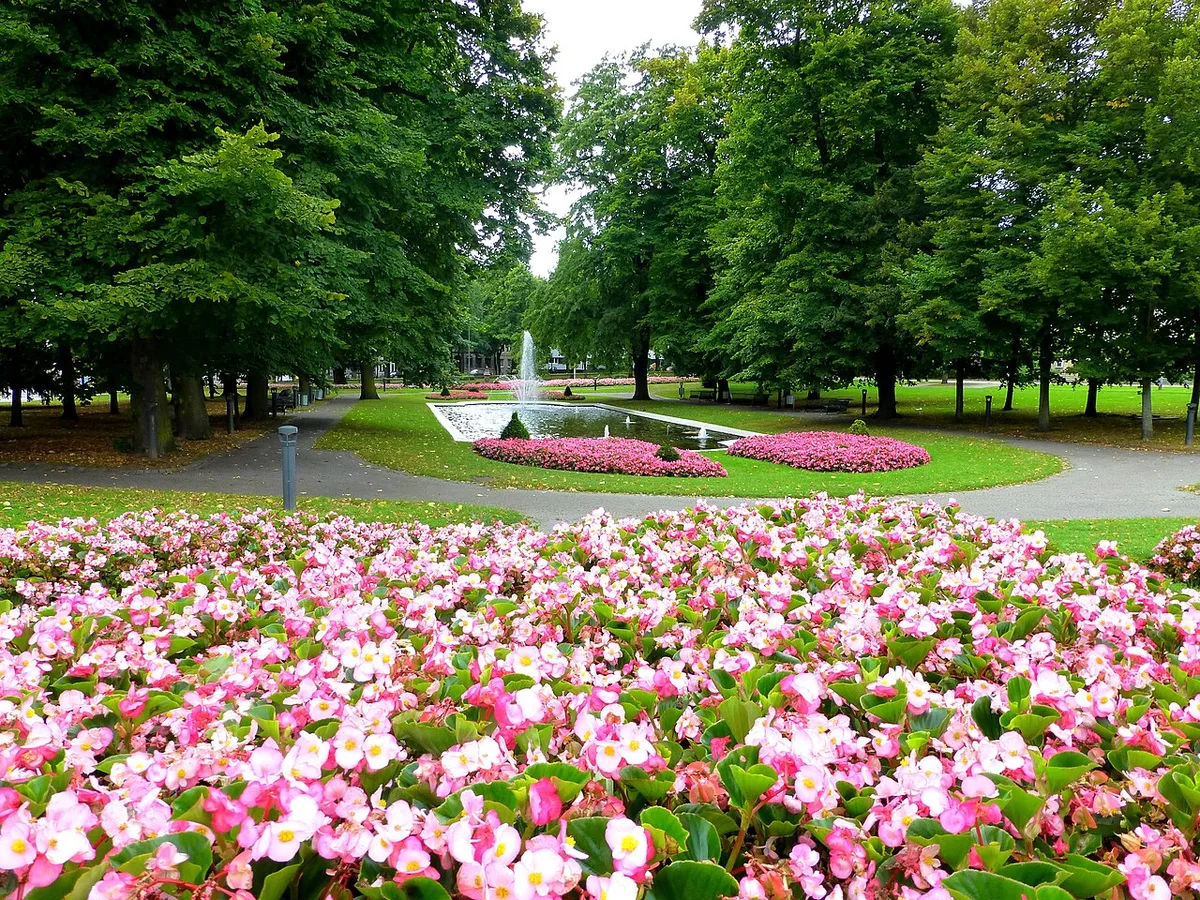
Aachen's own tourism listings include an entry named Kurpark at Dammstraße 40, which confirms that a green space under that name exists in the city's records. What those listings do not provide is any description of size, features, entrances or facilities. That gap is the reason this guide does not describe a layout, a concert shell or a performance calendar.
The practical consequence is simple: plan the Kurpark as a short, low-commitment stop and build the rest of your day around places with published visitor information. If the park turns out to be a quiet neighbourhood green rather than a showpiece, you have lost twenty minutes, not an afternoon. If you want certainty first, contact the tourist service centre before your trip and describe exactly what you need to know.
Documented Green Spaces You Can Plan Around
The Stadtgarten is the strongest documented park in the spa quarter, a landscape-architecturally designed urban park between Monheimsallee, Jülicher Straße, Robensstraße, Passstraße and Rolandstraße. Its recorded history is unusually specific: a hospital garden from 1852 was transformed into a spa park from 1916, later joined by the Farwickpark and the former Güldenplan. It covers roughly 2.3 hectares around the elevated Wingertsberg, and the Neues Kurhaus sits at its edge.
The Elisengarten is the second anchor, a small park in the city centre on the rear side of the Elisenbrunnen, laid out between 1852 and 1854 to plans by the Prussian garden designer Peter Joseph Lenné. Because it sits directly behind the fountain colonnade, it combines naturally with the Elisenbrunnen visit rather than requiring a separate trip. Expect a compact garden, not a sprawling landscape park.
Frankenberger Park in the Frankenberger Viertel appears in third-party listings with an address at Bismarckstraße 55 and stated daily hours of 6am to 10pm, but that page is not an operator source. Use those hours only as a rough indication and confirm them locally before you build a morning around them. The Aachen tourist board also lists Kennedypark and the Von-Halfern-Park in its activities directory if you want more options.
Reading the Spa Quarter on Monheimsallee
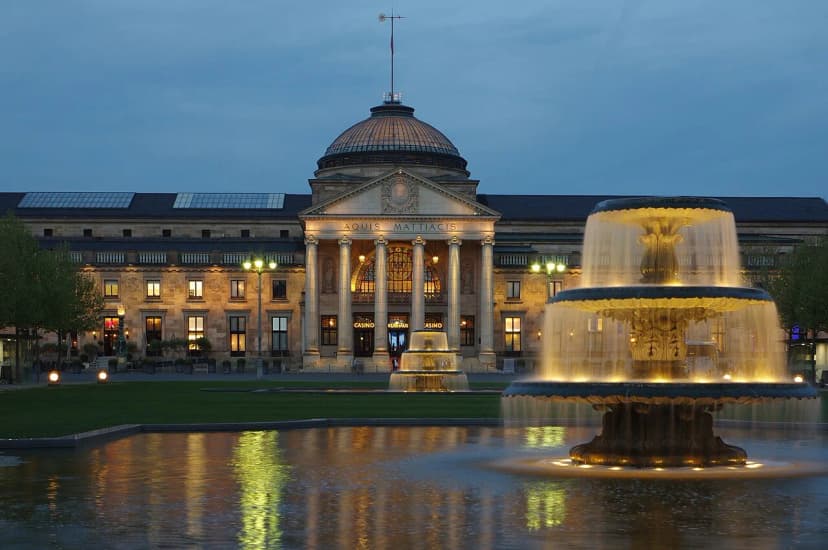
The Neues Kurhaus on Monheimsallee is the clearest surviving statement of Aachen's spa ambitions: a neoclassical building constructed between 1914 and 1916, listed as a monument, and positioned deliberately at the edge of the Stadtgarten. That pairing of building and park is the actual spa ensemble, and it is the part of the story the city's own heritage records support. Walk the Monheimsallee frontage first, then enter the park behind it.
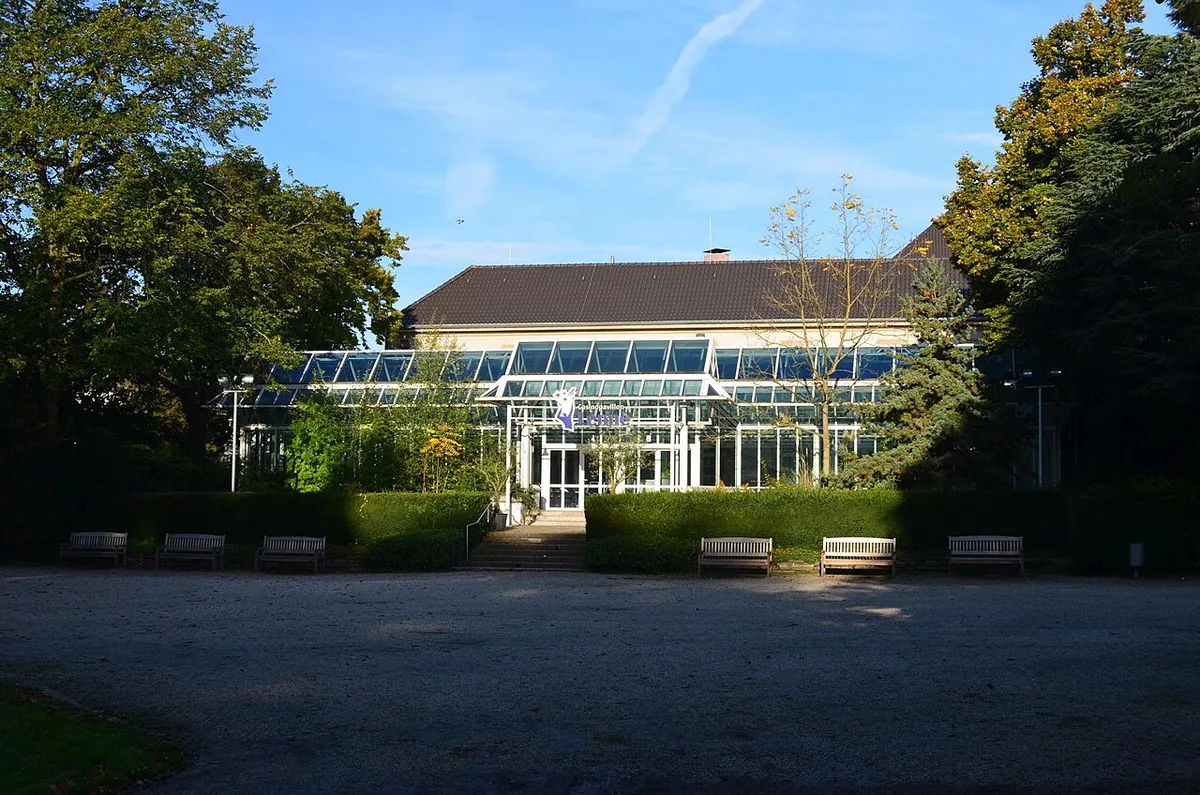
The older counterpart, the Altes Kurhaus at Komphausbadstraße 19, was built between 1782 and 1786 to designs by Jakob Couven as a New Redoute and an extension of the neighbouring Alte Redoute. It belongs to the same tradition but sits in the old town, not on Monheimsallee, so plan it as a separate stop during a city-centre walk. Both buildings are listed, and neither should be confused with the other.
A word of caution about what a building name promises: a historic Kurhaus does not automatically mean a public interior you can wander into. Neither the old nor the new Kurhaus is documented here as a general-admission visitor attraction, so check current use and access before making it a destination. Read them as architecture you admire from the street while the park does the work of the stop.
Elisenbrunnen, Thermal Water and the Info Point
The Elisenbrunnen is the spa story made tangible: a neoclassical pavilion first built in 1827 whose fountains still run with sulfurous water. The city's own information point stands directly beside that historic fountain, and people still fill containers with the thermal mineral water for personal use. Expect the smell of sulfur to be part of the experience, not a fault in the plumbing.
The Tourist Info at Friedrich-Wilhelm-Platz is the single most useful stop for this kind of trip, because it can answer the questions the park listings cannot. The tourism board publishes both a service-centre schedule and a visitor-centre schedule, and the visitor centre shortens its weekday hours between early January and the end of March. Check the current version of those hours before relying on them, and note that the service centre is closed on public holidays.
The same office runs public guided walks, including old-town tours in German and English as well as evening strolls, which is a low-effort way to cover the historic core if your time is short. Departure point and current dates are published by the tourism board rather than fixed here, so confirm the schedule when you arrive. If you only want the fountain and the garden, you can skip the tour entirely and still see the essentials.
A Spa-City Half Day, With a Suggested Duration
Here is a suggested route, not an official itinerary: start at the Elisenbrunnen, read the colonnade and the fountain, then drift into the Elisengarten behind it. Cross the old town past the Markt and the Rathaus, and finish with a slow loop of the Stadtgarten and the Monheimsallee frontage of the Neues Kurhaus. Allow roughly three to four hours at an unhurried pace, including a coffee stop; that duration is our suggestion, not a published standard.
If you want to fold in the Kurpark at Dammstraße 40, treat it as an optional extension rather than a fixed leg, because no source confirms what you will find there. Check its position relative to your other stops on a current map before walking over, and be ready to drop it if the day is running short. Aachen is compact enough that this flexibility costs you very little.
Two practical habits make this kind of day work. First, verify hours on the day for anything with a door, because church services, concerts and private events can change cathedral access at short notice. Second, keep one indoor fallback in reserve, since a spa-city walk is mostly outdoors and Aachen's weather does not consult your schedule.
Free Grounds and Paid Interiors
Aachen's headline sight is free to enter: admission to Aachen Cathedral costs nothing, and it is explicitly open to everyone as a place of worship. What is not free is the choir and the Hochmünster with the imperial throne, which are accessible only as part of a guided tour. Build your budget around that distinction rather than assuming one ticket covers the cathedral complex.
The Cathedral Treasury is a separate, ticketed collection with its own opening pattern: it opens Monday from 10am to 2pm and Tuesday to Sunday from 10am to 6pm, and tickets are sold in person at the Cathedral Information Centre. Individual adult admission is listed at 8,50 euros, with a reduced rate of 4,50 euros for pupils, students, trainees and holders of a severely disabled pass, and an audioguide available for 2 euros.
The Suermondt-Ludwig-Museum is the other paid interior worth knowing about, housed in the former Villa Cassalette on Wilhelmstraße and reachable by several city bus lines, with combination bus-and-museum tickets available through the regional operator. Its published fee schedule applies from 01.03.2026, and standard entry is listed at 10 euros with concessions at 6 euros, so check the current schedule rather than an older page.
Getting Around and Confirming Park Details
Aachen sits in western Germany close to both the Belgian and Dutch borders, and the historic core is genuinely walkable, which is why the fountain-to-park route above works on foot. Museum arrival pages list specific bus lines and nearby car parks rather than walking distances, so check those if you are coming from outside the centre. Do not assume a single ticket or pass covers every museum in the city.
Third-party park listings are the weakest link in planning this kind of day. The Frankenberger Park page supplies an address and stated daily hours but is not an operator source, and it also lists tram and bus lines that should be re-checked against the local transport operator before you travel. When a listing and an official page disagree, trust the official page.
For the Kurpark specifically, the honest position is that the city's visitor directory confirms the name and the Dammstraße 40 address but publishes no opening hours, no facilities and no event programme. Check the city and tourism websites, or ask at the Tourist Info, before treating it as a fixed stop. If you want guaranteed greenery instead, the Stadtgarten and the Elisengarten are the documented choices.
Plan Your Spa-City Visit
Aachen rewards a plan built on confirmed details: the Elisenbrunnen and its sulfurous fountains, the Elisengarten behind it, the Stadtgarten and the Neues Kurhaus on Monheimsallee. The Kurpark at Dammstraße 40 belongs on the list, but as an open question rather than a headline. Confirm it with the tourist service before you commit a morning to it.
Budget the day around the free-and-paid split, keeping cathedral entry free while treating the treasury and the Suermondt-Ludwig-Museum as separately ticketed interiors. Check the cathedral's current-week hours before travelling, since services and concerts can change access at short notice. Then leave room in the schedule for the spa-quarter walk itself, which is the part of Aachen that needs no ticket at all.
Frequently Asked Questions
Is there a Kurpark in Aachen, and what is there to see there?
Aachen's own tourism listings include an entry named Kurpark at Dammstraße 40, so a green space under that name is recorded in the city's directory. Beyond the name and address, the published listings describe no features, facilities, layout or programme. Treat it as an unconfirmed stop and ask the tourist information service what it currently offers before you build time around it. If you want documented greenery, the Stadtgarten and the Elisengarten are the safer choices.
Are Aachen's parks and green spaces free to enter?
Public parks such as the Stadtgarten and the Elisengarten are open city spaces, and cathedral admission is free as well, since the cathedral is a working church open to everyone. Paid interiors are the separate cases: the Cathedral Treasury and the Suermondt-Ludwig-Museum charge admission, and the cathedral's choir and Hochmünster are accessible only on a guided tour. Always confirm current admission details with each operator, because fee schedules are updated.
How do I combine the Elisenbrunnen area with a park visit in one walk?
Start at the Elisenbrunnen and its sulfurous fountains, step into the Elisengarten immediately behind the pavilion, then cross the old town towards the Markt. Continue to the Stadtgarten and the Monheimsallee frontage of the Neues Kurhaus for the spa-quarter landscape. This is a suggested route rather than an official one, so check the map on the day and adjust for closures or events.
What are the opening hours of the Tourist Info at Elisenbrunnen?
The tourism board publishes two schedules, one for its service centre and one for the visitor centre at Friedrich-Wilhelm-Platz. The visitor centre shortens its weekday hours between early January and the end of March, so the schedule you saw in summer may not apply in winter. Check the current hours on the tourism board's website or by phone on the day, and note that the service centre is closed on public holidays.
Which Aachen attractions are free and which require a ticket?
Cathedral entry is free, and the cathedral treasury and the Suermondt-Ludwig-Museum are separately ticketed, with the latter publishing a fee schedule that applies from 01.03.2026. Guided cathedral tours that include the choir and Hochmünster are paid, and the treasury has its own ticket bought in person at the Cathedral Information Centre. Parks such as the Stadtgarten and the Elisengarten are open public spaces rather than ticketed sites.
How long should a spa-park walk in Aachen take?
A suggested duration for the fountain-to-park route, including the Elisengarten, the old town and the Stadtgarten, is roughly three to four hours at an unhurried pace. That figure is our recommendation, not an official visiting time, and it assumes you stop for a coffee. If you add the Kurpark at Dammstraße 40, allow extra time only after confirming what is there.