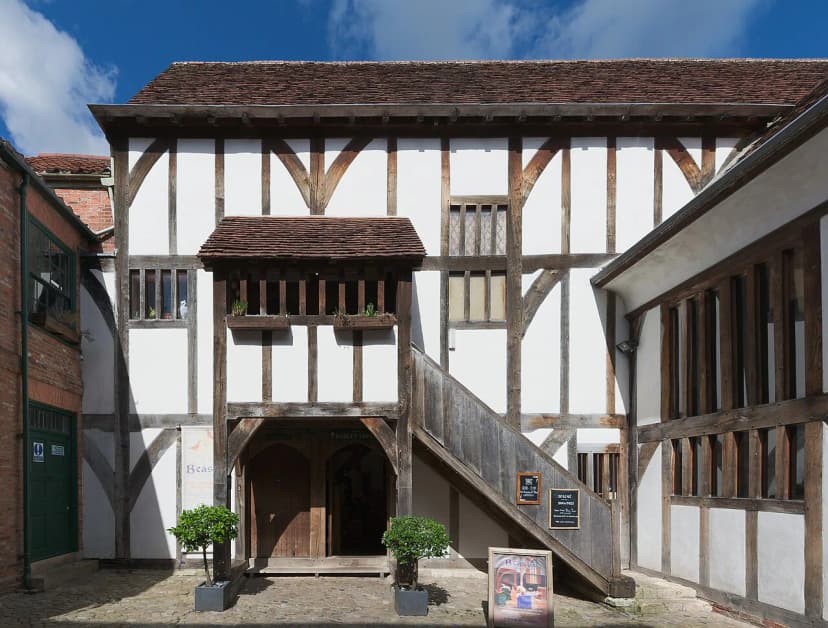
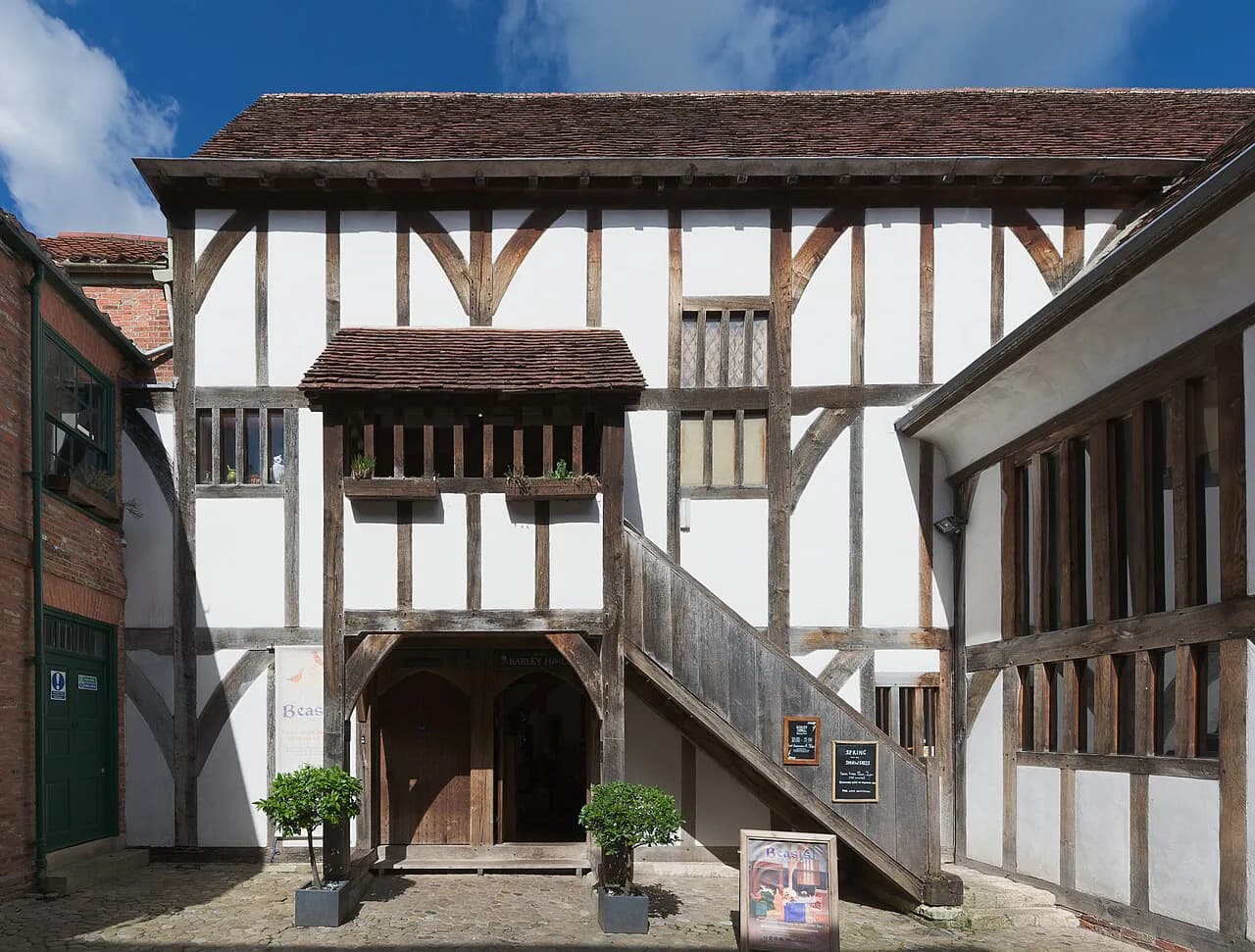
Last updated September 2026, this guide covers hidden museums in York that rarely make a first-time itinerary. Beyond the Minster and the queues outside Jorvik Viking Centre and the National Railway Museum, medieval towers, guildhalls, and a working windmill wait nearby. For more overlooked corners across the city, see the companion guide to off-the-beaten-path York.
The Best Hidden Museums in York: A Quick Summary
Travelers who have already covered the National Railway Museum, Jorvik Viking Centre, and York Castle Museum find a second layer of history waiting nearby. Many spend an entire day near York Minster and never see the smaller collections just a few streets away. Each entry lists expected time on-site and access notes. That makes it easy to plan a short loop around opening days.
| Site | Time Needed | Access Notes | Niche Interest |
|---|---|---|---|
| Fishergate Postern Tower | Quick stop | Spiral stairs; not step-free | Military and defensive history |
| Monk Bar | Quick stop | Stairs to upper floors; not step-free | Medieval gate life and portcullis mechanics |
| Kentmere House Gallery | Longer browse | Domestic-scale rooms; ask about step-free access | Arts and Crafts design and painting |
| York Art Gallery Store | Longer browse | Guided visits; ask about step-free access | Fine-art storage and conservation |
| Holgate Windmill | Quick stop | Milling floors; ask about step-free access | Working industrial heritage |
| Merchant Taylors' Hall | Quick stop | Ground-floor hall | Guild and merchant history |
| Bedern Hall | Quick stop | Ground-floor hall | Guild and civic history |
- Fishergate Postern Tower: a spiral staircase, 81 mason's marks, and a preserved medieval latrine.
- Monk Bar: the tallest of York's gates, with a working portcullis and a tiny medieval loo.
- Kentmere House Gallery: an Arts and Crafts house-turned-gallery on Bishopthorpe Road.
- York Art Gallery Store: a vault holding roughly 900 paintings not usually on public display.
- Holgate Windmill: York's last working windmill, restored and run by volunteers.
- Merchant Taylors' Hall: a guildhall in continuous use since 1415.
- Bedern Hall: built in 1370 for vicars choral, now a restored civic hall.
Medieval Strongholds: Fishergate Postern Tower and Monk Bar
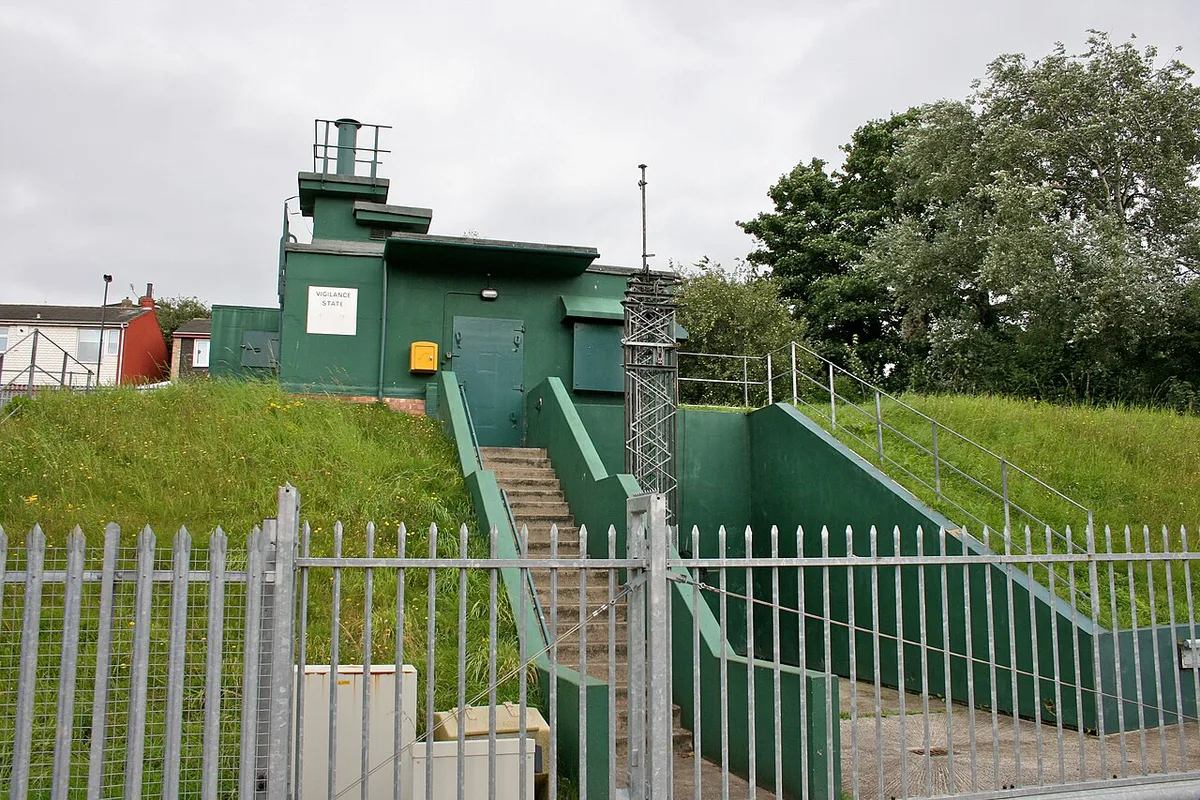
Fishergate Postern Tower guards a stretch of York's city walls near Castlegate and Walmgate. Climb its spiral staircase to count the 81 mason's marks cut into the stone by the builders. A preserved medieval latrine survives near the top of the tower. Monk Bar, the tallest of the city's gates, still operates a working portcullis and keeps its own tiny medieval loo intact. Stairs are unavoidable at both towers, so anyone with mobility limitations should contact the operator before visiting.
Secret Art Collections: Kentmere House Gallery and the York Art Gallery Store
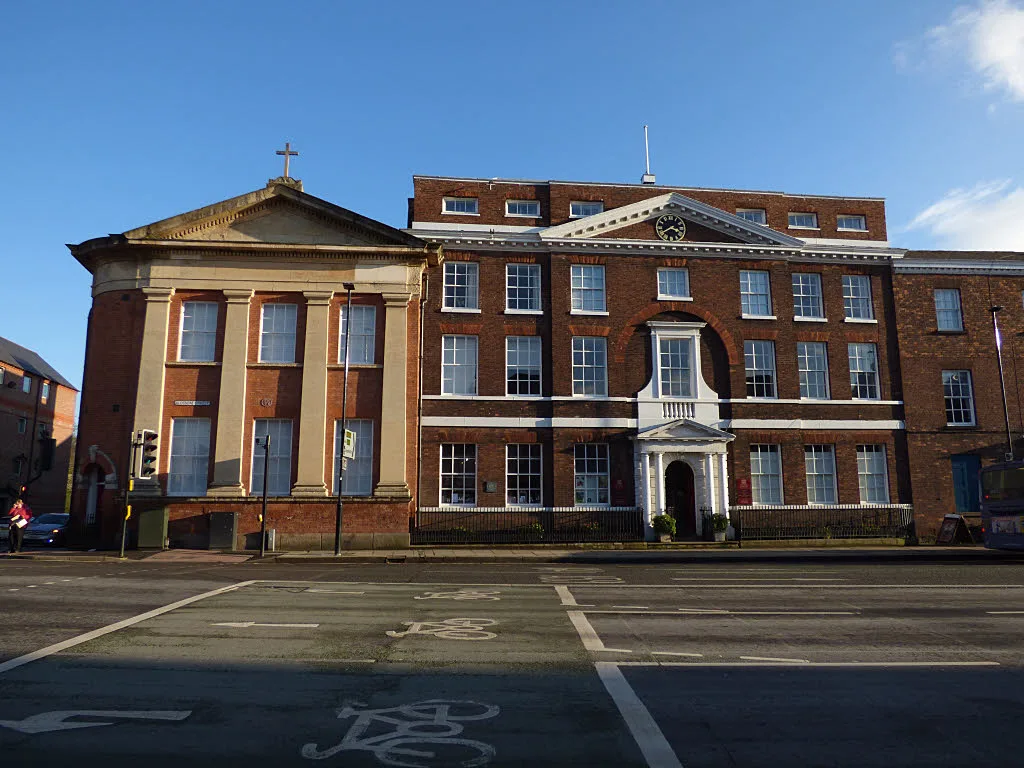
Kentmere House Gallery occupies an Arts and Crafts house on Bishopthorpe Road, in the same South York pocket covered by the Bishophill and Clementhorpe guide. Sloping ceilings and a Lakeland slate roof give it the feel of an artist's home, with paintings tucked into nearly every room. Across the river, the York Art Gallery Store keeps roughly 900 paintings that aren't on public display, arranged behind the scenes near the Museum Gardens. Visits typically run as guided tours booked through York Museums Trust. That same trust also manages the neighboring Yorkshire Museum and its gardens nearby.
Industrial Heritage: Holgate Windmill and York's Cocoa Works Echoes
Holgate Windmill is York's last working windmill, its sails turning again thanks to a dedicated group of volunteers. Milling and open days depend on that volunteer schedule, so check the preservation society's listings before making a special trip. York's chocolate history survives in fragments rather than one museum. Terry's former factory clock tower once timed shifts for thousands of workers via its chiming bell, and the Rowntree-era Cocoa Works building on Haxby Road is now apartments. Both normally sit outside public access, opening mainly during scheduled festival weekends. Nearby on Haxby Road, the Joseph Rowntree Memorial Library carries cocoa-pod carvings from the factory's Arts and Crafts era. Just down the road, the 1930s Joseph Rowntree Theatre runs occasional backstage tours behind its Art Deco interior.
The Guildhalls: Merchant Taylors' Hall and Bedern Hall
Merchant Taylors' Hall has stayed in continuous use as a guildhall since 1415, its oak beams and merchant crests intact. Bedern Hall dates to 1370, when it was built for the vicars choral. It later served as a bakery and even housed slum tenements before restoration returned its medieval floor tiles to view. St Anthony's Hall, nearby, followed a similar arc: medieval guild headquarters, then a Victorian theatre, now a modern archive under its original timbered roof. Both working guildhalls usually mean a scheduled tour or an open-doors event rather than daily walk-in hours.
Planning Your Visit: Opening Hours and Limited-Access Alerts
Most of these museums are run wholly or partly by volunteers, which means published hours can shift with the season. York Unlocked access itself is free, so the main cost to plan for is standalone admission at sites that charge outside the festival window. None of these attractions publish one shared fee, so checking each operator's own page before a visit is the safest way to budget. A second seasonal scheme, Heritage Open Days, sometimes opens a handful of the same buildings on a different weekend, though the exact lineup shifts from year to year. Towers and windmills are the least accessible category on this list; art galleries and guild halls at ground level tend to be the easier alternative for anyone avoiding stairs. The Bar Convent Living Heritage Centre follows a similar pattern: it pairs a heritage centre with a café, sits away from the main tourist drag, and is easy to miss despite its age.
Fishergate Postern Tower displays 81 mason's marks on its spiral staircase, illustrating both medieval craftsmanship and why towers rank as the least accessible stops on the list.
- Confirm the day's opening hours directly with the site — volunteer-run museums don't always keep the same schedule week to week.
- Book ahead for guided visits such as the York Art Gallery Store, since slots can fill before a walk-up visit is possible.
- Check whether a site needs a separate York Unlocked ticket or allows normal walk-in access outside the festival.
- Carry cash or a card for small donation boxes at sites without a staffed till.
- Wear flat, sturdy shoes for spiral stairs and uneven medieval floors.
Walking Route: A Hidden History Itinerary Through York
This route links most of the sites above into one loop, saving the backtracking for Kentmere House Gallery and Holgate Windmill, which sit further out. Use the city's snickelways to cut between stops instead of the main tourist streets.
- Fishergate Postern Tower, in the Castlegate and Walmgate area, as the first stop.
- Monk Bar and the city walls, heading east from the tower.
- Merchant Taylors' Hall and Bedern Hall, both a short walk from Monk Bar.
- York Art Gallery Store, near Bootham and the Museum Gardens.
- A break at a quiet pub near the old walls before continuing.
- Kentmere House Gallery, across the river on Bishopthorpe Road, as a separate leg.
- Holgate Windmill and neighboring West Bank Park, paired together if time allows.
Mistakes to Avoid: Don't Get Caught by September-Only Access
The biggest planning mistake is assuming every site on this list keeps regular public hours. Several only open for the York Unlocked festival weekend or a handful of dates set by their own volunteers each year. Booking windows can move fast: the 2025 festival opened ticket bookings on Friday 15 August at 10am for its most popular tours. Organizers hadn't confirmed 2026 dates for York Unlocked at the time of writing, so check the festival's own site before building a visit around it.
Merchant Taylors' Hall, in continuous use since 1415, and Bedern Hall (dating to 1370) function as working guild spaces rather than daily visitor attractions, requiring tours or event attendance.
- Treating Holgate Windmill as a guaranteed daily stop — its open days follow a volunteer schedule, not a fixed calendar.
- Skipping ahead-of-time booking for the York Art Gallery Store and other guided tours, which can fill before walk-up visitors arrive.
- Assuming Merchant Taylors' Hall and Bedern Hall are open to browse anytime — both function as working guild spaces most of the year.
- Ignoring the stairs at Fishergate Postern Tower and Monk Bar before confirming mobility needs with the site.
Use York’s Snickelways Between Museum Stops
York’s snickelways make the central stops feel less like a standard sightseeing circuit. They are narrow pedestrian passages, so use them for short links rather than relying on them as a fully signed route.
- From Monk Bar, follow Goodramgate and use Lady Peckett’s Yard to reach High Petergate near the Minster.
- For Merchant Taylors’ Hall and Bedern Hall, return toward Goodramgate, then continue through the quieter streets around Aldwark and St Andrewgate.
- From the guildhalls, take Grape Lane or Little Peculiar Lane toward Stonegate, then head north to York Art Gallery and Museum Gardens.
These passages can be narrow, uneven, and easy to miss after dark. They are unsuitable for wheels in places, and some have steps or tight turns. Keep a map open and use the main streets when moving between timed tours. The longer walks to Kentmere House Gallery and Holgate Windmill are better done on pavements and signed cycle routes than through the historic lanes.
Frequently Asked Questions
What are the best hidden museums in York?
Strong picks include Fishergate Postern Tower, Monk Bar, and Kentmere House Gallery. The York Art Gallery Store and Holgate Windmill add art and industrial history. Merchant Taylors' Hall and Bedern Hall bring guild history into the mix. Each one sits outside the routes covered by the National Railway Museum, Jorvik Viking Centre, and York Castle Museum.
Is York Unlocked the only way to see these hidden museums?
No — some, like Kentmere House Gallery and Holgate Windmill, keep their own separate open days outside the festival. Others, including Merchant Taylors' Hall and Bedern Hall, function as working guild spaces and are hardest to see outside York Unlocked or a scheduled tour.
How much time should I plan for York's hidden museums?
Most of these stops are quick, so three or four fit comfortably into one afternoon. Kentmere House Gallery and the York Art Gallery Store reward a slower visit, since both reveal more with time to look closely.
Are York's hidden museums wheelchair accessible?
Not consistently. Fishergate Postern Tower and Monk Bar both involve stairs with no step-free route, and the sources reviewed for this guide don't confirm step-free access at the others. Contacting each site directly before visiting is the most reliable option.
When does York Unlocked happen in 2026?
Exact 2026 dates weren't confirmed at the time of writing. The 2025 festival ran on the weekend of 27 to 28 September, so a similar late-September weekend is a reasonable planning assumption. Confirm the final dates on the festival's own site before booking travel.