Hidden Gems in London Travel Guide
Explore hidden gems in London, from free museums to quiet gardens and hidden temples, with 2026 prices, hours, and planning tips for a smoother trip.
Read guide →London travel guides for 2026: itineraries, day trips, hidden gems, museums, free things to do and city-pass advice — every London planning guide in one hub.

Everything we've published on visiting London, in one place: 19 trip-planning guides covering itineraries and trip length, when to visit, where to stay, day trips, hidden gems, the best viewpoints, museums, restaurants and shopping, family and rainy-day options, and honest advice on city passes. Each guide is written for a specific decision you make while planning a trip to London, United Kingdom.
Looking for individual landmark tickets, opening hours and worth-it advice? See our London attractions hub, with 14 dedicated visitor guides.
For most first-time visitors, 3 to 4 days is the sweet spot — enough to cover the landmark circuit around Big Ben, the Tower of London and Buckingham Palace without turning the trip into a forced march. Our trip-length guide breaks the decision down by traveler type, from a one-day layover sprint that forces hard cuts to a five-plus-day stay that opens up neighbourhoods, deeper museum time and a day trip. Once you've settled on a length, the day-by-day plans do the sequencing for you: the three-day itinerary is the one most readers end up using, with one-day and two-day versions below for shorter stays. The honest rule underneath all of them: London punishes itineraries that criss-cross the city, so each day should own one riverbank or one cluster of neighbourhoods.
May, June and September routinely deliver the strongest mix of long daylight, blooming Royal Parks and shorter queues than the school-holiday months bring — the full season-by-season case is in our best time to visit London guide. Timing also decides what you can even see: the State Rooms at Buckingham Palace open to visitors only from 9 July to 27 September in 2026, with adult tickets at £33, while Westminster Abbey drops its adult ticket to £27.13 from 25 June to 1 September before it reverts to £31 for the rest of the year. If your dates are flexible, shoulder season trades a few degrees of warmth for calmer landmarks and lower Zone 1 hotel rates.
Neighbourhood choice shapes a London trip more than hotel choice does. Our where to stay guide compares seven areas by vibe, nearest Tube lines and typical cost tier — from first-time-friendly Covent Garden, where the West End and the river are walkable, to budget-conscious bases near Stratford with fast rail links into the centre. Match the base to the trip: theatre-heavy stays want the West End, museum-first families do better in South Kensington, and light sleepers should read the fine print on Soho before booking.
The London Pass costs about £89 for one day, £144 for three days and roughly £214 for the ten-day version, and whether that math ever works for your itinerary is exactly what our London Pass review tests before giving a verdict. The reason many trips don't need it: an unusual share of world-class London is free. General admission to the British Museum costs nothing, with doors open daily from 10:00 to 17:00 and until 20:30 on Fridays, and the Natural History Museum's permanent galleries are free as well. The free things to do guide assembles ten of these — museums, Roman ruins, markets and viewpoints — into routes that cost only Tube fare.
Where London does charge, it charges seriously, and booking online is consistently cheaper than walking up. The Tower of London runs £37.00 for adults (£40.70 with the optional Gift Aid donation), and it rewards a full half-day if you care about the Crown Jewels. The London Eye is the starkest online-versus-walk-up case: £25–26 on quieter dates booked ahead against a £39 box-office rate for the same 30-minute rotation. For skyline views with dynamic pricing, The View from The Shard starts at £19 per person on the cheapest slots and climbs to £48 for the all-inclusive champagne experience. St Paul's Cathedral charges £24 during the summer savings window (25 June–1 September) and £27 for the rest of the year, opening at 8:30am Monday to Saturday — book the first slot if you want the dome galleries without a queue. History-focused visitors should also budget for the Churchill War Rooms, where adult admission is £34 online and children aged 5–15 pay £17, and royal-watchers can add Kensington Palace, open Wednesday through Sunday with adult tickets from £24.70 online. Tower Bridge's walkways, by comparison, are one of the cheaper paid tickets in the centre at £18.00, dropping to £15.80 in the same summer window.
London's top tables now fill within minutes of releasing reservations, so if a special dinner matters, book it the day your travel dates are fixed — our best restaurants guide covers Michelin-recognized rooms, neighbourhood caffs and the booking apps that actually work. Shoppers should plan around Sunday trading limits and Saturday crowds; the district-by-district shopping guide maps Oxford Street's flagships, Mayfair's boutiques and Shoreditch's concept stores into walkable routes. After dark, the city splits into West End shows, rooftop viewpoints and jazz clubs — the London at night guide ranks ten options with prices, hours and late-transport notes.
When the centre is done, the day-trip math is friendly: Windsor runs £15–£20 return by train, Oxford and Cambridge £25–£35 return, and the Harry Potter Studio Tour sits at the top of the price range — the day trips guide compares them by train time, cost and crowds. The half-day option most first-timers miss is Hampton Court Palace: Henry VIII's actual home is 35 minutes away by train, with adult admission from £28.00 (rising to roughly £32.00 on peak dates), a 66-acre garden and the world's oldest hedge maze. And because at least one wet day is close to guaranteed, keep the rainy-day plan in your back pocket: indoor museums, bookable shows and dry walking routes that turn a washed-out afternoon into the best museum time of the trip.
Explore hidden gems in London, from free museums to quiet gardens and hidden temples, with 2026 prices, hours, and planning tips for a smoother trip.
Read guide →
Is the London Pass worth it in 2026? Compare real prices, savings math, and crowd tips, then get our honest verdict plus the best alternative.
Read guide →
Make the most of a one day in London itinerary with 2026 hours, realistic costs, and a walkable morning-to-night plan for first-time visitors.
Read guide →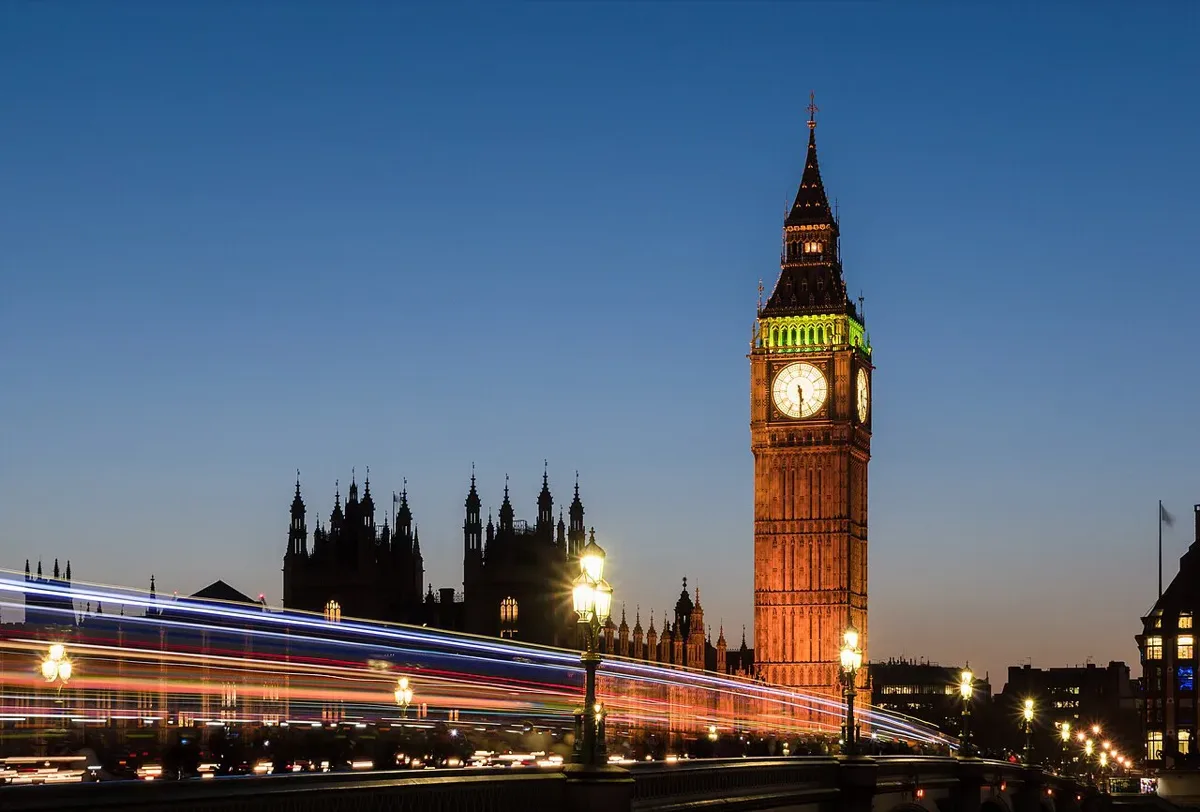
Planning 2 days in London? This itinerary covers Tower of London, Westminster, and Borough Market with 2026 prices and hours. Start planning today.
Read guide →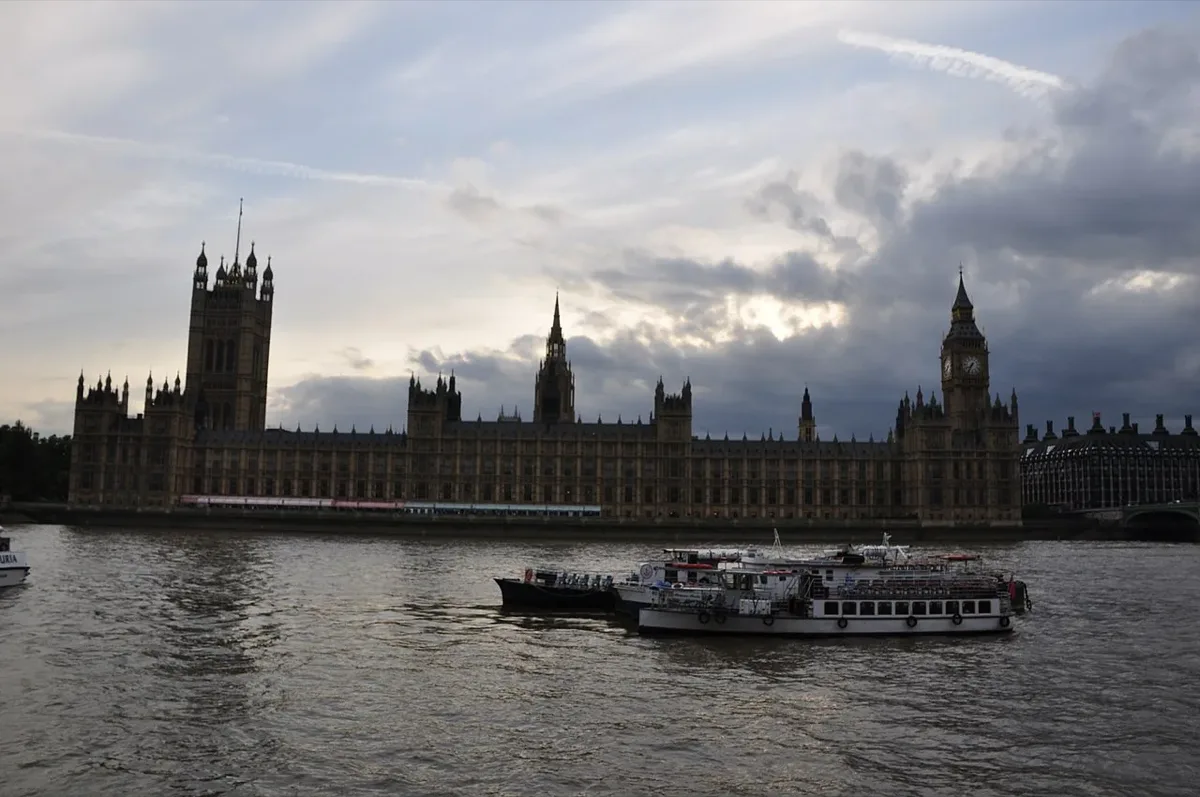
Plan the perfect 3 days in London itinerary for 2026: day-by-day stops, prices, opening hours, and booking tips for first-time London visitors.
Read guide →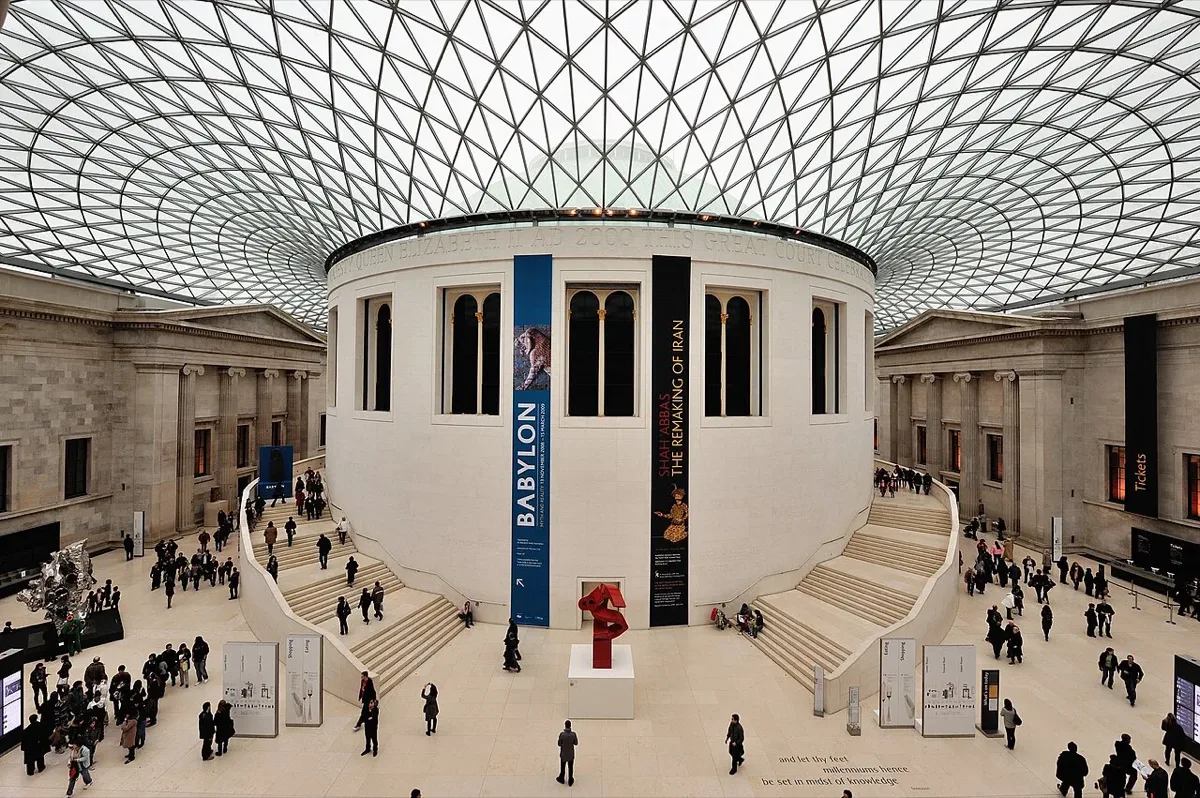
Discover the 10 best museums in London worth visiting in 2026, with entry prices, opening hours, and area tips to help you plan a smoother, stress-free trip.
Read guide →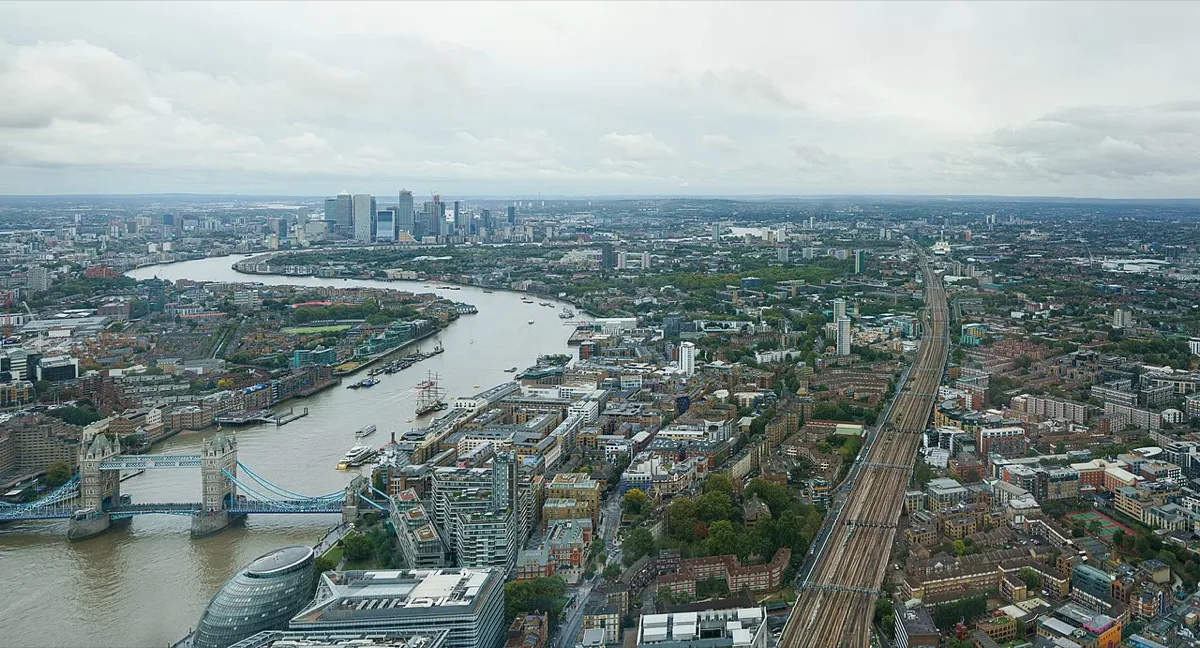
Discover the 10 best viewpoints in London for 2026, from free rooftop gardens to iconic towers, with prices, hours, and tips to skip queues.
Read guide →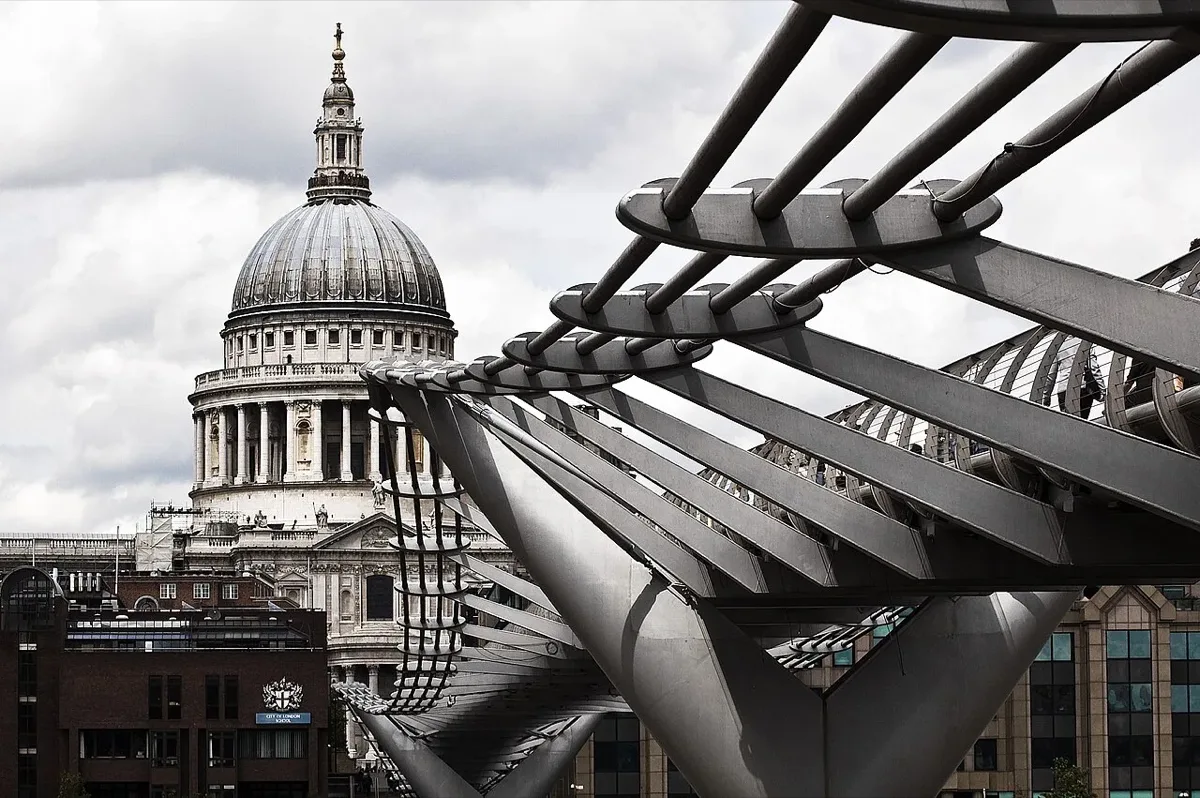
Discover the 12 best photo spots in London for 2026, from free riverside views to hidden courtyards, with real costs, hours, and timing tips.
Read guide →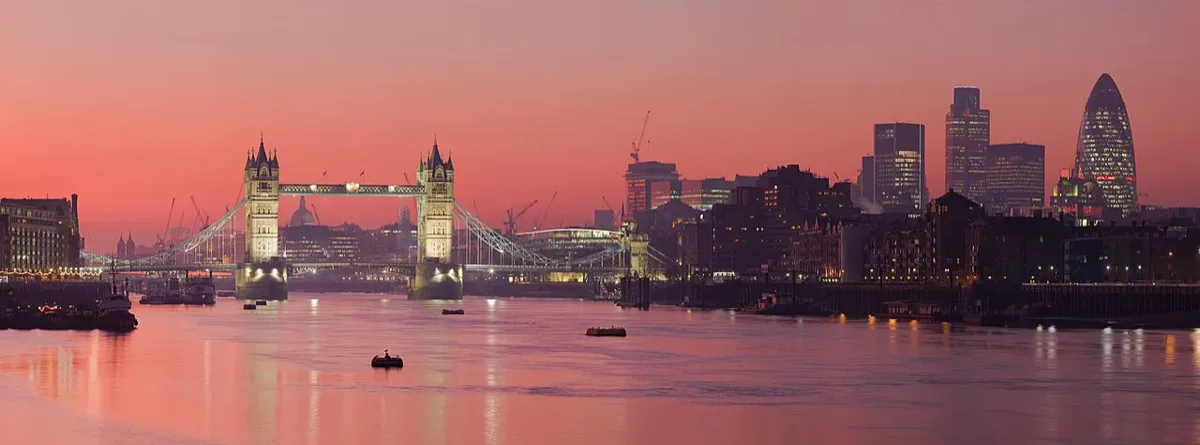
Discover where to watch sunset in London in 2026, from free hilltop viewpoints and riverside spots to rooftop bars with stunning skyline views.
Read guide →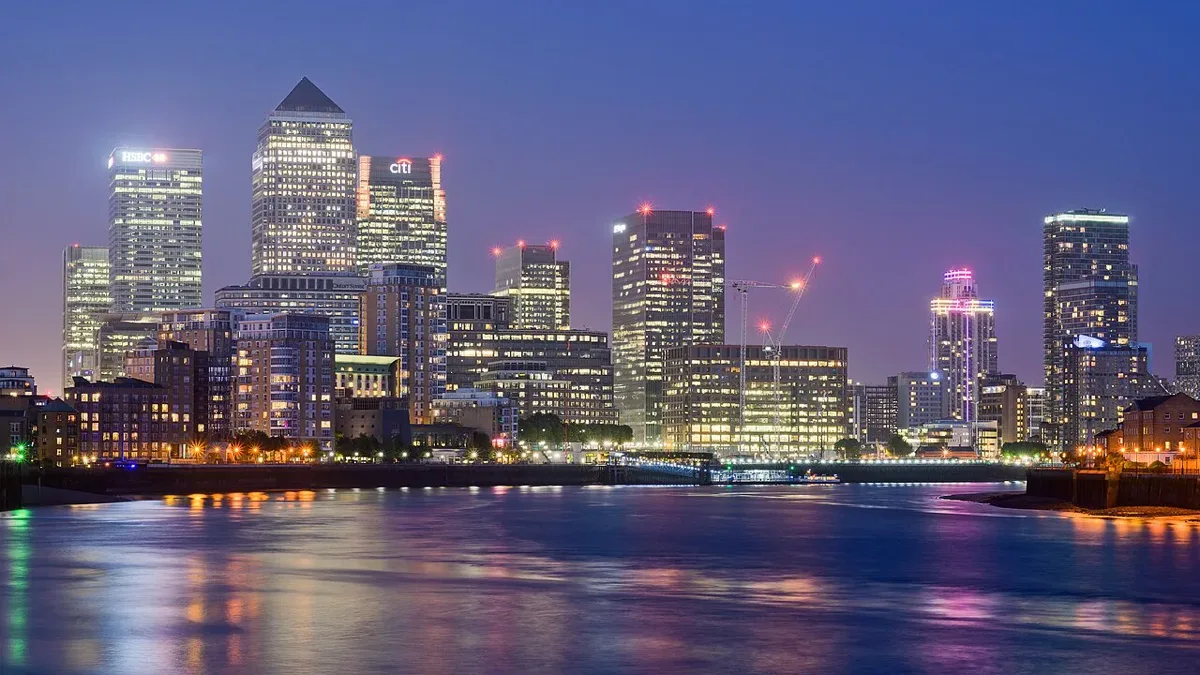
Discover 10 top things to do in London at night in 2026, from West End shows and rooftop viewpoints to jazz clubs, plus prices, hours, and safety tips.
Read guide →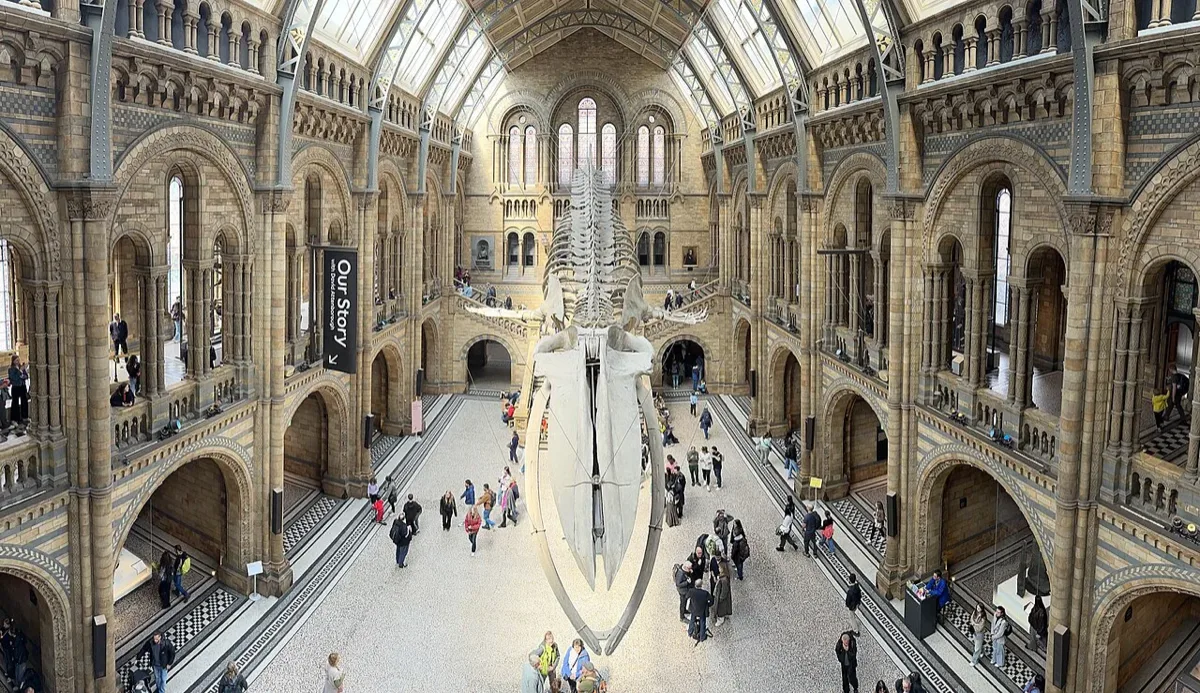
Planning a London with kids trip in 2026? Explore top attractions, bus tours, museum picks, parks, and afternoon tea ideas for a smoother family visit.
Read guide →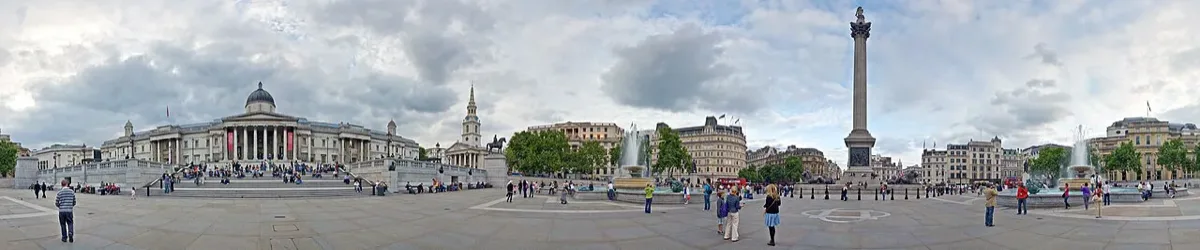
Discover 10 free things to do in London in 2026, from world-class museums to Roman ruins, with real opening hours, costs, and booking tips inside.
Read guide →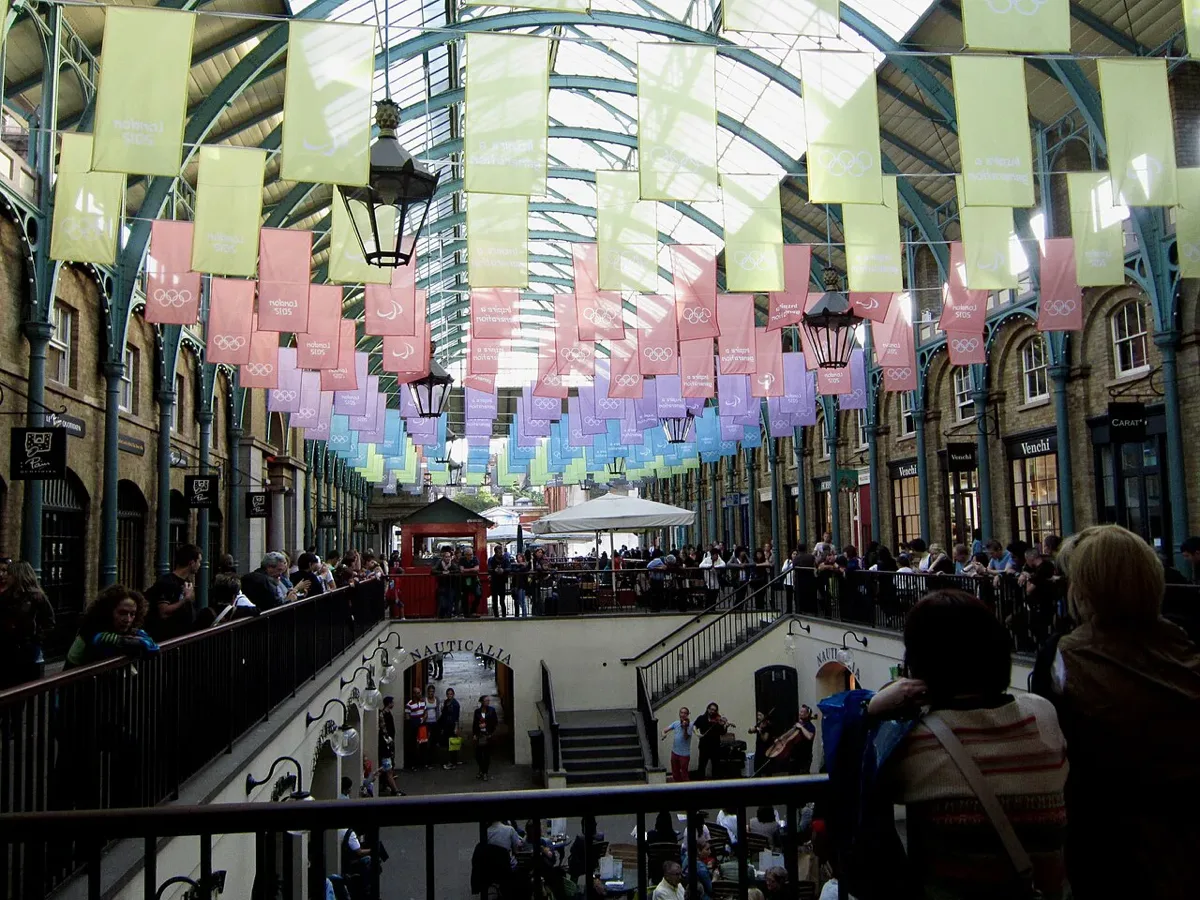
Plan London on a rainy day with indoor museums, bookable shows, family picks, and 2026 prices, hours, and dry-route tips for a smoother visit.
Read guide →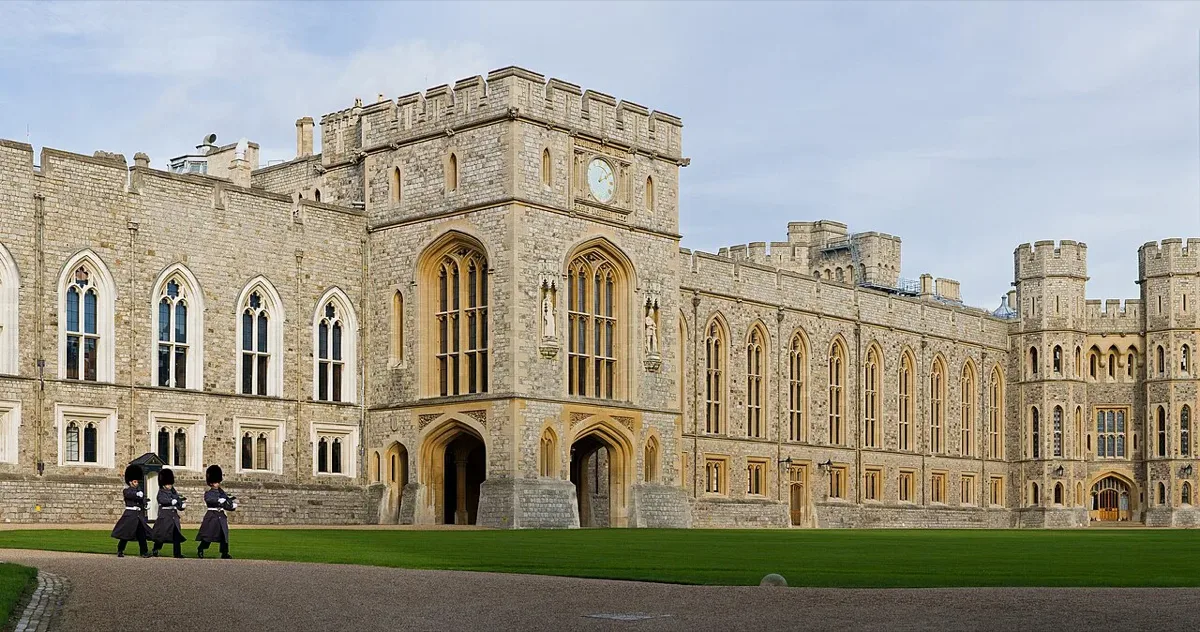
Planning day trips from London? Compare Windsor, Oxford, Cambridge and the Harry Potter Studio Tour by train time, cost and crowds for 2026.
Read guide →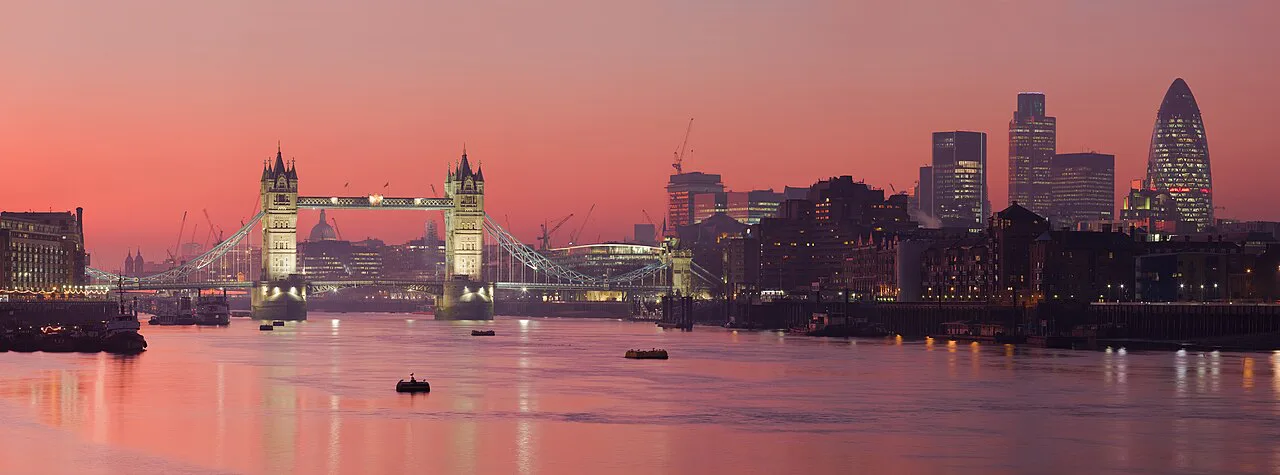
Find out how many days in London you actually need in 2026, from a 1-day layover sprint to a 5-plus day deep dive, with a trip-length decision matrix.
Read guide →
Find the best time to visit London in 2026, from May's blossoms to July's Wimbledon crowds, with season-by-season weather, prices, and crowd tips.
Read guide →
Where to stay in London in 2026: compare 7 neighborhoods by vibe, transit links, and cost to find the right base for your trip.
Read guide →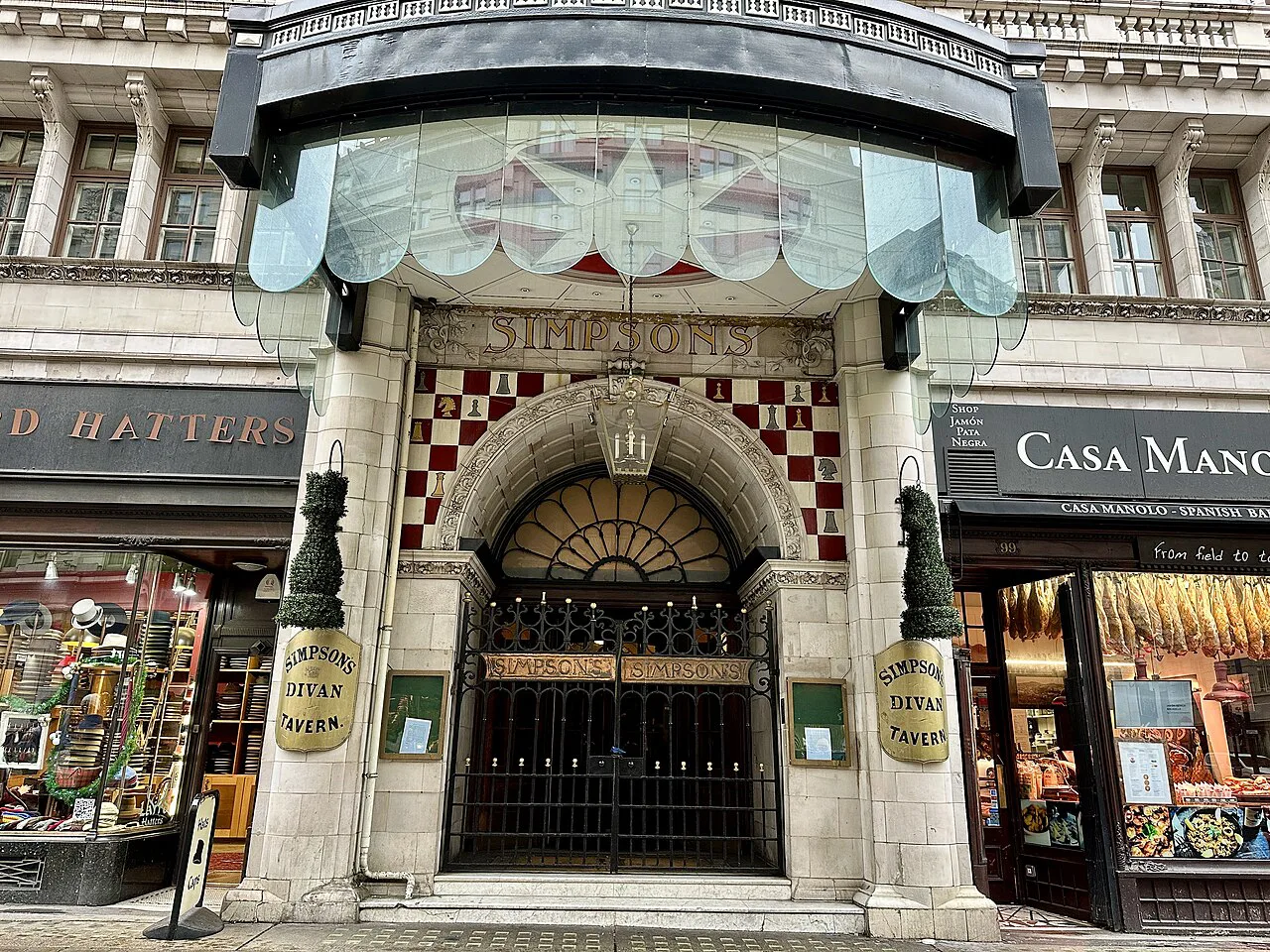
Find the 12 best restaurants in London for 2026, from Michelin-recognized dining rooms to neighborhood caffs, with booking apps and price tiers.
Read guide →
Plan shopping in London with this guide to Oxford Street, Mayfair, Knightsbridge, and Shoreditch, plus Sunday trading hours and crowd-avoidance tips.
Read guide →Keep exploring