

Last updated July 2026, and figuring out how many days in London you need starts with matching your list against the city's real scale, not a generic rule of thumb. Three to four days covers the landmark circuit for most first-time visitors, while one day forces hard cuts and five-plus days open up neighborhoods, museums, and day trips beyond the center. This guide breaks the decision down by trip length and traveler type, including where each pace forces a trade-off.
How Many Days in London Do You Need? The Short Answer
For most first-time visitors, 3 to 4 days is the sweet spot for covering major landmarks such as Big Ben, the Tower of London, and Buckingham Palace without exhausting the trip. One to two days works only as a frantic highlights sprint, and it means skipping most of what the city offers. Five to seven days suits museum lovers, neighborhood explorers, and anyone adding a day trip to Windsor, Oxford, or Bath. The rest of this guide breaks each option down by pace, cost, and what gets cut at each length.
What Changes the Math for Your Trip
London sprawls across dozens of distinct neighborhoods, so no visitor covers the whole city in a single weekend. Zone 1, the central area where most landmarks cluster, is compact enough to walk once you arrive. Reaching it from outer accommodation still eats into each day's sightseeing time. Three factors change how many days in London you should book: budget, museum interest, and who is traveling with you. The British Museum alone can absorb an entire afternoon, so a museum-heavy list needs more days than a landmarks-only one. Trip cost also depends on how spending splits between accommodation, transit, and paid attractions, so a museum-heavy list with premium tickets pushes the budget higher regardless of trip length. Kids need slower mornings and shorter transit hops than a solo traveler moving fast through Zone 1. Group size matters too: a family coordinating nap times and meal breaks covers less ground per day than one or two adults. Daily costs climb quickly, so every extra night adds accommodation and food expenses before a single attraction ticket.

Trip Length Decision Matrix
Match your available time against what each pace actually delivers before booking flights or hotels. The 3-day and 5-day rows are where most first-time visitors land, and the difference usually comes down to museum time and budget rather than landmark count. A 5-day trip doesn't add many new landmarks over a 3-day one; it adds room to slow down between them.
| Trip Length | Best For | Pace | Key Trade-off |
|---|---|---|---|
| 1 Day | Business travelers and layovers | Extreme sprint | Misses most of the city |
| 2 Days | Weekend breakers | Fast | Zone 1 only, no time for museums |
| 3 Days | Standard first-timers | Moderate to busy | The classic taster trip |
| 5 Days | Deep-divers and families | Relaxed | Higher accommodation cost, lower stress |
| 7+ Days | Slow travelers | Slow | Room for day trips into the countryside |
Who Each Trip Length Suits
Matching a travel profile to a trip length works better than picking a number first.

- Museum lovers: give yourself at least 5 days for unhurried time at the major collections. The museum-by-museum breakdown ranks which ones earn a half-day each.
- Photographers: budget dedicated golden-hour runs instead of squeezing them between landmarks. Check the camera-ready London locations list for framing ideas. Pair it with the elevated London viewpoints guide for skyline shots. Build one evening around the best sunset-watching spots.
- Families: add a rest day to any trip of 5 days or more. The family pacing guide covers slower routes for younger children.
- Shoppers: build in a dedicated afternoon if Oxford Street and Borough Market matter as much as the landmarks. The London shopping guide maps the main districts.
- Foodies and night owls: budget an extra evening per neighborhood for a proper restaurant list. Start with London's top-reviewed restaurants. Then check London's after-dark options for evening plans.
- Budget travelers: stretch a shorter trip further with the no-cost London activities guide.
The 1-Day Layover Sprint
One day in London forces a single route: the Westminster loop and nothing else. Start at Westminster Abbey, then walk toward Buckingham Palace. That walk covers 15 to 20 minutes on foot. Time it for around 11:00 AM for a chance at the Changing of the Guard. The schedule shifts seasonally, so confirm it before you go. Trafalgar Square and a fast pass by Big Ben round out what a single day allows. A full stop-by-stop version of this pace sits in the single-day London itinerary.
2 to 3 Days: The Essential London Trip
Three days is the standard first-timer trip. It covers the major landmarks plus one culture-focused day.
- Day 1: Royal London and the West End. Cover Westminster Abbey, Buckingham Palace, and Covent Garden, with an evening built around Soho.
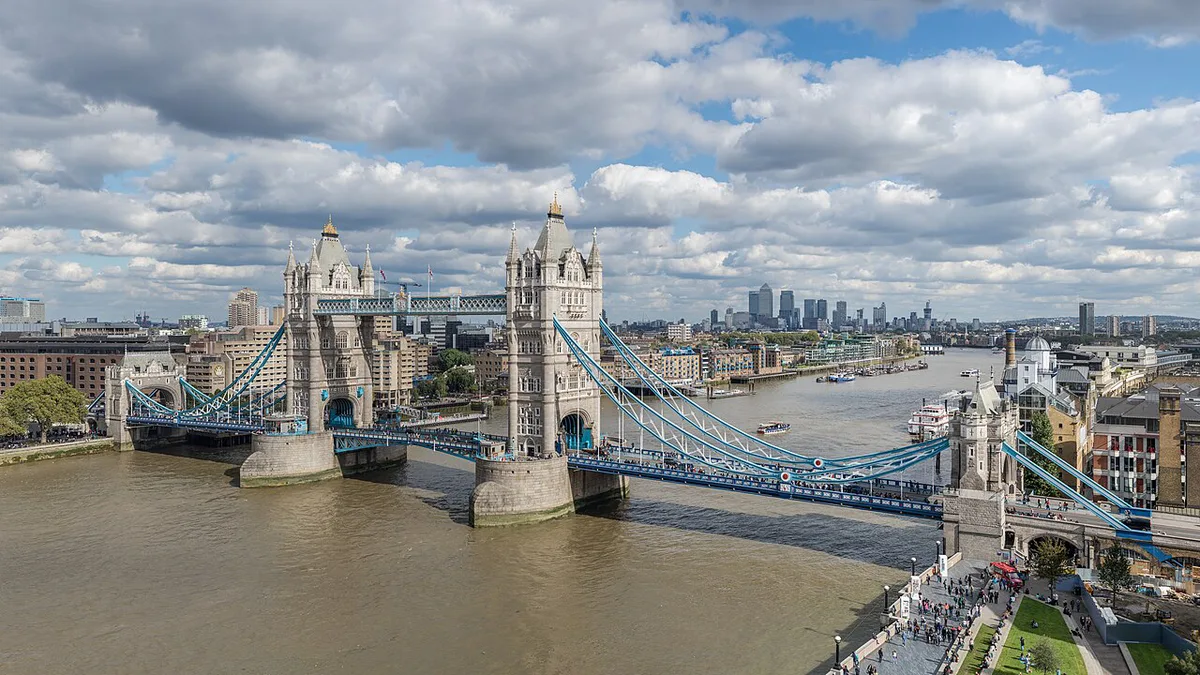
- Day 2: The City and South Bank. Visit the Tower of London and Tower Bridge, then walk to Borough Market for lunch.
- Day 3: Culture and neighborhoods. Split the day between the Kensington museums and a slower walk through Notting Hill.
5 or More Days: Beyond the Landmarks
Five or more days opens up London beyond the landmark checklist. Once the major sights are covered, spend a day on neighborhoods that don't make most itineraries. The lesser-known London spots guide is a good starting point. Day trips also become realistic once a visit reaches 4 to 5 days in the city. Windsor, Oxford, and Bath are all reachable by train. The train-accessible day trip guide breaks down which one fits your remaining time. A 6 or 7-day trip also gives room to revisit a neighborhood that impressed you on day one, something a 3-day trip never allows. Longer trips also benefit from a slower afternoon with no fixed plan. Build one into the schedule using the full London city guide to pick a park or neighborhood at random. Skipping that pause is what causes London fatigue, the point where landmark after landmark stops registering.
To include day trips to Windsor, Oxford, or Bath realistically, a visit needs to reach 4 to 5 days. On shorter trips, adding one means cutting time from central London, not supplementing your core itinerary.
Zone 1 vs Zone 2: How Your Hotel Location Changes the Math
Where you sleep changes how many days in London you effectively get. A Zone 1 hotel puts Westminster, the West End, and the South Bank within walking distance or one tube stop. A Zone 2 hotel usually costs less per night but adds real transit time at each end of the day. That gap barely matters across a five-day trip, since a longer trip absorbs a slower morning or two without losing much. It can cost a half-day of sightseeing on a tight two or three-day visit, when every hour is already accounted for. Checking a hotel's nearest tube or rail station before booking avoids discovering the gap on arrival. Compare neighborhoods and price points in the where-to-base-yourself guide before locking in dates.
Practical Planning: Transport, Passes, and Timing
Contactless card and Oyster are the two main ways to pay for the Underground, buses, and river boats. Tap on and off for the Tube and river boats. Buses only require a tap on. Fares are calculated from the journeys taken, not a flat ticket price. Whether the London Pass is worth adding depends on how many attractions fit into the trip. The pass-versus-pay breakdown runs the math against buying individual tickets. Booking major tickets before arrival also protects the days you do have, since sold-out slots cost more time than a higher fare ever would. Timing a visit also shapes how many days feel right, since shoulder-season crowds move faster through the same sights than peak-summer ones. Check seasonal patterns in the seasonal visiting guide before fixing dates.
Plan for Rain, Regardless of the Season
London's weather shifts fast enough that any trip length needs a backup plan. Build at least one flexible slot into a 3-day or longer trip, so a wet afternoon doesn't derail the schedule. Museums, covered markets, and indoor attractions all work as swaps. The rainy-day activity guide lists which ones handle a last-minute switch best.
Common Planning Mistakes That Cost You a Day
A few repeat mistakes shrink an already tight trip.
- Underestimating transit time between zones. A short-looking tube ride can eat more time than expected once walking and platform changes are added, especially when switching lines during a busy commute period.
- Not booking major attractions ahead. The Tower of London and Sky Garden both sell entry slots in advance, so a same-day walk-up can mean no ticket at all, particularly during peak season.
- Trying to fit the British Museum and the V&A into one afternoon. Each collection rewards a half-day on its own, and stacking both leaves neither properly seen.
Further reading: London on Wikivoyage · London on Wikipedia
Frequently Asked Questions
How many days in London do most first-time visitors need?
Three to four days covers the major landmarks, Westminster, the Tower of London, and Buckingham Palace, at a pace that doesn't feel like a sprint. That range also allows one culture-focused day for museums or a neighborhood like Notting Hill. Fewer days than that means picking a short list and skipping the rest.
Is 2 days enough time in London?
Two days works if the plan stays inside Zone 1 and skips museums entirely. Expect a fast pace with little room for delays, weather changes, or long lines at major sights. Anything beyond the core landmarks gets cut.
How many days in London should you add for day trips?
Day trips to places like Windsor, Oxford, or Bath make sense once the core city plan reaches 4 to 5 days. Adding a day trip to a shorter visit usually means cutting a full day of central sightseeing instead. Trains to all three run regularly from central London stations.
Do you need extra days in London if you're traveling with kids?
Families generally need one more day than solo travelers cover in the same itinerary. Shorter mornings, stroller-friendly routes, and downtime in a park all add up across a multi-day trip. Building in a rest day keeps the pace realistic for younger children.
What's the biggest mistake people make when planning how many days in London to book?
Treating every attraction as equally quick is the most common error. A single major museum can take a half-day on its own, so stacking two large collections into one afternoon rarely works. The same applies to combining a day trip with a full day of central sightseeing.
Is 5 or 6 days too long for a London trip?
Not for most travelers. Five to six days lets you add day trips, slow down in specific neighborhoods, and skip the rush that comes with a 3-day plan. It only feels long if the itinerary stays landmark-only without adding new areas or day trips.