Last updated August 2026, this guide to Valencia with kids breaks the city down by age group. Toddlers get Parque de Cabecera's swan boats, and teens get the Mestalla stadium tunnel tour. Valencia's flat streets and car-free Turia Garden make family logistics simpler than in most Spanish cities, with clear transit fares and ticket logistics ahead.
Valencia With Kids: Is It the Best Family City in Spain?
Yes, in the editorial assessment behind this guide: Valencia is one of Spain's easiest cities for family logistics. Compared with Barcelona, it is flatter, less crowded, and its city beaches sit closer to the center.
The Turia Garden replaces a river with a 9km, car-free park. It runs from Bioparc at one end to the City of Arts and Sciences at the other. That single corridor connects most of the attractions in this guide, so strollers and scooters rarely have to cross traffic.
City of Arts and Sciences With Kids: An Age-by-Age Breakdown
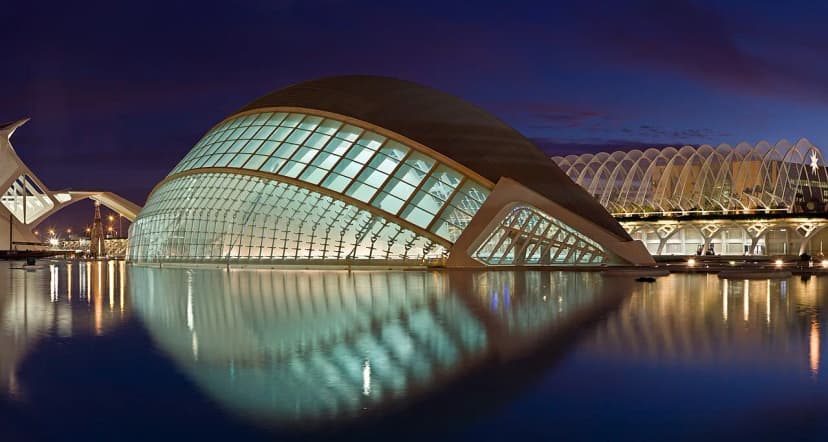
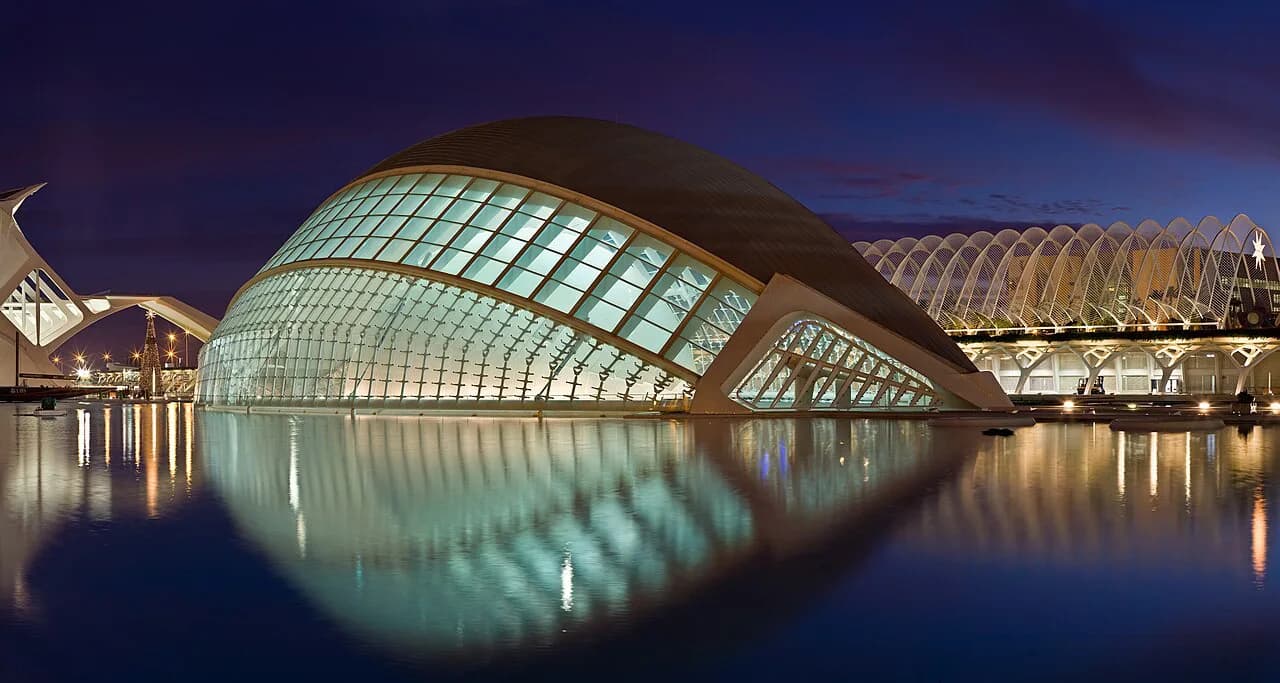
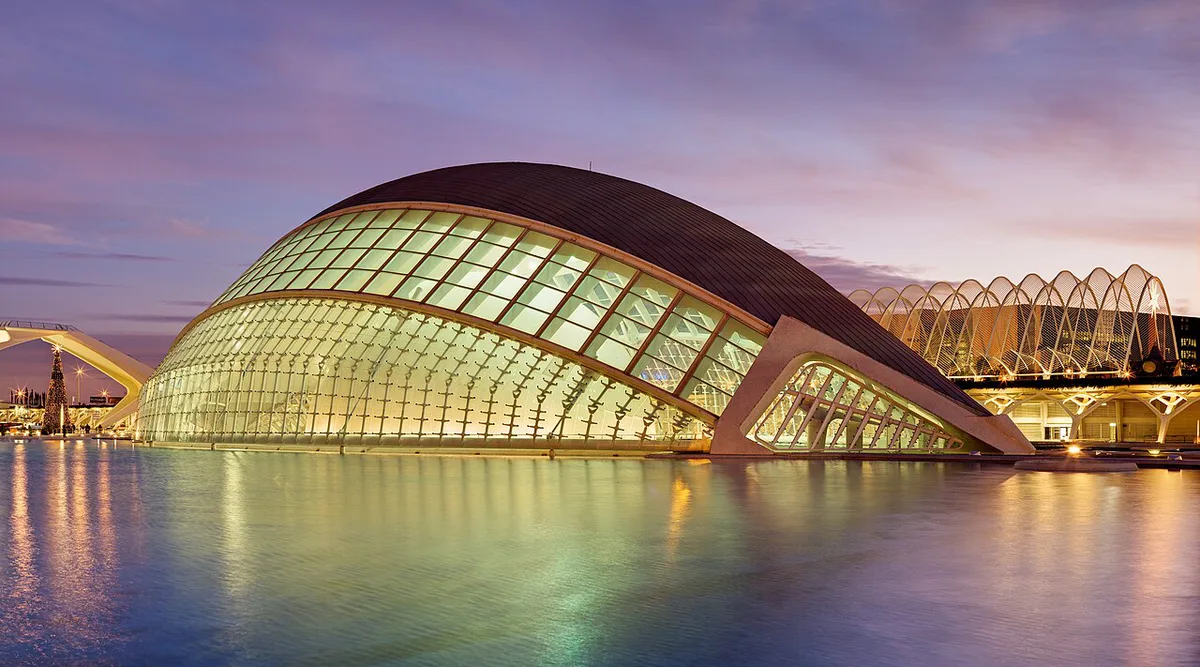
City of Arts and Sciences packs three separate venues into one complex, and each suits a different age range.
Inside the Science Museum, the hands-on zone called L'Espai dels Xiquets is built for ages three to eight. Kids build houses and test their senses there.
The Hemisfèric next door runs an IMAX-style screen for space and dinosaur films; shows are in Spanish, but headsets carry other languages.
Oceanogràfic, the aquarium at the far end, includes a long shark tunnel. It also runs dolphin shows and houses beluga whales, which draw mixed reactions from parents concerned about captive marine mammals.
Several family travel accounts flag the same concern: Oceanogràfic keeps beluga whales and dolphins in tanks. Multiple visitors describe feeling uneasy watching the dolphin performances after the fact. If that trade-off matters to your family, Bioparc's cage-free, immersive habitats are the alternative worth weighing instead.
- Science Museum: interactive zone for ages 3-8; only a few lockers, located upstairs past the ticket check.
- Hemisfèric: shows run in Spanish with headset translations available.
- Oceanogràfic: a long shark tunnel, plus dolphin shows and beluga whales that raise ethical questions for some parents.
- Food: cafe lines inside the complex move slowly; the shopping mall across the road has faster options.
- Buy tickets in advance during school holidays, when lines for the Science Museum and Oceanogràfic run long.
Parc Gulliver, the Beaches, and Bioparc: What to Expect
Parc Gulliver is a free, 70-meter sculpture-shaped playground built from the body of Jonathan Swift's giant. Slides, tunnels, and ramps stand in for hair, arms, and legs. Several of the slides are steep with sheer drops, so they suit kids seven and up better than toddlers; supervise closely regardless of age. Midday sun turns the open playground hot with little shade, so a mid-morning or late-afternoon visit works better with young kids.
Bioparc sits at the far end of the Turia Garden, near Cabecera Park, and swaps cages for open, immersive habitats. Giraffes and rhinos share savanna-style enclosures, and lemurs move through Madagascar-style trees.
Two city beaches cover most family needs. Playa de la Malvarrosa is the busier option, with a long promenade, beachfront restaurants, and full amenities. Patacona sits just north and draws a quieter, more local crowd, also with beachside dining.
- Malvarrosa: promenade, full amenities, the easiest first-visit beach.
- Patacona: quieter, more local, beachside restaurants a short walk from Malvarrosa.
Albufera and Parque de Cabecera: Nature Day Trips With Kids
Albufera Natural Park sits roughly 10-12km outside the city, a freshwater lagoon surrounded by rice paddies. It's also where paella originated, which makes a lakeside lunch here a more grounded cultural stop than a restaurant downtown.
Albufera boat rides cost around €6 per person, unlike the free Turia Garden and beaches. Budget this separately from cost-free city exploration.
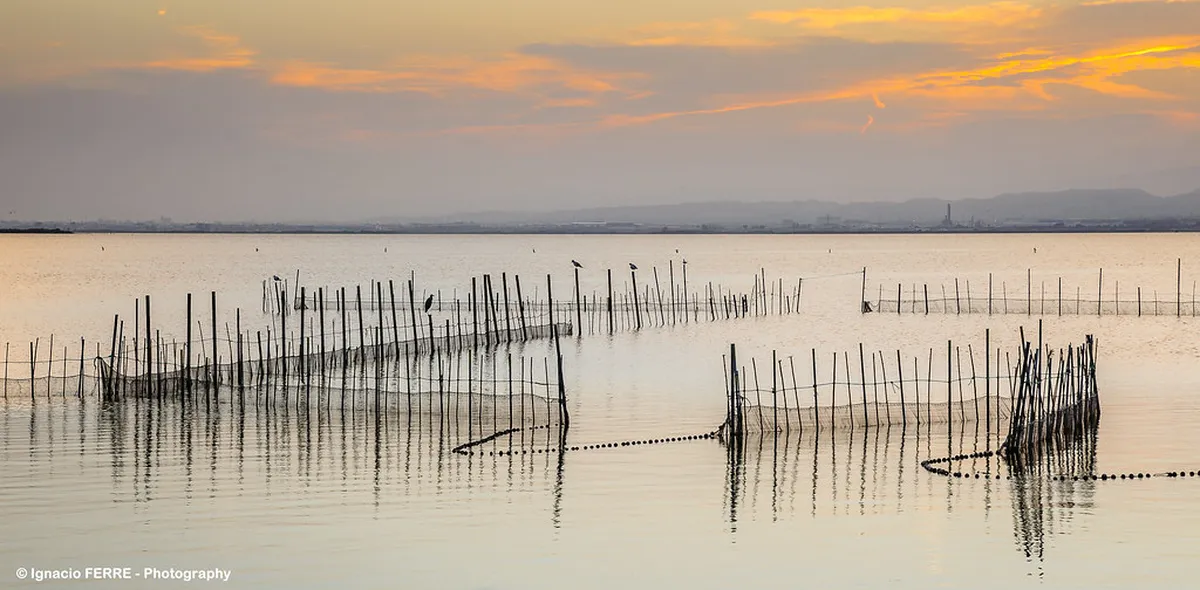
Traditional boat rides across the lake have historically run around €6 per person; confirm current rates before booking, since prices shift year to year. Taxis with fitted child seats need to be booked in advance, since seats aren't standard equipment and are legally required in Spain. For a longer loop beyond Albufera, see the Best Day Trips from Valencia: A 2026 Planning Guide guide.
Parque de Cabecera sits at the opposite end of the Turia Garden from the City of Arts and Sciences, next to Bioparc. Families can rent swan-shaped pedal boats on its lake, and a pirate-ship playground gives younger kids a landmark to aim for. It draws a more local crowd than Parc Gulliver and has fewer crowds at midday.
Getting Around Valencia With Kids on the 9km Turia Spine
The Turia Garden runs 9km through the old riverbed, entirely car-free. It connects Bioparc and Cabecera Park at one end to the City of Arts and Sciences at the other. Cycling is the easiest way to cover that distance with kids in tow. Rent Bike Virgen, a family-oriented hire company, supplies kids' bikes, helmets, and child seats. Riders can also request coaster brakes instead of hand brakes for younger children.
Metro is free for children under 10, covering the ages where Science Museum (3–8) and Parc Gulliver (7+) appeal most. Combining free transport with age-targeted stops reduces daily logistics complexity.
Public transit backs up the bike option. Tram 4 runs from the city center out to the beach, useful on hot days when walking the whole route isn't practical. Metro connects the airport directly to the city center.
Families with only a single day should build the route around the One Day in Valencia Itinerary: A Timed Route From Old Town to the Future. Add a beach or Albufera detour on a second day if time allows.
- Bus: free for children aged 0-5.
- Metro: free for children under 10, including the airport line.
- Tram 4: links downtown to the beach; a low-cost, non-fare-free option.
- Valencia Tourist Card: fare-free transit, one tapa and drink, entry to 14 museums, and up to 50% off at Bioparc and Oceanogràfic, according to visitvalencia.com's family guide.
Where to Eat and Stay With Kids in Valencia
Dinner in Valencia typically starts around 8:00pm, later than most visiting families are used to. Restaurants welcome kids at any hour, though, and it's common to see children playing in nearby plazas while parents linger over a meal. Favole, an Italian restaurant in the Old Town, sits right next to a kids' playground, so a terrace table lets parents watch kids play mid-meal. Ubik Cafe mixes a secondhand bookshop with a small play area and serves lunch, then reopens for dinner from 7:00pm.
For a local snack stop, Horchatería Daniel in Alboraya, a short metro ride from downtown, has served horchata and fartons for generations. Note that the tiger-nut drink divides opinion, so bring a backup snack for picky eaters.
Families balancing a tighter budget can lean on the Free Things to Do in Valencia: A Budget Guide for 2026 guide. Parc Gulliver and the beaches cost nothing to enter, which offsets accommodation costs.
- Las Arenas Balneario Resort: beachside on Malvarrosa, with a seasonal pool and direct promenade access - best for a beach-first trip.
- Ramirez Flats: an aparthotel-style stay by the Turia Garden, with self-catering space - best for a city-and-park-first trip.
Mistakes to Avoid and Local Tips for Family Trips
Football-obsessed teens who'd rather skip another museum have an alternative. The Mestalla Forever Tour walks visitors through the Valencia CF dressing room, the players' tunnel, and the trophy room.

Avoid the Old Town during peak afternoon heat, since narrow streets offer little consistent shade. The 12 Hidden Gems in Valencia: Secret Spots & Local Tips (2026) guide maps out shaded plazas worth the detour.
Baby-changing facilities are reliable in larger malls like El Corte Inglés and in modern museums. Small Old Town cafés often don't have one, so plan changes around those stops.
Las Fallas, held every March, brings giant sculptures, parades, and nightly fireworks culminating in a burning on March 19th. It's a genuine cultural event, but the noise and crowds can overwhelm sensitive kids, so factor that into March travel dates.
Valencia stays safe to walk after dark, and plazas fill with local families well into the evening. For an evening walk that keeps things age-appropriate, the Valencia at night guide filters out the bar-heavy options.
Frequently Asked Questions
Is Valencia a good city to visit with kids?
Yes. Flat streets, a car-free 9km park down the center, and warm-weather beaches make logistics simpler than in most Spanish cities. Locals are used to seeing kids out in plazas well into the evening.
What ages are free on Valencia's public transit?
Yes, transit is free for young kids in Valencia. Bus travel is free for children aged 0 to 5, and metro is free for kids under 10, according to visitvalencia.com's family guide. That covers the airport metro line too.
How much does the Albufera boat trip cost?
Traditional boat rides have historically run around €6 per person. Confirm the current rate locally before booking, since prices shift year to year.
Is Oceanogràfic ethical to visit with kids?
That depends on family values. Oceanogràfic keeps dolphins and beluga whales in captivity for shows, which several family travel accounts describe as an uncomfortable trade-off once they saw it firsthand. Bioparc's cage-free habitat model is the alternative worth weighing if that concerns you.
When should families avoid visiting Valencia?
Las Fallas in March brings loud fireworks and dense crowds nightly, which can overwhelm sensitive kids even though it's a genuine cultural event. Midday heat in summer also makes open spaces like Parc Gulliver uncomfortable without shade.
Where should families stay in Valencia?
Beach-first trips suit Las Arenas Balneario Resort on Malvarrosa, with direct promenade access and a seasonal pool. City-and-park-first trips suit Ramirez Flats, an aparthotel near the Turia Garden with self-catering space.