
Last updated August 2026: day trips from Valencia split into three groups. Short bus or train rides reach wetlands and Roman ruins, longer drives reach hill towns, and one route works well entirely by bike. This guide compares travel time, transport, and cost for each destination, plus the station and car-rental details that keep a day trip from turning into a wasted afternoon.
How to Choose the Best Day Trips from Valencia
Valencia sits between the coast and a drier interior of hills and vineyards, so its day trips split by landscape as much as by distance. Coastal picks like Albufera and Port Saplaya work by bus or bike and return you to the city by early evening. Hill towns like Albarracín and the Maestrazgo need a car and closer to a full day. Travelers extending their time in the city can pair any of these trips with this one-day Valencia itinerary. Trips under an hour each way still leave evenings free for Valencia's after-dark options. The cost level in the table below reflects typical transport and food spend, in our editorial assessment, not a fixed ticket price. Among the three closest options, Albufera and Sagunto lead on public-transport practicality, since both run on fixed bus or train schedules with no parking to manage. Xàtiva is nearly as practical by train, though it has fewer documented departures, so build in extra schedule-checking. Driving adds the most value at Xàtiva, since a car reaches nearby stops the train skips. All three fit into a half day, which keeps total travel time shorter than Albarracín or the Maestrazgo. Season matters most at Albufera, where the boat tour and birdwatching depend on daylight and water levels. Sagunto and Xàtiva's castles are a fair-weather visit in most seasons. Each destination adds something different to a Valencia stay.
Sagunto costs €4.20 by Cercanías for about 40 minutes, with free castle entry. Albufera reaches the city in about 50 minutes by bus for €1.50—both complete in half a day using public transport.
| Destination | Travel Time | Primary Transport | Vibe | Cost Level |
|---|---|---|---|---|
| Albufera Natural Park | ~50 min | Bus #25 | Wetlands, birdwatching, paella | € (low) |
| Sagunto | ~40 min | Cercanías train, line C6 | Roman ruins, castle, optional bike return | € (low) |
| Xàtiva | Regional train, check Renfe schedule | Cercanías train | Hilltop castle, quiet old town | € (low) |
| Port Saplaya & Alboraya | ~25km (16mi) loop | Bike | Canal marina, horchata, beach path | €€ (moderate) |
| Albarracín | 2+ hours | Car | Pink-stone old town, hiking | €€€ (higher) |
- Albufera: wetlands, birdwatching, and a lakeside meal in El Palmar.
- Sagunto: Roman ruins with the option to bike back to the city.
- Xàtiva: a quieter hilltop castle town without a full day's commitment.
Albufera Natural Park: Wetlands, Paella, and a Sunset Boat Ride
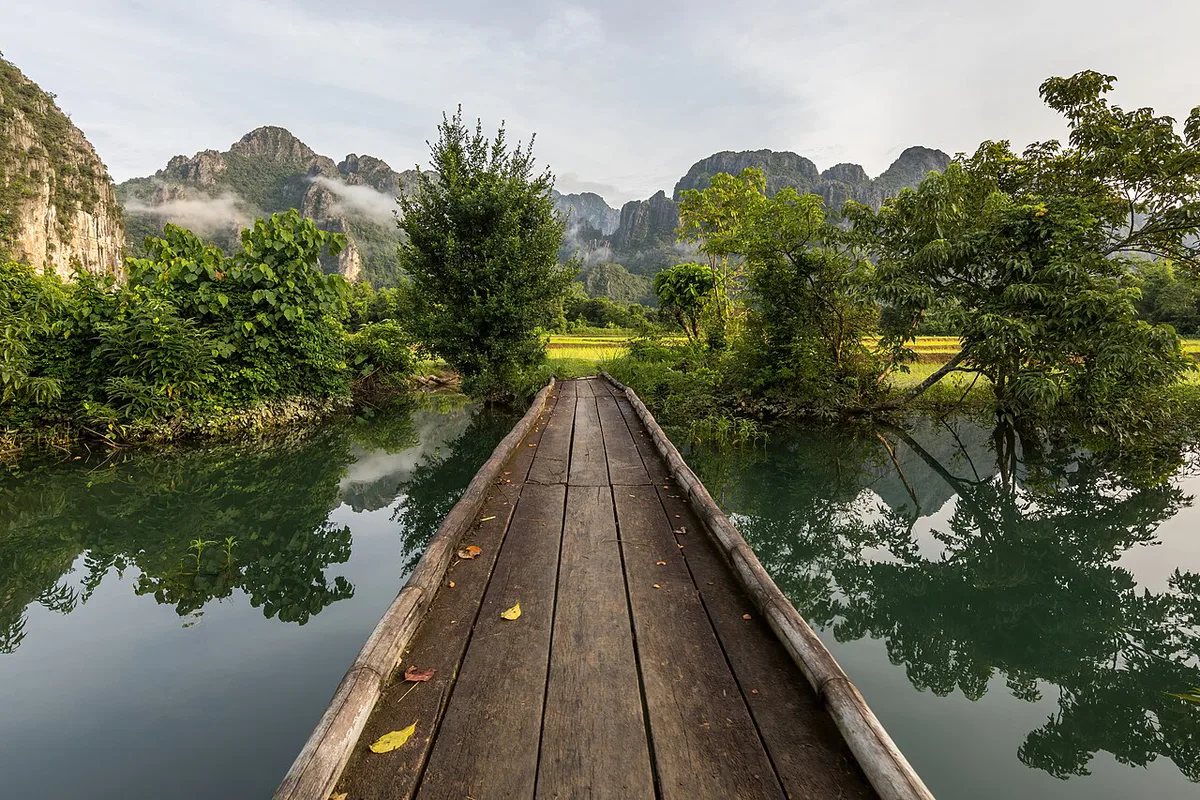
Albufera Natural Park is the closest coastal escape from Valencia and it needs no car at all. Bus #25 runs from the city center to the park in about 50 minutes. From the bus stop, cross the dunes to Estany de Pujol for birdwatching, or continue to Playa Lago Saler for the beach. El Palmar village nearby serves paella and all i pebre, a local eel stew. Order the paella in advance so it is ready when you arrive. Families with young children can find more low-key options in this family-focused Valencia guide.
- Bus #25 from Valencia center: about 50 minutes, €1.50 cash with exact change or roughly €1.28 by tap.
- Sunset boat tour through the reeds: about 40 minutes, around €4 per person.
- Estany de Pujol: a flat walk from the bus stop, good for birdwatching.
- El Palmar: order paella ahead of time and try all i pebre, the local eel stew.
Port Saplaya and Alboraya: A Flat Bike Loop, Horchata, and a Canal Marina
Alboraya and Port Saplaya work best as a single bike day rather than separate bus trips. Cyclists ride out through Alboraya's chufa fields, the crop used to make horchata de chufa, a traditional nut-milk drink. Stop at Horchateria Vida for a glass, then continue to Port Saplaya, a canal-front marina some visitors call the region's 'Little Venice.' The full loop back through Playa Patacona, Playa Malvarosa, and Turia Park runs about 25km (16mi) on flat, paved paths. This coastal route is one of several covered in this guide to lesser-known Valencia spots.
Peñíscola: A Walled Seaside Town With a Logistics Catch
Peñíscola's walled old town sits on a small peninsula, and its skyline has appeared as a filming location for Game of Thrones. Its popularity makes the outer walls busy with vendors and multilingual menus, so a picnic can beat a sandwich board. Pack food from a nearby supermarket and eat it at Serra d'Irta Park, away from the crowds. Peñíscola's own train station sits about 15km north in Benicarló, so driving is the more practical option. Plan for roughly a two-hour drive from Valencia, and park at Parking Voramar Empark near the old town walls.
Sagunto: Roman Ruins on a Fast, Cheap Cercanías Line
Sagunto is the fastest rail day trip on this list. The Cercanías C6 train leaves Estación del Norte and reaches Sagunto in about 40 minutes. From the station, walk uphill roughly half an hour to Sagunto Castle, which has free entry. Wander back down through the old Jewish quarter before catching the train, or turn the day into a full-day trip by biking back. Cercanías trains allow bikes on board, and the return route covers about 29km (18mi) of flat, paved path through orange groves.
- Cercanías C6 from Estación del Norte: about 40 minutes, €4.20 each way.
- Sagunto Castle: free entry, roughly a 30-minute walk uphill from the station.
- Bike return route: Camino de Lliria to Vía Augusta to Vía Xurra, about 29km (18mi), mostly flat.
Xàtiva and Albarracín: Two Hill Towns Worth the Longer Trip
Xàtiva offers a hilltop castle and a quieter old town without Albarracín's long drive. A regional train connects Xàtiva to Valencia's Estación del Norte; check Renfe's Cercanías schedule for current departure times. Albarracín is farther but more distinctive, with an old town built from pink-hued stone that deepens in color at dusk. Reaching Albarracín takes a car and a bit over two hours each way, since no direct train serves the town. Once there, plan time to hike the surrounding hills and try the local sausage and cheese. Travelers with extra time can add a stop in Teruel on the way, home to a set of Mudéjar-style monuments.
Requena and the Maestrazgo: Wine Country and Medieval Villages
Requena anchors the Utiel-Requena wine region, and late August is a good time to visit for the Fiesta de Vendimia harvest festival. Outside festival season, wineries generally require advance booking. Requena's small walled old town is worth about an hour on foot. Pick up a self-guided walking route from the tourist information office. The Maestrazgo, inland and hillier, feels like a different region entirely. Morella is the best-known town, but Puertomingalvo, Mirambel, Cantavieja, and Ares del Maestrat reward a slower, multi-stop drive. Towns in the Maestrazgo sit roughly 20 minutes apart, so pueblo-hopping works well by car.
- Regional train to Requena: about 1h50m, roughly €6.
- Regional bus to Requena: about 1h10m, roughly €5-€5.50.
- Wine tastings: book ahead, from about €15 per person.
- Maestrazgo towns: about 20 minutes apart by car; Morella, Puertomingalvo, Mirambel, Cantavieja, and Ares del Maestrat.
Montanejos and Hiking Trails Near Valencia
Montanejos is best known for warm natural springs, and it works well for swimming and hiking. It sits along the same route as a Maestrazgo pueblo-hopping day, so the two pair naturally into one trip. Spring access and opening details can shift by season, so check current status before you go. For structured hiking beyond a single trailhead, day-hike itineraries curated by local guiding services cover the hills around Valencia, with routes that change by season. Cyclists who want a fitness-focused ride rather than a sightseeing loop can also treat the Vía Xurra, used for the Sagunto bike return, as a standalone out-and-back route.
Getting There: Trains, Car Rentals, and Bike Logistics
Valencia has two main stations, and mixing them up is a common day-trip mistake. Estación del Norte handles Cercanías regional trains, including the routes to Sagunto and Xàtiva. Cercanías tickets are only valid on the day you buy them. Joaquín Sorolla station, about a kilometer south, handles faster inter-city and AVE services. Car rentals booked well in advance can be inexpensive, but confirm a full-to-full fuel policy and unlimited kilometers before signing. Check whether a credit card's travel coverage applies to a rental car, since local add-on insurance can erase the savings. Non-EU license holders need an International Driving Permit to drive legally in Spain. Cyclists heading to Sagunto or the coastal loop can rent for the day from Rent Bike Virgen. Travelers watching costs on the city side of the trip can pair any of these days with ideas from this free Valencia activities guide.
Mistakes to Avoid on a Valencia Day Trip
A few planning mistakes account for most disappointing day trips from Valencia. Most trace back to skipped bookings or a misread transit map rather than the destinations themselves.
- The Sunday trap: Requena and Maestrazgo villages often cut restaurant hours on Sundays. Transit schedules thin out too, so confirm both before you go.
- Skipping vineyard reservations: Requena wineries generally require advance booking. A same-day walk-in often means no tasting slot.
- Depending on trains for Peñíscola: the nearest station is 15km away in Benicarló. A car or taxi plan matters more than a rail schedule.
- Ignoring siesta hours: small pueblo shops and restaurants often close for a few hours midday. Plan lunch and errands around it.
Frequently Asked Questions
What is the easiest day trip from Valencia without a car?
Sagunto and Albufera are both reachable by public transport. The Cercanías C6 train reaches Sagunto in about 40 minutes for €4.20. Bus #25 reaches Albufera in about 50 minutes for roughly €1.50 in cash.
Do you need a car for Albarracín or the Maestrazgo?
Yes. Both are more than two hours from Valencia by road, and no direct train link is documented for either area. Renting a car is the practical option for a same-day visit.
Which day trip from Valencia works best for families with kids?
Albufera and the Port Saplaya bike loop both suit families, since neither needs a long car ride. Both also finish with food stops that work well for kids, like paella in El Palmar or horchata near Alboraya.
Can you take a bike on the train to Sagunto?
Yes. Cercanías trains allow bikes on board. That makes it possible to ride the roughly 29km (18mi) route back to Valencia instead of taking the train both ways.
Are restaurants open on Sundays in small towns near Valencia?
Not always. Requena and villages in the Maestrazgo often reduce restaurant hours and transit schedules on Sundays. Confirm opening times before planning a Sunday trip.
Which train station do you leave from for these day trips?
It depends on the destination. Estación del Norte handles Cercanías regional trains to places like Sagunto and Xàtiva. Joaquín Sorolla, about a kilometer south, handles faster inter-city and AVE routes.