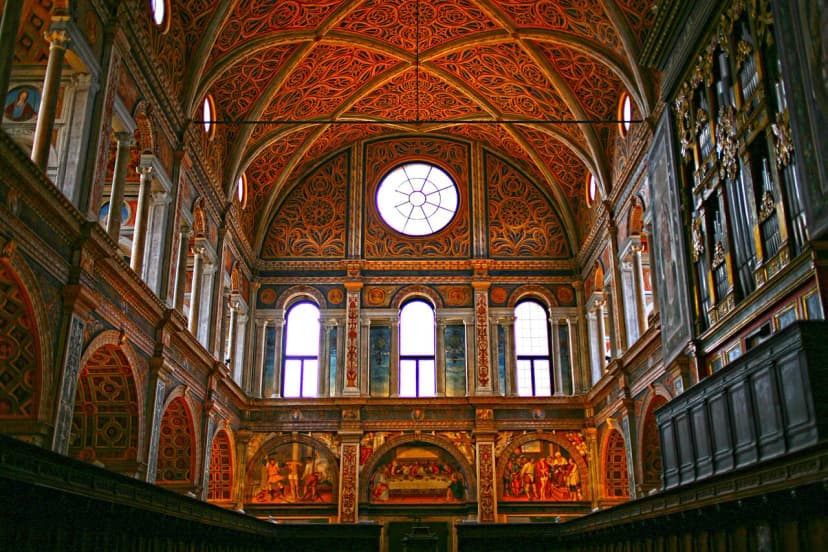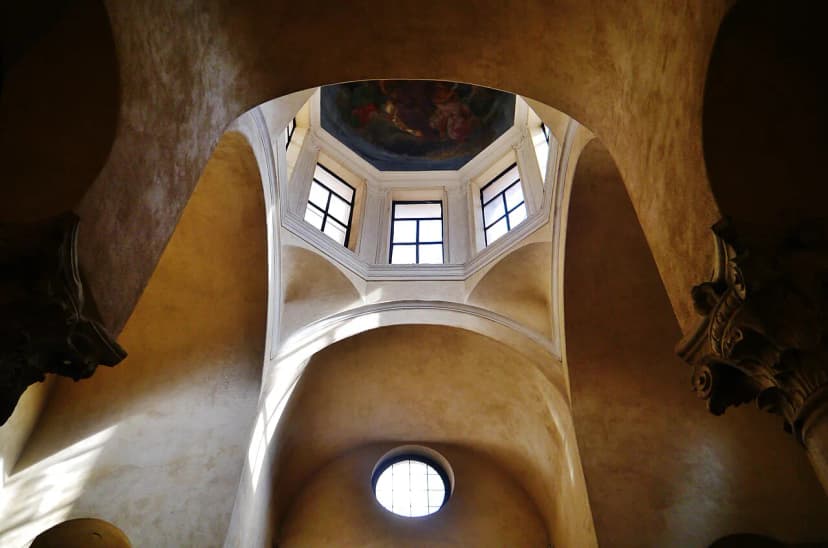
Hidden Gems in Naples
Explore hidden gems in Naples for 2026: secret cloisters, thermal caves, catacombs, and more, with prices, hours, and planning tips included.
Read guide →Naples travel guides for 2026: itineraries, day trips, hidden gems, museums, free things to do and city-pass advice — every Naples planning guide in one hub.
Everything we've published on visiting Naples, in one place: 11 trip-planning guides covering itineraries, day trips, hidden gems, the best viewpoints and museums, family and rainy-day options, and honest advice on city passes. Each guide is written for a specific decision you make while planning a trip to Naples, Italy.
Looking for individual landmark tickets, opening hours and worth-it advice? See our Naples attractions hub, with 8 dedicated visitor guides.
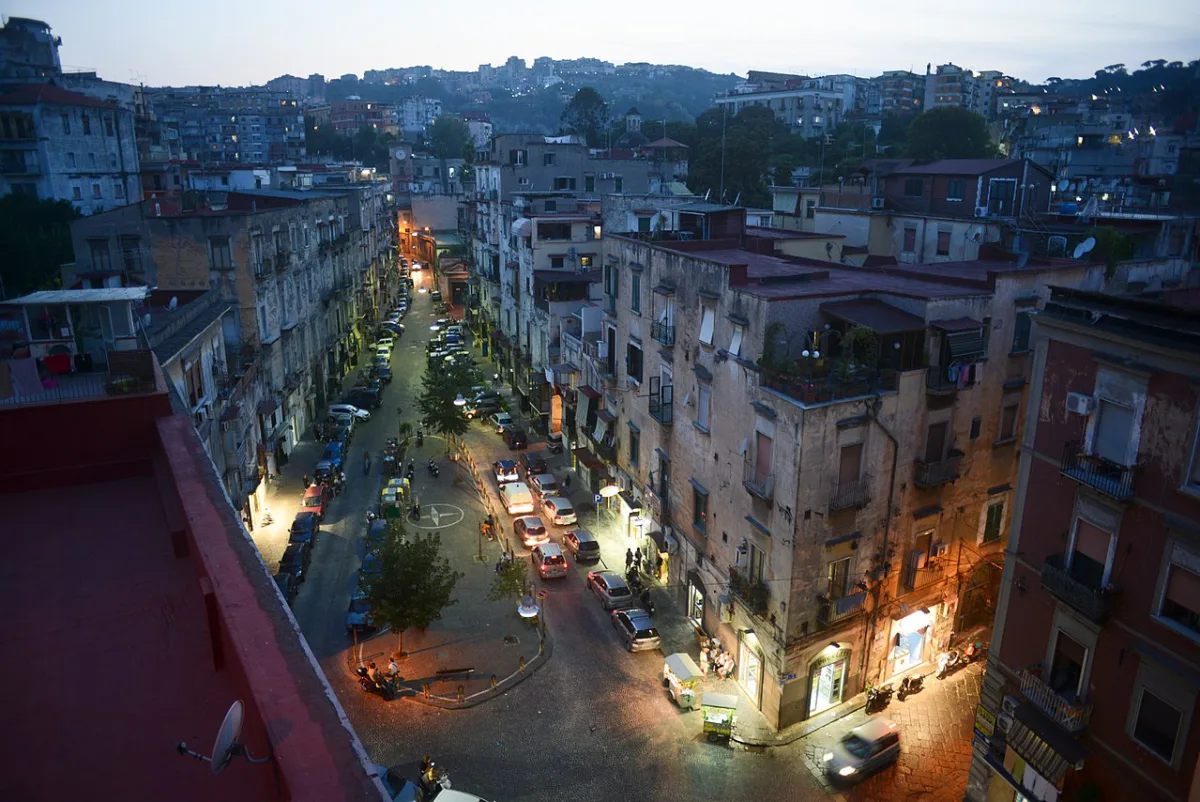
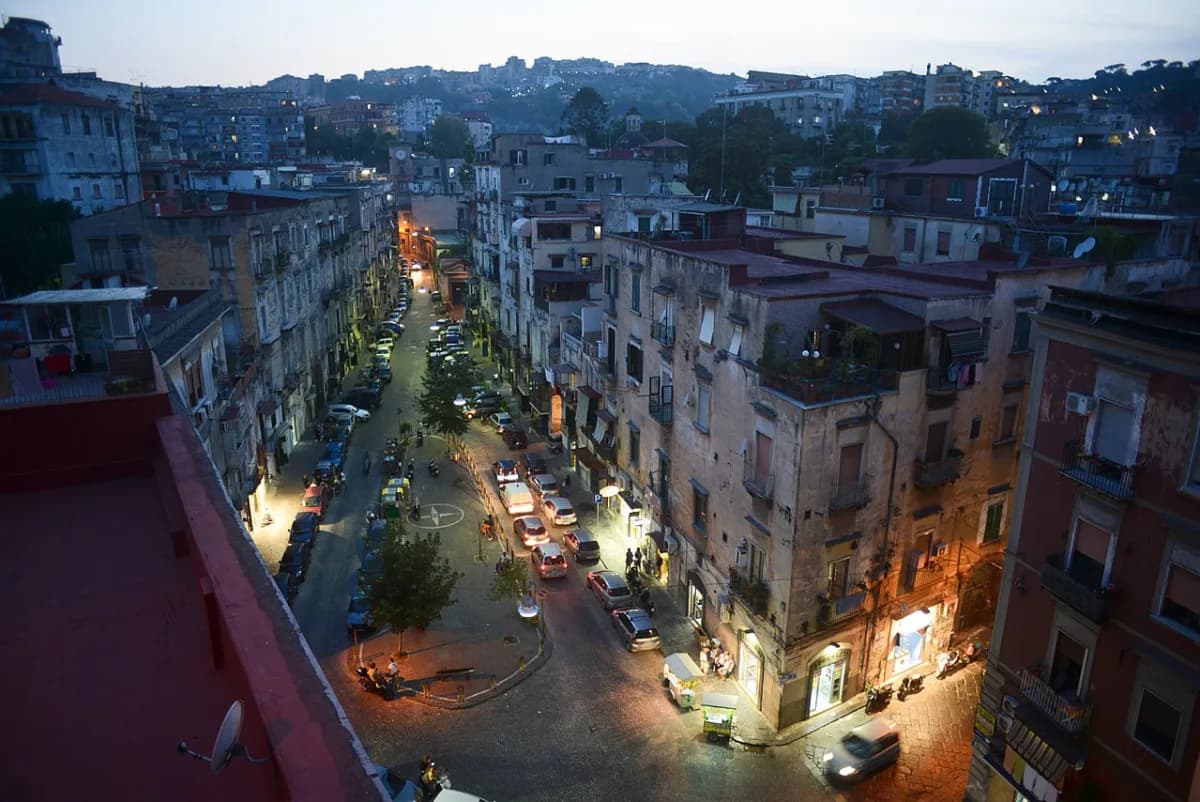
Naples is southern Italy at full volume — a city of narrow, laundry-strung alleys, world-class pizza (this is where it was invented), baroque churches, and one of Europe's great archaeological museums. The historic core, split by the arrow-straight Spaccanapoli, is dense and theatrical, and much of the pleasure is simply walking it. Below ground, the tunnels of Naples Underground tell a 2,400-year story; above the bay, Vesuvius looms over everything.
Most visitors give the city two to three days and use it as a base, because Naples is the natural gateway to some of Italy's biggest names: Pompeii and Herculaneum sit a short Circumvesuviana ride away, and the Amalfi Coast, Sorrento, Capri and Ischia are all day-trippable. Spring and early autumn are ideal; July and August are hot and busy. The centre is walkable, but keep normal city street-smarts — watch your bag on crowded lanes and stick to licensed taxis at night.
The guides below map to how you'll actually plan: a realistic one-day route through the essentials, where to eat and wander after dark, free and family-friendly options, and which day trips justify the journey. Pair the itinerary with the day-trips guide to decide how much time the city itself gets.
Naples offers a comprehensive Artecard (city pass) that includes free or discounted entry to major museums and monuments, plus unlimited metro/bus travel. Choose between 3-day and 7-day passes depending on how many attractions you plan to visit — details are included in our guide.
Budget roughly €35 to €55 per person for transit, admissions and food on a full sightseeing day in 2026, and the city's historic core fits into one tight loop — that's the premise of our one-day Naples itinerary, which strings the main piazzas, the old town and the waterfront into a single walkable route. It works, but it's a sprint. Getting around is cheap: walking covers most of the historic core, and a single UnicoCampania ticket covers about 90 minutes across bus, metro and funicular for the longer hops or tired feet.
Two days is the honest minimum for seeing Naples itself: the 48-hour route groups sights by geography — the Via Toledo side and waterfront on day one, the Centro Storico on day two — with one funicular ride and enough slack for a proper pizza stop. Two days is also the honest ceiling for the city alone: squeezing a Pompeii or Amalfi Coast day trip into a 48-hour stay means dropping one of the city stops. Add a third day and the ruins enter the picture: the three-day plan keeps mornings for ruins and museums, afternoons for churches and shopping streets, and evenings for the Spanish Quarters, using the Circumvesuviana line for the Pompeii and Herculaneum legs.
Naples' museum trio — the MANN, Capodimonte and the Sansevero Chapel — ranks with anything in Italy, but the closure days trip people up: the MANN closes every Tuesday, Capodimonte every Wednesday, and the Sansevero Chapel shuts Tuesdays too. Our ranking of the six museums genuinely worth your time sorts them by what each is best for — Roman antiquities at the MANN, Renaissance-to-Baroque painting at Capodimonte, one impossible marble sculpture at Sansevero — and flags which require advance booking. Whether a city card pays for itself depends entirely on how many paid sites fit your stay — the Naples pass comparison weighs the government-run Campania Artecard against the private Naples Pass and Turbopass, with Pompeii and Vesuvius access as the deciding factors. And because so much of the city sits indoors or underground, a wet forecast costs you surprisingly little: the rainy-day plan is built around three dry clusters where museums, arcades and metro art stations sit within a short covered walk of each other.
One booking rule matters more than any other in Naples: seeing the Veiled Christ at the Sansevero Chapel requires reserving online in advance for every visitor — a standard ticket costs €12, and the chapel closes Tuesdays. The National Archaeological Museum charges €20 and holds the best of Pompeii's frescoes and mosaics, which is exactly why many travelers visit it before the ruins themselves — it runs Wednesday through Monday, 9:00 a.m. to 7:30 p.m., with EU visitors aged 18–25 paying a reduced €2. Up on the hill inside its own park, the Capodimonte Museum asks around €15 for one of Italy's great painting collections and rarely feels crowded, though remember the Wednesday closure.
Below street level, Naples Underground runs guided tours roughly every hour from 10:00 to 18:00 for around €10 booked with the official operator — third-party platforms often list the same tour closer to €15. Back on the waterfront, the five-towered Castel Nuovo charges €15 and keeps Monday-to-Saturday hours, closing Sundays — the mirror image of most museums' schedules, which makes it a useful Sunday-gap filler in reverse planning.
Naples is the natural base for some of Italy's biggest names, and the day-trips comparison ranks seven of them by transit time, cost and traveler type. The headline act is Pompeii: a standard adult ticket runs around €20 in 2026, the Circumvesuviana train from Naples takes under 40 minutes, and the site opens daily from 9:00 a.m., with last entry at 5:30 p.m. from mid-March through mid-October. Smaller, better preserved and far less crowded, Herculaneum costs €16, opens at 8:30 a.m. year-round, and rewards travelers who want the archaeology without the tour-group scrum. Capri, Ischia and the Amalfi Coast fill out the coastal side of the list, though summer ferry seats are the one thing here worth booking well ahead — trains to the ruins run frequently enough that same-day tickets are usually fine. If you're deciding between the two sites with limited time, the honest answer from our guides: Pompeii for scale and fame, Herculaneum for preservation and comfort, and only the most committed do both in one day.
Naples runs later than most Italian cities, and an evening here can be absurdly cheap — a funicular ride for close to one euro, a proper pizza for five. Our guide to Naples after dark maps ten specific stops with real costs and hours, from Piazza Bellini's student bars to the seafront Lungomare — nightlife here runs later than in most Italian cities, and none of the picks require booking weeks ahead, though the underground tour sells out on weekends. Families get their own route: Naples with kids leans on castles, funiculars and the easy Pompeii day trip. And budget travelers are in the right city entirely — the free things to do list runs from historic piazzas to a clifftop park over the bay, while Castel dell'Ovo has never charged admission at all (note that as of mid-2026 its interior is closed for renovation, though the causeway and Borgo Marinari waterfront stay fully open).
Explore hidden gems in Naples for 2026: secret cloisters, thermal caves, catacombs, and more, with prices, hours, and planning tips included.
Read guide →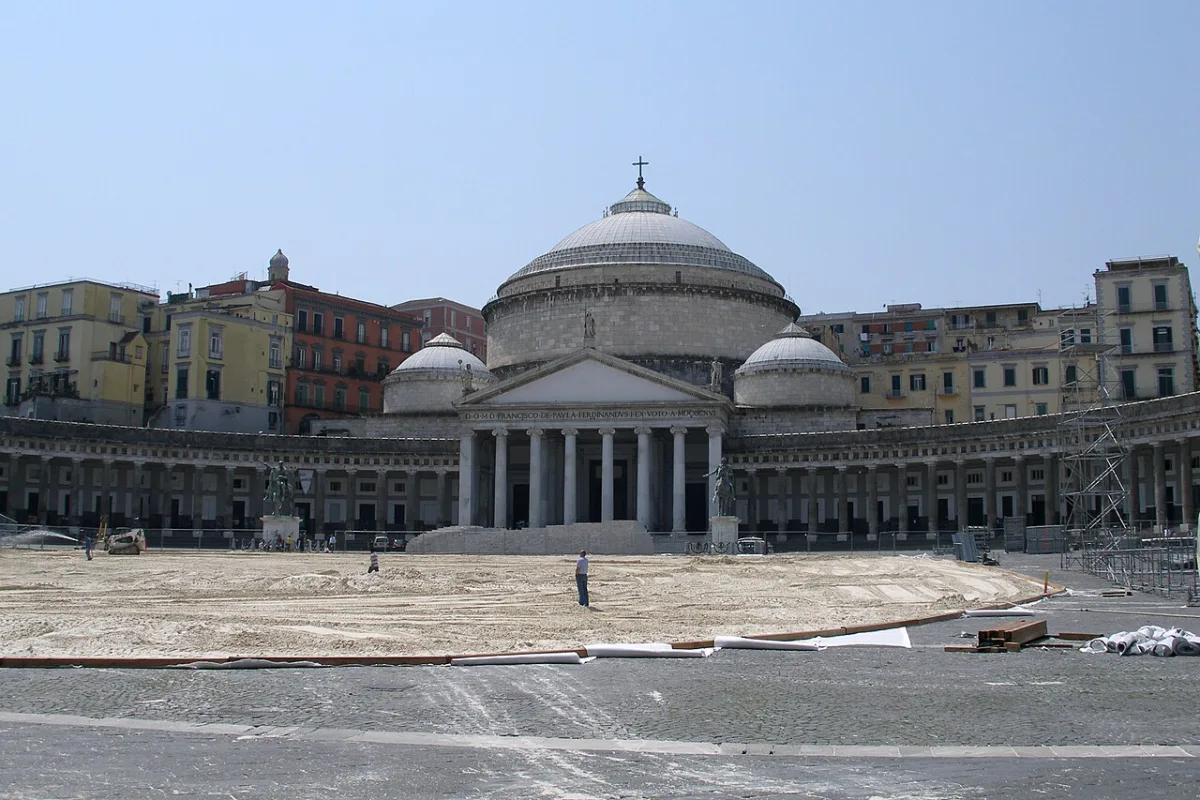
Follow a realistic one day in Naples itinerary for 2026 with timed stops, food picks, ticket prices, and booking tips for a smooth first visit.
Read guide →
Discover the 10 best things to do in Naples at night in 2026 — from historic-center bars to seafront views, clubs, candlelit tunnels, and late-night pizza.
Read guide →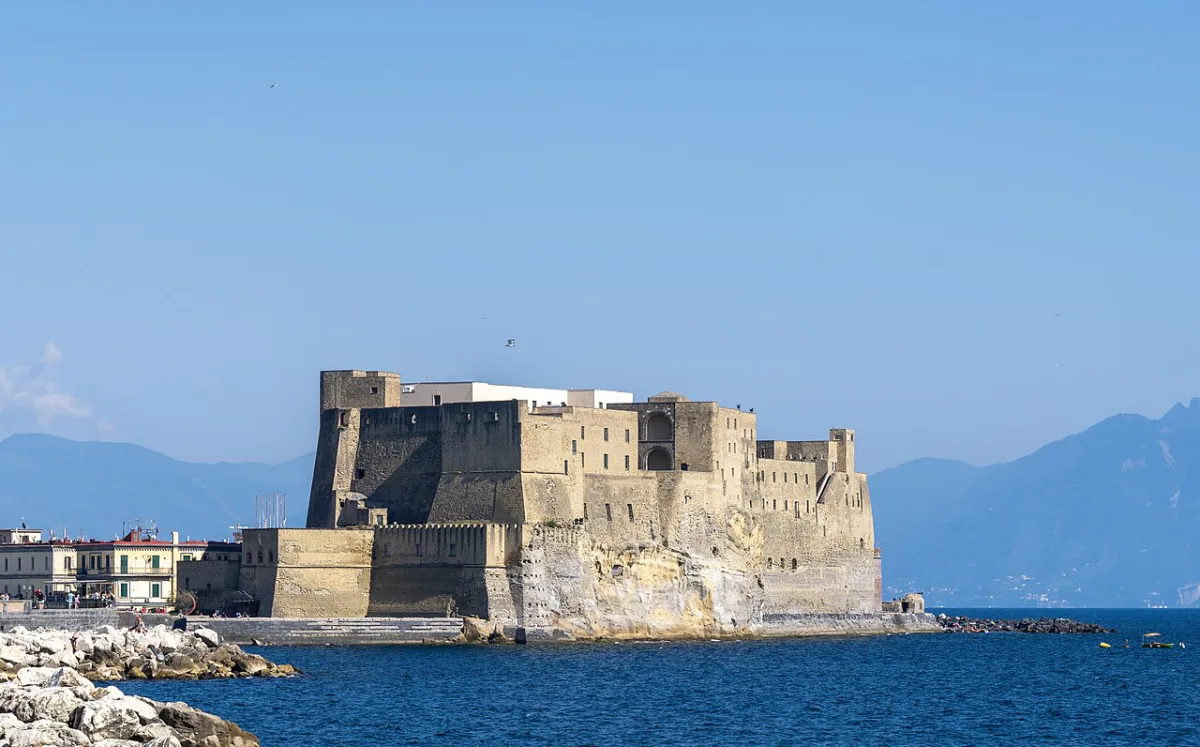
Planning a trip to Naples with kids? Discover family-friendly castles, easy day trips to Pompeii, and practical 2026 tips for a smoother visit.
Read guide →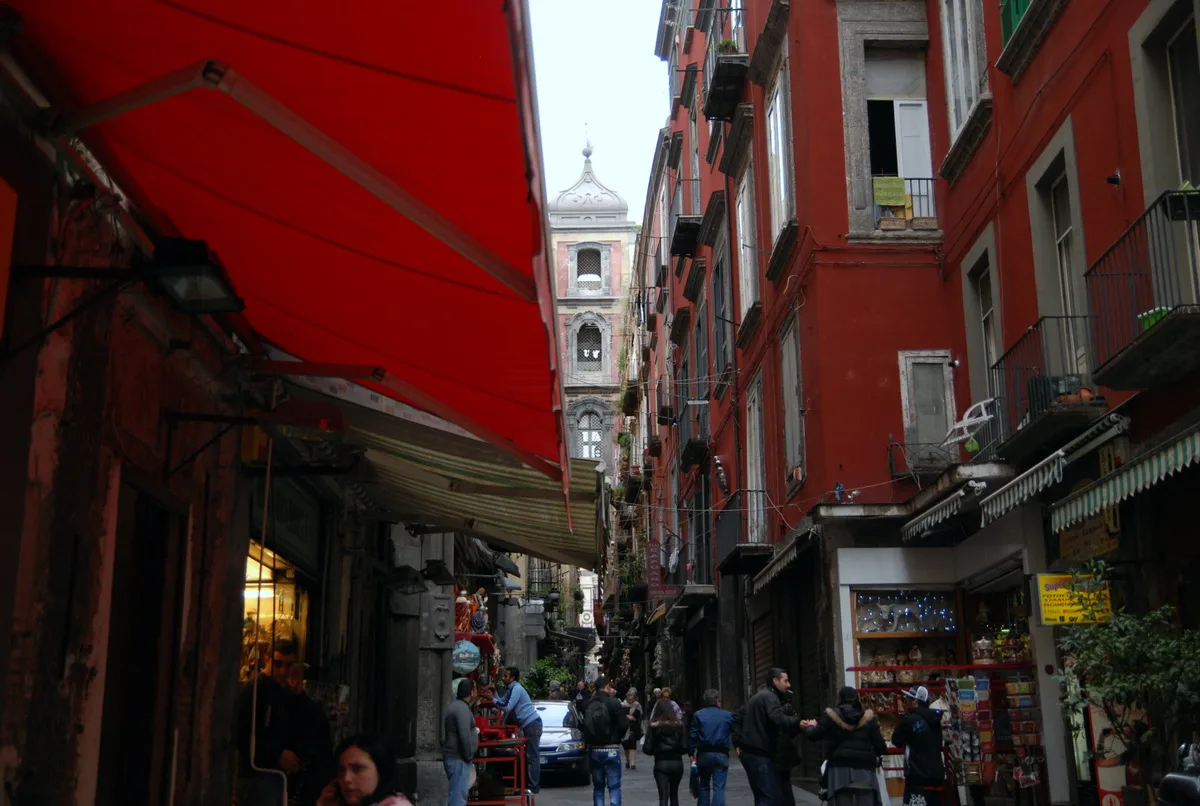
Discover 10 free things to do in Naples, Italy in 2026, from historic piazzas to a clifftop park over the bay, with hours, costs, and planning tips.
Read guide →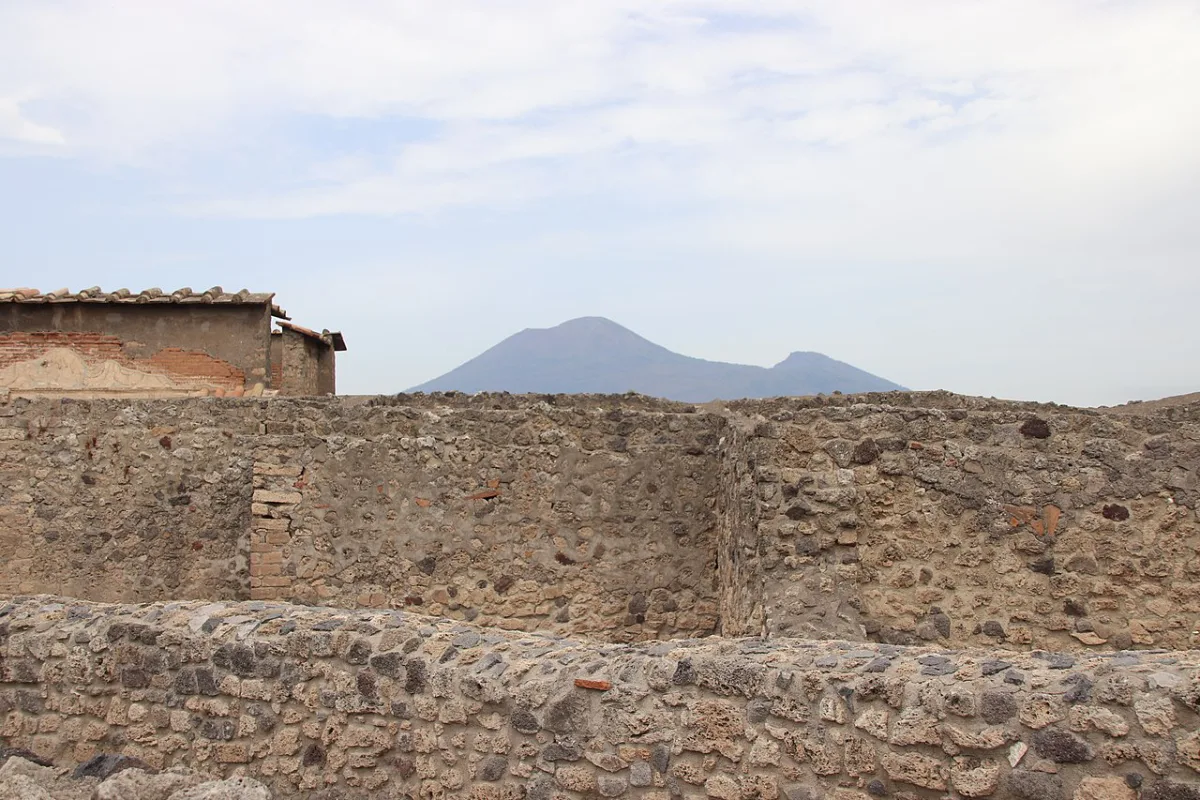
Compare the best day trips from Naples in 2026, from Pompeii and Capri to the Amalfi Coast, with transit times, ticket costs, and helpful planning tips.
Read guide →
Plan 2 days in Naples with a logical walking route, neighborhood picks, transport tips, and where to eat pizza and pastries.
Read guide →
See exactly how to spend 3 days in Naples: Centro Storico, Pompeii, Herculaneum, transit tips, and 2026 costs for a first-time visit.
Read guide →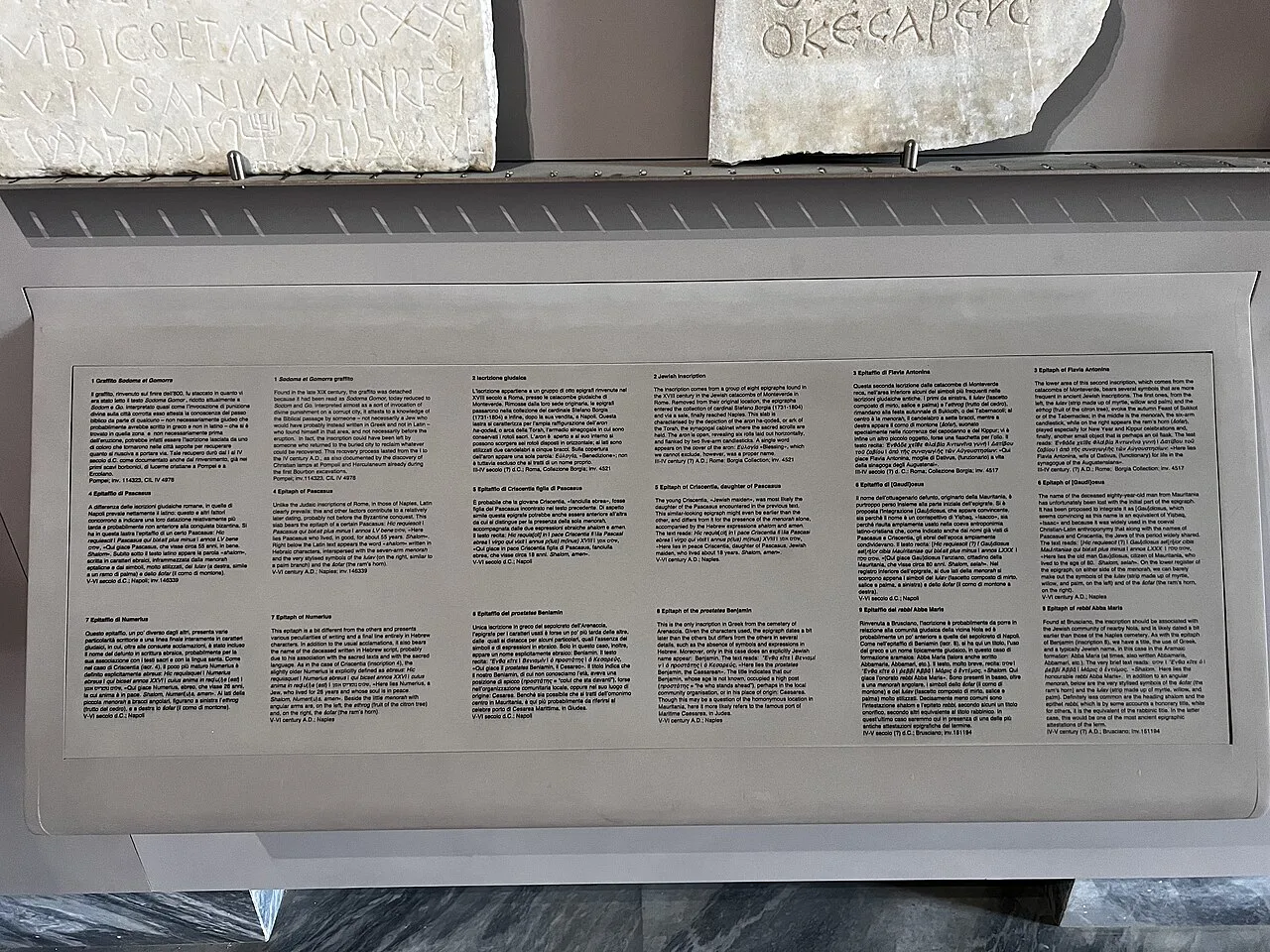
See 6 of the best museums in Naples, from the MANN's Farnese Collection to the Veiled Christ at Cappella Sansevero, plus 2026 booking tips and costs.
Read guide →
Compare the private Naples Pass, Campania Artecard, and Turbopass by price, inclusions, and Pompeii and Vesuvius access before you buy in 2026.
Read guide →
Dry-cluster neighborhoods, underground tours, indoor museums, and Metro Line 1 art stops to keep a wet Naples day on track in 2026.
Read guide →Keep exploring