

Hidden gems in Dublin reward travelers who step past the queues at the big-name sights. Marsh's Library beside St Patrick's Cathedral charges about €5 for entry and stays open until 5pm on weekdays through 2026. That single stop shows what this guide is really about: quieter, cheaper, and closer to how Dubliners actually spend their afternoons.
This guide moves past Temple Bar and the Guinness queues to show where locals actually relax. You'll find quiet parks, canal walks, neighborhood markets, and a few pubs that never bothered chasing tourists. For the city's headline sights alongside these quieter picks, the Dublin attractions guide rounds out a full visit.
Hidden Gems in Dublin You Shouldn't Skip
Several standout spots stay off most tourist itineraries despite sitting minutes from the city center. Locals treat them as everyday stops rather than photo opportunities, which keeps the pace slow and unhurried.
Many of these hidden gems in Dublin cost little or nothing to visit, which suits a longer stay. Several line up nicely with the free things to do in Dublin for a budget-friendly day. Pair one or two with a bigger sight so the day balances quiet moments against the busier stops.
Georgian doorways add another free, photogenic detour once you're already walking these streets. A short self-guided route past the Dublin doors takes about 30 minutes and costs nothing.
Families can extend the same walk into a game rather than a simple stroll. This doors of Dublin treasure hunt ideas gives kids a reason to spot colors and knockers instead of just walking past them.
- Iveagh Gardens behind Stephen's Green
- Type: Victorian garden with hedge maze
- Best for: quiet weekday mornings
- Where: off Harcourt Street
- Cost: free entry
- Blessington Street Basin near Phibsborough
- Type: converted reservoir park
- Best for: slow evening walks
- Where: north of the city center
- Cost: free entry
- Marsh's Library beside St Patrick's Cathedral
- Type: 18th-century reading room
- Best for: rainy afternoons
- Where: St Patrick's Close
- Cost: about €5
- The Gravediggers pub by Glasnevin Cemetery
- Type: traditional unpolished pub
- Best for: an honest pint
- Where: Glasnevin, north Dublin
- Cost: pint from about €6
| Gem | Type | Best for | Cost |
|---|---|---|---|
| Iveagh Gardens | Victorian garden with hedge maze | Quiet weekday mornings | Free |
| Blessington Street Basin | Converted reservoir park | Slow evening walks | Free |
| Marsh's Library | 18th-century reading room | Rainy afternoons | €5 |
| The Gravediggers pub | Traditional unpolished pub | An honest pint | ~€6 |
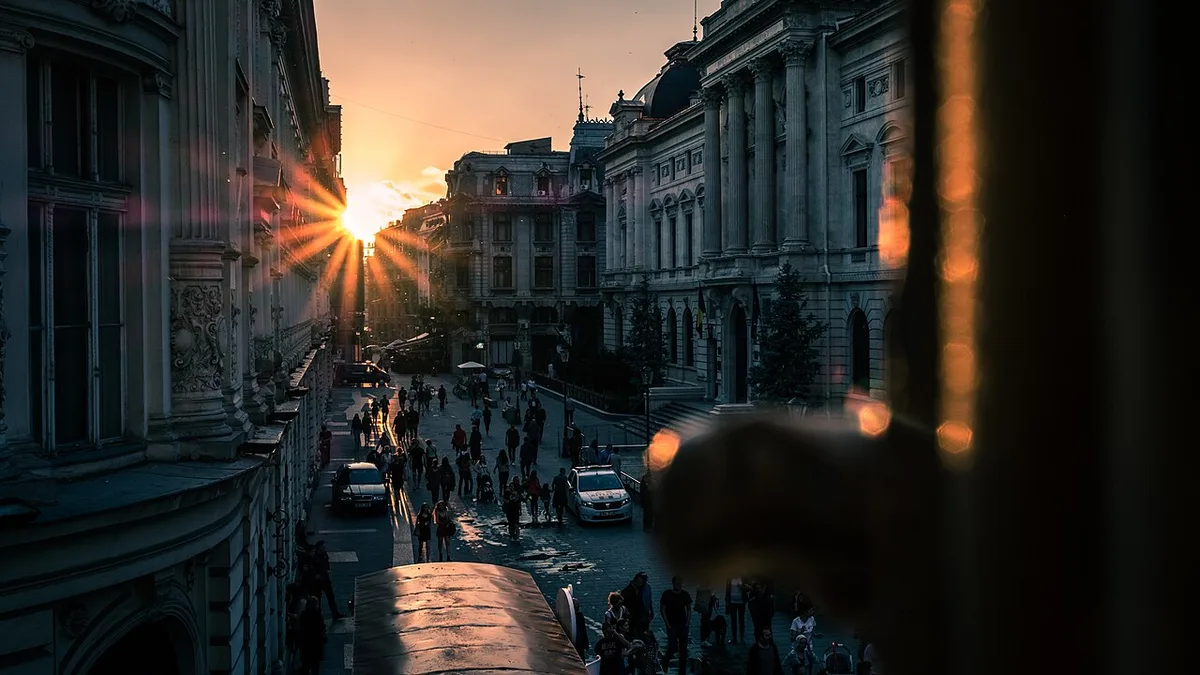
Escape the Center: Parks, Coast, and Big Sky
Dublin sits right on its bay, so real green space stays closer than most visitors expect. Phoenix Park alone ranks among Europe's largest walled city parks. Its Furry Glen corner stays quiet even when the main avenues fill up with joggers and tour groups.
Great South Wall stretches out toward the red Poolbeg Lighthouse, with nothing but wind, stone, and seabirds along the way. Golden hour turns the whole walk into one of the better spots to watch sunset in Dublin. Check conditions before heading out, since the path is exposed and can turn slippery in wet weather.
The Great South Wall is exposed to the elements and can turn slippery in wet weather. Check conditions before heading out, especially during winter or after rain.
North Bull Island adds dunes, wetlands, and birdlife just twenty minutes from the city center by tram. Early mornings and late afternoons bring the best light and the fewest other walkers on the strand.
Food, Drink, and Walking Tours With Local Flavor
Dublin's food and drink scene rewards travelers willing to skip the guidebook favorites. Liberty Market on Meath Street and Moore Street's produce stalls show a working city rather than a curated one. Go in the morning, bring small notes, and ask before photographing anyone at the stalls.
Visit Liberty Market and Moore Street in the morning when produce is freshest and vendors are most chatty. These are working markets for locals, not tourist attractions—show respect and take your time browsing.
If you'd rather follow a local than wing it, a small-group food walking tour keeps the pace easy. Book A FOOD WALKING TOUR (WITH A LOCAL TWIST) to taste a handful of spots without planning the route yourself. Most tours run two to three hours and cost between roughly €25 and €30 in 2026.
Weather in Dublin turns fast, so it helps to have an indoor backup ready. Covered market halls and the pubs above make solid options when the forecast doesn't cooperate. The Dublin rainy day guide lists more indoor picks if the clouds roll in during your visit.
Dublin at Night: Quiet Pints and Canal Walks
Nighttime in Dublin doesn't have to mean Temple Bar's crowded strip. Smithfield, Stoneybatter, and Portobello all offer calmer pubs where conversation still wins over noise. For a fuller list of after-dark options, the things to do in Dublin at night guide covers venues by neighborhood.
Traditional music sessions feel most genuine in small, unbranded pubs rather than staged show venues. A guided Dublin Literary Pub Crawl mixes storytelling with a handful of stops if you want context with your pint. Expect roughly two hours on your feet, moving between pubs at an easy pace.
A slow walk along the Grand Canal can be a nice way to end the night. Stick to lit stretches, keep valuables out of sight, and remember people live along the water. Treat it like someone else's neighborhood rather than a stage for photos.
Stoneybatter and The Liberties: Real Dublin Neighborhoods
Some of Dublin's best hidden gems aren't single stops at all, but entire neighborhoods. Stoneybatter keeps its old terraced streets even as new cafes and small shops move in.
The Liberties carries Dublin's distilling history, but whiskey tours are only part of the story. Walk the side streets past bakeries and old pubs to see daily life that keeps moving regardless of visitors. Give yourself an unhurried hour here rather than treating it as a quick photo stop.
Both neighborhoods pair well with a slower second day once you've covered the main sights. If you're mapping out your schedule, the 2 days in Dublin itinerary shows where a neighborhood walk fits best. Wear comfortable shoes, since both areas reward wandering more than checking off a list.
Frequently Asked Questions
What are the best hidden gems in Dublin for first-time visitors?
Start with free, walkable picks like Iveagh Gardens, Blessington Street Basin, and Marsh's Library. Each sits within a short walk of the city center and costs little or nothing to visit. Pairing one of these with a bigger sight rounds out a first Dublin visit nicely.
Is the Dublin Pass worth using for hidden gems?
Most hidden gems in this guide are free or low-cost, so a paid pass isn't required for them specifically. It still makes sense if you're combining quieter spots with paid attractions like the Guinness Storehouse or Kilmainham Gaol. Check whether it pencils out for your plans in the Dublin Pass guide.
How much time should I set aside for Dublin's hidden gems?
Half a day covers two or three spots without rushing, especially if you mix a park with a pub or market. A full day lets you add a neighborhood walk through Stoneybatter or The Liberties. Spread picks across a few days if you're also seeing the major sights.
What should I avoid when planning off-the-beaten-path spots in Dublin?
Don't cram too many quiet spots into one afternoon, since the appeal is a slower pace, not a checklist. Skip driving into the center, since most of these gems sit close together and suit walking. Check seasonal opening hours before building a plan around parks or libraries, since these change through the year.
Dublin's hidden gems reward a slower, more curious kind of visit. None of these spots demand a full day, so they slot easily around the sights you already planned to see. Pick two or three that match your pace, and let the rest of the trip stay flexible.
Prices and opening hours shift year to year, so confirm details before you build a tight schedule around them. Start with one neighborhood, one park, and one pub, then let the city fill in the rest.