

Hidden Gems in Dublin
Discover hidden gems in Dublin for 2026 - quiet parks, local pubs, and free walks past the crowds, plus prices and timing tips for a smoother trip.
Read guide →Dublin travel guides for 2026: itineraries, day trips, hidden gems, museums, free things to do and city-pass advice — every Dublin planning guide in one hub.

Everything we've published on visiting Dublin, in one place: 14 trip-planning guides covering itineraries, day trips, hidden gems, the best viewpoints and museums, family and rainy-day options, and honest advice on city passes. Each guide is written for a specific decision you make while planning a trip to Dublin, Ireland.
Looking for individual landmark tickets, opening hours and worth-it advice? See our Dublin attractions hub, with 14 dedicated visitor guides.
This hub brings together our most detailed Dublin planning guides in one place. For ticket prices, opening hours, and ratings for individual attractions and museums, see our dedicated Dublin attractions hub.
Dublin's compact center means the headline sights fit into a shorter trip than most capitals — but the timed-entry culture punishes improvisation, starting with the Book of Kells, where the basic access ticket starts from €19 in 2026 and popular slots sell out days ahead. If you only have 24 hours, the first-timer's one-day plan sequences Trinity College, the castle quarter and an evening pub crawl into a single walkable loop. With a weekend, the two-day route spreads the paid attractions across both mornings so you are never queuing at peak time, while the three-day itinerary frees up an afternoon for the coast or a slower museum day. Three days is the sweet spot: enough for the big tickets, a neighborhood wander and one out-of-town excursion.
Whatever length you settle on, structure beats ambition here. The paid heavyweights cluster within walking distance of each other, so use mornings for timed tickets and save afternoons for the free national institutions, parks and coastal rambles that don't care when you arrive. Leave pub time unscheduled — the best trad sessions are found by wandering, not booked in advance. And when rain rewrites the schedule (it will), swap an afternoon rather than a morning: timed tickets forgive nothing, while the free museums forgive everything.
Dublin's paid attractions add up quickly, which is why the pass question comes up so often. A one-day Dublin Pass runs roughly €80 to €90 for an adult in 2026, and our full Dublin Pass review shows it pays for itself only after about three mid-tier attractions or two premium ones in a single day. The counterweight is that Dublin is unusually generous with free sights: the free things to do guide covers parks, galleries and coastal walks that cost nothing, and the National Museum of Ireland — home to the bog bodies and Iron Age gold — charges no admission at all. Longer passes shift the math: five-day versions land closer to €160 to €165 — only about double the one-day rate — so slow-paced sightseers get proportionally better value than weekend sprinters. Either way, tally your actual shortlist before buying anything: many visitors do better mixing two paid bookings with an otherwise free day than chasing a pass's break-even point around the city.
Six Dublin heavyweights reward advance planning. The Guinness Storehouse starts from €22 per person for self-guided entry booked online — walk-up prices run higher. At Trinity College, the Book of Kells and Old Library access ticket starts from €19, with guided versions from €65. Kilmainham Gaol is the best €8 you will spend in the city, but entry is by guided tour only and slots vanish fast — book the moment your dates firm up. The EPIC Irish Emigration Museum rewards early planners most directly: €22 at the door drops to €17.60 if you book 30 or more days ahead. Rounding out the list, St Patrick's Cathedral charges €11.50 for adults, and Dublin Castle is a bargain at €8, open daily from 9:45am to 5:45pm. Two more worth weighing if the shortlist has room: standard tours at Jameson Distillery Bow St start from about €26 per adult (seniors and students €23), and guided tours at Glasnevin Cemetery cost from €17, or €22 with the O'Connell Tower climb — both reward booking a day or two out rather than turning up on spec. Christ Church Cathedral is the easier walk-in: €12 for adults, open Monday to Saturday from 9am with last admission 45 minutes before close, and it pairs naturally with Dublin Castle in the same quarter for a compact half-day.
Dublin weather will hand you at least one wet spell, so build in a fallback: the rainy-day guide strings together indoor museums, whiskey distilleries and covered markets in an order that minimizes time outside. Traveling as a family changes the calculus again — Dublin Zoo in Phoenix Park costs €26.50 at the gate but drops to about €22.50 booked online, with gates opening daily at 9:30am, and the Dublin with kids guide pairs it with free parks and hands-on museums so the paid stops stay occasional rather than constant. For a compact wet-weather slot, the Little Museum of Dublin runs entry by a 29-minute guided tour — €18 for adults, open daily 9:30am to 5pm — which is short enough to slot between showers. On brighter days, simply flip the plan: park and coast first, museums held in reserve. Since the zoo sits inside Phoenix Park itself, a dry morning combines the two naturally — the parkland costs nothing, and the zoo's online discount rewards deciding the night before rather than at the gate.
Once the city core is done, the coast and the mountains are closer than they look. Howth sits only 30 minutes from central Dublin by DART, while trains from Connolly Station reach Belfast in about two hours and ten minutes with fares starting around €13 one-way in 2026 — our day trips guide compares Wicklow, Kilkenny, Belfast and the coastal villages by travel time and cost, including no-car options. Booking ahead matters most for Belfast and the Cliffs of Moher in peak summer months, while shoulder-season trips can usually be decided the night before; coastal walkers get more from Howth or the Bray Head cliff path than from a long coach day. Evenings need less planning but benefit from a shortlist: the Dublin at night guide sorts the trad-music pubs from the tourist traps, and if the sky cooperates, the viewpoints guide covers the rooftops, hills and coastal walks worth timing for golden hour.
Discover hidden gems in Dublin for 2026 - quiet parks, local pubs, and free walks past the crowds, plus prices and timing tips for a smoother trip.
Read guide →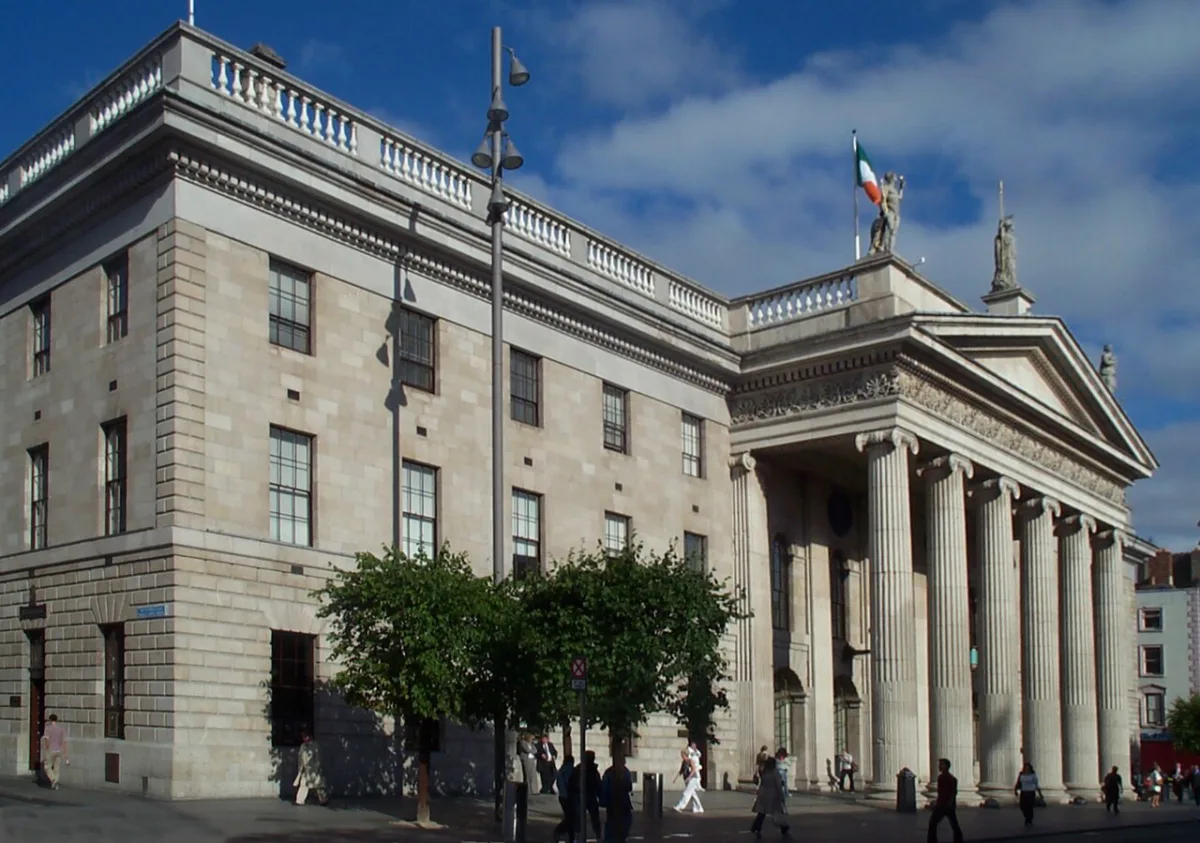
Is the Dublin Pass worth it in 2026? Compare real pricing, sample savings math, and pass inclusions before you book a Dublin sightseeing pass online.
Read guide →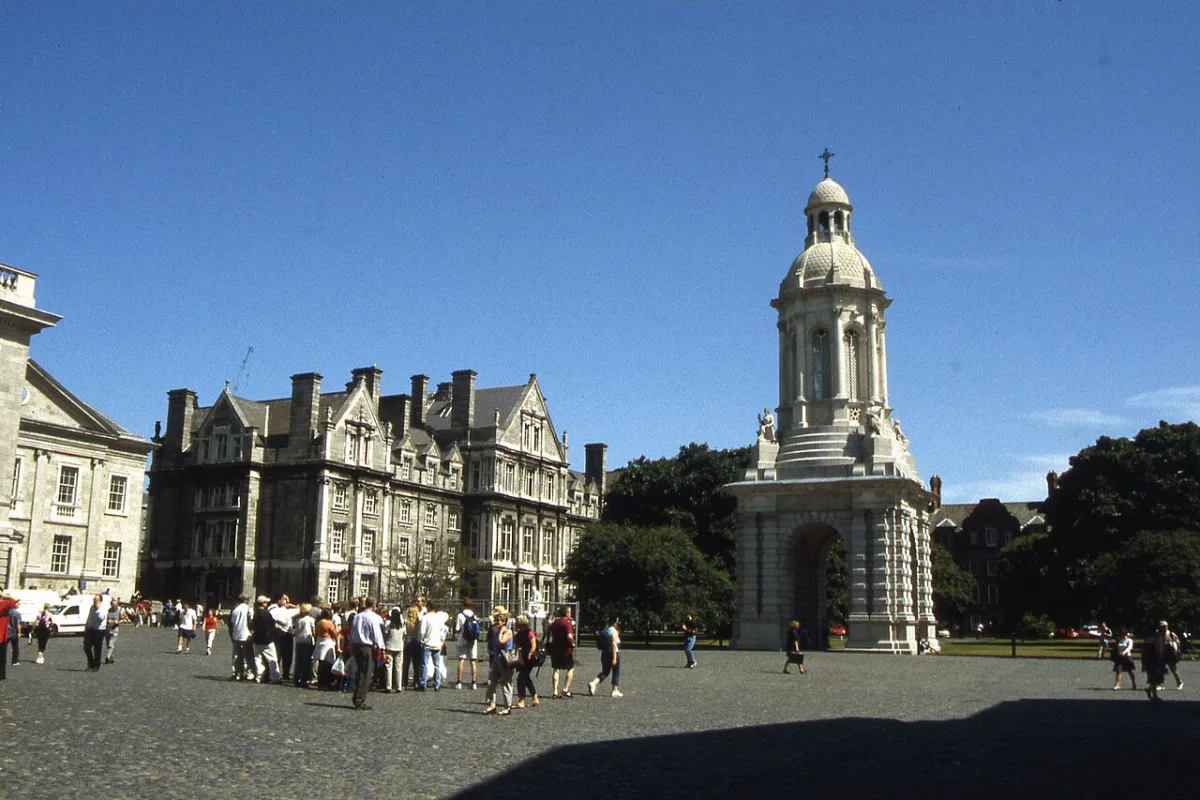
Plan the perfect one day in Dublin itinerary for 2026 with timed-entry tips, walkable stops, and an hour-by-hour plan. Start exploring today.
Read guide →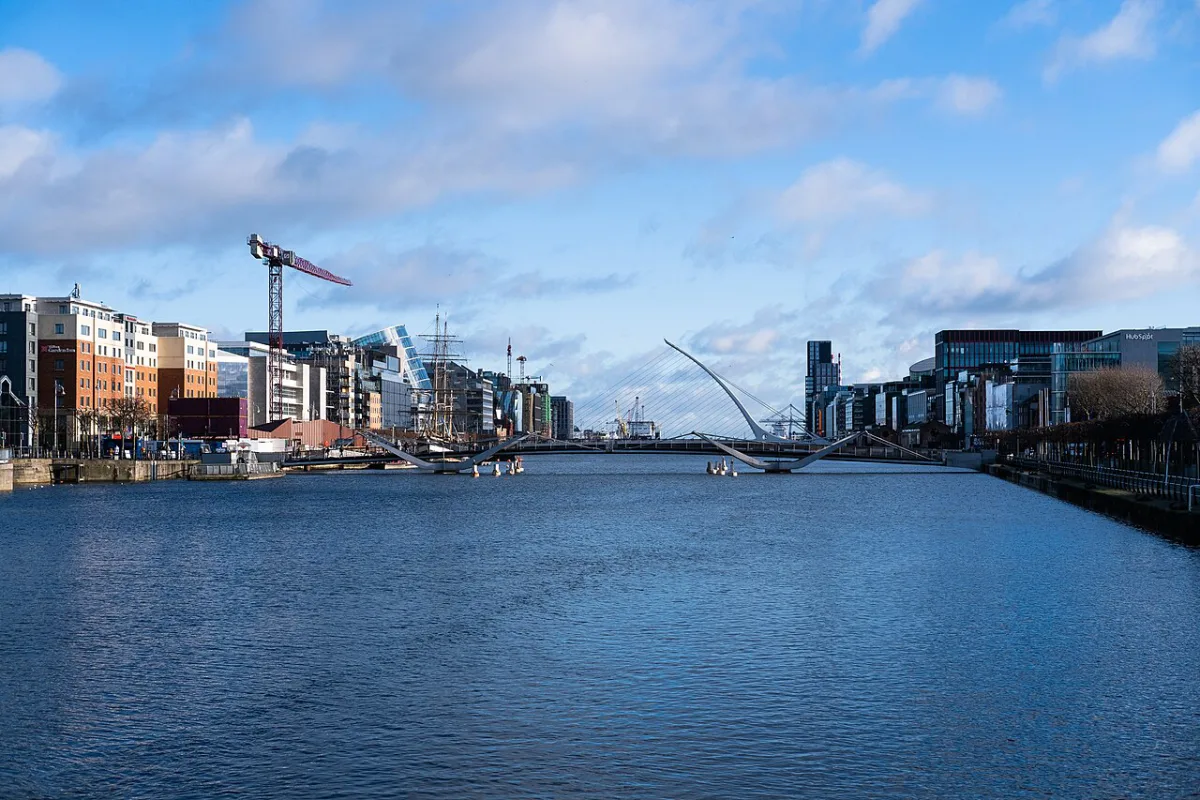
Plan the perfect 2 days in Dublin itinerary for 2026 with a day-by-day route, real costs, booking tips, and where to stay. Start planning now.
Read guide →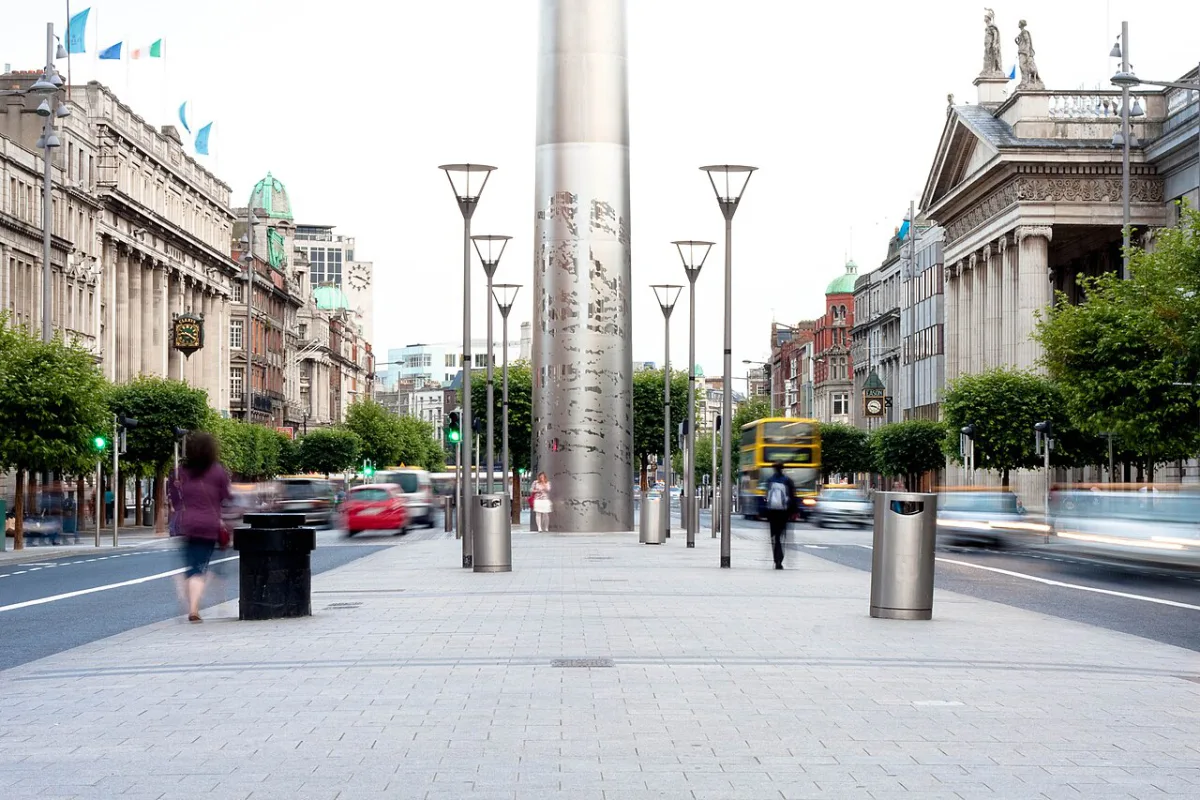
Plan the perfect 3 days in Dublin itinerary with a day-by-day plan, ticket tips, costs, and neighborhood picks. Map out your 2026 Dublin trip now.
Read guide →
Discover the 10 best museums in Dublin worth visiting in 2026, with real prices, hours, booking tips, and honest advice on which stops to skip.
Read guide →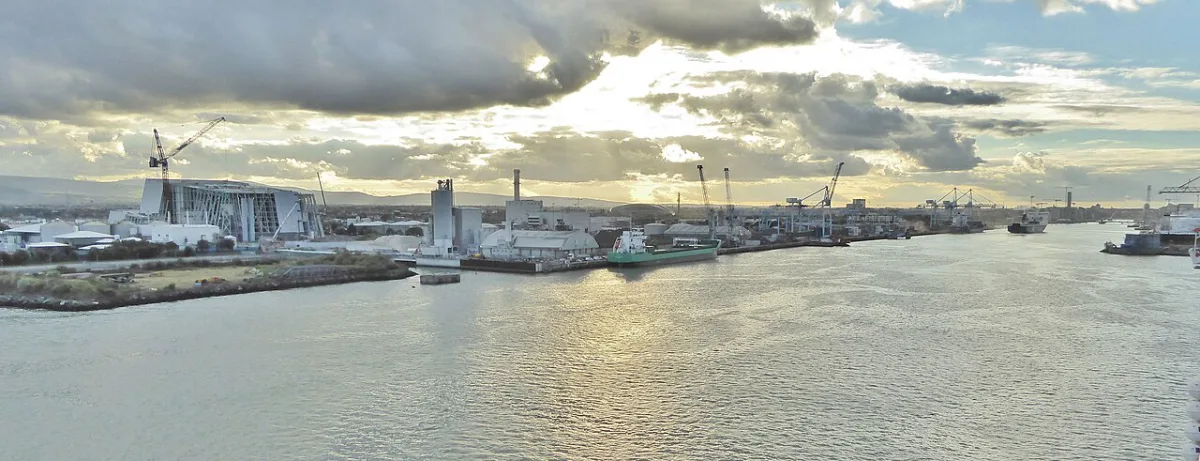
Find the 9 best viewpoints in Dublin for 2026, with current prices, opening hours, and access tips for rooftops, hills, and coastal walks today.
Read guide →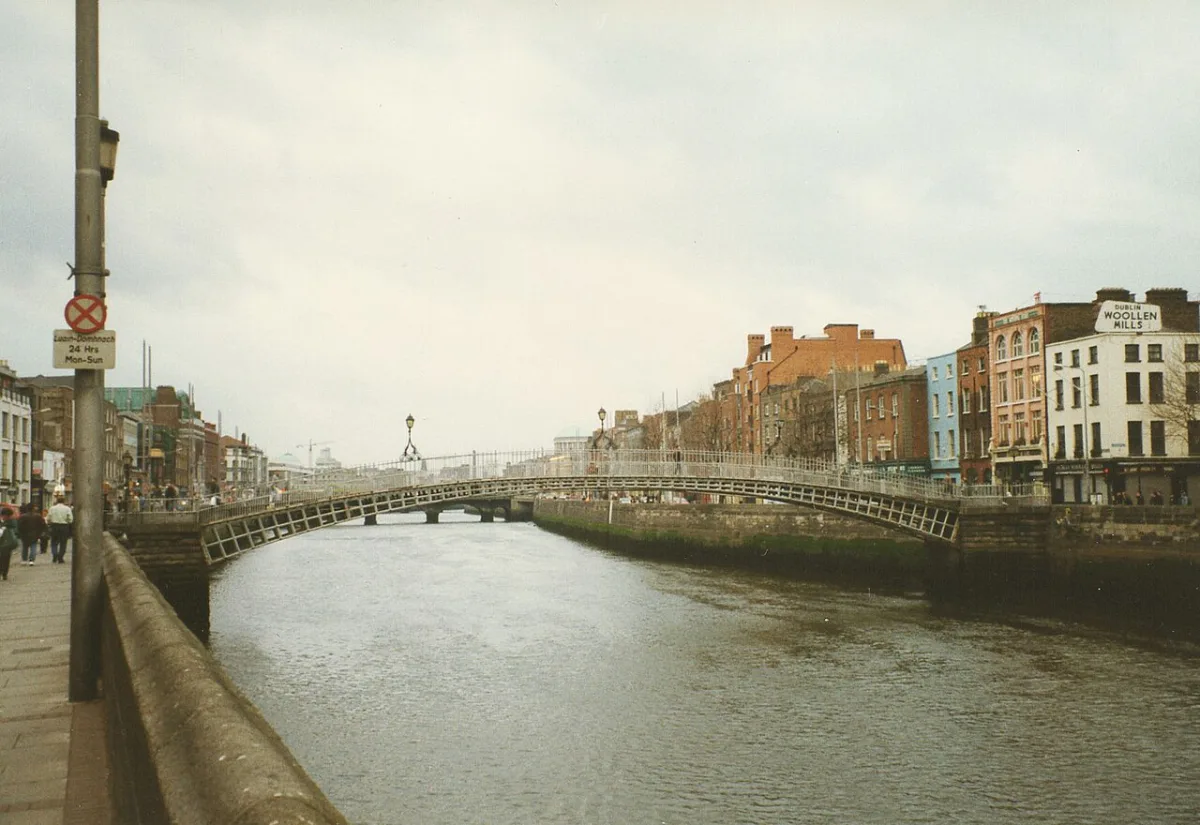
Discover the 9 best photo spots in Dublin, from Georgian doorways to coastal walks, with 2026 prices, hours, and getting-there tips inside now.
Read guide →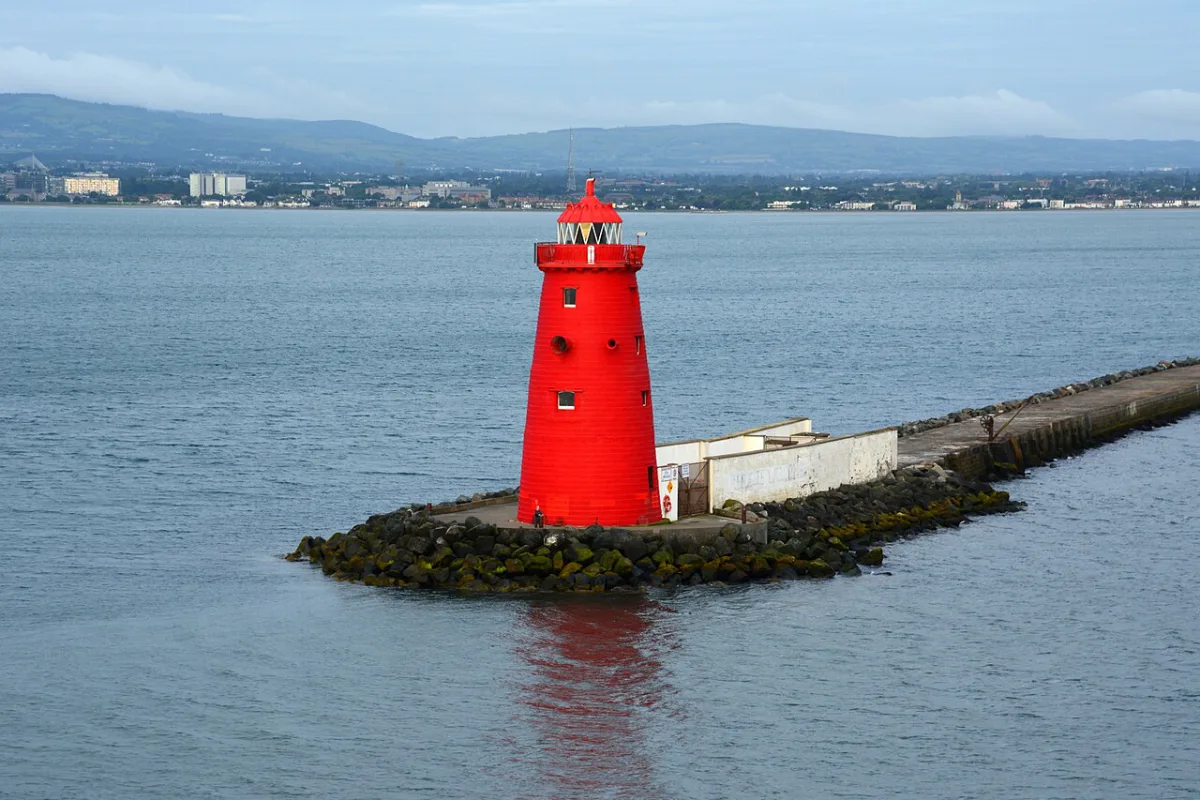
Discover where to watch sunset in Dublin, from Killiney Hill and Dun Laoghaire Pier to the Guinness Storehouse Gravity Bar. Plan your 2026 evening now.
Read guide →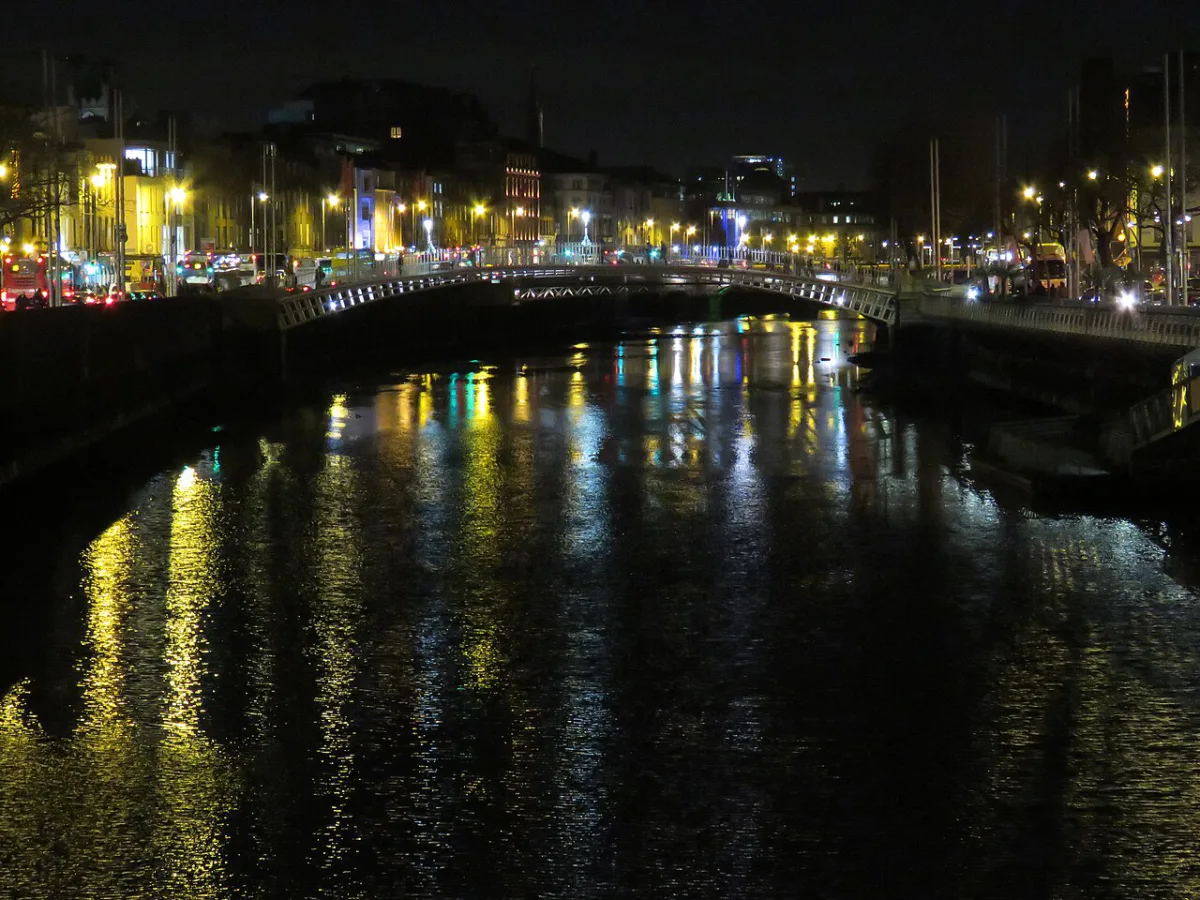
Discover the 10 best things to do in Dublin at night in 2026 - pubs, live music, and free walks with real prices and hours to help you plan.
Read guide →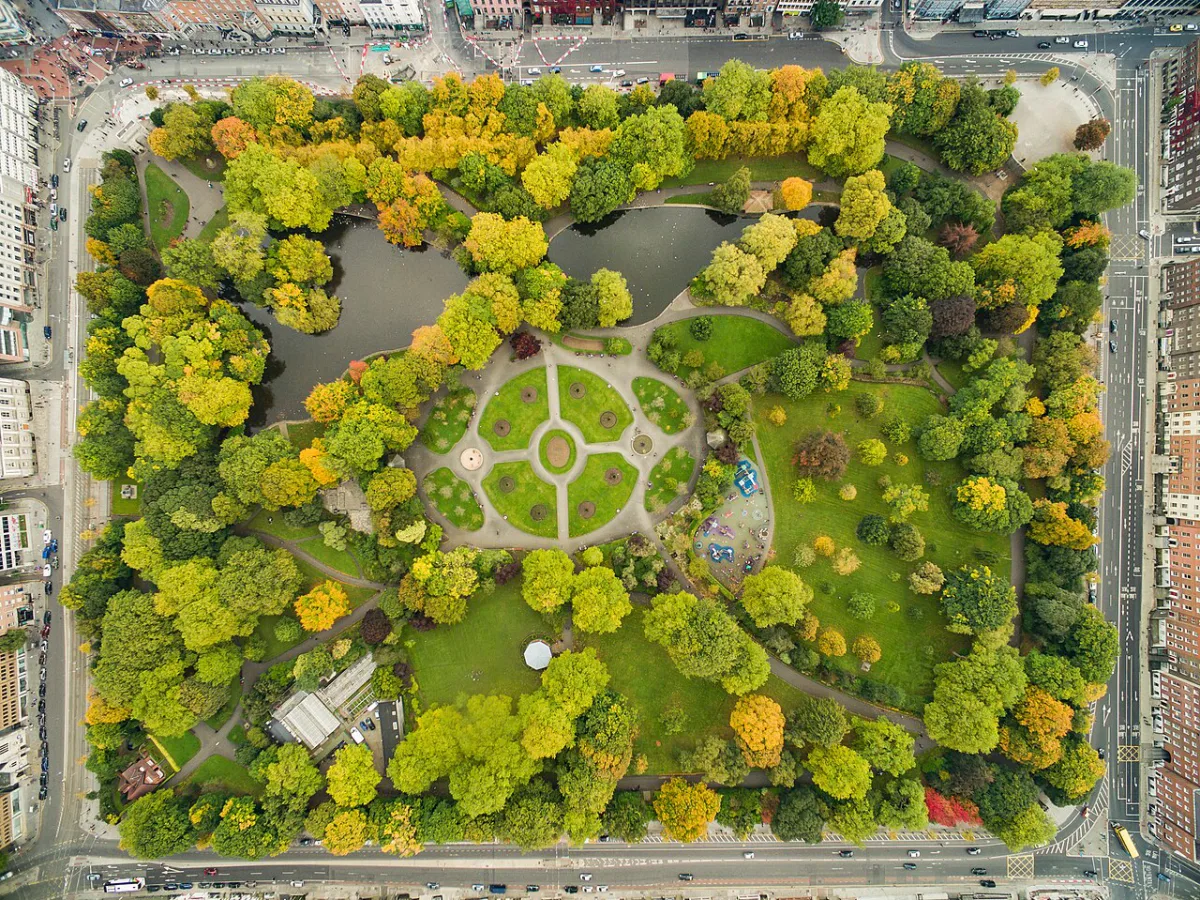
Plan a Dublin with kids trip around free parks, top museums, and easy day trips, plus 2026 prices, hours, and booking tips for a smoother visit.
Read guide →
Discover 10 free things to do in Dublin in 2026, from world-class museums and parks to coastal walks, with real hours, prices, and tips for your visit.
Read guide →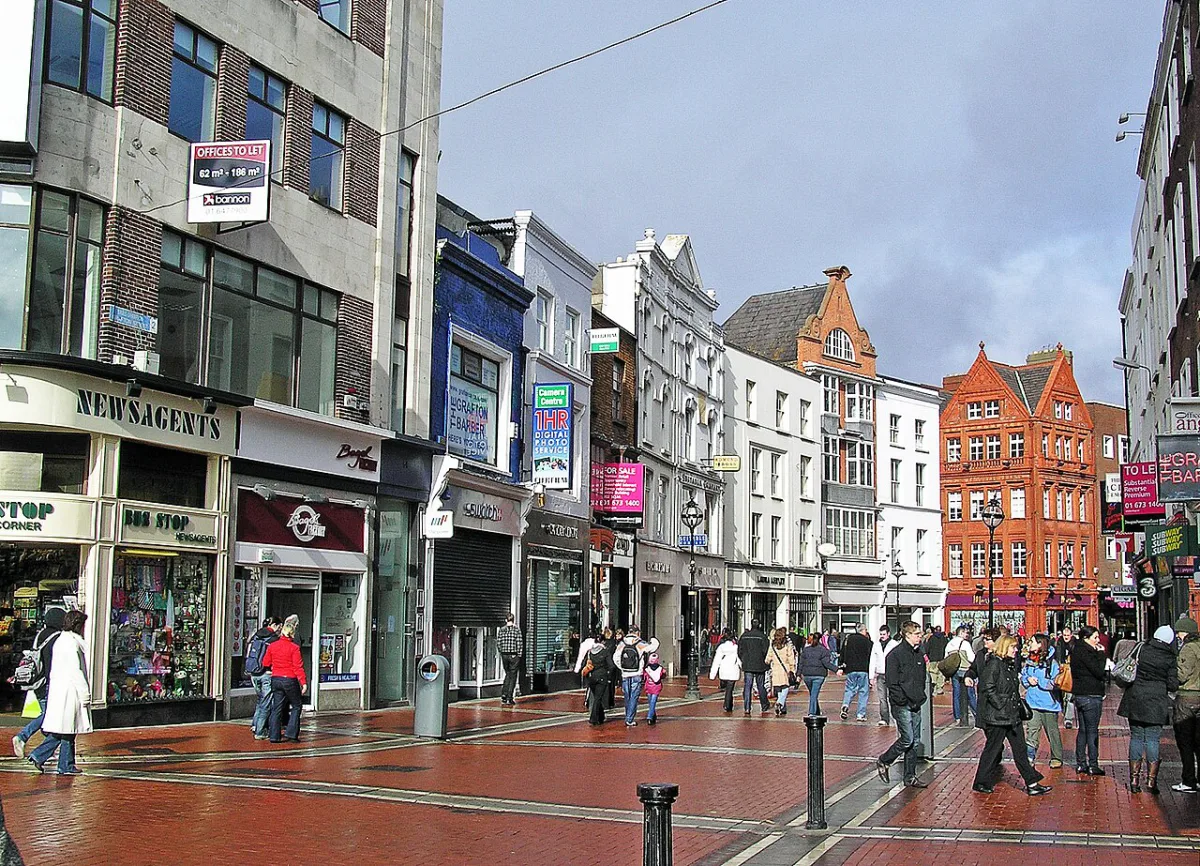
Plan Dublin on a rainy day with indoor museums, whiskey distilleries, and budget-friendly picks, plus 2026 hours, prices, and timing tips for a smooth visit.
Read guide →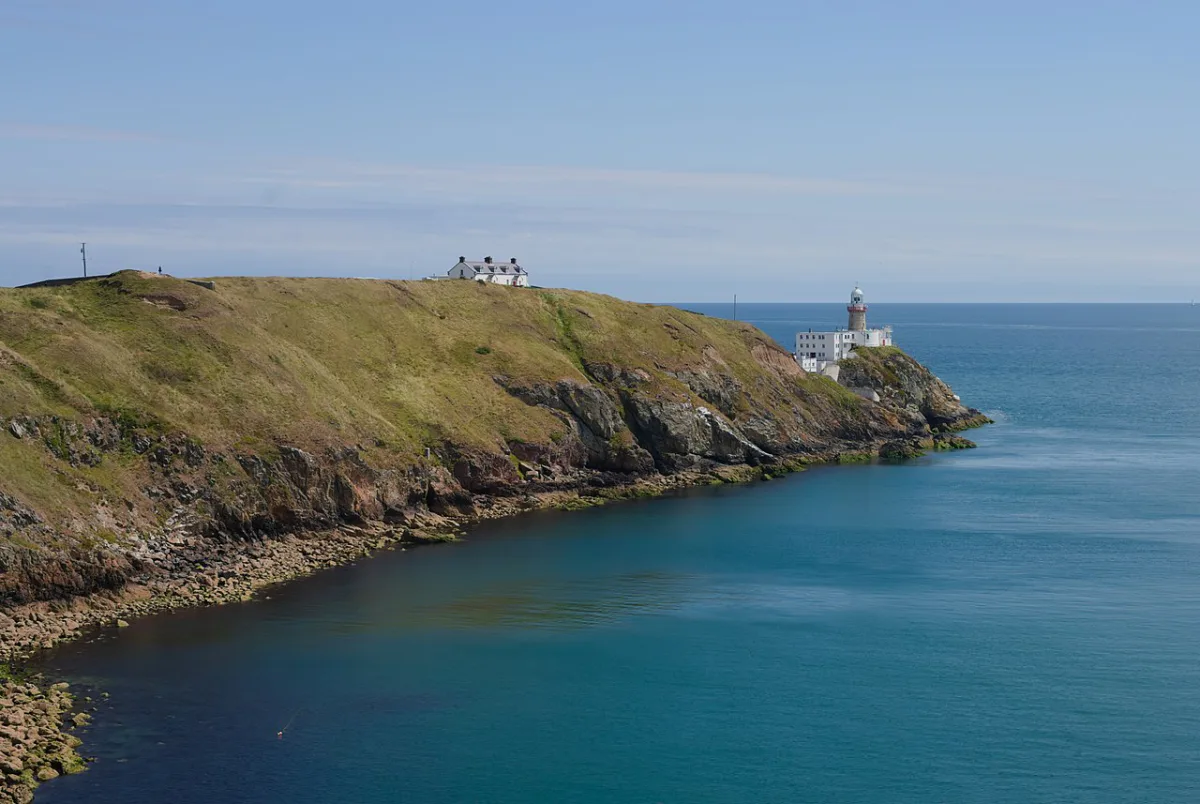
Plan the best day trips from Dublin in 2026, with train times, ticket costs, and no-car options for Wicklow, Belfast, Kilkenny, and beyond it all.
Read guide →