
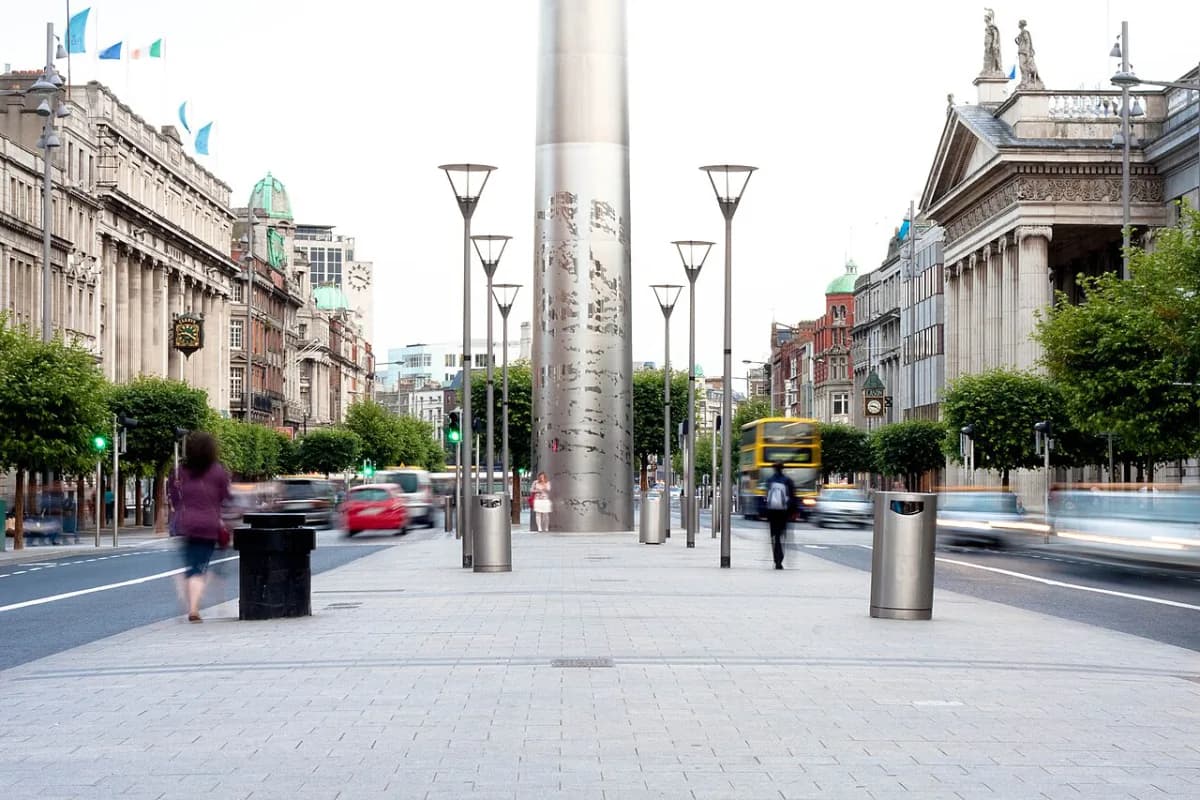
A well-paced 3 days in Dublin itinerary gives first-timers enough time to see the essentials. Repeat visitors can use the same frame and swap in neighborhoods they missed before. The plan below covers Trinity College, Temple Bar, Kilmainham Gaol, and a coastal day trip.
Updated July 2026, this guide reflects current opening hours and admission prices. Book of Kells tickets at Trinity College Dublin run about €18 to €20 and open daily from 9:30am. First-timers get the full highlight reel, while repeat visitors can slow down and go deeper.
Each day below groups sights by neighborhood, so walking time stays short. See the Dublin attractions guide for extra sights beyond this plan. Costs, hours, and transit times below reflect typical 2026 patterns, not exact schedules.
Your 3 Days in Dublin Itinerary: At a Glance
The snapshot below breaks the trip into three manageable days. Each day groups nearby sights so you spend less time on transit. Day 1 covers the old city core; Day 2 covers Kilmainham and Guinness; Day 3 heads to the coast.
Morning starts are worth protecting, since Trinity College gets busy by 11am. Afternoons lean toward shopping, museums, or garden walks depending on the day. Evenings shift from Temple Bar music to a Guinness rooftop to a seaside dinner.
Museum lovers can extend Day 2 using the best museums in Dublin guide. Rain can complicate the coastal walk on Day 3, so keep a backup museum stop ready. Swap days around if the Guinness Storehouse shows earlier availability online.
- Day 1: Trinity College & literary Dublin
- Morning: Trinity College campus and Book of Kells
- Afternoon: Grafton Street, St. Stephen's Green walk
- Evening: Temple Bar pubs and live music
- Day 2: Castle history & Guinness views
- Morning: Dublin Castle and Chester Beatty Library
- Afternoon: Kilmainham Gaol guided tour
- Evening: Guinness Storehouse rooftop pint
- Day 3: Howth coastal walk & harbor views
- Morning: DART train to Howth village
- Afternoon: Howth Head cliff walk
- Evening: Seafood dinner back in Dublin
Day-by-Day 3-Day Dublin Itinerary
The plan below spells out timing, cost ranges, and transit for each stop. Admission runs roughly €8 to €22 per site, and most attractions open by 9:30am or 10am. Public transit costs about €2 to €3 per Leap Card tap across the city.
Day 1 visitors who arrive at Trinity College before opening avoid the worst queues. Grafton Street stays lively into the evening, with buskers near the top end. Temple Bar pubs charge a premium, so locals often start the night one street over.
Day 2 crowds build at Kilmainham Gaol by midday, so an early tour slot helps. The Guinness Storehouse rooftop counts as one of the better viewpoints in Dublin, especially near sunset. Day 3 travelers who take an early DART beat the midday Howth crowds.
- Day 1: Trinity College and Dublin's literary quarter
- Morning: Book of Kells tour, arrive by 9:45am
- Afternoon: Grafton Street shops, St. Stephen's Green picnic
- Evening: Temple Bar trad session, casual pub dinner
- Time: Full day, roughly 9am to 9pm
- Logistics: Everything is walkable in city centre
- Optional: Swap Temple Bar for a quieter pub
- Day 2: Dublin Castle, Kilmainham Gaol, and Guinness
- Morning: Dublin Castle grounds and Chester Beatty Library
- Afternoon: Kilmainham Gaol tour, book ahead online
- Evening: Guinness Storehouse rooftop bar at sunset
- Time: Full day, start Kilmainham tickets early
- Logistics: Tram or taxi between Kilmainham and Guinness
- Optional: Skip Kilmainham, add Chester Beatty extra time
- Day 3: Howth Village Coastal Day Trip
- Morning: DART train to Howth, about 30 minutes
- Afternoon: Howth Head cliff walk, sea views
- Evening: Fresh seafood, then DART back to Dublin
- Time: Half-day trip, back by early evening
- Logistics: DART runs every 15 to 20 minutes
- Optional: Rainy day, swap for National Gallery visit

Book Tickets in Advance for Dublin
Book of Kells tickets sell out fast, so reserve on the Trinity College Dublin website 2 to 3 weeks ahead. Kilmainham Gaol tours often sell out same-day, so book 1 to 2 weeks ahead online. Guinness Storehouse tickets rarely need more than a few days notice in most seasons.
Book of Kells tickets and Kilmainham Gaol tours are the two must-reserves. Aim for 2–3 weeks for Book of Kells and 1–2 weeks for Kilmainham to avoid same-day sellouts.
Smaller sites reward early booking too, including The Little Museum of Dublin, which caps tour group sizes. A Dublin Pass can help decide which paid sites to prioritize; see this Dublin Pass breakdown first. Most museums list current hours online, and patterns shift around Irish bank holidays.
Expect general admission in the €8 to €22 range across paid attractions in 2026. Free sites like the National Gallery and Christ Church crypt still benefit from early arrival. Weekday mornings consistently draw smaller crowds than weekend afternoons across the city center.
Add an Extra Day: Dublin Day Trips
Travelers with a fourth day gain the most from a trip beyond Dublin city limits. Wicklow's Glendalough monastery and lake sit about 90 minutes south by coach. For a longer trip, book this day tour to the Cliffs of Moher and Galway from Dublin instead.
Travelers who prefer to stay closer can browse the day trips from Dublin guide for shorter options. Guided options remove the guesswork, including a popular walking tour of Dublin for the extra day itself. Most day tours depart between 7am and 8am and return by early evening.
Budget €60 to €90 per person for a guided day tour, excluding meals. Self-driving costs less but adds parking fees and unfamiliar rural roads. Rail and coach combos work well for Wicklow and cost under €30 round trip.
Where to Stay for Your Dublin Trip
Temple Bar and Dublin 2 put most major sights within a 15-minute walk. Rooms here run higher, often €150 to €220 a night for a mid-range hotel in 2026. Noise carries late into weekend nights, so light sleepers may want a side street.
Smithfield and Stoneybatter sit a short walk north of the Liffey and cost less. Expect €90 to €140 a night here, with a quieter, more local feel. The area suits travelers who don't mind a 10 to 15 minute walk to Temple Bar.
Families often prefer the docklands area near the Aviva Stadium for newer apartment-style stays. Trams and buses connect the docklands to the city center in about 15 minutes. Whatever the base, staying inside the M50 ring keeps transit times predictable.
Is 3 Days in Dublin Enough?
Three days works well for most first-time visitors who stick to the city center. Travelers short on time can trim this down using the one day in Dublin itinerary instead.
Those with a bit more time might prefer the 2 days in Dublin itinerary as a shorter base plan. The extra day mainly buys room for a slower pace or a coastal add-on.
The biggest mistake is packing too many sights into a single afternoon. Dublin weather shifts quickly, so pack a light rain jacket even in summer. Central neighborhoods stay safe for walking after dark, though usual city caution still applies.
Dublin weather is unpredictable year-round. Even on forecast-sunny days, bring a light rain jacket — showers can hit fast and catch you without shelter on outdoor walks like Howth Head.
Leap Card fares apply to buses, trams, and the DART, typically €2 to €3 a ride. Pubs expect a modest tip for table service, though it isn't required at the bar.
Frequently Asked Questions
Is 3 days in Dublin enough time to see the city?
Three days is enough for most first-time visitors who focus on the city center. You'll cover Trinity College, Temple Bar, Kilmainham Gaol, and the Guinness Storehouse comfortably. Add a fourth day if a coastal or Wicklow day trip interests you.
How much does a 3-day Dublin itinerary cost?
Budget €250 to €400 per person for three days, excluding flights and lodging. Attraction tickets run €8 to €22 each, and a Leap Card covers local transit for a few euros a day. Meals and pub visits add the biggest swing in cost.
What's the best way to get around Dublin in 3 days?
Walking covers most sights in the city center, since distances stay short. A Leap Card handles buses, trams, and the DART train for day trips like Howth. Taxis and rideshares usually work best late at night or in bad weather.
Should you add a day trip to a 3-day Dublin itinerary?
A day trip works well if the schedule allows a fourth day. Popular options include Wicklow's Glendalough, Howth's coastal walk, or a longer trip to the Cliffs of Moher. Most guided tours run about 8 to 10 hours round trip from the city center.
Three days in Dublin covers the highlights without feeling rushed. Book the big-ticket sights ahead, group stops by neighborhood, and leave room for a pub stop. Add a fourth day for Wicklow or the Cliffs of Moher if the schedule allows.
Prices and hours shift, so confirm details before locking in a final schedule. The plan above gives a realistic, walkable base for a first Dublin trip in 2026.