

Editors at Eurolandmarks checked every entry here against current 2026 hours and ticket prices. Fisherman's Bastion sets the pattern: the courtyard is free all day, while the upper terrace runs about 1,000 to 1,500 forints. That upper terrace stays open daily from 9am to 7pm, with hours shifting slightly by season. This mix of free viewpoints and small paid terraces repeats across the city, so a little cash upfront saves time later.
This guide was refreshed in July 2026 to reflect current bath prices, basilica lookout hours, and bridge lighting schedules. Budapest splits neatly into hilly Buda and flat Pest, and the best photo spots in Budapest sit on both banks of the Danube. Some locations reward an early alarm, while others only come alive after the sun goes down.
The list below mixes riverside icons, a hilltop viewpoint, an indoor spa hall, and one lively market district. Each entry includes typical cost, hours, and a timing tip drawn from how the crowds actually move through the city. A planning section follows with advice on sequencing a shoot and a note on which popular spots tend to disappoint in person.
10 Best Photo Spots in Budapest for 2026
The ten spots below cover both riverbanks, from grand state buildings to a bronze memorial that stops visitors mid-stride. Some are free at any hour, and a few require a ticket or a well-timed visit to dodge the crowds. For a full rundown of ticketed sights across the city, see the Budapest attractions guide, which covers hours and prices in more detail.
Order here follows how a single day of shooting tends to flow, from Castle Hill in the morning to the river at dusk. Reorder freely based on where you're staying or which light you want most. Each entry notes the neighborhood so nearby stops are easy to group together.
Bring a printed map or an offline app, since data coverage can drop inside some of the older buildings. Comfortable shoes matter more than camera gear on the Buda Castle side, where the hills are steep. A tripod is fine at most outdoor spots, but check individual venue rules before setting one up indoors. St. Stephen's Basilica's dome rises 96 meters, according to the basilica's own visitor guide, making it one of the city's tallest permitted structures.
Sunrise draws far fewer people than sunset at almost every spot on this list. Fisherman's Bastion and Buda Castle both empty out fastest between 6am and 7:30am, before tour buses arrive.
- Fisherman's Bastion at Sunrise
- This neo-Gothic terrace above Buda's Castle District was completed in 1902 as a lookout point.
- The courtyard is free any time, and the upper terrace costs roughly 1,000 to 1,500 forints.
- That paid section runs daily from about 9am to 7pm, with hours shifting slightly by season.
- Tour buses start arriving by 8am, so sunrise gives the cleanest shots of the turrets and skyline.
- Hungarian Parliament Building from the Danube Bank
- This Gothic Revival landmark sits on the Pest bank and took seventeen years to finish.
- Viewing it from the embankment costs nothing and stays open at any hour of the day or night.
- Interior dome tours run roughly $14 to $32 per adult and often sell out in peak season.
- The building's floodlights switch on shortly after dusk, which makes the reflection shot strongest at blue hour.
- Szechenyi Chain Bridge at Twilight
- Opened in 1849, this suspension bridge was the first permanent crossing built over the Danube.
- Walking across costs nothing and the bridge stays open to pedestrians around the clock.
- Stone lions and lamps illuminate roughly thirty minutes after sunset, giving the structure a warm glow.
- The middle span offers a symmetrical frame toward Castle Hill once traffic thins out late in the evening.
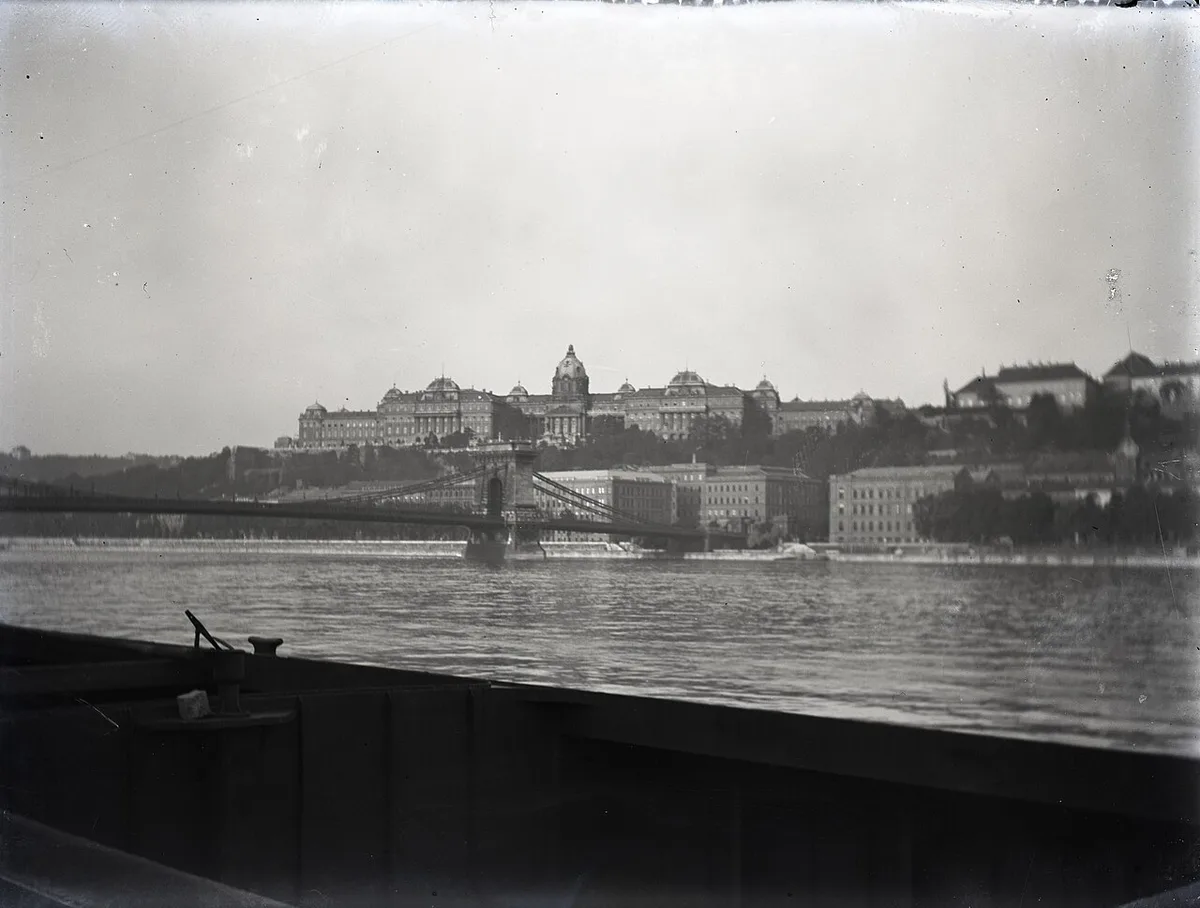
- Buda Castle and the Castle Hill Funicular
- This Neo-Baroque palace complex was declared a UNESCO World Heritage Site in 1987.
- Grounds are free, and the funicular ride costs about 1,200 to 2,400 forints round trip.
- Museums inside the complex open Tuesday through Sunday, roughly 10am to 6pm, and close on Mondays.
- The castle photographs best from the Pest riverbank right as its floodlights ignite at dusk.
- Gellert Hill Citadella Lookout
- This Habsburg-era fortress sits above both riverbanks and offers one of the widest panoramas in the city.
- Outdoor viewpoint areas are free, while a small exhibit inside charges roughly 3,000 to 4,000 forints.
- The climb involves a steep staircase, so sturdy shoes help more than a heavy camera bag.
- Arriving about forty-five minutes before sunset usually secures a spot along the railing.
- Szechenyi Thermal Baths Interior
- One of Europe's largest thermal bath complexes, this Neo-Baroque hall opened its doors in 1913.
- Day tickets run roughly $22 to $30, and the baths open daily from 6am to 10pm.
- Outdoor pools photograph best with steam rising during the early opening window in cooler months.
- Weekend crowds build fast after 9am, so an early visit keeps the water calmer for reflections.
- Great Market Hall Interior Balcony
- Built in 1897, this Neo-Gothic market hall spreads produce, meat, and souvenir stalls across three floors.
- Entry is free, and hours run roughly 6am to 5pm Monday, 6am to 6pm Tuesday through Friday.
- Saturday hours end around 3pm, and the hall closes entirely on Sundays.
- The upper gallery balcony gives a wide, symmetrical shot straight down the central nave.
- Szimpla Kert and the Jewish Quarter Ruin Bars
- These repurposed courtyard buildings turned Budapest's derelict lots into an eclectic bar and market district.
- Daytime entry is usually free, while evening hours after 8pm can carry a small cover charge.
- A weekend farmers market fills the courtyard by day, swapping mismatched furniture for produce stalls.
- Visiting before 5pm gives cleaner shots of the murals and salvaged decor before the crowds thicken.
- Shoes on the Danube Bank Memorial
- Sixty pairs of bronze shoes line the Pest embankment as a memorial placed in 2005.
- The site is free and open around the clock, with no ticket or gate of any kind.
- Low sun around 6 to 7pm in summer rakes light across the metal for strong texture.
- Quiet mornings work best for a clean shot, since the narrow embankment fills with visitors by afternoon.
- St. Stephen's Basilica Dome Lookout
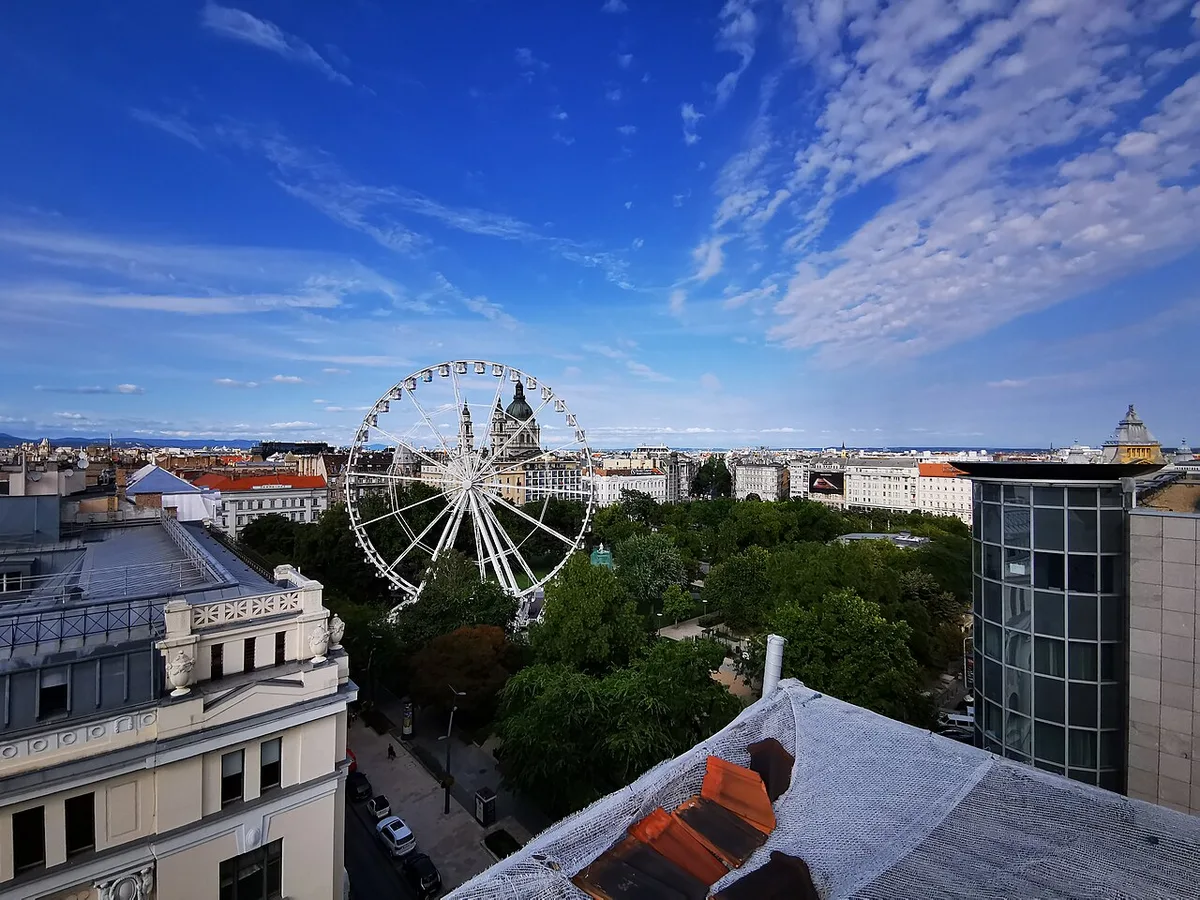
- The largest church in Budapest, this basilica holds a dome that towers over the surrounding rooftops.
- The lookout platform charges roughly $4 to $6 and opens daily from about 10am to 6:30pm.
- Hours shift by season, so checking the official site before visiting helps avoid a wasted trip.
- The bell tolls at the top of each hour, a useful cue for timing a quieter shot.
What Time of Day Gives Budapest's Best Light?
Golden hour lasts roughly forty minutes before sunset in summer and closer to twenty-five minutes in winter. That window works best for the Chain Bridge and the Parliament building, when warm light hits the stone facades. Blue hour follows about twenty minutes later and suits long-exposure shots of bridge lights on the Danube.
Sunrise draws far fewer people than sunset at almost every spot on this list. Fisherman's Bastion and Buda Castle both empty out fastest between 6am and 7:30am, before tour groups arrive. For a dedicated sunset shortlist with exact vantage points, the where to watch sunset in Budapest guide breaks down rooftop and riverside options.
Night photography suits the Chain Bridge and the Parliament building once their floodlights switch on after dusk. Traffic thins on the Pest embankment after 10pm, which helps with slow-shutter shots of passing trams and boats. Overcast days flatten contrast but soften harsh midday shadows, which works fine for most riverside shots. Rainy afternoons still work indoors at Szechenyi Baths or inside St. Stephen's Basilica, where light stays consistent.
How to Plan a Photo Walk Around Buda and Pest
Buda and Pest sit on opposite banks, connected by a handful of bridges and a fast metro line. Most first-time visitors start on Castle Hill in Buda, then cross toward Pest for the afternoon and evening. A single-day loop covers roughly six of the ten spots on this list if timed well. The one day in Budapest itinerary guide lays out a suggested route for that pace.
The Budapest Card bundles public transport with entry to some museums and a few thermal baths, which can offset per-ticket costs. Whether it pays off depends on how many paid sights fit into one trip. The is the Budapest Pass worth it breakdown runs the numbers in detail. Photographers who only shoot exteriors rarely need it, since most of the best photo spots in Budapest cost nothing to view from outside.
Not every popular pick earns its reputation once you're standing there. Rooftop igloo bars that circulate on social media photograph well online but rarely feel as spacious in person. Expect a cover charge and a tight squeeze for a window seat once you arrive. Vajdahunyad Castle's courtyard looks romantic in wide shots, yet its paths crowd with tour groups by midday.
Interior visits need advance booking more often than outdoor viewpoints do. Parliament tours sell out days ahead in peak season, so reserve before landing if the domed hall shot matters. Local operators let visitors tour the Hungarian Parliament with a guide on short notice. The same booking pressure applies to the Basilica's dome lookout, which limits visitor numbers during peak summer weekends.
Where to Find More Photogenic Corners Beyond the Icons
The ten spots above cover the postcard shots, but Budapest holds plenty of quieter corners too. Locals point first-time visitors toward courtyards, cafes, and residential streets that rarely make top-ten lists. A separate roundup of hidden gems in Budapest covers a dozen of these lower-key spots in more depth.
Margaret Island offers a green, mostly car-free alternative if water, gardens, and fewer crowds sound appealing. The Margaret Island paths pass a musical fountain, a rose garden, and a small ruin, all free to explore. Morning light through the plane trees suits portrait shots better than the architecture-heavy spots on the main list.
Day trips from Budapest add mountain, lake, or small-town backdrops without a hotel change. Szentendre's colorful old town and the Danube Bend both sit within a couple of hours by train or boat. The day trips from Budapest guide lists routes, travel times, and which stops suit a half day versus a full day.
For families or anyone shooting after dark, timing and location shift the plan a little. Photographing with kids in tow usually means shorter stops and earlier starts, before nap-time meltdowns set in. Anyone chasing rooftop or riverside views after sunset can pair this list with the best viewpoints in Budapest guide for exact vantage points.
Frequently Asked Questions
What is the best time of day to photograph Budapest's landmarks?
Sunrise offers the calmest crowds at Fisherman's Bastion and Buda Castle, often before 7:30am. Golden hour in the forty minutes before sunset suits the Chain Bridge and Parliament building best. Blue hour, roughly twenty minutes after sunset, works well for long-exposure shots of bridge lights on the Danube.
Is Fisherman's Bastion free to photograph?
The main courtyard and lower terraces are free to enter at any hour of the day. Only the upper viewing terrace charges an entry fee, roughly 1,000 to 1,500 forints per adult. That fee applies daily from about 9am to 7pm, with hours shifting slightly by season.
How many days do you need for a Budapest photography trip?
Two full days cover the ten spots on this list at a comfortable, unhurried pace. One focused day works if the thermal baths and day trips get skipped. Three or more days leave room for Margaret Island, a day trip, and repeat visits under different light.
What should photographers skip in Budapest?
Rooftop igloo bars photograph well online but often come with a cover charge and a cramped window seat. Vajdahunyad Castle's courtyard looks romantic in photos, yet its paths crowd with tour groups by midday. Both are still fine to visit; just temper expectations against the online hype.
Budapest rewards photographers who mix hilltop views with riverside symmetry and one unmistakably local market hall. Start with sunrise on Castle Hill, cross the river by early afternoon, and save the bridges and domes for golden hour. Confirm current prices and hours before heading out, since several venues on this list adjust tickets each season.
None of the ten spots above require more than a modest ticket, and several cost nothing at all. Pack comfortable shoes, a printed backup map, and a little patience for crowds at the most famous stops.