

Three days give first-time visitors enough time to see Athens without rushing through every ruin. This 3 days in Athens itinerary blends the Acropolis, top museums, and easy neighborhood walks into a realistic pace. Morning starts and grouped stops keep backtracking to a minimum across the historic center.
Acropolis admission runs about €20 in summer and €10 from November through March. The site stays open daily from 8am to 8pm during high season. This guide reflects 2026 pricing and hours, though fast-changing details deserve a check on the official site before travel. Getting around stays simple, since the metro, walking, and the occasional taxi cover almost every stop on this route.
A repeat visitor short on time can also lift out a single day from the plan below. Suggested swaps cover rainy afternoons, tight budgets, and trips with kids in tow.
3 Days in Athens Itinerary: At a Glance
The plan below front-loads the biggest sites while your energy runs highest. Day one covers the Acropolis complex from opening to early evening. Day two adds hilltop views, a major museum, and a slower afternoon pace.
Day three shifts outside the city center for a half-day trip along the coast. Grouping stops this way keeps taxi and metro rides short between neighborhoods. Each block below lists a realistic time window rather than a fixed schedule.
Swap in a rainy-day museum route or a kid-friendly stop if weather or energy levels change. The order below works well for most first-time visitors arriving by midday.
| Day | Duration | Main Stops | Transport |
|---|---|---|---|
| Day 1 | 7-8 hours | Acropolis, Museum, Plaka, Monastiraki | Walking |
| Day 2 | 6-7 hours | Ancient Agora, Roman Agora, Syntagma, Lycabettus | Metro |
| Day 3 | 5-6 hours | Cape Sounion, Temple of Poseidon | Rental car/tour |
- Day 1: Acropolis and Ancient Highlights
- Morning: Acropolis and Parthenon at opening
- Afternoon: Acropolis Museum and Plaka lunch
- Evening: Monastiraki rooftop views and dinner
- Day 2: Hilltop Views and Museum Time
- Morning: Ancient Agora and Roman Agora
- Afternoon: Syntagma Square and National Garden
- Evening: Lycabettus Hill sunset and dinner
- Day 3: Coastal Day Trip and Farewell
- Morning: depart early for Cape Sounion
- Afternoon: Temple of Poseidon coastal views
- Evening: farewell dinner back in Koukaki
Your Day-by-Day 3-Day Athens Itinerary
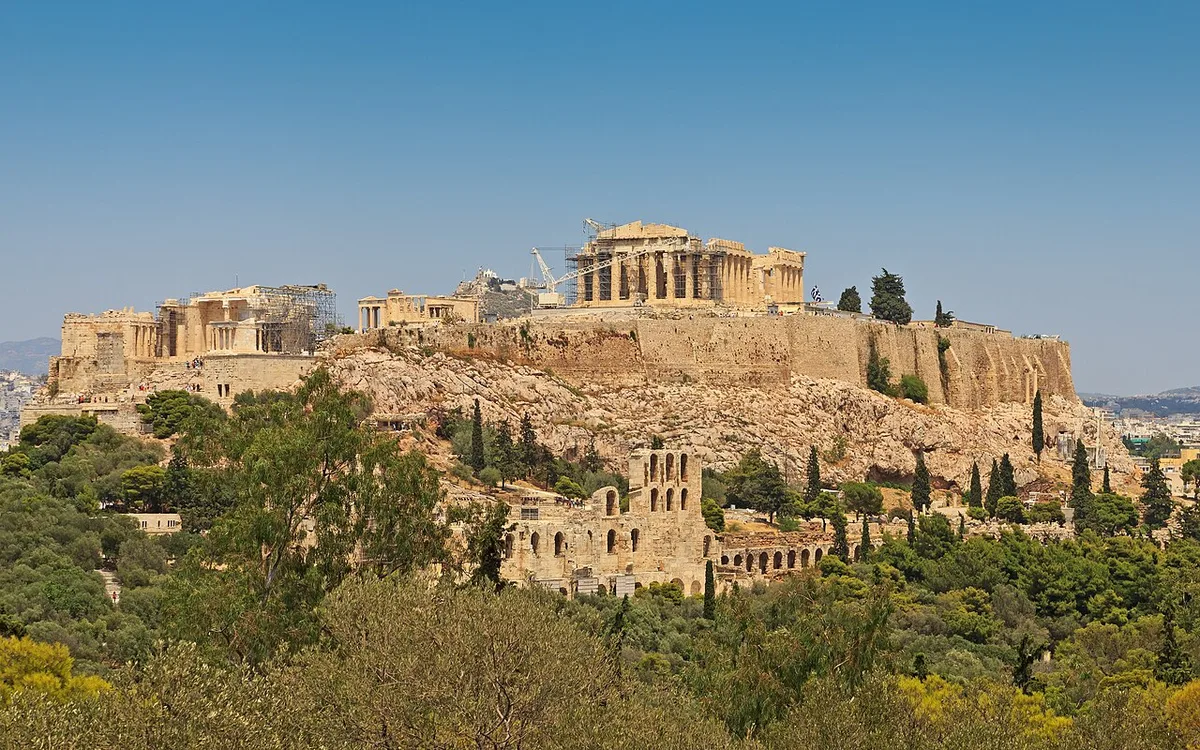
Day 1 opens at the Acropolis and its neighboring ancient sites, covered in full on our Athens attractions guide. Admission runs about €20 in summer and €10 in winter. The gate opens daily from 8am to 8pm between April and October. Arriving right at opening reliably beats the mid-morning crowd surge that builds by 10am.
Arrive right at the 8am opening to beat the crowd surge that builds by 10am. Summer months see long lines by mid-morning.
The Acropolis Museum sits a short walk downhill and costs around €10 for a standard adult ticket. Winter hours run shorter, often closing by 5pm from November through March. Plaka's narrow lanes make an easy lunch stop before an evening rooftop view near Monastiraki.
Day 2 relies on the metro for longer hops, and the Athens metro system connects stops in under 20 minutes. A single 90-minute ticket covers transfers across lines at one flat fare. The Ancient Agora and Roman Agora sit close enough together to skip a backtrack that trips up many first-time visitors.
Lycabettus Hill closes the day with the widest skyline view in the city. Our best viewpoints in Athens guide compares other spots worth a look. The cable car runs roughly every 10 minutes and costs about €10 per person round trip. Walking the summit path instead takes about 30 minutes uphill.
Day 3 heads outside the city for a half-day at Cape Sounion, home to the Temple of Poseidon. The drive takes about 70 minutes each way, and site entry runs roughly €10 with hours generally 9:30am to sunset. Leaving before 9am avoids the tour-bus crowds that fill the parking area by midday. Families with younger kids might prefer a shorter outing instead, and our Athens with kids guide lists age-friendly swaps.
- Day 1: Acropolis and Ancient Highlights
- Morning: Acropolis gate opening entry
- Afternoon: Acropolis Museum then Plaka streets
- Evening: Monastiraki rooftop drinks and dinner
- Time: about 7 to 8 hours
- Logistics: walk between all Day 1 stops
- Optional: swap Plaka for quieter Anafiotika lanes
- Day 2: Hilltop Views and Museum Time
- Morning: Ancient Agora and Roman Agora ruins
- Afternoon: Syntagma Square and National Garden stroll
- Evening: Lycabettus Hill cable car sunset
- Time: about 6 to 7 hours
- Logistics: metro connects agora and Syntagma stops
- Optional: swap museum for a rooftop bar break
- Day 3: Coastal Day Trip and Farewell
- Morning: depart early for Cape Sounion
- Afternoon: Temple of Poseidon and coastal views
- Evening: return for dinner in Koukaki
- Time: about 5 to 6 hours
- Logistics: rental car or organized tour
- Optional: swap Sounion for a Peloponnese day trip
Where to Stay for an Easy 3-Day Athens Trip
Plaka and Monastiraki put you within walking distance of the Acropolis and most Day 1 stops. Rooms here cost more, especially near the pedestrian squares, but the location saves real time each morning. Noise from bars and scooters picks up after dark on the busiest lanes.
Koukaki sits a short walk south of the Acropolis and tends to run quieter and cheaper than Plaka. Several boutique hotels there offer rooftop breakfast views for less than comparable rooms downtown. The trade-off is a slightly longer walk back after a late dinner in Monastiraki.
Families or budget-focused travelers might prefer Koukaki or Pangrati for lower nightly rates and easy metro access. Solo travelers who want nightlife nearby often choose Monastiraki despite the extra noise. Either area keeps the whole 3-day route within a short taxi or metro ride.
Book accommodation early for spring and summer travel, since central rooms sell out months ahead. Avoid streets directly on major traffic routes if light sleep matters during your stay. A central base cuts transit time enough to fit an extra sight into most afternoons.
Book These Athens Tickets in Advance
The Acropolis releases timed-entry tickets online about a month ahead. Slots for the popular 8am opening sell out first in summer. Booking as soon as your dates are firm avoids a scramble for a decent morning slot. Walk-up tickets exist off-season, but lines still form by mid-morning.
Book Acropolis timed-entry tickets online about a month ahead — summer 8am slots sell out first. Reserve slots for all major sites 3-5 days in advance to avoid last-minute hassles.
The Acropolis Museum rarely requires advance booking outside peak summer weeks. Reserving a slot 3 to 5 days ahead removes any risk anyway. Cape Sounion tours and transfers fill up 1 to 2 weeks ahead during July and August. Independent drivers can usually book a rental car with much shorter notice.
A multi-site combination ticket can bundle the Acropolis, Ancient Agora, and several smaller ruins under one price. Whether that pass beats paying per site depends on how many included stops you actually plan to visit. Our Athens pass guide breaks down that trade-off in detail. Check current combination pricing on the official site before assuming last year's numbers still apply.
Add an Extra Day: Best Day Trips from Athens
A fourth day opens up options that do not fit inside a tight 3-day pace. Delphi and the island of Hydra both make strong choices for this extra day. Delphi requires a full day round trip, generally 6 to 7 hours total including sightseeing. Hydra instead swaps ruins for a car-free island atmosphere reached by a short ferry.
Renting a car gives more flexible timing than a bus tour, especially for an early Delphi departure. Travelers ready to book a car can click here to book a rental car in Athens before comparing tour options. Our day trips from Athens guide ranks every option by distance and typical cost.
Budget around €15 to €25 for Delphi site entry and the on-site museum combined. Ferry tickets to Hydra typically run €15 to €30 round trip depending on the operator and season. Either extension works best added after Day 3 rather than swapped in for one of the three core days.
Is 3 Days in Athens Enough?
Three days comfortably covers the Acropolis, its museum, and a half-day trip outside the city. First-time visitors get the essential sights without feeling rushed at any single stop. Repeat visitors chasing one specific neighborhood or day trip might prefer a tighter, more focused plan instead.
Travelers with only a weekend can trim this route with our 2 days in Athens itinerary, dropping the day trip. That shorter version still covers the Acropolis and its museum without adding a fourth stop.
Budget-conscious visitors can lean on our free things to do in Athens guide to cut ticket costs without losing much. Swapping one paid museum for a free viewpoint or park keeps the itinerary's shape intact.
Five or more days in the city opens room for island hopping or another day trip. Three days stays the sweet spot for a first pass at Athens before deciding whether to return.
Frequently Asked Questions
How many days do you really need in Athens?
Three days works well for most first-time visitors touring the Acropolis and one day trip. Repeat visitors chasing niche neighborhoods might prefer four or five days instead. Two days is enough if the day trip gets dropped entirely.
Do you need to book Acropolis tickets in advance?
Yes, booking ahead secures the 8am slot that avoids the worst crowds. Tickets open roughly a month before each date and sell out fast in summer. Walk-up entry still exists off-season, though lines can form by mid-morning.
What is the best area to stay for a 3-day Athens trip?
Plaka or Monastiraki sit closest to Day 1 sights but cost more and get noisy at night. Koukaki offers a quieter, cheaper base a short walk from the Acropolis. Either area keeps the whole itinerary within an easy metro ride.
Is Cape Sounion or the Peloponnese a better day trip from Athens?
Cape Sounion suits a shorter half-day trip focused on one striking temple and coastal views. The Peloponnese route covers Mycenae, Epidaurus, and Nafplio but needs a full day to feel unhurried. Pick Sounion if time is tight, or the Peloponnese for a deeper history day.
This 3 days in Athens itinerary balances major ruins, a museum stop, and one trip outside the city. Grouping each day by neighborhood keeps transit time low and leaves room to linger at standout spots. Confirm current prices and hours before travel, since site policies shift between seasons.
Adjust the order to match your own pace, energy, and interests rather than following it exactly. Athens rewards travelers who leave a little room for an unplanned café stop or a longer museum visit.