
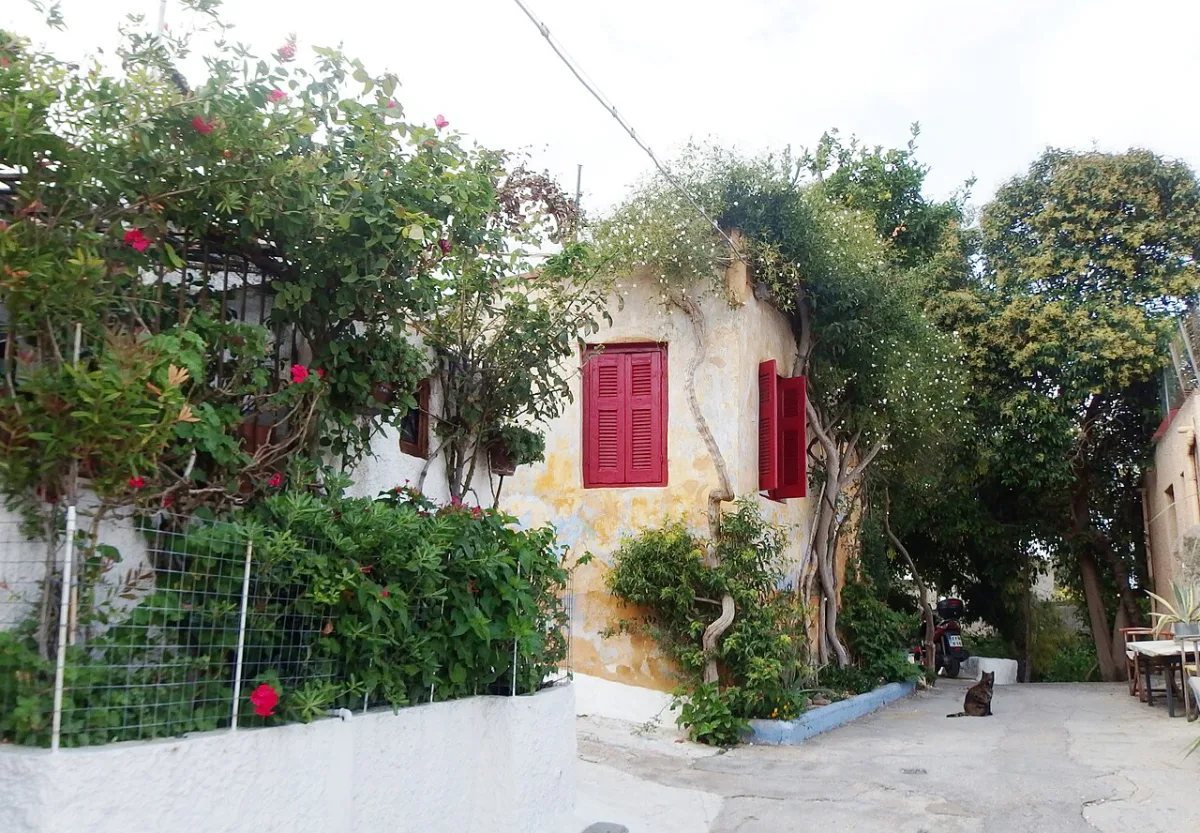
Hidden Gems in Athens
Discover hidden gems in Athens for 2026 travel, from quiet Byzantine churches to rooftop bars, with tips on cost, timing, and getting there.
Read guide →Athens travel guides for 2026: itineraries, day trips, hidden gems, museums, free things to do and city-pass advice — every Athens planning guide in one hub.

Everything we've published on visiting Athens, in one place: 19 trip-planning guides covering itineraries, day trips, hidden gems, the best viewpoints and museums, neighborhoods, shopping, family and rainy-day options, and honest advice on city passes. Each guide is written for a specific decision you make while planning a trip to Athens, Greece.
Looking for individual landmark tickets, opening hours and worth-it advice? See our Athens attractions hub, with 14 dedicated visitor guides.
This collection includes 19 specialized guides covering itineraries, day trips, hidden gems, viewpoints, neighborhoods, and museums—browse by the specific planning decision you need help with.
Two full days cover the essentials — the Acropolis, the Acropolis Museum and Plaka — while three days add the National Archaeological Museum and a Lycabettus sunset, and four or more open up day trips to Delphi or Cape Sounion. Our duration planner on how many days you need in Athens breaks each trip length down by travel style — repeat visitors who have already covered the ruins often compress to a single day of neighborhoods and food instead of monuments — including the constraint that shapes every summer itinerary: afternoon heat between 1pm and 4pm makes early Acropolis starts and evening plans mandatory, not optional.
With dates fixed, jump to the matching route. The one-day Athens itinerary is built around an early Acropolis climb — ticket lines build fast after 10am in July and August — while the two-day plan adds the museums and metro logistics, and the three-day first-timer route folds in neighborhoods like Psiri and Koukaki plus a day-trip option.
Spring (April–June) and fall (September–October) deliver the easiest walking weather for the Acropolis and Plaka: March opens cool at around 16°C and warms to a comfortable 29°C by June, hotel rates haven't yet hit their summer peak, and queues shrink outside midday. July and August push well past 35°C — with heatwave spikes clearing 40°C — and during those spikes the Acropolis has closed to visitors between roughly 12 PM and 5 PM for safety, which is why summer visits run on an early-morning-and-evening rhythm built around the Athens & Epidaurus Festival and the city's rooftop bars. Winter is the value season, with the thinnest crowds and discounted site tickets. The full season-by-season comparison, including the Greek Orthodox Easter dates worth checking before you book, is in our guide to the best time to visit Athens. Athens is dry most of the year, but if a storm rolls through, the rainy-day guide reorders the museums and covered arcades into a workable indoor day.
Book Plaka or Syntagma for a first visit — both sit within walking distance of the Acropolis and connect directly to the metro — while Koukaki and Thiseio trade a few extra minutes on foot for quieter streets and better nightly rates. Noise and view often trade off directly: Monastiraki delivers rooftop Acropolis views but keeps street noise going past midnight, while Koukaki buys a quieter night's sleep with a longer walk. The full neighborhood matrix, including ferry-day logistics for island-hoppers, is in our guide to where to stay in Athens. For the retail map — Ermou Street's chains, Monastiraki's genuine antiques around Avissinias Square (one of the few districts open on Sundays) and Kolonaki's Greek designers — see our district guide to shopping in Athens.
Athens City Pass options start near €78.90 for one day and reach about €235 for six days with transport, so the bundles only make sense if you'll visit four or more paid sites — our comparison of whether the Athens Pass is worth it checks the MegaPass, Turbopass and Tiqets options against buying tickets separately. A middle path worth knowing: a five-day combined ticket covering the Acropolis and several other archaeological sites is available for €30 full price (€15 reduced), which often beats buying singles if the ruins are your priority. And Athens rewards the zero-euro day too — the Changing of the Guard runs on the hour, every hour at Syntagma, with the full-dress parade at 11 a.m. each Sunday, and it anchors our list of 10 free things to do in Athens.
A standard adult ticket to the Acropolis costs €30 in the 2026 high season, the site opens at 08:00, and most visitors need 2 to 3 hours on the hill — book the timed slot before your dates sell out. The Acropolis Museum is ticketed separately at €20 general admission (€10 reduced), open Tuesday through Sunday until 8 p.m. in summer with Friday hours extended to 10 p.m.
Two more are worth planning around: the National Archaeological Museum moved to a flat €20 ticket on January 1, 2026, and the Panathenaic Stadium — €12, with a €6 reduced rate — sells tickets only at the on-site desk, with no official online booking. Each entity guide lists seasonal hours, free-admission dates and honest worth-it verdicts.
Cape Sounion sits about seventy kilometers south of the city — roughly a ninety-minute drive — and standalone admission to its Temple of Poseidon runs around €10 for adults in 2026, with the site open daily from 9:30 a.m. until sunset for the famous evening light. It works as a half-day trip alongside Ancient Corinth, while Delphi, Mycenae and the Saronic Gulf islands each need a fuller day away; the complete comparison by time, budget and transport is in our day trips from Athens guide. Back in town, the evening is when Athens is at its best: a floodlit Acropolis, rooftop bars and live music fill our guide to Athens at night, and the Mount Lycabettus funicular (€10 one-way, €13 round-trip) runs until around 02:30, making it the city's most reliable sunset-and-after perch. Returning visitors should start with the hidden gems guide — quiet Byzantine churches and Anafiotika's whitewashed lanes — before repeating the postcard circuit.
Discover hidden gems in Athens for 2026 travel, from quiet Byzantine churches to rooftop bars, with tips on cost, timing, and getting there.
Read guide →
Is the Athens Pass worth it in 2026? Compare MegaPass, Turbopass, and Acropolis combo prices, coverage, and crowd timing before you book your trip.
Read guide →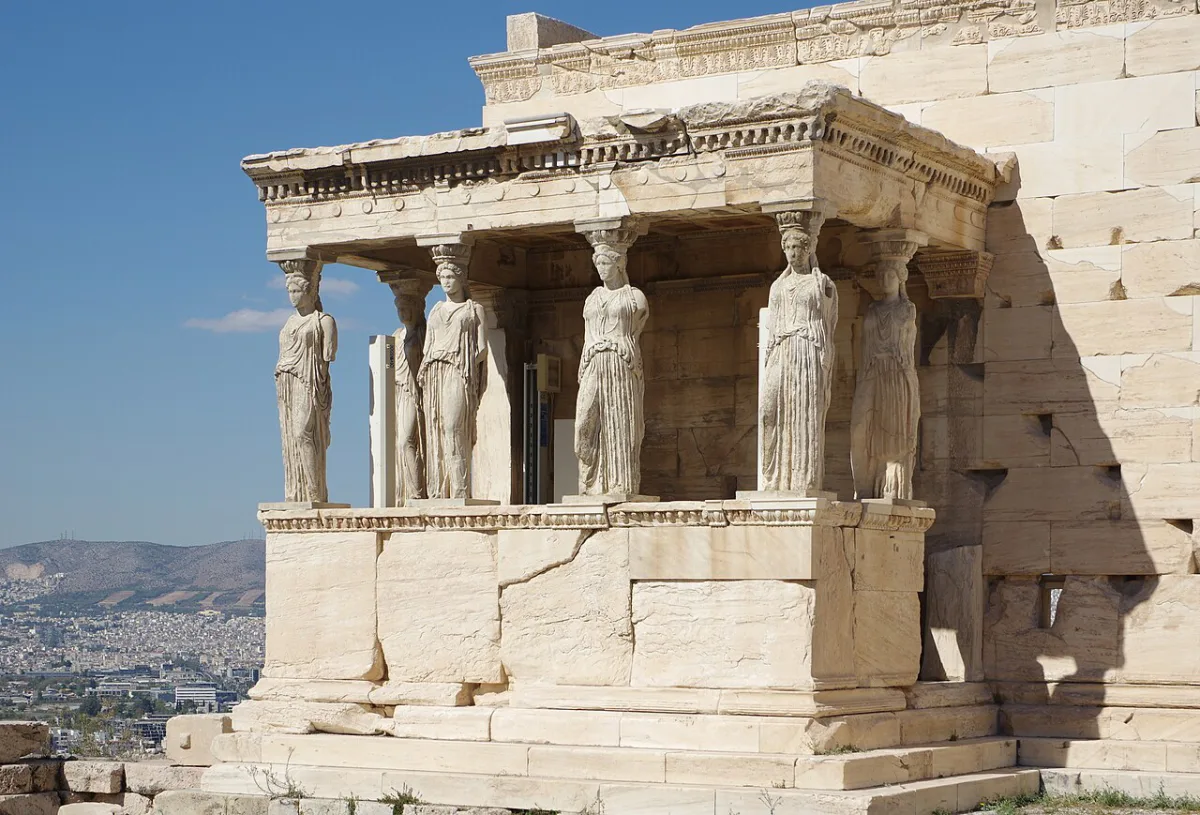
Planning one day in Athens? This 2026 itinerary covers the Acropolis, Plaka, and sunset views with timing, costs, and booking tips. Plan your route now.
Read guide →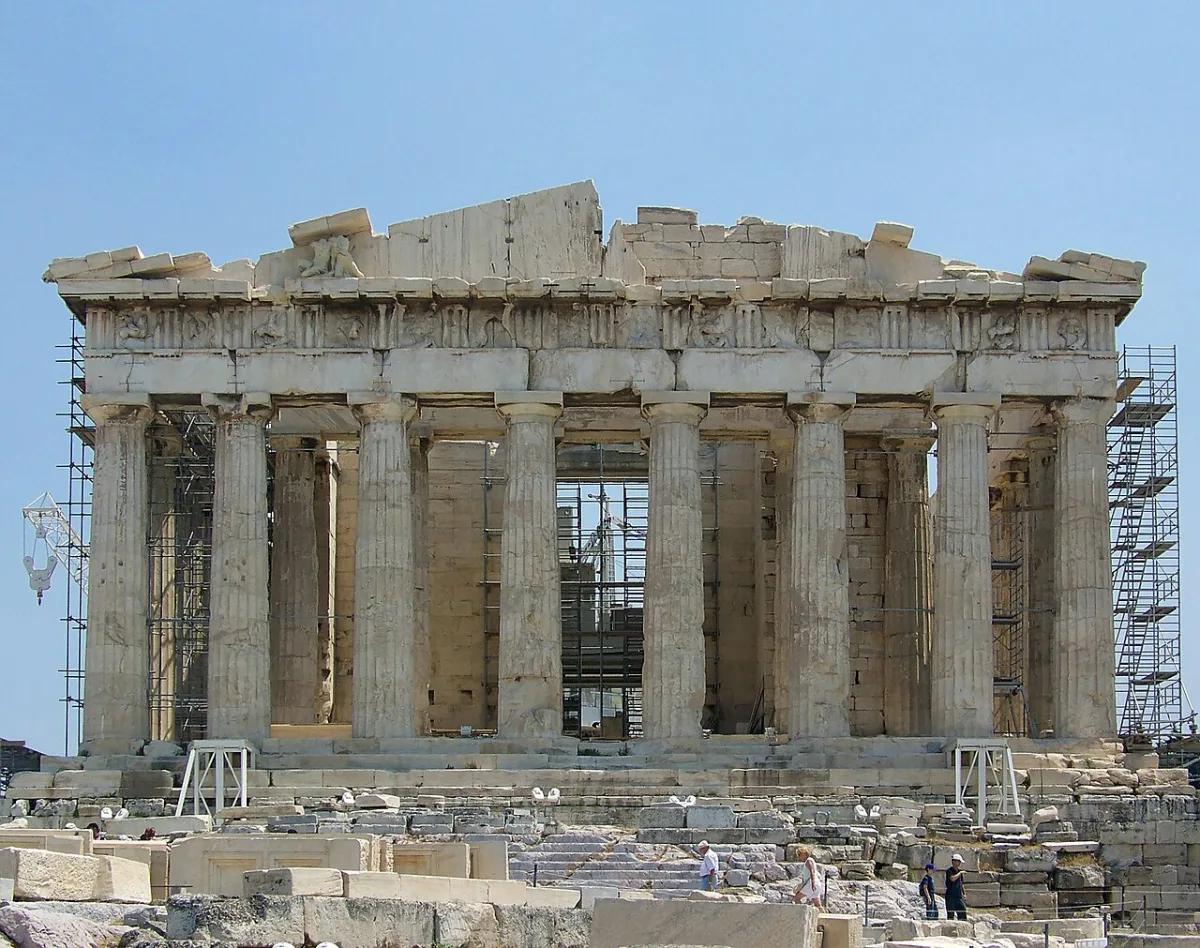
Plan your 2 days in Athens itinerary with real 2026 ticket prices, opening hours, and metro tips, plus where to stay before you book your trip.
Read guide →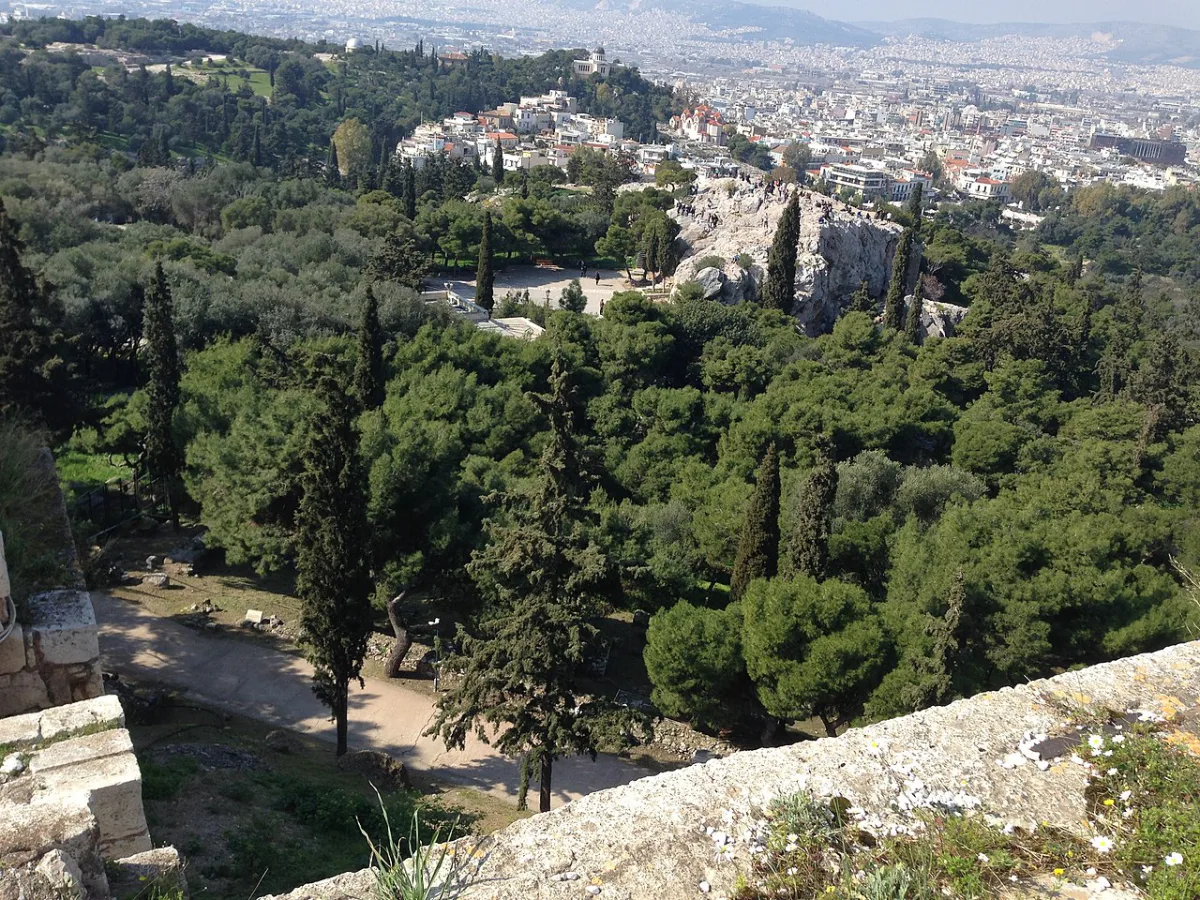
Follow this 3 days in Athens itinerary for 2026 with Acropolis costs, opening hours, hotel picks, and a day-trip option. Plan every stop now.
Read guide →
A 2026 guide to the best museums in Athens worth visiting, with real prices, hours, neighborhoods, and honest tips for planning a smoother trip.
Read guide →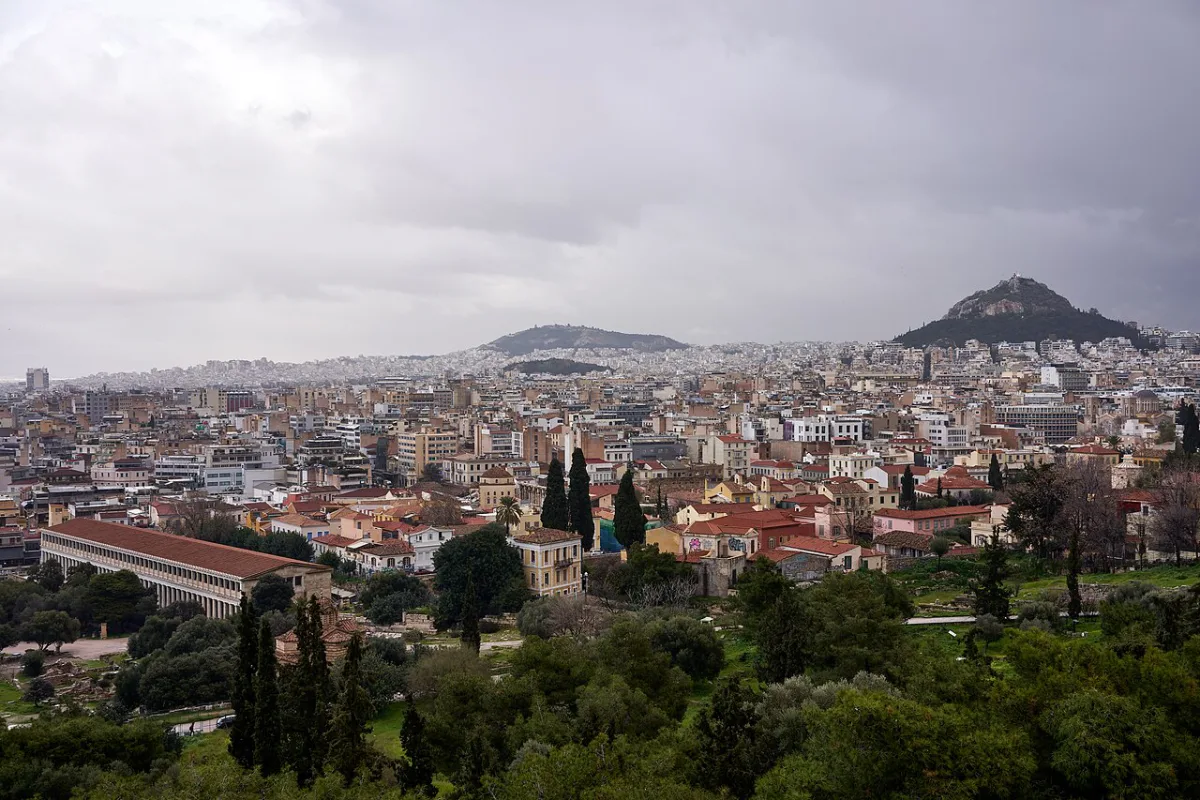
Discover the 10 best viewpoints in Athens for 2026, from free hilltop trails to rooftop bars, with prices, hours, and timing tips for your trip.
Read guide →
Discover the 12 best photo spots in Athens for 2026, from sunrise Acropolis views to hidden lanes, with current prices, hours, and timing tips for your trip.
Read guide →
Discover where to watch sunset in Athens, from free hilltop ruins to rooftop bars with Acropolis views. Compare spots, prices, and timing for 2026.
Read guide →
Discover the best things to do in Athens at night in 2026, from a floodlit Acropolis to rooftop bars, tavernas, and live music in Plaka and Psiri.
Read guide →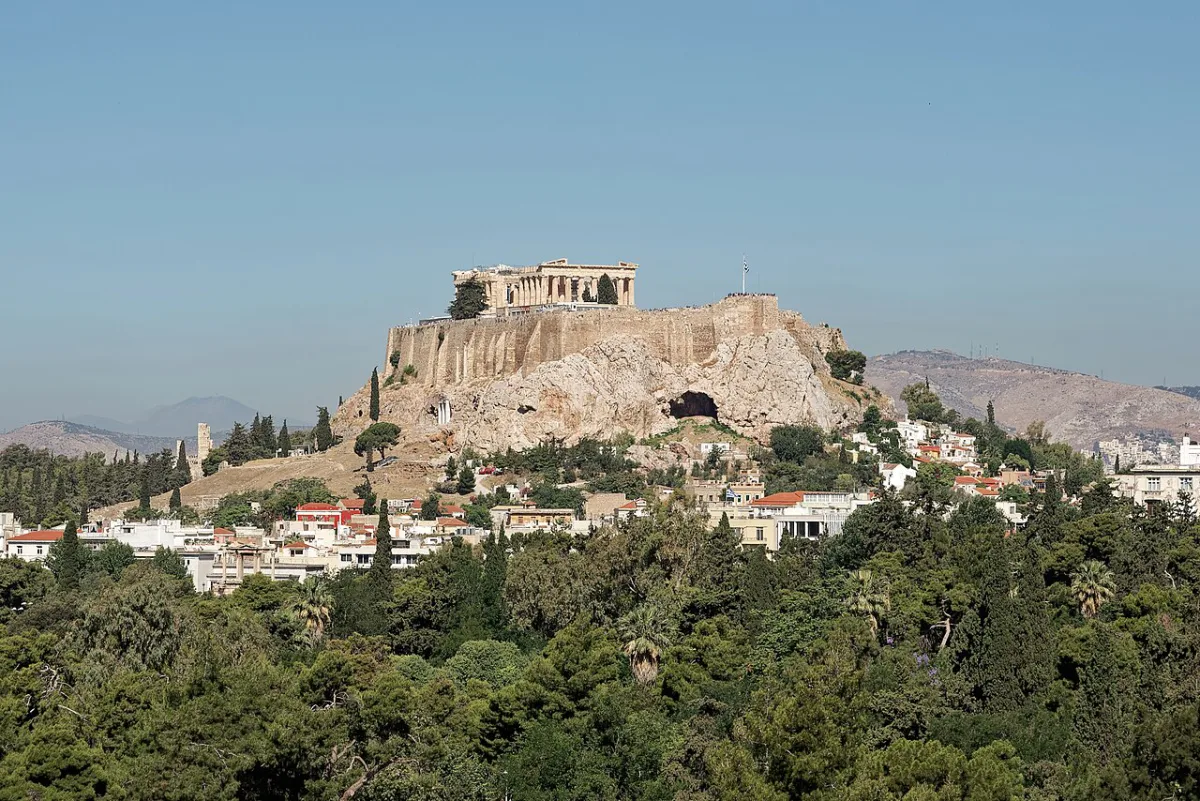
Planning Athens with kids in 2026? Discover top attractions, museums, parks, playgrounds, and food picks for a smooth, well-paced family trip.
Read guide →
See 10 free things to do in Athens in 2026, from a palace guard ceremony to hilltop viewpoints, with typical hours, prices, and a full planning guide.
Read guide →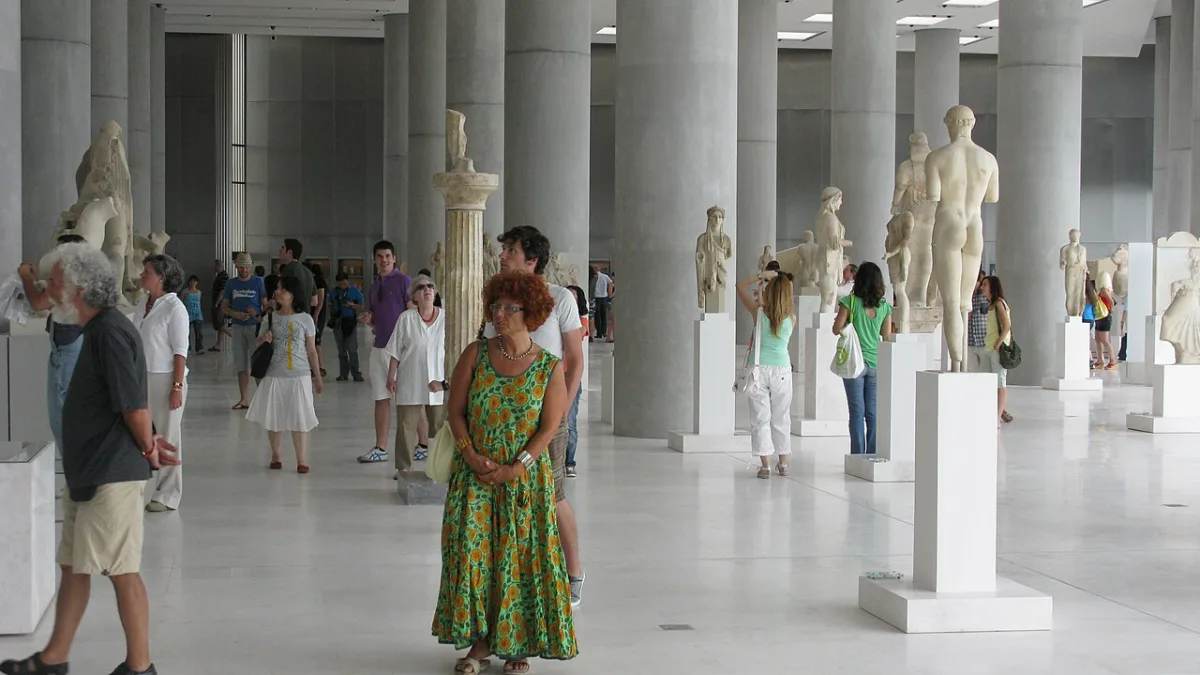
Planning Athens on a rainy day? Get real 2026 indoor picks, museum ticket prices, opening hours, and practical booking tips for a smoother visit.
Read guide →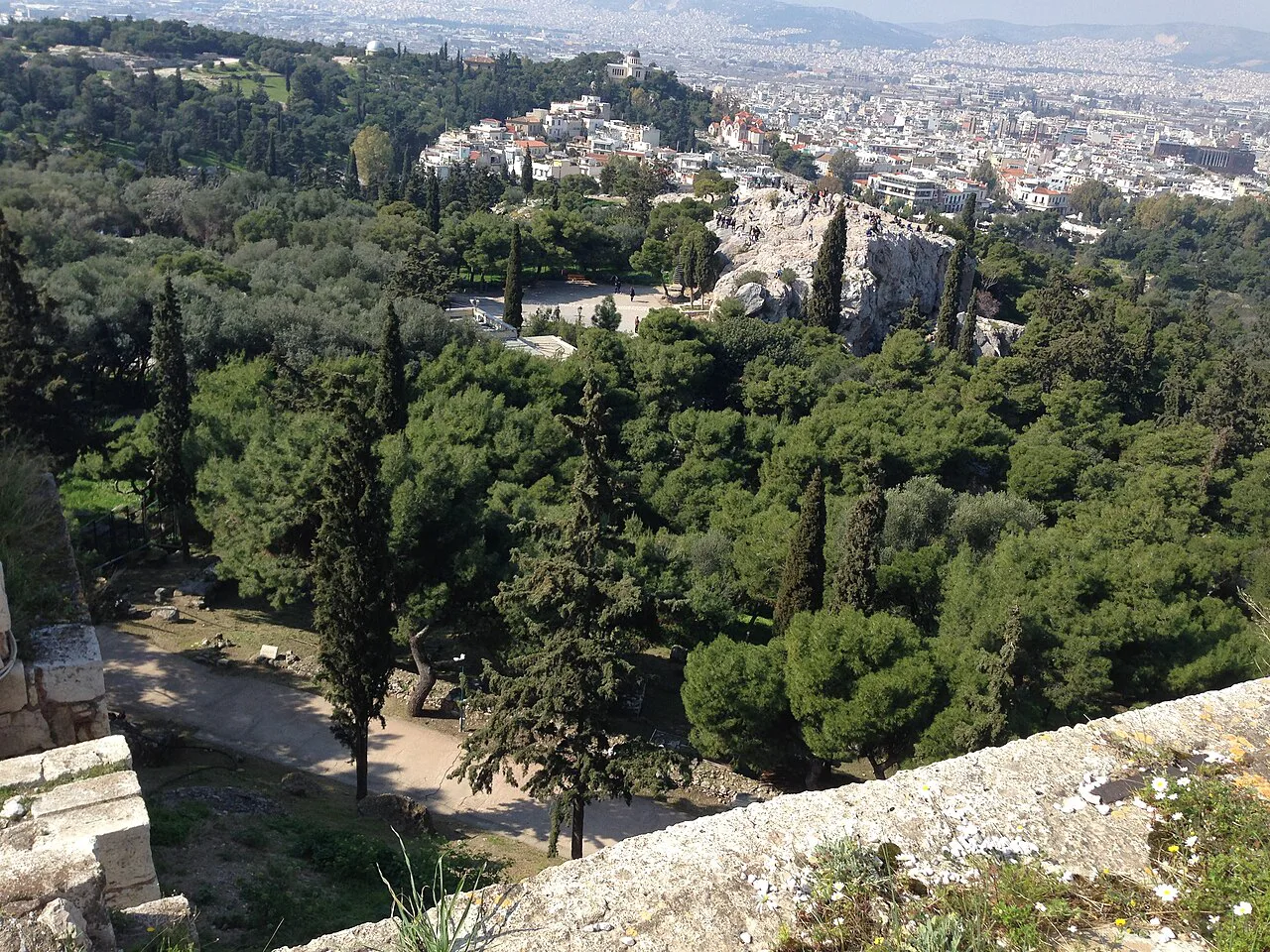
Discover how many days in Athens you need, with 1-day, 2-day, 3-day, and 4-plus day plans plus tips on cost and logistics.
Read guide →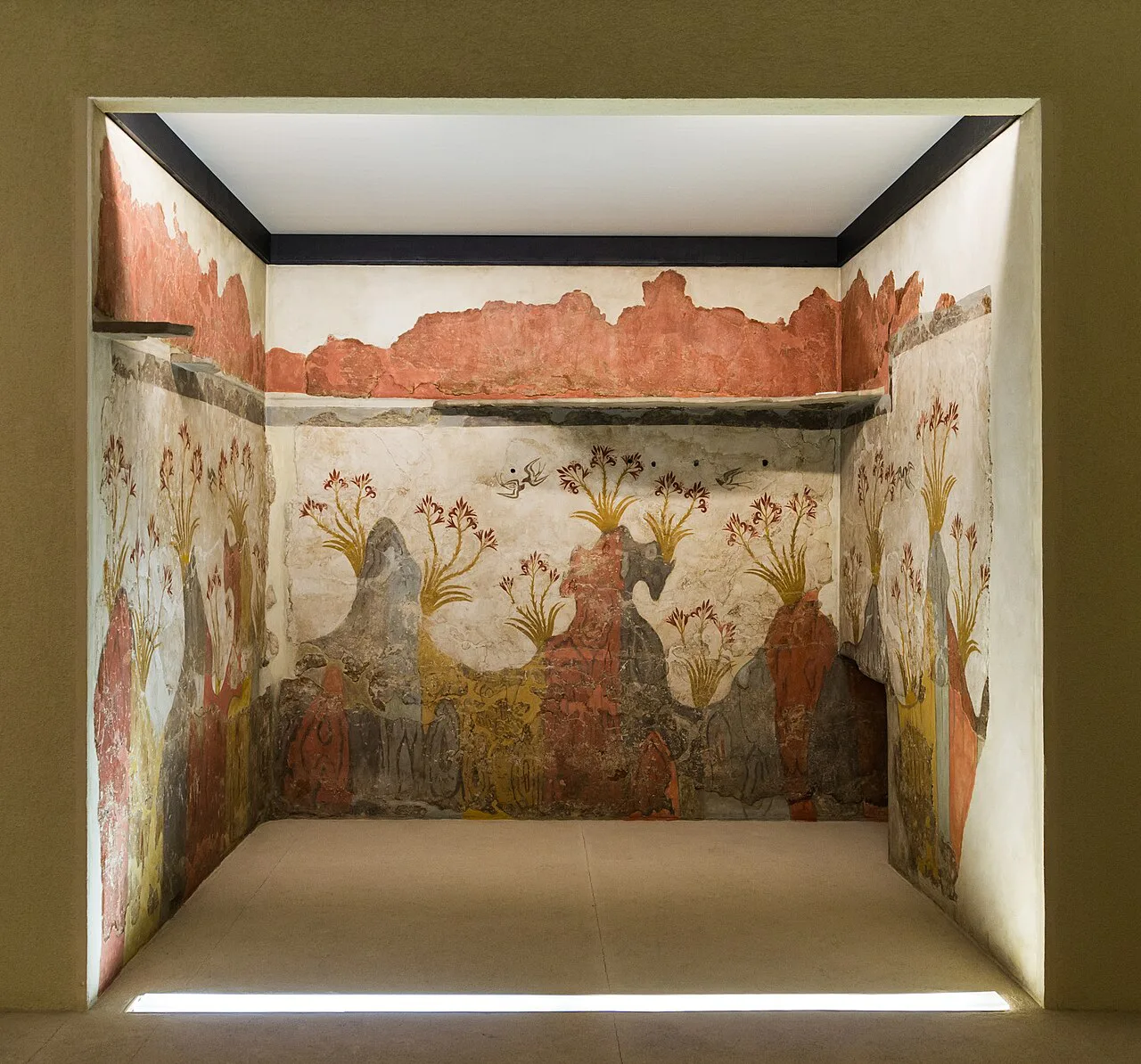
Plan around Athens weather, crowds, and prices with this season-by-season breakdown of the best time to visit, updated for 2026.
Read guide →
Compare Plaka, Koukaki, Monastiraki, Kolonaki, and more Athens neighborhoods for first visits, families, nightlife, and ferry days in 2026.
Read guide →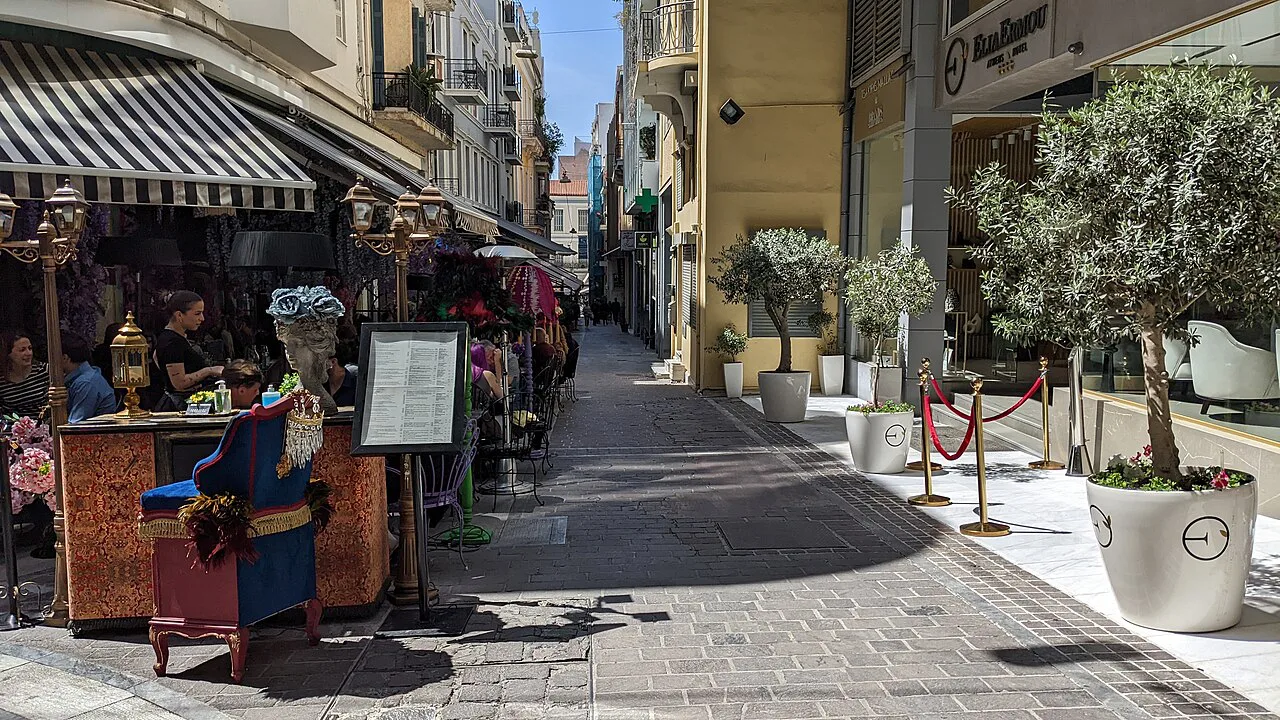
Compare Ermou Street chains, Monastiraki antiques, and Kolonaki designers in this 2026 guide, plus hours, sales, and tax-free tips.
Read guide →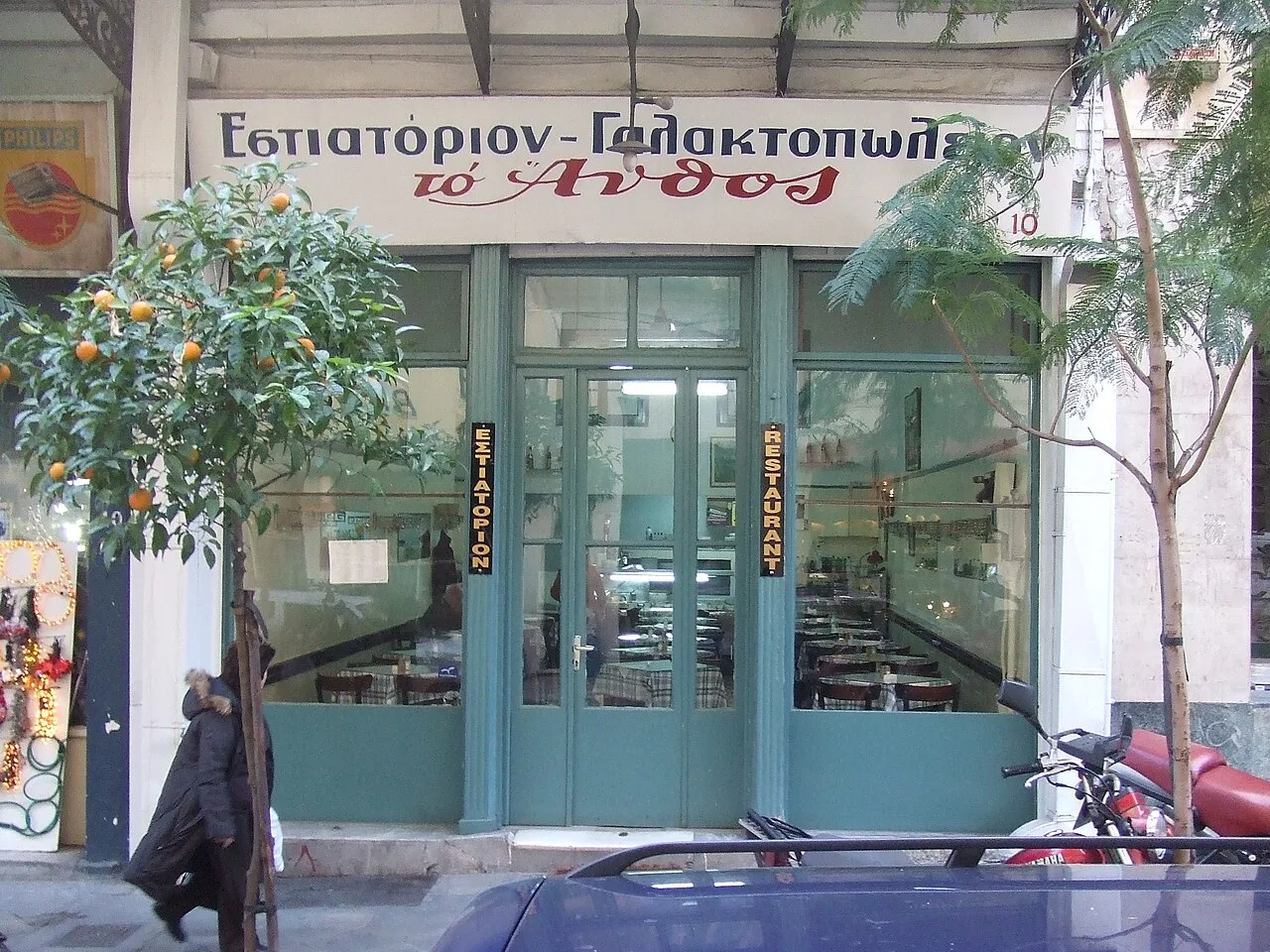
The best restaurants in Athens for 2026, from Kypseli's Bakalogatos to a Michelin-listed rooftop, organized by neighborhood, dish, and budget.
Read guide →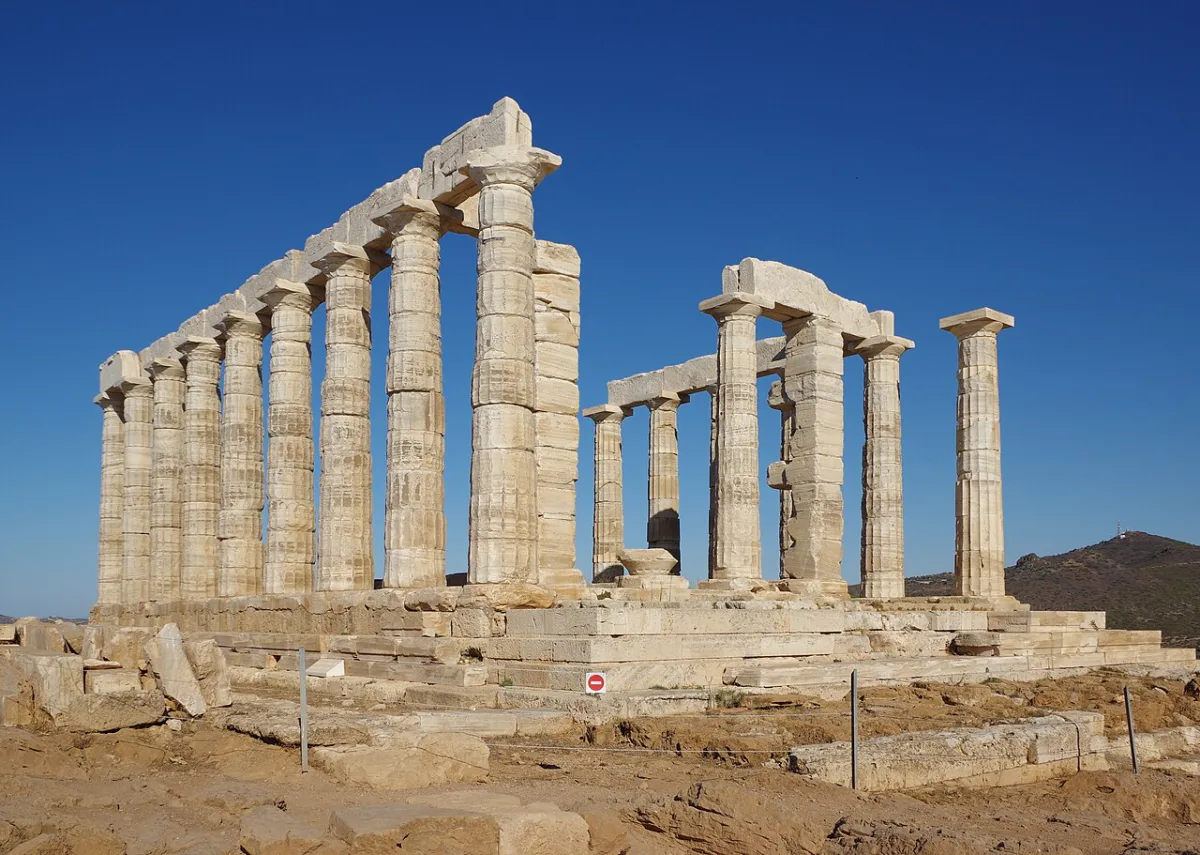
Discover the best day trips from Athens for 2026, with top picks, transport options, timing tips, and honest booking advice for an easier visit.
Read guide →