

Munich sits at the edge of the Bavarian Alps, so day trips from Munich reach castles, lakes, and mountains in under two hours. Regional trains link the city to Füssen, Salzburg, and Garmisch-Partenkirchen without requiring a rental car. A regional day pass such as the Bayern-Ticket typically costs around €29 for one adult in 2026, covering most of these routes.
The Bayern-Ticket covers regional trains for up to five adults traveling together, making it an excellent value for groups. Check the Deutsche Bahn website before booking to confirm current 2026 pricing and which trains are included.
This guide covers six proven day trips beyond Munich's own landmark attractions, from fairytale castles to alpine cable cars. Each entry includes travel time, rough costs, and what makes the stop worth the extra hours. You'll also find practical advice on choosing between trains, a rental car, or a guided tour.
Top Day Trips from Munich at a Glance
These six destinations cover castles, mountains, lakes, and history within a few hours of Munich. Distances and times below start from Munich Hauptbahnhof, the city's main train station.
Costs are rough estimates for 2026 and can shift with the season or ticket type. Always confirm current train schedules before locking in a departure time.
| Destination | Distance | Travel Time | Best For | Cost |
|---|---|---|---|---|
| Neuschwanstein Castle & Füssen | ~120 km | ~2 hours by train | Fairytale castle photos | Regional train fare varies |
| Salzburg, Austria | ~140 km | ~90 minutes by train | Mozart history and Old Town | Cross-border rail ticket needed |
| Rothenburg ob der Tauber | ~230 km | ~3 hours with transfer | Medieval walls and old lanes | Regional connections, one change |
| Garmisch-Partenkirchen & Zugspitze | ~90 km | ~80 minutes by train | Alpine views and cable cars | Cogwheel train and cable car combo |
| Dachau Memorial Site | ~20 km | ~35 minutes by S-Bahn | WWII history in half a day | S-Bahn fare, free entry |
| Chiemsee & Herrenchiemsee Palace | ~90 km | ~1 hour by train | Lake views and a boat ride | Train fare plus ferry ticket |
- Neuschwanstein Castle & Füssen
- Distance: about 120 km
- Travel time: around 2 hours by train
- Best for: fairytale castle photos
- Cost: regional train fare varies
- Salzburg, Austria Cross-Border Day Trip
- Distance: about 140 km
- Travel time: around 90 minutes by train
- Best for: Mozart history and Old Town
- Cost: cross-border rail ticket needed
- Rothenburg ob der Tauber
- Distance: about 230 km
- Travel time: around 3 hours with a transfer
- Best for: medieval walls and old lanes
- Cost: regional connections, one change
- Garmisch-Partenkirchen and the Zugspitze Summit
- Distance: about 90 km
- Travel time: around 80 minutes by train
- Best for: alpine views and cable cars
- Cost: cogwheel train and cable car combo
- Dachau Memorial Site Half-Day Trip
- Distance: about 20 km
- Travel time: around 35 minutes by S-Bahn
- Best for: WWII history in half a day
- Cost: S-Bahn fare, free entry
- Chiemsee & Herrenchiemsee Palace
- Distance: about 90 km
- Travel time: around 1 hour by train
- Best for: lake views and a boat ride
- Cost: train fare plus ferry ticket
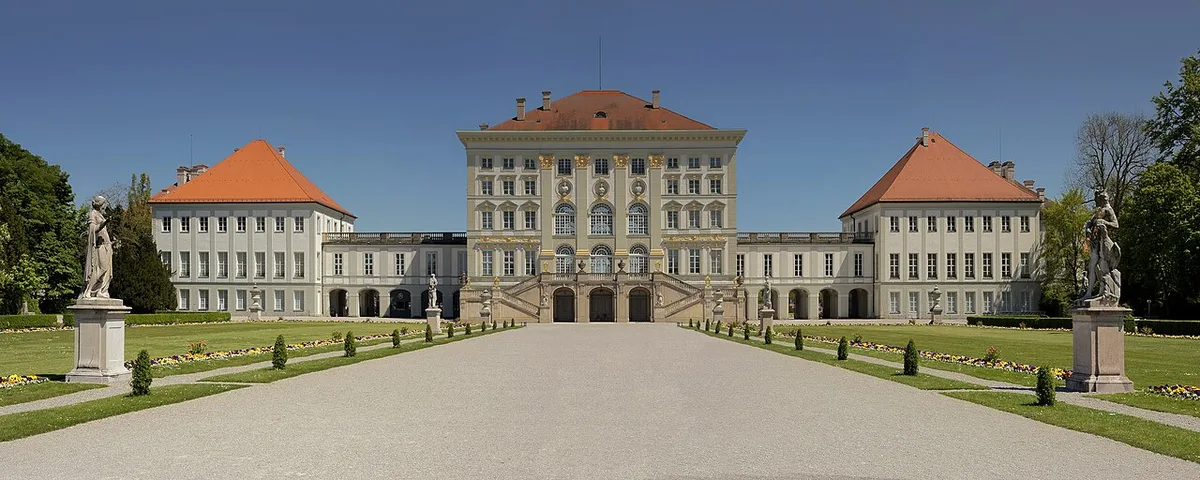
Neuschwanstein Castle and Hohenschwangau
King Ludwig II built Neuschwanstein Castle in the 1860s above the village of Hohenschwangau. The castle sits in the Bavarian Alps foothills, roughly two hours south of Munich by train. Its turret towers and alpine backdrop are often listed among Europe's fairytale castles.
Direct regional trains run from Munich Hauptbahnhof to Füssen roughly every two hours. From Füssen station, a local bus covers the final stretch to the castle ticket center. Tickets are sold for a specific entry time, so reserve online before the visit.
Midweek mornings in shoulder season see noticeably shorter lines than summer weekends. Combined tickets covering both Neuschwanstein and nearby Hohenschwangau Castle save a return trip later. Comfortable shoes help, since the walk up to the entrance climbs a steep gravel path.
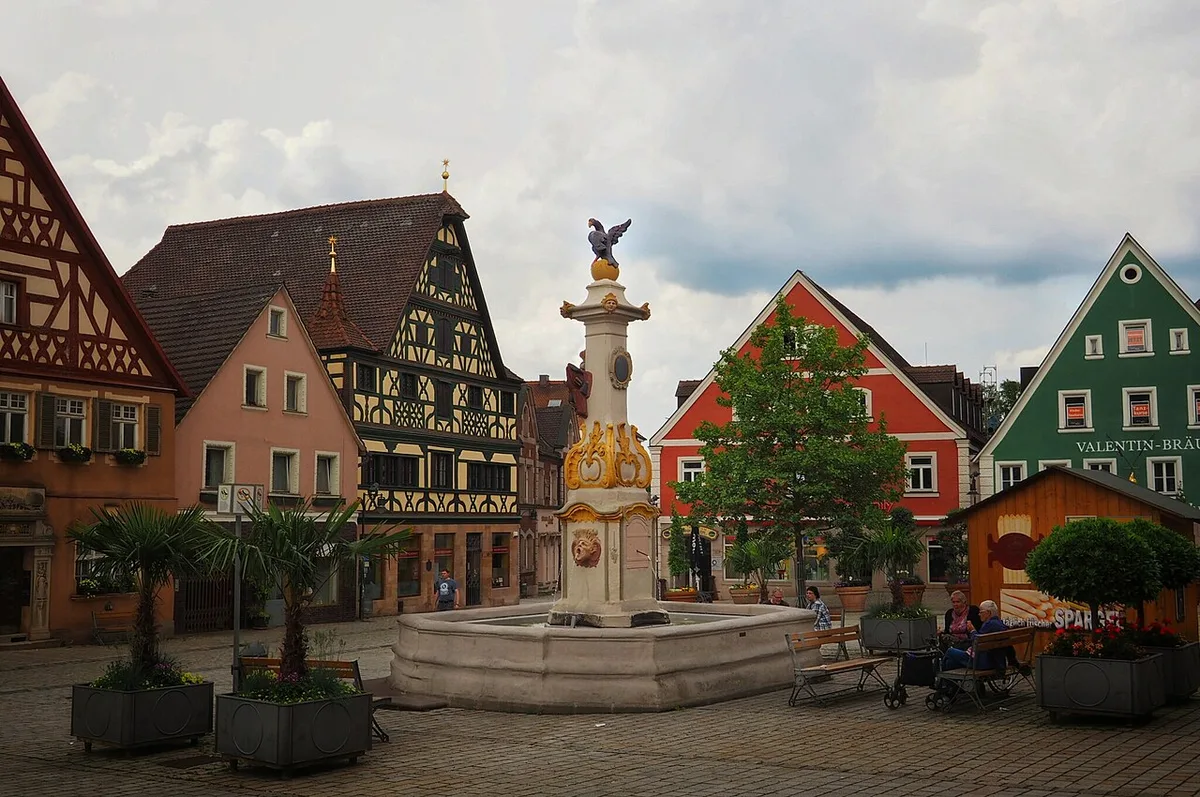
Salzburg, Austria: A Quick Cross-Border Escape
Salzburg sits just over the Austrian border, about ninety minutes from Munich by direct train. Mozart's birthplace and the baroque Old Town anchor most day trip itineraries here. Fortress Hohensalzburg overlooks the city from a hilltop, reachable by funicular or a marked trail.
No car is needed, since Salzburg's Old Town stays compact and walkable end to end. Bring a passport or ID card, since this leg of the trip briefly crosses into Austria. Regional and EC trains both make the run, with regional tickets usually costing less.
Salzburg pairs well with a half-day Sound of Music filming-locations tour for movie fans. Budget three to four hours in the Old Town to see the fortress and cathedral without rushing.
Rothenburg ob der Tauber: Medieval Walls and Cobblestones
Rothenburg ob der Tauber preserves a complete medieval wall, still walkable around the old town. Half-timbered houses and narrow lanes rival the scenes covered in our best photo spots in Munich guide. The town center stays largely car-free, so walking is the easiest way to explore.
Rothenburg sits about 230 km from Munich, roughly a three-hour trip with one train change. Direct connections are rare, so most visitors change trains in Treuchtlingen or Steinach. Because of the longer travel time, this trip works best as a full-day outing.
The extra travel time means Rothenburg works best as a full and unhurried day trip. Evening light on the wall towers rewards travelers who linger past the afternoon tour groups.
Garmisch-Partenkirchen: Alps, Cable Cars, and Zugspitze
Garmisch-Partenkirchen sits about 90 km south of Munich, roughly 80 minutes by direct train. A cogwheel train and cable car combination climbs from town to the Zugspitze summit. At 2,962 meters, the Zugspitze is Germany's highest peak, with views into three countries on clear days.
Compare it with our best viewpoints in Munich guide to see how the city skyline stacks up. Round-trip cable car and cogwheel tickets typically run around €71 per adult in 2026. Clear-weather days sell out fast, so booking the cable car time slot in advance helps.
Reserve cable car slots 1–2 weeks ahead during summer and weekends. The Zugspitze website accepts online bookings; slots fill quickly on clear-weather forecasts. Midweek mornings in spring and autumn offer better availability.
Winter closures and cloud cover can hide the summit view without warning. Checking the live webcam before departure saves a wasted trip up the mountain.
Zugspitze typically closes mid-November through early December for seasonal maintenance. Cloud cover can obscure views even on forecast "clear" days; check the live summit webcam before 7 a.m. to confirm visibility.
Getting There: Train, Car, or Guided Tour?
Regional trains reach most of these destinations directly from Munich Hauptbahnhof without a transfer. A rental car adds flexibility for Garmisch-Partenkirchen and Chiemsee, where bus connections run less often. Guided tours suit travelers short on time, bundling transport, entry tickets, and a live guide.
Trains cost less and skip parking hassles, but they run on a fixed timetable. Driving costs more upfront yet allows stops at small villages along the way. Tours cost the most per person but remove all the planning and logistics work.
Before booking transport, check whether a Munich pass already covers local transit connections. Most Bavarian regional trains also accept group day tickets, cutting costs for two or more travelers. If you'd rather explore central Munich on day one, this Munich in a day route shows how locals balance both.
Frequently Asked Questions
What is the best day trip from Munich for first-time visitors?
Neuschwanstein Castle is the most popular first choice, reachable in about two hours by train. Its fairytale towers and Bavarian Alps setting make it an easy highlight for a first visit. Book entry tickets online in advance to avoid long ticket-counter lines.
Do you need a car for day trips from Munich?
Most day trips from Munich work well by regional train, especially Neuschwanstein, Salzburg, and Dachau. A car helps mainly for Garmisch-Partenkirchen and Chiemsee, where bus schedules run less often. For a single trip, public transport is usually cheaper and less stressful than driving.
Are day trips from Munich good for families with kids?
Yes, several options work well for families, including Chiemsee's lake ferry and Dachau's shorter train ride. On days you stay in the city instead, see our Munich with kids guide for indoor and rainy-day picks. Pack snacks and layers, since train and ferry schedules leave little room for delays.
How much does a day trip from Munich typically cost?
Budget roughly €25 to €45 per person for train fares, though prices vary by destination and ticket type. Regional day passes often cover groups of up to five travelers for one flat price. Entry tickets for castles or cable cars are usually separate and should be booked ahead for 2026 visits.
Munich's location makes it one of the easiest European cities for spontaneous day trips. Castles, alpine peaks, and medieval towns all sit within a few hours by train. Pair a couple of these trips with time exploring hidden gems in Munich for a fuller visit.