
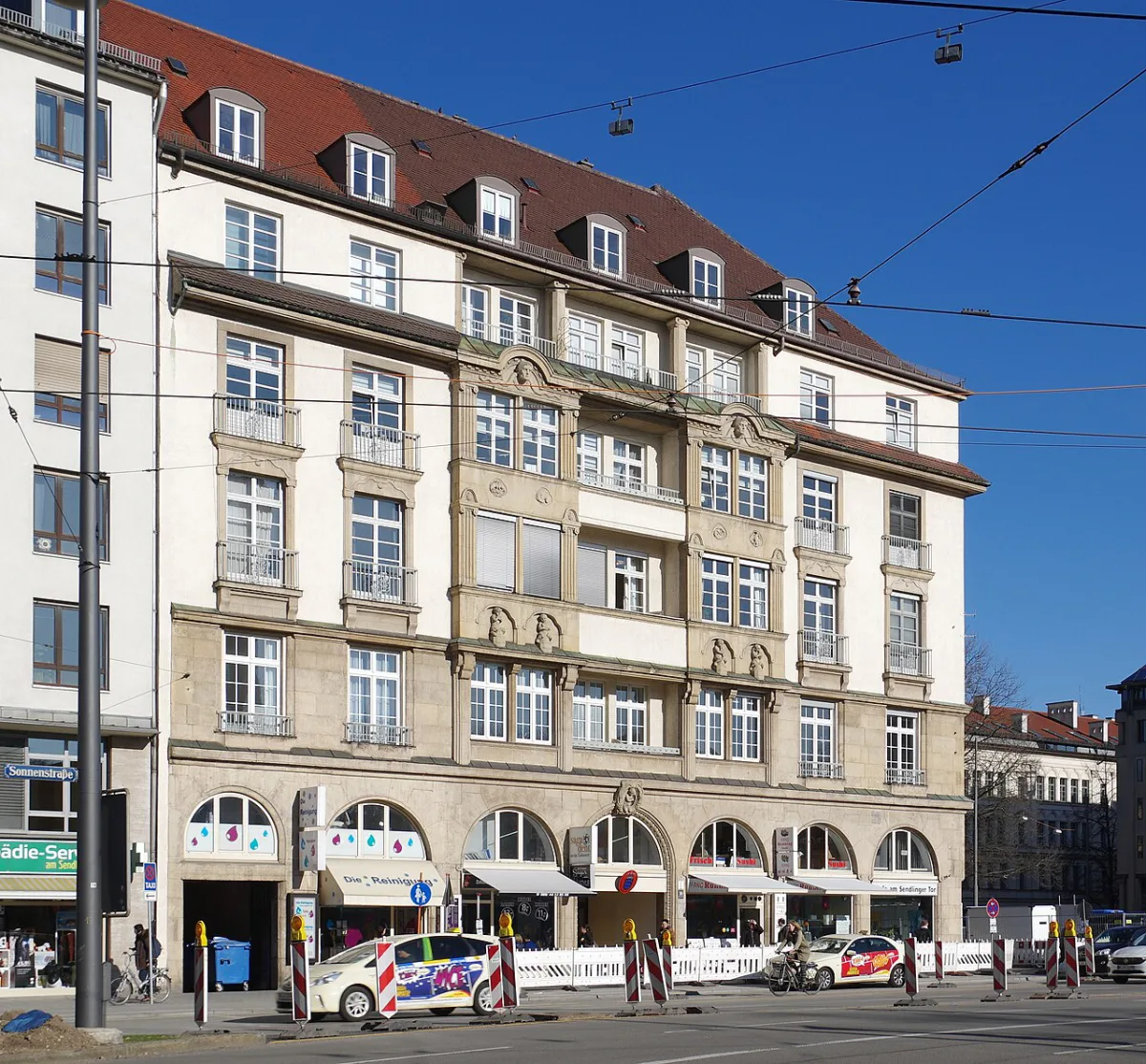
Hidden Gems in Munich
Discover hidden gems in Munich for 2026, from quiet neighborhoods to riverside beer gardens and street art routes, plus practical tips before you go.
Read guide →Munich travel guides for 2026: itineraries, day trips, hidden gems, museums, free things to do and city-pass advice — every Munich planning guide in one hub.

Everything we've published on visiting Munich, in one place: 14 trip-planning guides covering itineraries, day trips, hidden gems, the best viewpoints and museums, family and rainy-day options, and honest advice on city passes. Each guide is written for a specific decision you make while planning a trip to Munich, Germany.
Looking for individual landmark tickets, opening hours and worth-it advice? See our Munich attractions hub, with 14 dedicated visitor guides.
Munich's compact Altstadt tempts people into booking too little time. A well-paced single day already runs about 9 hours (9am to 6pm), anchored around the Marienplatz Glockenspiel shows at 11am and noon — that's the route our one-day Munich itinerary times hour by hour, beer garden stop included. It works, but it leaves nothing in reserve.
Two days is where the city starts to breathe: the two-day plan adds the €5 climb up St Peter's tower (open roughly 9am to 6pm daily) and a proper museum block, and flags how to bolt on a Neuschwanstein excursion. With three days, the three-day itinerary spreads palaces, museums, and the English Garden across separate mornings, running on a roughly €9 day transit pass that covers trams, buses, and the U-Bahn. Most sights open 9am or 10am and close by 5pm or 6pm, so evenings stay free for beer halls either way.
Munich's two discount cards solve different problems, and our Munich pass comparison prices them side by side: the all-inclusive City Pass runs €38–€115 depending on days and zone, while the discount-based Munich Card costs just €6 up to about €30. Before buying either, know the city's best-kept budget secret — several state museums drop to €1 admission on Sundays, a detail our museums shortlist uses to turn a €30 museum day into a €3 one. Pair that with the free things to do in Munich, starting with the Glockenspiel itself — played daily at 11am and noon, plus 5pm from March to October, always free to watch; regulars skip the crowded 11am slot for the quieter 9pm night-watchman call. The city's two great free spaces round out the list: the English Garden is free and open 24 hours a day year-round, and Viktualienmarkt's stalls trade Monday to Saturday from roughly 8 AM to 8 PM — browsing costs nothing, though guided food tours run €45–€55 per adult. Put together, a light-spending Munich day is genuinely easy to build.
Munich's headline sights are refreshingly affordable, but hours and closed days trip people up. The Munich Residenz combination ticket costs €20 in 2026 (the Residence Museum alone is €10), with hours of 9am–6pm in summer. Out west, Nymphenburg Palace charges €10 for the palace itself, though most visitors take the €20 combination ticket (€18 reduced) valid April to mid-October. The Deutsches Museum — €16 adult, €33 family, open daily 9am–5pm — comfortably swallows half a day, while the Alte Pinakothek costs €9, stays open until 8pm on Tuesdays and Wednesdays, closes Mondays, and joins the €1 Sunday scheme. Car people get the best deal of all: BMW Welt is free to enter and the BMW Museum costs €17, both closed Mondays. Two old-town essentials need no ticket at all — the Frauenkirche's nave is free daily from 8:00 AM to 8:00 PM (tower ascents €7.50), and the Asamkirche's Baroque interior is free to enter with no timed slot required. Each entity guide covers what actually needs pre-booking and how long to plan inside.
Munich evenings revolve around its beer halls, and the biggest name needs no reservation: the Hofbräuhaus is free to walk into, with first-come ground-floor seating, and stays open until 11:30pm daily — a liter of Helles runs about €9.20 as of 2026. Our guide to Munich at night builds full evenings around it, from riverside walks to late museum hours, and suggests arriving before 6pm on weeknights to skip the queue for a table. For the classic city panorama first, the viewpoints guide rates Alter Peter's 300-step tower climb — roughly €3 to €5, generally open 9am to 6:30pm in summer — as the best-value view in the old town, with half its list costing nothing at all. Further out, Olympiapark's grounds are free and open 24/7 with a no-cost sunset spot over the tent roofs — though note that both the Olympic Tower and Olympic Stadium are closed for renovation in 2026.
Munich's weather turns quickly against the Alps, so a wet-day plan belongs in every itinerary. The rainy-day guide strings together indoor museums, market halls, cozy cafés, and pool-and-sauna sessions into a full 8-hour day that never depends on the sky — its picks scale from one-hour pool sessions to three-hour museum blocks, so the plan flexes to however long the rain lasts. Most of them double as family backups too, with the Deutsches Museum's family ticket and the covered market halls keeping kids moving. It's the guide to keep bookmarked even for a summer trip.
Bavaria's marquee excursions all work by rail. A regional day pass such as the Bayern-Ticket costs around €29 for one adult in 2026 and covers most routes in our day trips comparison: Neuschwanstein Castle sits about 2 hours away by train and its €21 ticket buys a fixed-time, roughly 30-minute guided walkthrough — sell-outs are common, so read the entity guide before you go. Salzburg is around 90 minutes by train for a cross-border day, and the Dachau Memorial Site — free to enter, open daily 9am–5pm, with an official €4 guided tour running 2.5 hours in English at 11:00 AM and 1:00 PM daily — is the nearest and most sobering half-day trip from the city.
Discover hidden gems in Munich for 2026, from quiet neighborhoods to riverside beer gardens and street art routes, plus practical tips before you go.
Read guide →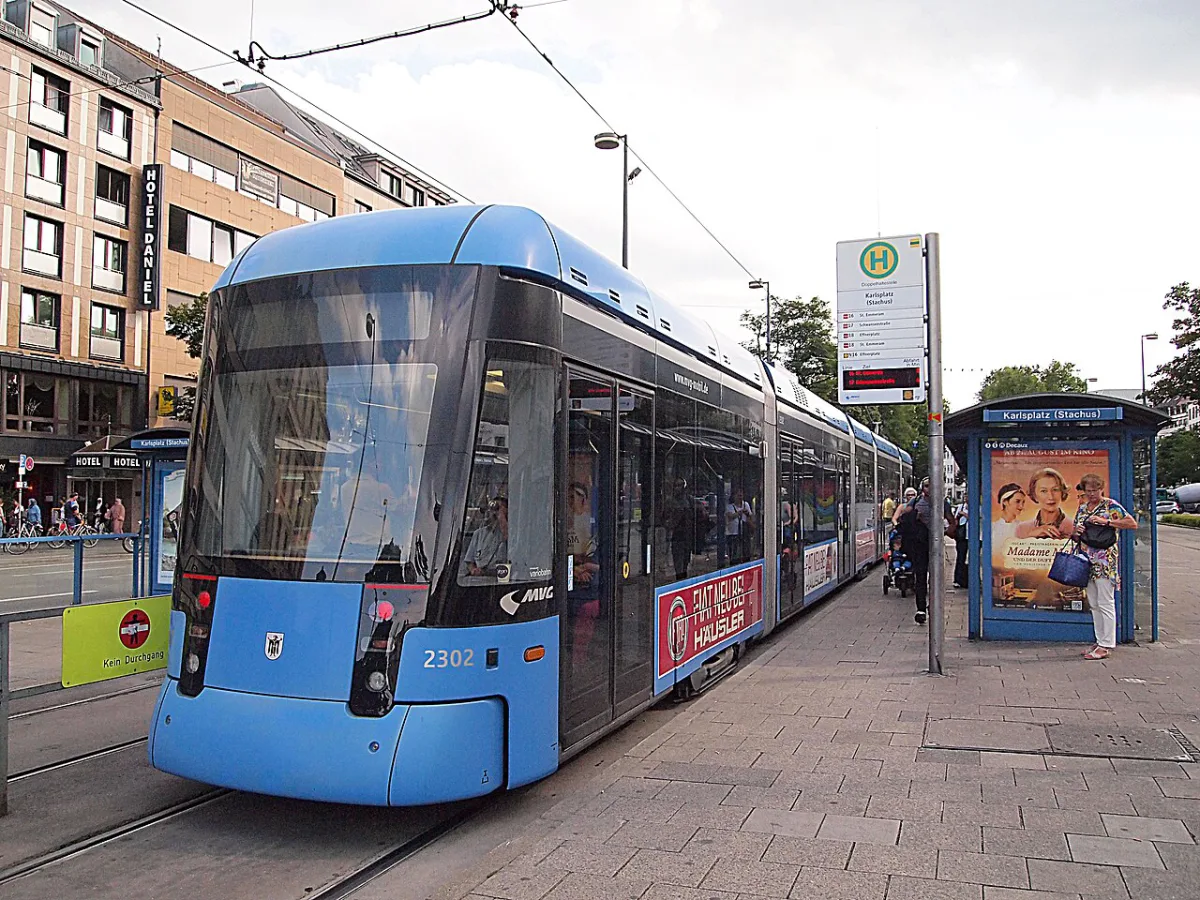
Is the Munich Pass worth it in 2026? Compare Munich City Pass and Munich Card prices, perks, and real scenarios before you book yours today.
Read guide →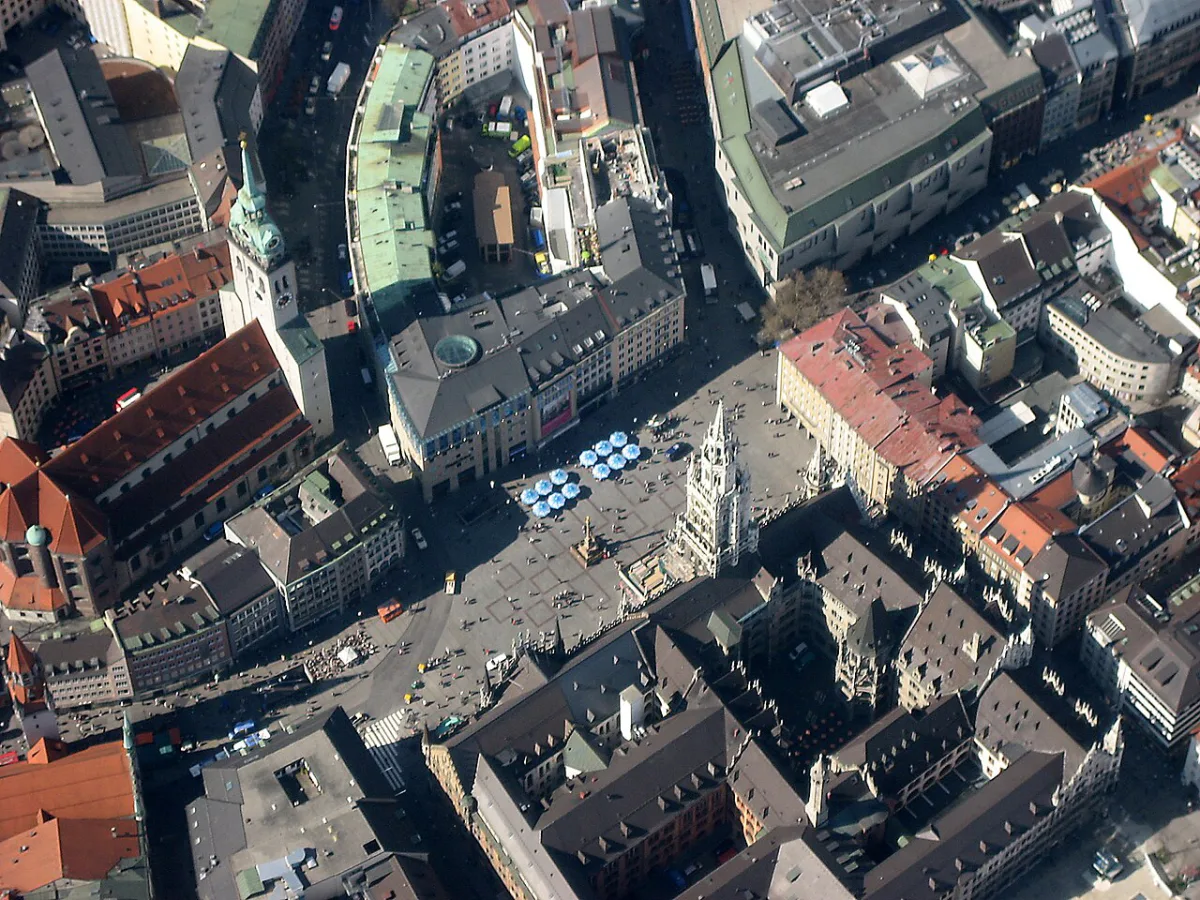
Plan the perfect one day in Munich itinerary for 2026 with hour-by-hour timing, ticket prices, and beer garden tips. Start mapping your day now.
Read guide →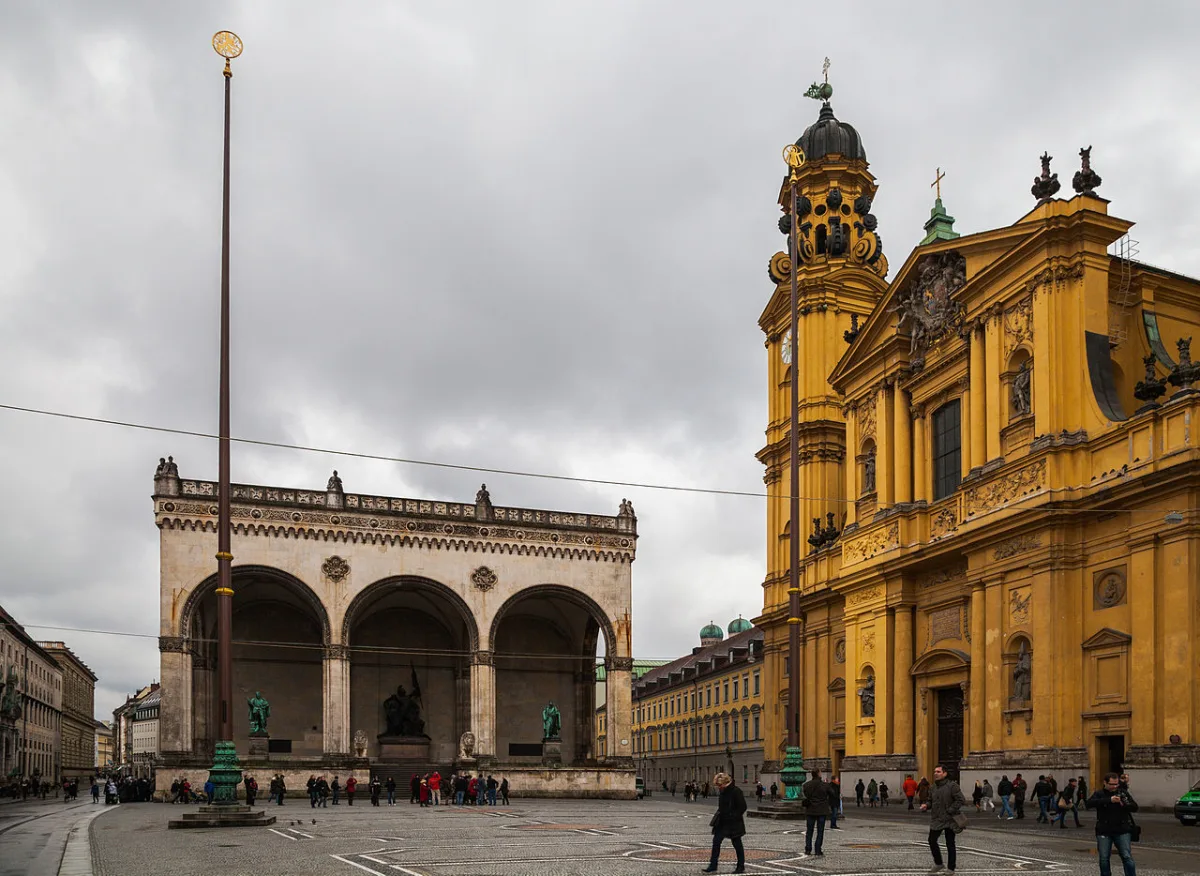
Plan the perfect 2 days in Munich itinerary with a neighborhood schedule, ticket costs, hours, and an extra-day option for Neuschwanstein Castle.
Read guide →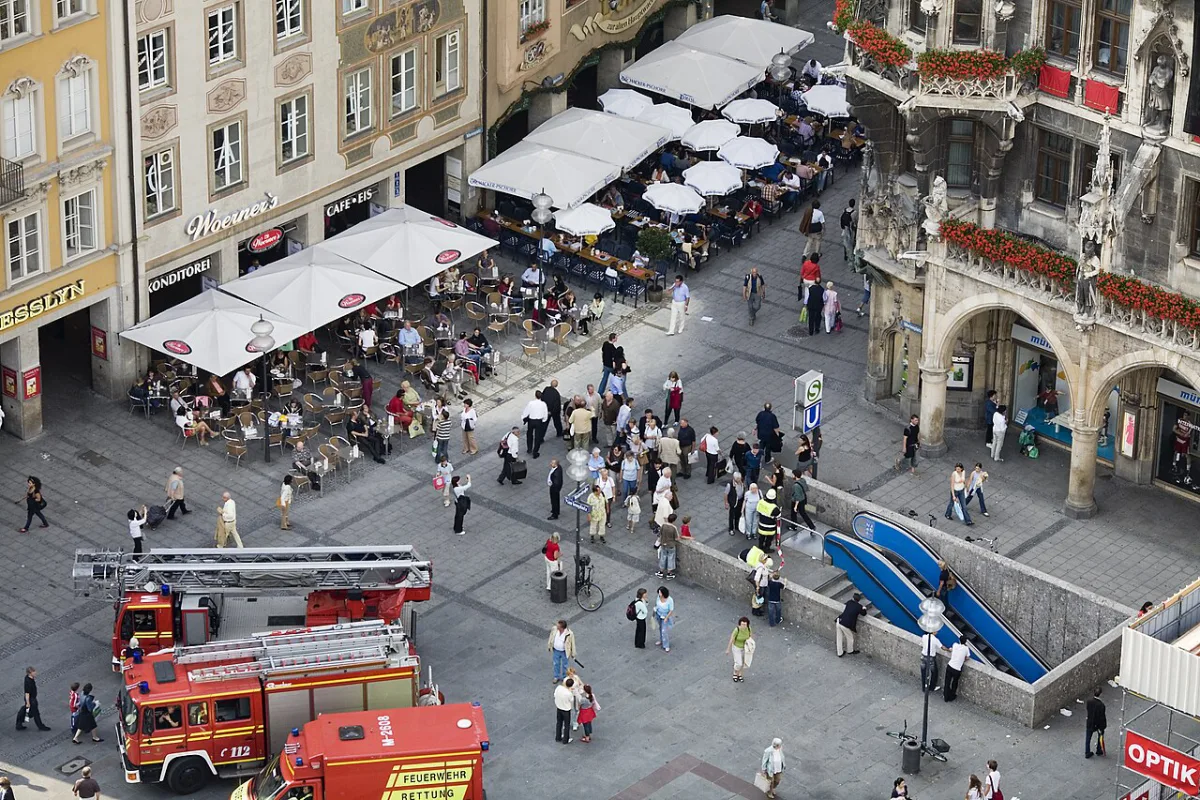
Plan a realistic 3 days in Munich itinerary with daily routes, 2026 ticket prices, opening hours, and neighborhood tips for a smoother trip.
Read guide →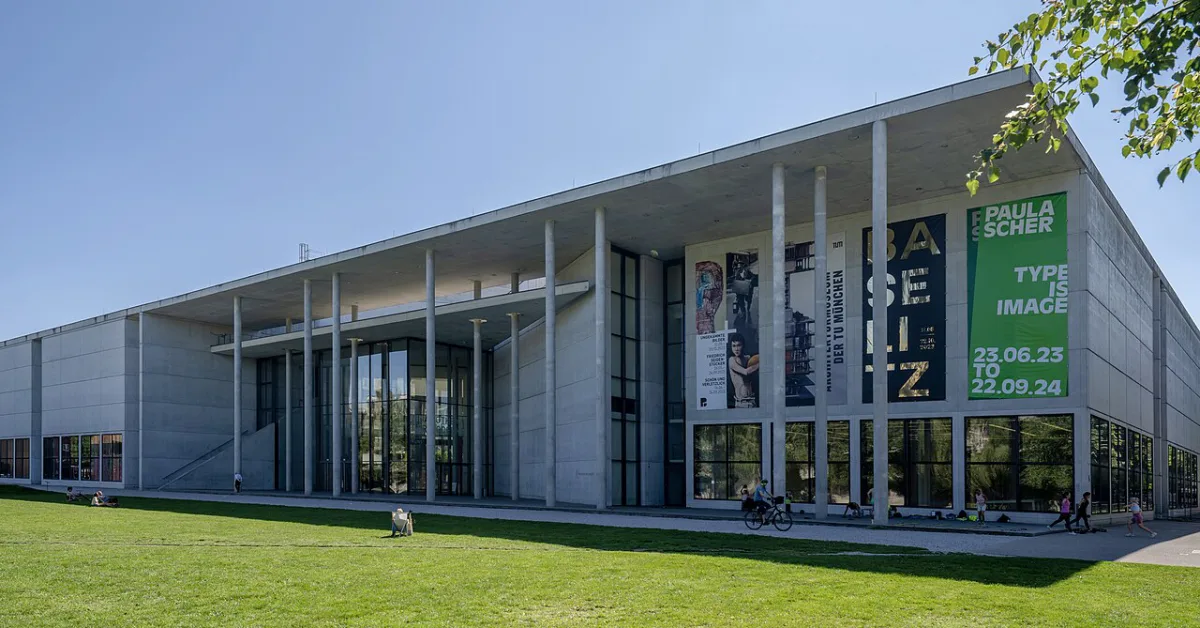
See the 10 best museums in Munich worth visiting in 2026, with real ticket prices, hours, and insider tips for planning a smooth museum day.
Read guide →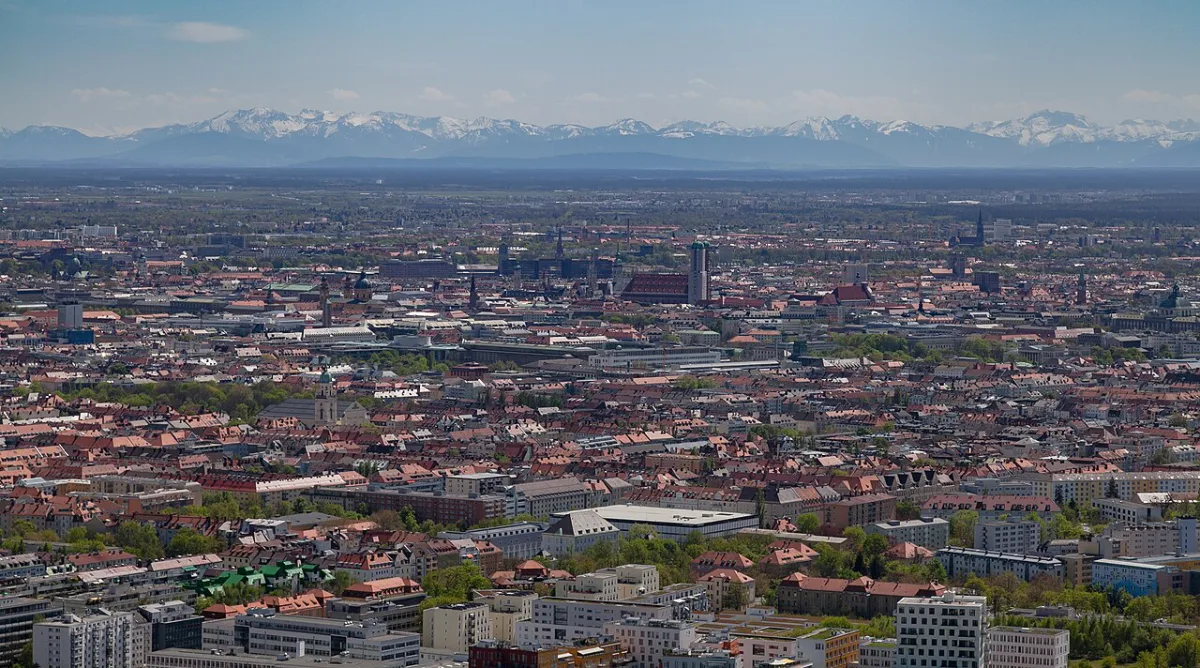
Find the 10 best viewpoints in Munich for 2026, from Alter Peter's old-town panorama to free sunset hills, with current prices, hours, and tips.
Read guide →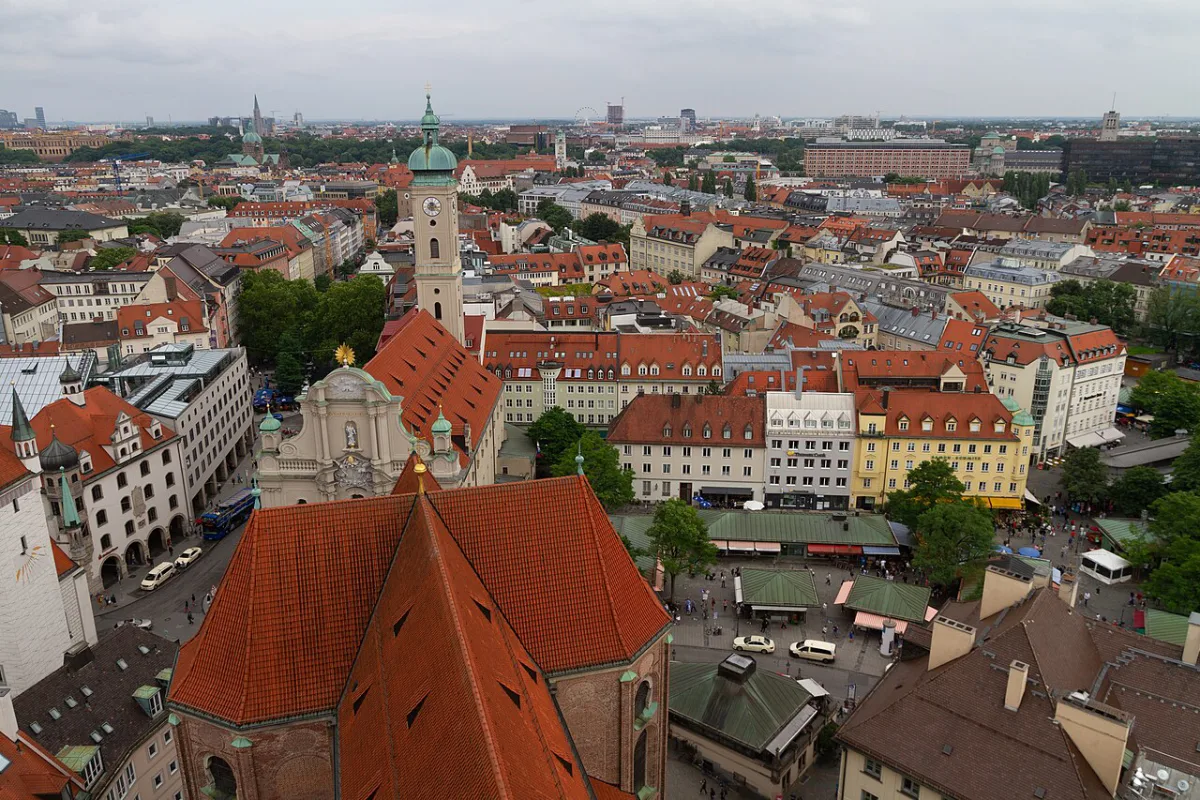
10 best photo spots in Munich for 2026, with hours, entry prices, crowd timing, and access notes for each of the city's top photogenic stops.
Read guide →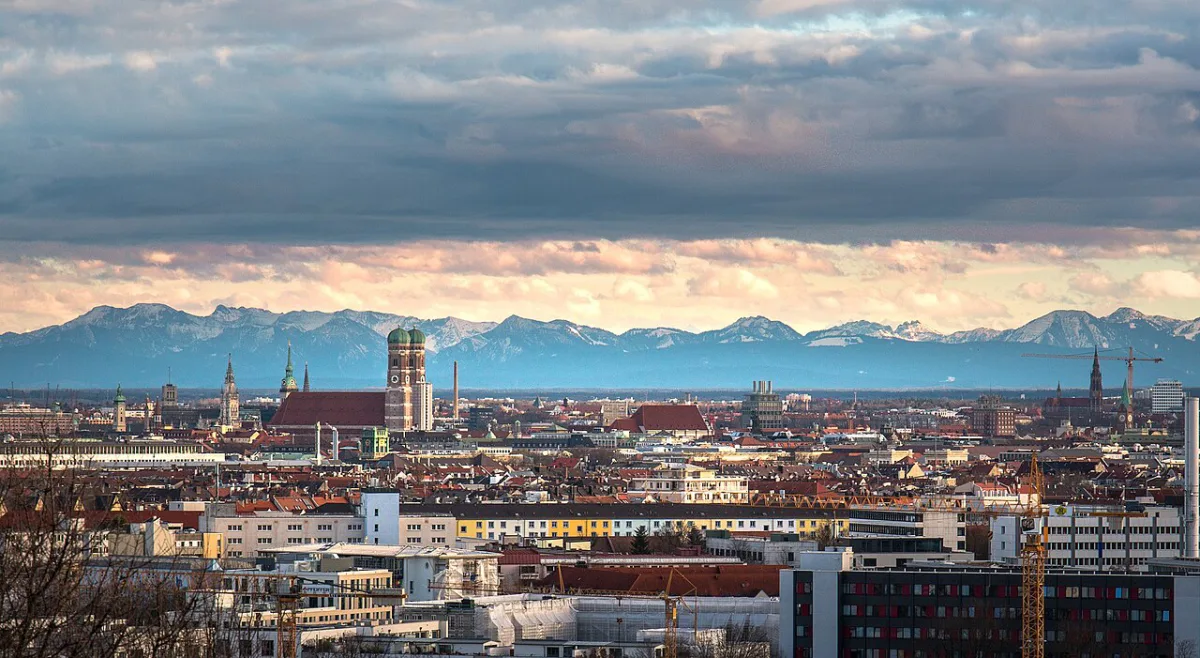
Find the best places to watch sunset in Munich in 2026, from free hilltop parks and a rooftop ship bar to riverside steps, with easy timing tips.
Read guide →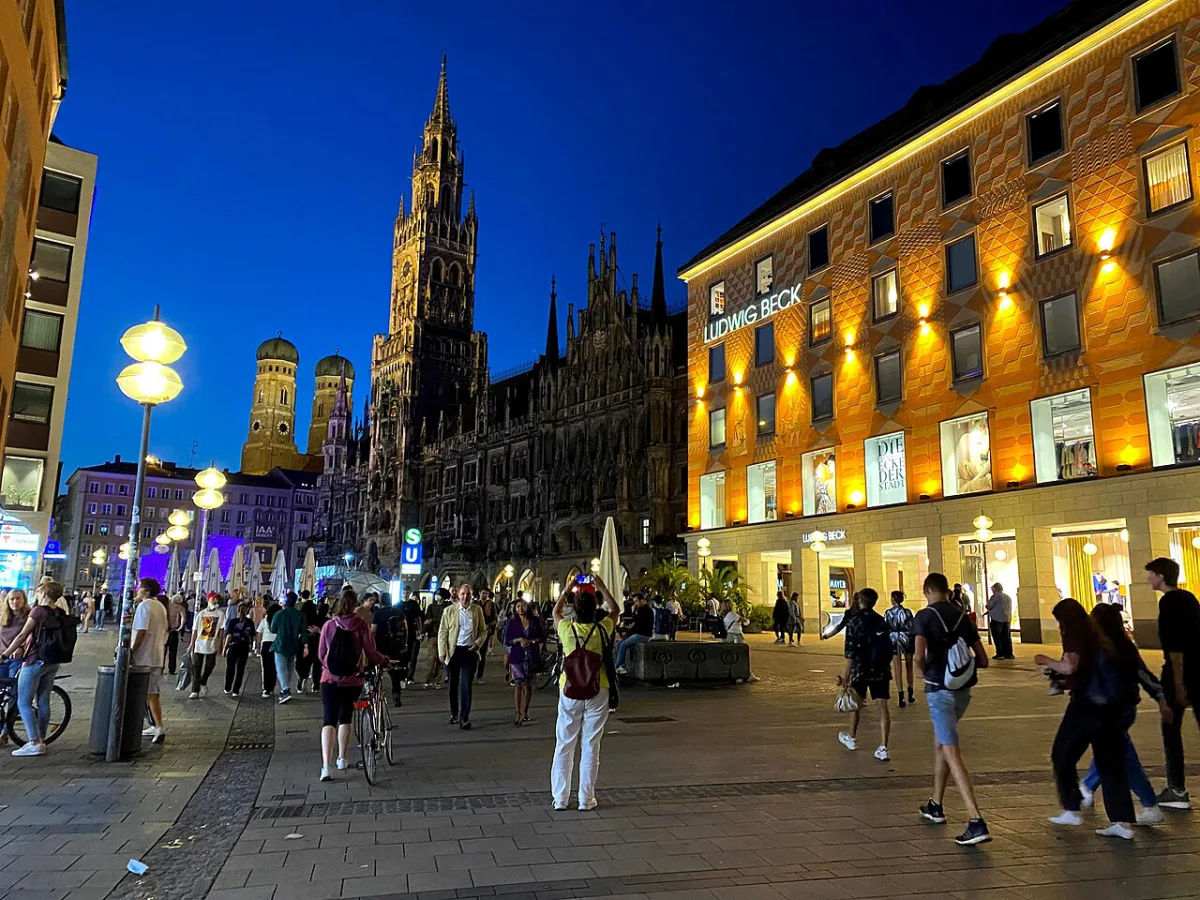
Discover the 10 best things to do in Munich at night in 2026, from historic beer halls to a riverside cruise, with prices, hours, and access tips.
Read guide →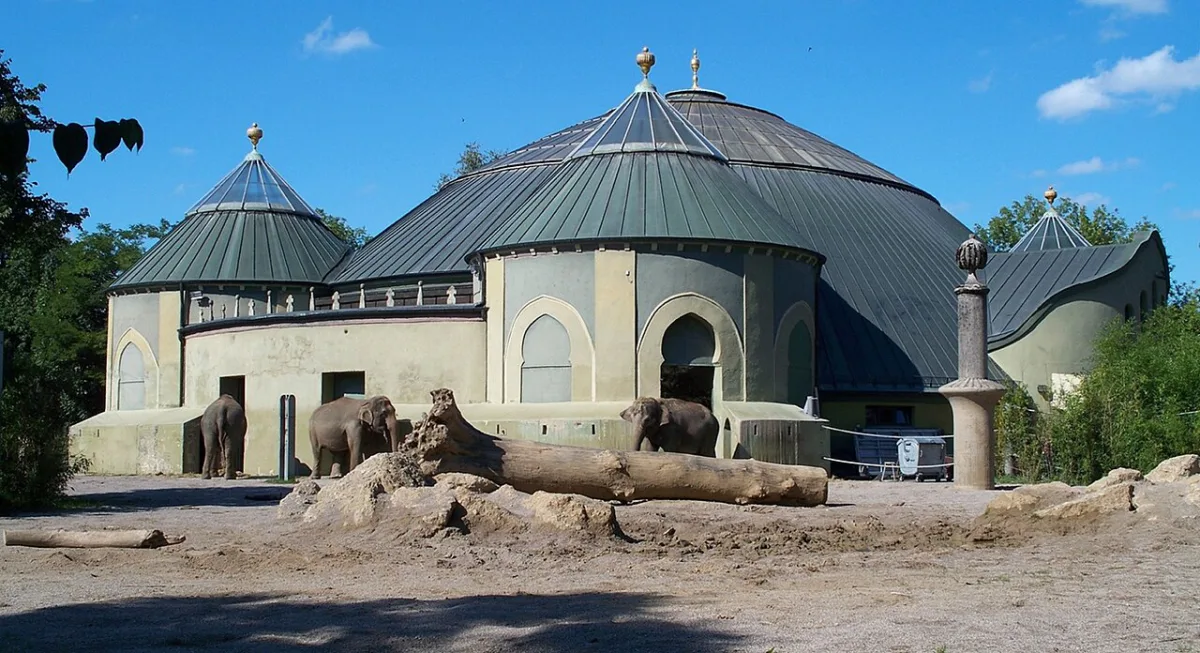
Planning Munich with kids? Get top attractions, indoor museum backups, free parks, and current 2026 pricing tips for a smoother family trip today.
Read guide →
Discover 10 free things to do in Munich in 2026, from the Glockenspiel show to English Garden surfers, plus tips to plan a budget-friendly day out.
Read guide →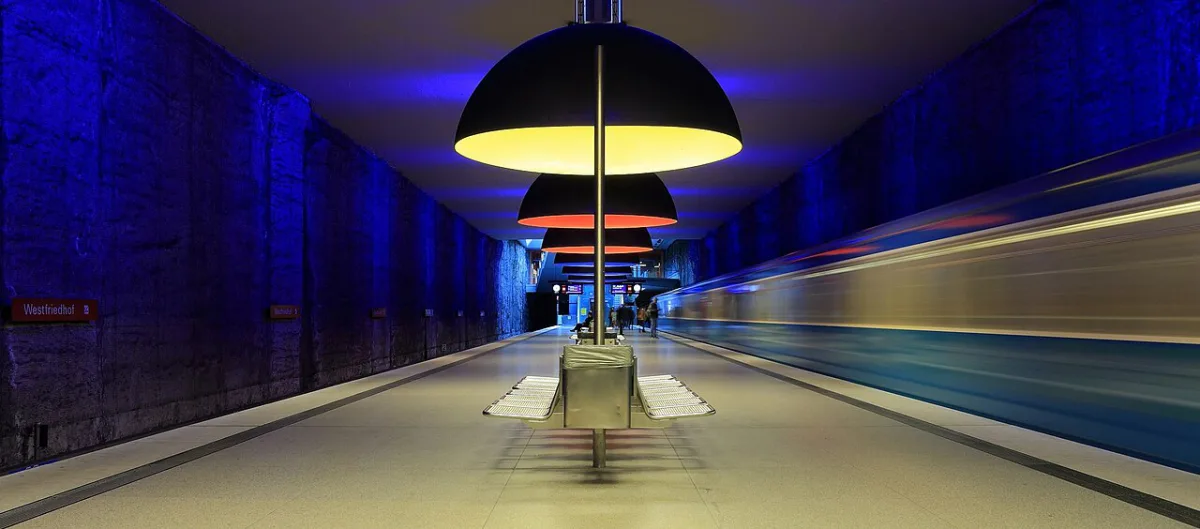
Spend Munich on a rainy day the smart way, with 2026 museum prices, indoor pools, cozy cafés, wellness picks, and a plan that keeps your trip on track.
Read guide →
Plan the best day trips from Munich, from Neuschwanstein Castle to Salzburg, Rothenburg, and Garmisch-Partenkirchen, with 2026 train times, costs, and tips.
Read guide →