A Hanover old town walk is best treated as a city-centre stroll rather than a single landmark visit. The official tourism portal frames the city around sights, city tours and ticket categories, which is a useful starting point for anyone building a route on foot. If you want the wider context of itineraries and city guides first, the Hanover: Itineraries and City Travel Guides hub is a sensible place to begin.
The honest position is that Hanover's tourism office documents city tours and old town walking as a visitor option, and lists example guided tours with dates that must be checked directly. It does not publish a step-by-step Marktplatz to Leine to Ballhof to Kreuzkirche route with official walking times. Everything below is therefore framed as editorial suggestions plus pointers to the operator pages where you confirm the facts that change.
Treat the walk itself as free to do, since the streets and squares are public space, while interiors such as churches and museums sit outside that assumption entirely. Whether any individual building charges admission or opens its doors on a given day is something only the operator can confirm.
Why Plan Around the City Centre Rather Than One Monument
Hanover's centre spreads its interest across squares, churches, halls and riverside paths rather than concentrating it in a single headline sight. Walking connects those pieces at a pace you control, and it lets you abandon a leg of the route if a building is closed or a queue is long. That flexibility is the main argument for a self-guided approach over a fixed departure time.
The city's official tourism pages organise visitor information around sights, culture and tours, which mirrors how the centre actually works on foot. You move between a market square, a river corridor and cultural buildings within a compact area. Grouping them into one continuous loop saves backtracking and keeps the walk readable.
What Can Actually Be Verified Before You Walk
The Visit Hanover tours page confirms that guided city walks exist in several formats, including a city walk through the city centre and old town and a culinary old town stroll. It also publishes the Tourist Information address at Ernst-August-Platz 8 in Hanover, along with phone and email contact details, which is the most reliable place to confirm current dates.
What the same source does not do is define a specific walking route linking Marktplatz, the Leine, Ballhof and Kreuzkirche, nor does it publish official walking times for such a route. Any sequence in this guide is a planning suggestion, not an itinerary you can attribute to the tourism office. If you want the centre's landmark detail in advance, the Hanover: Landmark Visitor Guides collection is a reasonable companion while you sketch the loop.
Ticket prices, opening hours, event programmes and booking availability are all volatile and change with the season. Rather than repeat figures that may already be stale, the sections below explain where each type of detail is confirmed.
Building Your Own Route: Anchors and Order
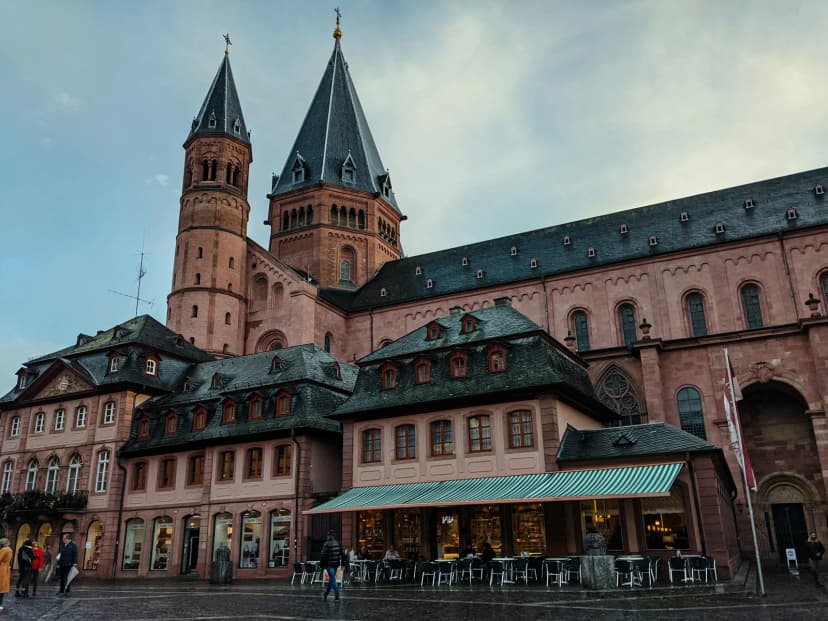
Start with a fixed anchor you can find without navigation, then add stops in a loop so you always return to familiar ground. Marktplatz works well as an anchor because it is a recognisable square with surrounding historic buildings. The Marktkirche Hanover church sits in this setting and gives the square a clear visual reference point.
From the market square, the Old Town Hall Hanover is the natural second anchor, since civic buildings of this type usually sit at the administrative heart of an old centre. Checking whether the interior is accessible on your travel date is worth doing before you commit to it as a stop.
Order the Leine stretch after the civic buildings, because riverside walking is where you will most want unstructured time. Ballhof and Kreuzkirche then work as a cultural pair that closes the loop. Keep the sequence flexible rather than treating it as a fixed numbered list.
How Long a Self-Guided Walk Really Takes
As an editorial suggestion rather than an official figure, allow roughly two to three hours for a relaxed centre walk with short pauses at squares and the river. That estimate assumes you are not entering ticketed interiors, which can easily double the time. Anyone walking briskly with no stops will finish considerably faster.
Three things stretch the walk: a queue at a popular building, a detour along the water, and time spent working out where you are. Building a fifteen-minute buffer into each half of the route absorbs those delays. If your day is tight, cut the river section rather than the market square, because the square is the easiest place to reorient from.
Self-Guided Walking or a Booked Old Town Tour
The trade-off is structure against freedom. A booked tour gives you commentary, a fixed route and a guide who knows which doors are open, but you move at the group's pace and on the organiser's schedule. A self-guided walk costs nothing to arrange and lets you linger, but it puts the navigation and the research on you.
Visit Hanover lists upcoming city tours with specific dates, covering formats from a hop-on hop-off bus to themed walking and culinary tours. Because those listings change continuously, the dates shown are a snapshot and must be confirmed on the operator page at the moment you book.
If you would rather have a guide but still want the old town on foot, the city centre and old town walking tour format is the closest match to the route described here. Booking ahead matters most on weekends and during event periods, when popular departures fill first.
Marktplatz and the Leine: Square and River on Foot
Marktplatz gives you a compact orientation point where church, civic buildings and surrounding streets sit within a short radius. Walking the square first lets you judge which buildings you want to revisit later with more time. It is also the easiest place to correct your direction if you arrive from the station area.
The Leine corridor changes the character of the walk entirely, replacing facades and paving with water and greenery. This is where the route becomes a stroll instead of a sightseeing checklist. Save it for the middle of your walk, when you are ready for a slower stretch.
Crossing points and riverside paths are the parts of a city walk most likely to be affected by seasonal maintenance or temporary barriers. If a path looks closed, treat the detour as expected rather than exceptional, and check locally for the current situation.
Ballhof and Kreuzkirche: Check Before You Build Them In
Ballhof and Kreuzkirche are the two stops most dependent on current programming rather than permanent display. The Kreuzkirche in particular appears on the city portal as a venue for temporary cultural shows, which means access depends on what is scheduled rather than on fixed visitor hours.
Because of that, confirm the programme on the operator page in the days before your walk and treat any specific show as subject to change. If nothing is on, the exterior and the surrounding quarter still justify the detour. Do not build your day around an assumption that a venue will be open.
What a Walking Route Cannot Tell You
A route plan says nothing about opening hours, admission, closures or whether a building is free or ticketed. Those are exactly the details that change most often and that a self-guided walk leaves entirely to you. Plan to check each site individually rather than relying on an older blog or a printed leaflet.
Seasonal variation matters too: winter daylight shortens the window for a comfortable walk, and some venues reduce or shift their programming. Assume nothing about a specific day's availability and verify with the operator instead.
Pacing, Breaks and Realistic Stopping Points
Plan breaks where seating already exists rather than where you hope to find it. Squares with cafés and the riverside are the natural pause points on this loop. Two or three short stops will keep the walk comfortable without extending it unnecessarily.
Comfortable shoes matter more than a detailed map here, because the surface varies between paving, cobbles and riverside gravel. Carry water if you are walking in warmer months, and keep a light layer for the shaded riverside stretch. If you are combining old town facades with museum interiors, the Hanover: Landmark Visitor Guides overview helps you decide which buildings deserve the extra hour.
Accessibility and Comfort on a City-Centre Walk
Routes through historic centres often mix smooth paving with uneven stone and short flights of steps. Because verified accessibility information for individual Hanover sites is not something this guide can confirm, check the specific venue or ask Tourist Information about the section you plan to walk. That applies particularly to older church and civic buildings.
If comfort is a priority, shorten the route rather than rushing it. A loop between the market square and the river covers the core experience in a manageable distance. Save the remaining stops for a second, slower pass.
Practical Logistics: Start, Finish and Tourist Information
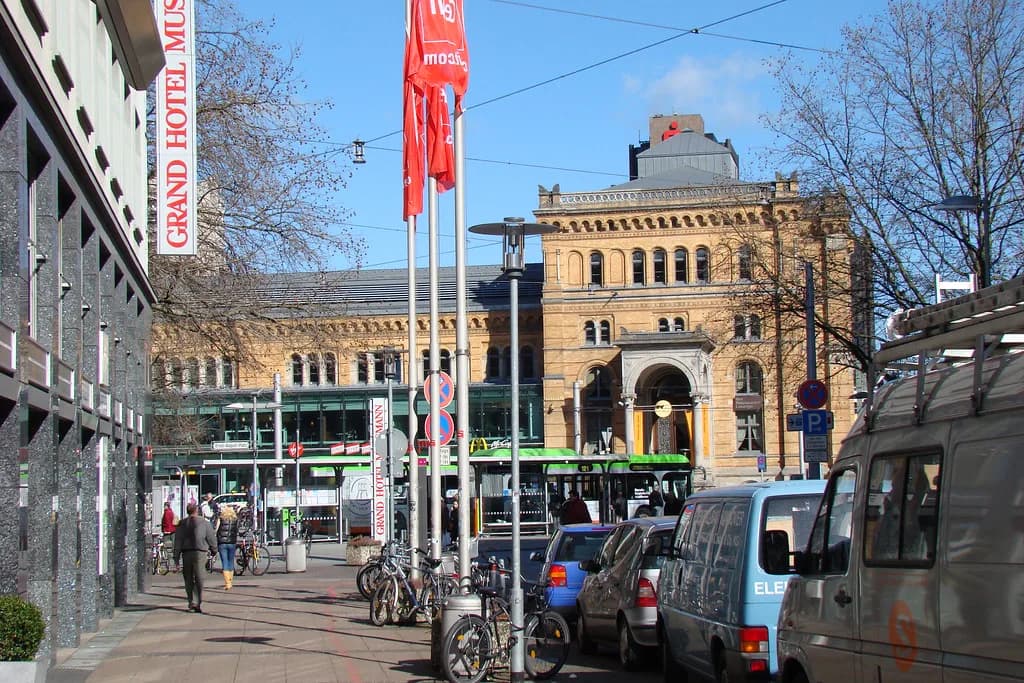
Start near Ernst-August-Platz, which is where the Tourist Information office is located and is therefore the most useful fallback if your plans change. Starting there also means you can pick up current information before committing to a route. Finish back in the centre so you have options for onward travel.
Tourist Information publishes a phone number and an email address alongside its address, so contact is possible before you travel rather than only on arrival. That is the right channel for confirming current tour dates, ticket categories and venue information. If you want to extend your stay beyond the city, consider a day trip before finalising your itinerary.
Plan Your Visit
A Hanover old town walk works because the centre is compact enough to walk in a single loop and rich enough to reward a slower pace. Anchor on Marktplatz, add the Leine for contrast, and treat Ballhof and Kreuzkirche as stops that depend on current programming. Keep the duration flexible and confirm each venue's details on the day.
Use Tourist Information and the operator pages for anything volatile: dates, tickets, opening arrangements and event programmes. What you cannot verify, do not plan around. That single habit makes a self-guided walk in Hanover far more enjoyable than a rigid schedule that breaks on contact with reality.
Frequently Asked Questions
Is there a marked Hanover old town walking route?
The city's tourism pages document guided city walking tours, including a city walk through the city centre and old town, but they do not publish a step-by-step self-guided route with fixed waypoints. Any written sequence linking Marktplatz, the Leine, Ballhof and Kreuzkirche is a planning suggestion rather than an official trail. Use the squares and riverside as anchors, and check with Tourist Information at Ernst-August-Platz for current guidance.
How long should I allow for a self-guided Hanover old town walk?
As a rule of thumb rather than an official figure, two to three hours suits a relaxed centre loop with a few pauses. That assumes you are not touring ticketed interiors, since each of those can add substantial time. A brisk walk without stops will take considerably less, and the riverside section is the part most likely to slow you down.
Are Hanover old town walking tours available if I would rather not plan my own?
Yes. Visit Hanover lists guided tours of various kinds, including walking tours through the city centre and old town and culinary strolls, each with its own dates. Availability and departure times change frequently, so confirm on the operator page when you book rather than relying on any previously published schedule.
Do I need to book Hanover city tours in advance?
Booking ahead is advisable rather than mandatory in general terms, and it matters most around weekends and busy periods when popular departures fill quickly. The safest approach is to check the specific tour listing you want and follow whatever booking guidance the organiser gives there. Tourist Information can also confirm what is running during your stay.
Is walking Hanover's old town free?
Walking public streets and squares costs nothing, so a self-guided route through the centre is essentially free to undertake. What is not automatically free is admission to individual churches, museums and venues, and those arrangements vary by site and by season. Confirm the status of each building you want to enter with the operator rather than assuming either way.