
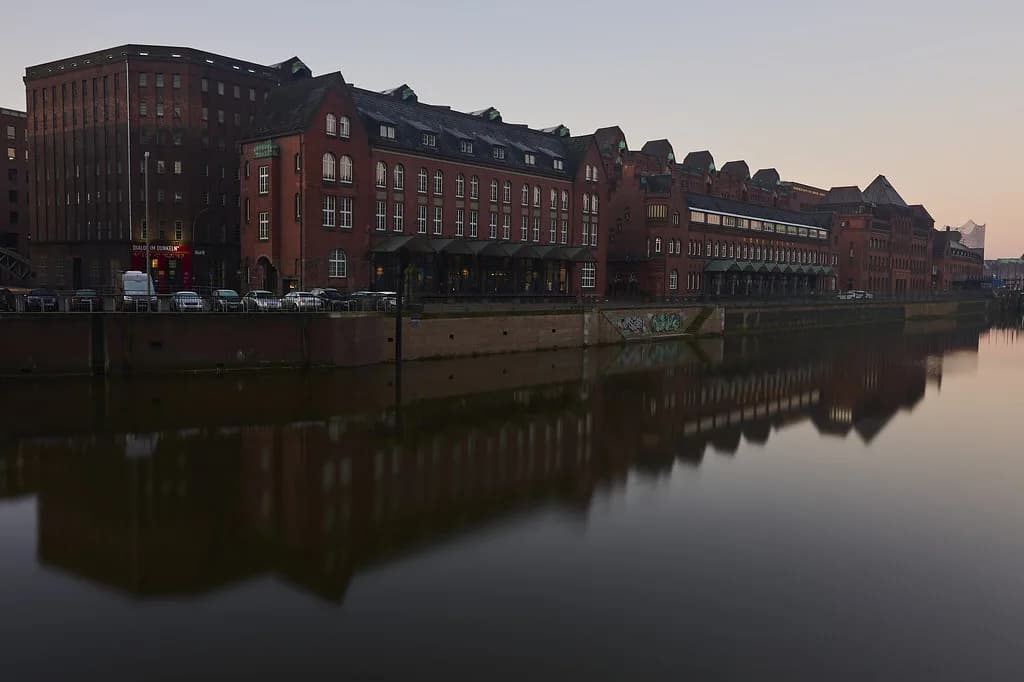
Hamburg works unusually well as a base because the interesting places sit in three different directions: Hanseatic towns to the northeast, the Baltic coast, and the heath and farmland to the south. A single day can hold one of those comfortably, but rarely two that pull in opposite directions. The city tourism board groups regional excursions into castles, cities and villages, islands and beaches, and nature categories, which is a useful way to sort your own shortlist. If you want the city itself mapped out first, start with a Hamburg itinerary so your trip days and city days do not compete.
One practical detail worth front-loading: Lübeck's old town sits on an island and its centre has been designated a UNESCO World Heritage Site, with the Holstentor gate as its symbol. Travellers describe the fastest train from Hamburg Hauptbahnhof to Lübeck at roughly fifty minutes, and Lüneburg at roughly twenty-four to fifty minutes, but treat every figure as a reported range rather than a timetable promise. Schedules change with construction and season, so confirm departures in an official rail app the week you travel.
The Four Decisions That Actually Shape a Day Trip
First, train or car. Rail puts you in the middle of compact historic centres such as Lübeck and Lüneburg, while cars win in the heath and along parts of the North Sea coast where villages are spread out. Second, one stop or an add-on: Lübeck and Travemünde sit on the same corridor, but Sankt Peter Ording, Sylt and Helgoland do not combine with anything else in a single day.
Third, season. Heather colour, rapeseed fields, fruit picking and Christmas markets each compress a destination into a few weeks a year, so a trip that shines in one month can look flat in another. Fourth, whether to sleep somewhere. A night converts a rushed dash into a relaxed visit and often costs less stress than a same-day return.
The regional day-trip listings published by the city tourism board show how wide the menu is, from castles and manor houses to beaches, wildlife parks and outlet centres. Use those categories to match a destination to your energy level rather than to a ranking. If your budget is tight, compare paid interiors against free public space before committing to a long ride.
Lübeck: The Most Reliable Train Day Trip
Lübeck is the safest bet for a first outing because the reward starts as soon as you leave the station, with alleyways, cobbled streets and gothic monuments packed onto a walkable island centre. The Holstentor gate and the town hall are the two landmarks most visitors orient themselves by, and the marzipan association is real: Niederegger has been a family-run brand for around two centuries, and its flagship store in the city includes a shop, a cafe and a small museum upstairs.
Crowding is the main trade-off. Summer weekends around the marzipan shop and the main streets can be intense, and the same applies to the Christmas market season, so an early departure buys you quieter streets rather than a shorter ride. Because the centre is compact, a half day of walking covers the highlights and leaves room for a late lunch before the return train.
Lüneburg: Medieval Centre, Salt Trade and Christmas Crowds
Lüneburg sits south of the city and is the other obvious rail trip, with a well-preserved medieval core that survived the war largely intact. Its wealth came from salt deposits and the Hanseatic salt trade, and the Salt Museum is where that story is told. Reported rail times run from roughly twenty-four minutes to about fifty, which makes it one of the shortest hops on this list.
The seasonal trade-off is sharp: Lüneburg is best known for one of the region's nicest Christmas markets, and that popularity means December weekends are busy. Admission details and opening times change, so check the museum's own site rather than relying on a blog from a previous year. Outside the festive period, the same streets are calm enough for a slow afternoon.
Lüneburg Heath and Heide Himmel: Where a Car Helps Most
The heath south of Hamburg is a landscape, not a town, and the violet heather bloom is a narrow window. Visitors report that August and September are the months when the whole area turns violet, so booking a trip on the strength of a photo taken in another month will disappoint.
Heide Himmel is the tree-top walk with a lookout tower, and a wildlife park sits next to it, which makes the area a full day rather than a quick stop. Getting between the villages, the walk and a car park is where public transport becomes awkward, so treat this as the trip where a car genuinely changes the plan. Check the operator's own pages for current opening arrangements and ticket scope, since a treetop walk and a wildlife park are separate businesses.
Baltic Coast: Travemünde and the Same-Corridor Add-On
Travemünde is the classic beach add-on because the rail route runs through Lübeck, so the two fit one corridor. Reported times put Hamburg to Lübeck at roughly fifty minutes and Lübeck to Travemünde at roughly twenty to forty, which means an early start can carry both stops and a late return home. Staying overnight in Lübeck and heading to the beach the next morning is the calmer version of the same plan.
The beach is wide and lined with the striped Strandkorb chairs that define German seaside towns, and it fills up on summer weekends. Water temperatures are cold by southern European standards, so swimming is a genuine decision rather than a default. Nearby Baltic options such as Timmendorfer Strand and Wismar offer the same beach-chair culture with different town characters.
North Sea Ambitions: Sankt Peter Ording, Sylt and Helgoland
These three are where the day-trip frame starts to strain. Sankt Peter Ording offers enormously wide sand and access to the Wadden Sea, where low tide exposes mudflats that guided walks cross, but the reported train journey runs close to three hours with a change, while driving takes under two. A car also helps you move between dunes and beach entrances.
Sylt is reached most simply by a direct train from Hamburg-Altona to Westerland, reported at around three hours, and driving saves nothing once you account for the car shuttle from the mainland. Helgoland is the longest of all, with a reported speed ferry of three and a half to four hours each way from Landungsbrücken and only a few hours ashore between crossings. Ferry schedules and capacity are the deciding factor, so check the operator directly before planning either island as a same-day return.
Altes Land: The Half-Day Trip With Fruit Picking
Altes Land is the closest thing to a half-day outing, a fruit-growing region southwest of the city divided between Hamburg and Lower Saxony. According to the city's own description, around ten million fruit trees grow there, which is why market boxes often carry the region's name. Picking follows the calendar: strawberries in June, blueberries and raspberries in July, apples and plums in August and September.
Farms often run a shop and a cafe, and many cater to families with play areas, which makes the trip forgiving if the weather turns. Travellers report that this is easiest by car, roughly thirty to forty minutes from the centre, and that makes it a good match for a short outing rather than a full day. Confirm opening days with a specific farm before you drive out, since farm shops follow their own seasonal rhythm.
Cities Further Out: Schwerin, Bremen and Berlin
Schwerin's castle sits on a lake with original gardens, and visitors who have been describe it as worth a few hours rather than a full day. Bremen is a comfortable train ride with a picture-book old town, a fairytale statue to photograph and the Schnoor quarter of narrow lanes and small shops. Berlin is the long-ride option, reported at roughly two to two and a half hours depending on construction work, which makes it a full day with an early start.
Travelling From Hamburg: Stations and Local Connections
Most regional departures leave from Hamburg Hauptbahnhof, while some long-distance services use Hamburg-Altona, so check which station your chosen train actually serves before you leave. Harbour ferries and the Landungsbrücken piers are a different system from the regional rail network, and mixing them up on a tight morning is a common way to miss a connection. Our Hamburg public transport guide walks through tickets, zones and the U-Bahn network so you can plan the first leg properly.
Keep fares, timetables and platform details out of your planning until the last week, then confirm them in an official rail app or at the station. Reported journey times in travel accounts are ranges, not guarantees, and construction work can add substantial time. If you are still shaping the city portion of your trip, a Hamburg 3 day itinerary helps you decide which days are best spent away from the city.
Where you stay in the city affects how easily you reach the station early: districts near the centre and along the U-Bahn shorten the first leg of any day trip. Our Hamburg neighborhoods guide covers the trade-offs between central convenience and quieter residential streets.
Common Mistakes and How to Avoid Them
The most frequent error is overpacking a single day with two destinations that pull in different directions, which turns sightseeing into a race for a return train. A second is treating reported journey times as fixed, when construction and seasonal timetables can add thirty minutes or more. Build in slack and pick one anchor sight per destination.
A third mistake is assuming summer weekends are quiet; coastal towns, the marzipan quarter in Lübeck and heath villages all fill up when the weather is good. Finally, do not book a coastal or island trip on a whim, because ferry crossings and long rail legs decide whether the day works at all. Check the operator's own information before committing, and keep the plan flexible enough to swap a rained-out beach for a museum day.
Suggested Durations You Can Actually Use
The following are planning suggestions, not official times: allow a full day for Lübeck, a full day for Lüneburg with room for the Salt Museum, and a long day for the heath if you are driving. Travemünde pairs with Lübeck as a long single day or splits neatly across two if you stay overnight.
For Sankt Peter Ording, Sylt and Helgoland, plan an overnight rather than a return in the same day, because the travel legs leave too little time on the ground. Altes Land works as a half day from the city, and Schwerin, Bremen or Berlin each take a full day with an early start. Write your own timings against a live timetable and adjust from there.
Match the Trip to the Season
The best Hamburg day trip is the one that fits the month you are travelling. Heather and rapeseed are narrow seasonal windows, Christmas markets make Lübeck and Lüneburg busy but atmospheric, and beaches reward anyone willing to accept cold water. Use the city's own category listings to sanity-check a destination, then confirm times and tickets with operators before you go.
If you have not yet settled your city days, our Hamburg itineraries and city guides and the Hamburg landmark visitor guides help you sequence the centre around whichever excursions you choose. Decide the excursion first, then build the city plan around the days that remain.
Frequently Asked Questions
Which day trip from Hamburg is easiest entirely by train?
Lübeck is the simplest first choice: the old town is compact and walkable, its centre is a UNESCO World Heritage Site with the Holstentor gate as the symbol, and the marzipan shops sit close to the station. Lüneburg is similarly straightforward if you want a medieval centre with a salt-trade story. Both are reported within roughly an hour, but always confirm departures on the day because construction and seasonal timetables change.
Can you combine Lübeck and Travemünde in one day?
Yes, but it is a long day. The rail route to the Baltic beach passes through Lübeck, so a stop in each is geographically natural; travellers report roughly twenty to forty minutes between the two. Leaving Hamburg early and returning late makes a single day work, and spending the night in Lübeck makes the same itinerary considerably more relaxed.
When is Lüneburg Heath in bloom?
Visitors report the violet heather bloom in August and September, and outside that window the landscape looks quite different. The heath is a region rather than a town, and getting between villages, the Heide Himmel treetop walk and the nearby wildlife park is far easier by car. Check the operator's own pages for current opening arrangements before travelling.
Are Helgoland or Sylt realistic as same-day trips?
They are possible but tight, and an overnight is the better plan. Helgoland involves a speed ferry reported at three and a half to four hours each way with limited time ashore between crossings, and Sylt is most simply reached by a direct train from Hamburg-Altona to Westerland reported at around three hours. Ferry and train schedules change, so verify with the operator before booking.
Do you need a car for Sankt Peter Ording?
A car makes the trip considerably easier. Driving is reported at under two hours, while the train journey runs close to three hours with a change, and a car also helps you move between dunes and beach entrances. If you rely on rail, plan an overnight rather than a same-day return so the travel legs do not consume the visit.
What should you do on a Hamburg day trip when it rains?
Choose a town with indoor anchors rather than open landscape: Lübeck's marzipan museum and shop floors, Lüneburg's Salt Museum and Bremen's historic lanes all work in wet weather. Museum buildings also give you a dry pause between walks. Opening hours and ticket scope vary by institution, so check each museum's own site rather than assuming a shared ticket.


