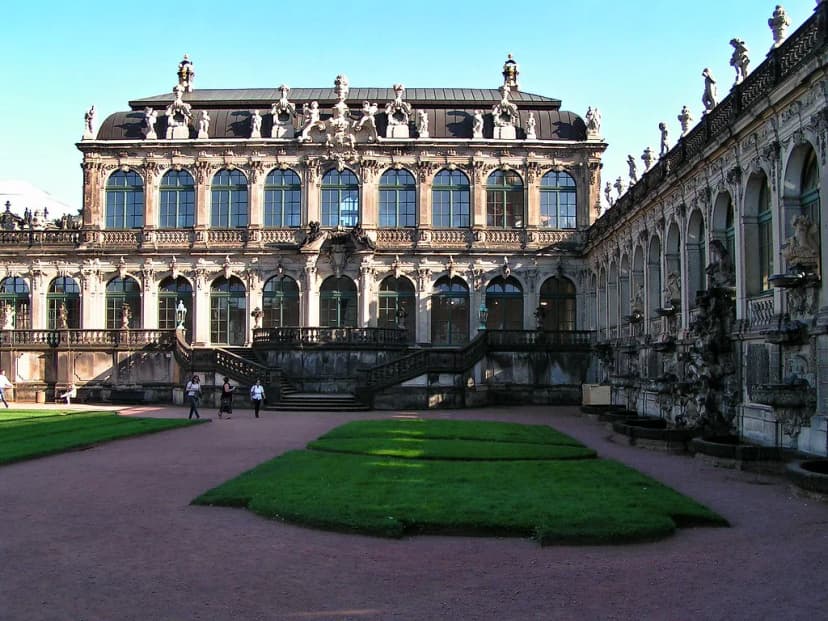
Dresden is unusually easy to explore on foot for a city of its cultural weight. The rebuilt baroque centre sits close to the Elbe, and green space begins within a short walk of the main sights rather than on the outskirts. That combination lets you build a relaxed day around one garden anchor and one river stretch instead of rushing between ticketed interiors.
The Grand Garden of Dresden is the obvious starting point. Its operator describes the Dresden Park Railway as a miniature railway whose trains have been enjoyed by young and old railway enthusiasts since 1950. Treat the park as a place to wander at your own pace, and check the operator's current opening and admission page before you go rather than relying on second-hand schedules.
For a realistic plan, budget a suggested two to three hours for the park alone and keep the riverbank as a separate, shorter outing. That is local advice, not an official figure, so adjust it to your own pace. The rest of this guide separates what is free from what is ticketed and shows how the city's transport network connects the pieces.
Why Dresden Works for Relaxed Walks
Dresden's sightseeing core is compact, and the Elbe runs right alongside it, so you can shift between architecture and greenery without a long transfer. A morning in the old town can end with a riverside stroll simply by walking toward the water. That proximity is the main reason a garden-focused day here feels unhurried rather than logistical.
The city also has multiple green spaces rather than one flagship park, which suits different moods. Some are formal and landscaped, others are informal river meadows. Mixing a formal garden with a riverbank path gives your day variety without repeating the same experience twice.
If you want to keep costs down, several of the walks in this guide are through open ground rather than paid attractions. A companion piece on free things to do in Dresden is useful when you want to fill a day without buying tickets.
Grosser Garten: Baroque Grounds and the Dresden Park Railway
Grosser Garten is a large baroque park a short distance from the city centre, laid out with straight avenues, fountains and landscaped grounds. It is the kind of place where the walking itself is the attraction, so leave room to drift rather than ticking off sights. The park's own pages describe it as the green heart of Dresden, and the miniature Dresden Park Railway has been part of the experience since 1950.
The Sommerpalais sits at the centre of the park, a compact palace with sandstone sculpture that anchors the formal layout. Treat the grounds and the palace interior as separate things: the park is open public space, while the palace may have its own arrangements. Check the operator's current opening hours and admission page before you plan a visit around the interior, since those details change.
Families often ask whether the miniature railway is worth building into the visit. It is one of the park's distinctive features and a genuine draw for younger children, but do not assume it runs year-round. The operator publishes the current season and ticket information; confirm the timetable there instead of trusting a dated summary.
Zoo and Botanical Garden: Separate Ticketed Attractions
Two separate institutions sit around the edges of Grosser Garten: the Dresden Zoo and the Botanical Garden. Both are established visitor attractions in their own right, and neither should be treated as automatically included in a park visit. If either is a priority, plan it as its own stop with its own time and budget.
A common mistake is to assume one ticket covers the whole green area. In practice, park grounds, palace interiors and neighbouring institutions are distinct, so decide in advance which ones you actually want to enter. That keeps both your schedule and your spending under control.
Check each attraction's own current pages for admission details and seasonal patterns, because a family visit built around a closed gate is the fastest way to spoil a garden day. The city's broader landmark guides can help you slot these stops into a wider sightseeing plan.
Elbe Riverbank: Elbwiesen and the Car-Free Elberadweg
The Elbe gives Dresden its easiest low-effort green outing. The river meadows, the Elbwiesen, run along the water and offer open views back toward the baroque skyline. For a relaxed walk you need no plan beyond picking a stretch and following the bank at your own pace.
The city's own transport pages single out the Elberadweg as the most important inner-city cycling route, running along the river bank away from road traffic. That car-free character is exactly what makes it good for a slow stroll as well. It is one of the few routes where you are separated from street-side traffic for a sustained stretch.
Because the path follows the river rather than the street grid, it is forgiving if you change your mind mid-walk. You can turn back at any bridge or ferry point instead of committing to a fixed circuit. That flexibility makes it a good pairing with a shorter garden visit on the same day.
Short City-Centre Green Stops: Terraces Above the River
Bruehlsche Terrasse, the terrace above the Elbe in the old town, is the most convenient green-ish pause if you only have an hour. It combines river views with architecture, sculptures and benches facing the water, so it works as a short stroll rather than a destination in itself. It is a good option for a first evening in the city.
The old town also puts the Zwinger and its surrounding spaces within easy reach of the river. These are formal, architectural settings rather than quiet parks, and the courtyards and collections have their own access arrangements. Read them as sightseeing with green framing rather than as a garden escape.
If you are mapping a full day on foot, a neighbourhood-by-neighbourhood approach helps you avoid zigzagging across the city. The guide to a Dresden neighborhoods walk is a useful companion for stringing together the centre, the river and the gardens in a sensible order.
Getting Around Without a Car
Dresden's public transport network is well developed, with trams, buses, Elbe ferries and two mountain railway lines serving the city. That mix matters for a garden day because some green spaces and river crossings are easier to reach by ferry or rail than by road. Plan your route around the network rather than assuming you will walk everywhere.
Wayfinding in the tourist core is supported by a dedicated pedestrian signage system. The city has installed information steles at stations, stops and car parks, each carrying an overview map of the inner-city ring and directional targets. If you arrive by train or park on the edge of the centre, those signs are a practical first orientation point.
Fares and service patterns change, so confirm current ticket options and timetables with the local transport operator rather than relying on older figures. If your day depends on a specific ferry or mountain railway, check it is running before you build the route around it.
Two Suggested Routes: Half-Day and Full-Day
For a half-day, start at Grosser Garten and treat the park itself as the main event. Wander the avenues and fountains, consider the miniature railway if it is running, and keep the Sommerpalais as an optional add-on depending on its current arrangements. A suggested three hours covers a comfortable loop without rushing, though your own pace should set the limit.
For a full day, pair Grosser Garten with a riverbank stretch later in the afternoon. Cross toward the Elbe and follow the car-free riverside route for an hour or so before finishing on Bruehlsche Terrasse with the skyline in view. This splits the day between formal landscape and open water without repeating the same scenery.
Both routes are suggestions rather than fixed itineraries, and neither requires advance booking for the open ground. If you are in Dresden for a couple of days, a two days in Dresden itinerary can help you decide how much time to leave for gardens versus museums.
Pairing Green Days with Dresden Sights and Excursions
Gardens work best here as a counterweight to indoor sightseeing. After a morning in the Zwinger or a palace interior, an hour on the riverbank resets the pace and costs nothing. Alternating the two keeps a city break from turning into a corridor of galleries.
Pillnitz Palace and Park is the standout garden excursion beyond the core. It sits further out along the Elbe and combines palace architecture with extensive grounds, which makes it a natural half-day extension when you want something more than the central parks. Check current access and opening arrangements with the operator before travelling.
If you are basing yourself in the city for several days, the wider set of Dresden itineraries and city guides helps you balance garden time against the museum-heavy highlights. Build the outdoor days around good weather rather than fixing them in advance.
Plan Your Visit
The simplest approach to Dresden's green spaces is to pick one garden anchor and one river stretch rather than trying to cover everything. Grosser Garten gives you formal landscaping and the miniature railway, while the riverside path gives you open water and a car-free route. Together they cover the city's two very different outdoor moods.
Before you go, check the operator pages for the palace and railway, the zoo and botanical garden, and the local transport network, since seasons, hours and ticket arrangements are the details most likely to change. Leave the rest of the plan loose enough to follow the weather and your own energy.
Frequently Asked Questions
Is Grosser Garten free to enter?
The park grounds function as open public space, so walking the avenues and fountains does not require a ticket. The Sommerpalais interior and any neighbouring attractions such as the zoo or botanical garden are separate and may have their own arrangements. Check the operator's current opening hours and admission page before planning a visit around the palace or railway.
How do I reach Dresden's gardens and riverside paths without a car?
Dresden has an extensive network of trams, buses, Elbe ferries and two mountain railway lines, so most green spaces and river crossings can be reached without driving. The city has also installed tourist pedestrian signage steles at stations, stops and car parks, each with an overview map and directional targets, which helps with first orientation. Confirm current routes and timetables with the local transport operator, since service patterns change.
What is there to do in Grosser Garten besides walking?
The Dresden Park Railway runs through the grounds and is the park's best-known family draw, and the Sommerpalais gives the centre of the park its architectural anchor. The zoo and botanical garden sit around the edges as separate attractions rather than part of the park itself. Because the railway's season and the palace's arrangements change, check the operator's pages for current details before you build a visit around either.
How long should I budget for a relaxed garden day in Dresden?
As a suggestion rather than an official figure, allow around three hours for Grosser Garten at an unhurried pace, then add an hour or so for a riverside stretch along the Elbe. A half-day version can focus on the park alone, while a full day works better if you split it between the garden and the riverbank. Adjust freely depending on how much time you spend at the Sommerpalais or the miniature railway.