
Last updated August 2026, this cantillon brewery brussels guide covers what matters before you go. Brasserie Cantillon has brewed lambic and gueuze in Anderlecht since 1900, using spontaneous fermentation instead of cultivated yeast. It also operates as the Brussels Gueuze Museum, so this guide covers hours, tour options, the beers, and nearby offbeat stops.
Cantillon Brewery Brussels Guide: What Makes It Different
Brasserie Cantillon has operated in Anderlecht, a district of Brussels, since 1900. It is one of the few breweries anywhere that still relies on spontaneous fermentation, letting wild yeast inoculate the wort instead of a cultivated strain. Brussels had more than a hundred breweries when Cantillon opened. It remained one of the few still running from that era well into the 2000s. Because it brews and ages beer on-site rather than just pouring it, a visit here differs from a standard taproom stop. The quick facts below cover what sets it apart before you plan a visit.
- Location: Anderlecht, Brussels, at the brewery's original site since 1900
- Production: roughly 400,000 bottles a year, using organic grain and hops since 1999
- Status: the official Brussels Gueuze Museum, and a listing in the travel book 1,000 Places to See Before You Die
- Ownership: still family-run, now under fourth-generation brewer Jean Van Roy
A Brief History: From Beer Blender to Gueuze Museum
Cantillon's roots go back further than its official founding date. 1900 marks the year Paul Cantillon and Marie Troch began blending and selling lambic in Anderlecht's Cureghem area. For decades, the business bought lambic from other producers rather than brewing its own beer. That changed once equipment from a brewery the family had purchased in Ouffet was moved to the current site. The milestones below trace the shift from beer blender to today's working museum.
- 1900: Paul Cantillon and Marie Troch begin a gueuze-blending business at the Anderlecht site
- 1938: The family brews its first batch of Cantillon's own beer, after relocating equipment from a purchased Ouffet brewery
- 1978: Jean-Pierre Van Roy opens the brewery to the public as a working exhibit, the model self-guided visits still follow
- 1986: Cantillon begins exporting to the United States, widening its audience beyond Belgium
- 2003: Jean Van Roy takes over day-to-day operations from his father, Jean-Pierre
- 2011: Cantillon starts a long-term lambic-aging project with the City of Brussels, using underground cellar space to age an eventual 60,000 to 80,000 bottles over 20 years
- 2014: Cantillon buys a neighboring building, roughly doubling production capacity by 2016 to 2017
Visiting Cantillon: Hours, Tickets, and Tour Options
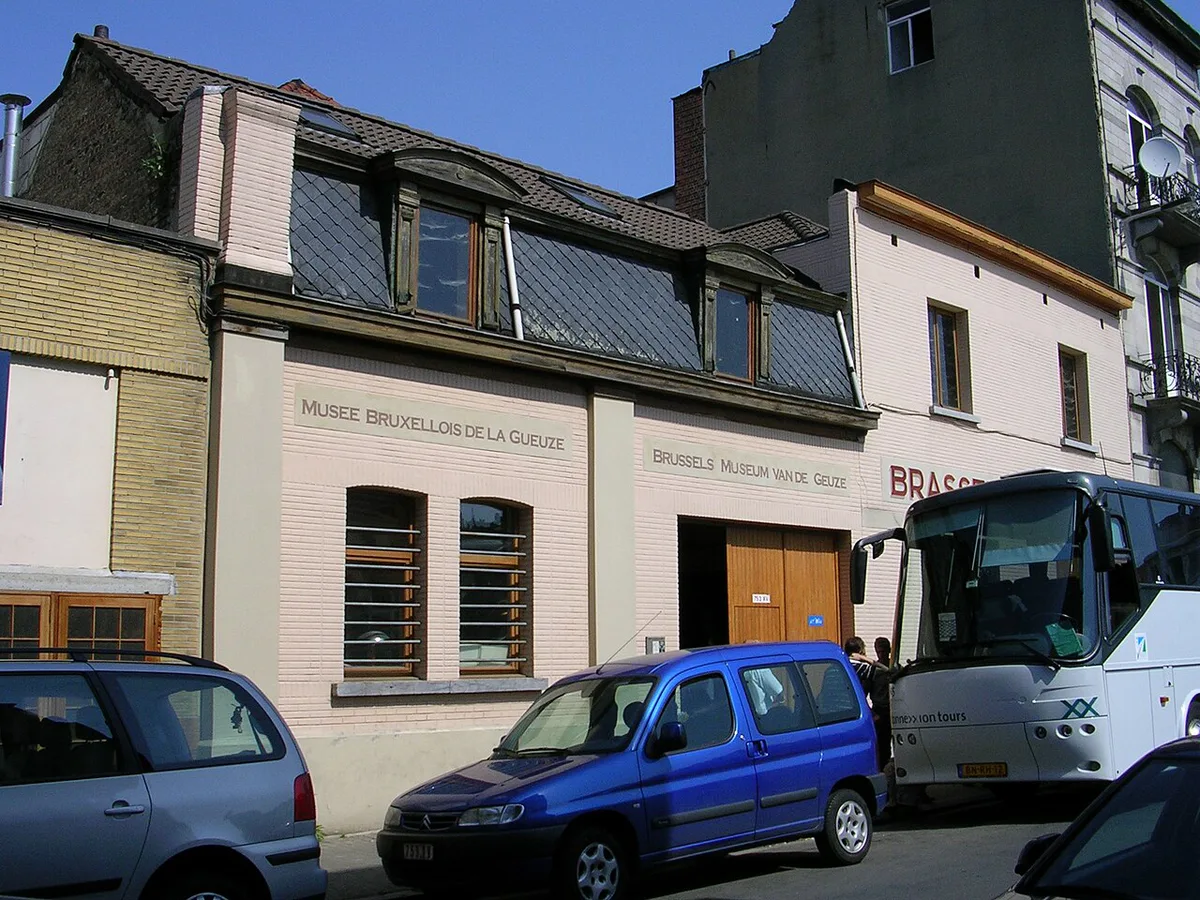
Brasserie Cantillon sits at 56 Rue Gheude in Anderlecht, close to Brussels-Midi/Zuid station. Reported hours run 10am to 5pm on five days a week, with last entry around 4pm and the brewery closed Wednesday and Sunday. Self-guided visits reportedly need no reservation, while guided tours have run Saturdays only with advance booking required. Exact ticket prices for either format aren't listed in the sources behind this guide, so check cantillon.be for current pricing. Expect the guided Saturday format, which adds a narrated walkthrough, to cost more than the self-guided route. Confirm current hours and booking rules on Cantillon's own site before you travel, since small breweries adjust schedules with little notice.
With last entry around 4pm and no official visit duration, arriving after 2pm risks rushing through the self-guided tour.
| Tour Format | Available Days | Booking | Good Fit For |
|---|---|---|---|
| Self-guided | Reportedly Mon, Tue, Thu, Fri, Sat (closed Wed & Sun) | No reservation reported | Flexible schedules, solo travelers, small groups |
| Guided | Reportedly Saturdays only | Advance booking required | Visitors who want a narrated walkthrough |
Inside the Brewery: What You'll See on the Self-Guided Tour
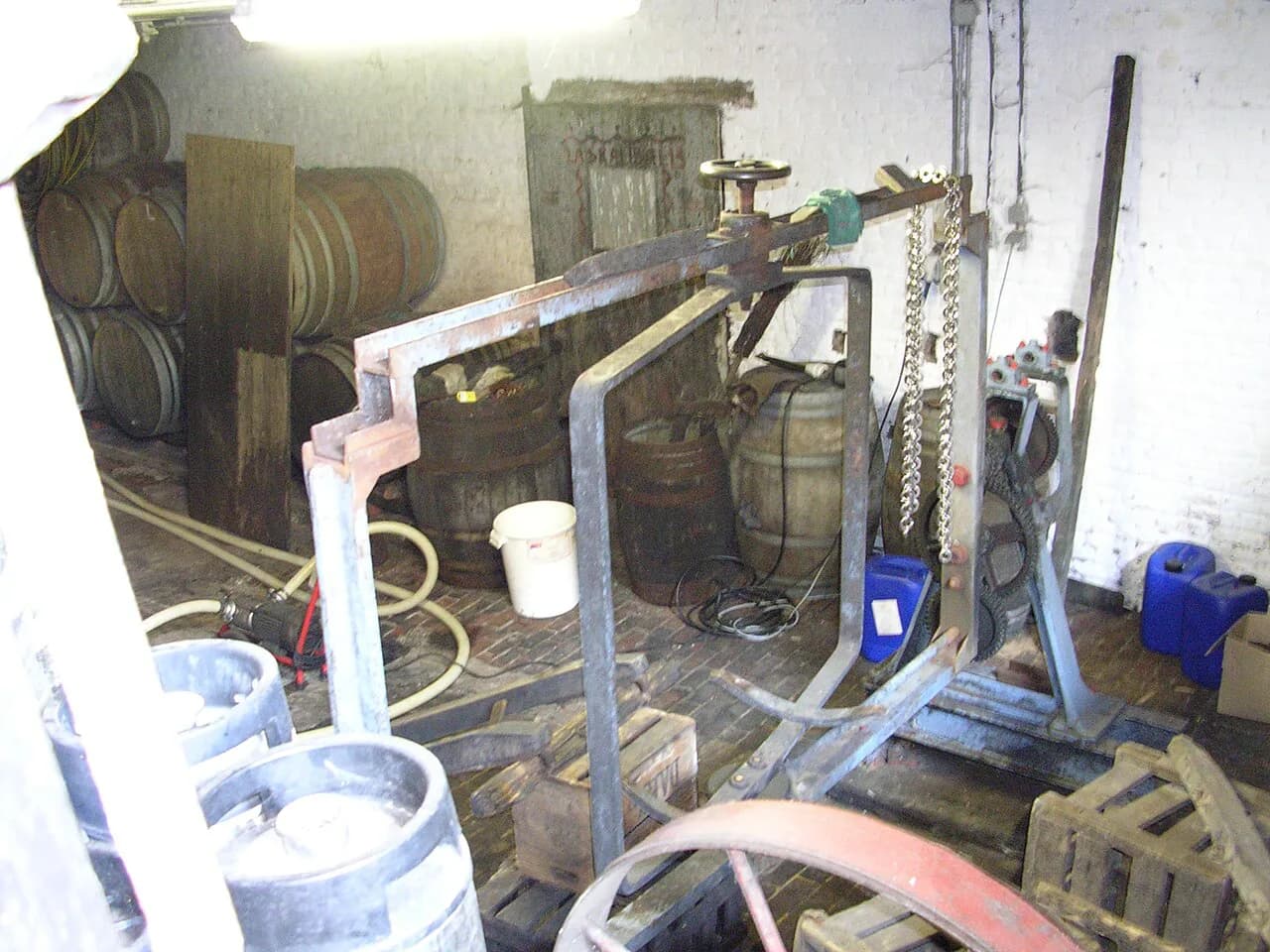
The self-guided route follows numbered stops that match an explanatory booklet handed out at entry. Expect multiple flights of stairs between floors, with no elevator alternative reported, so plan around this if mobility is a concern. Because wild-yeast inoculation only happens in cold weather, active brewing isn't guaranteed on every visit. Expect to see the coolship room even when no brewing is underway that day.
- Mashing tun, where crushed grain and hot water mix to extract sugars
- Hop boiler, where the sugary wort boils together with hops
- Coolship, the open vessel in the attic where wort cools and picks up wild yeast overnight
- Oak and wine barrels, where spontaneous fermentation and aging continue for months or years
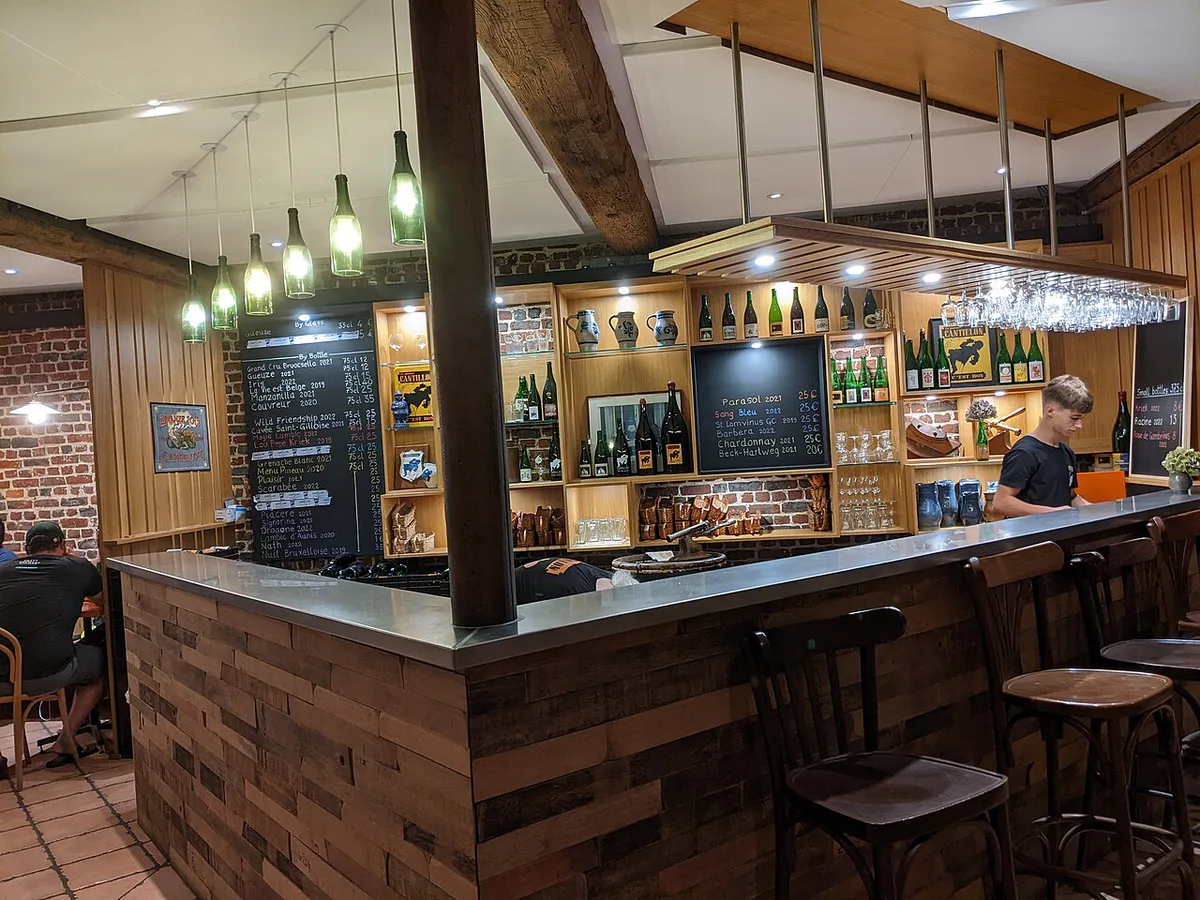
- Bottling area and an upstairs tasting bar, where the self-guided visit typically ends with a flight of about three beers
The Beers Explained: Gueuze, Kriek, Faro, and Lambic Styles
Every beer at Cantillon starts from spontaneous fermentation, so expect some sourness even in the mildest pour. The mash bill leans roughly two-thirds malted barley to one-third unmalted wheat. It's cooled overnight in an open coolship, then aged in oak or wine barrels. Gueuze is the house style, a blend of young and old lambic that undergoes a second fermentation in the bottle. Kriek adds whole cherries to lambic during aging, while faro is a sweetened style built to be more approachable. Hop sourcing has shifted over the decades, from small Belgian farms to briefly the United States and now mainly Germany. The core recipe framework hasn't changed. Cantillon can still be worthwhile for the brewing process and the museum angle if sour beer generally doesn't appeal to you. In that case, budget less time at the tasting bar and consider faro as the gentlest style to try.
| Style | What It Is | Taste Profile | Good First Pour? |
|---|---|---|---|
| Lambic | Unblended, single-batch spontaneously fermented beer | Sharp, dry, often described as sour and earthy | Only for confirmed sour-beer fans |
| Gueuze | A blend of young and old lambic, bottle-conditioned for a second fermentation | Tart and effervescent, less sharp than straight lambic | Yes, it's the house style and a fair starting point |
| Kriek | Lambic aged on whole cherries | Sour with a fruit-forward finish, less sweet than commercial cherry beers | Yes, if sour fruit flavors sound appealing |
| Faro | Lambic sweetened to be more approachable | Milder and rounder than gueuze or kriek | Good option for hesitant first-timers |
Zwanze Day and the Zwanzer's Club: Limited Releases
Since 2008, Cantillon has released an experimental beer called Zwanze, tied since 2011 to a coordinated worldwide release-day celebration. Starting in 2024, Zwanze is set to alternate every other year with a separate release called Quintessence, rather than appearing annually. Beyond Zwanze, the brewery has also hosted events such as Public Brewing Sessions. It also takes part in wider festivals like the Weekend of Spontaneous Fermentation. A group called the Zwanzer's Club launched in early 2021, giving invited friends of the brewery access to extra limited bottles roughly once a year. Membership was invitation-only, tied largely to longtime members of the Brussels Gueuze Museum, and the club is not accepting new members right now. For a first-time visitor, the takeaway is simple: Cantillon's rarest releases aren't something you can walk in and buy on a regular visit.
Starting in 2024, Zwanze is set to alternate every other year, so Zwanze Day isn't guaranteed every visit—plan accordingly if rare releases matter to your trip.
How Much Time to Budget and How to Get There
Cantillon sits in Anderlecht, within walking distance of Brussels-Midi/Zuid station. The district was already dense with transit and industry when the brewery began there in 1900. No dedicated shuttle or tour bus is documented in the sources behind this guide. Plan to walk from the station, or arrange a taxi or rideshare. No official visit duration is published, and the self-guided tour is self-paced. Allow flexible time rather than a fixed block, especially if you read every booklet stop and linger at the tasting bar. Because there's no extra travel involved within the same city, the stop pairs easily into a wider Anderlecht or Marolles afternoon. If a full guided experience matters more than flexibility, build the day around a Saturday, since that has reportedly been the only guided-tour day.
Mistakes to Avoid at Cantillon
A few planning mistakes come up often enough to flag directly.
- Showing up on a Wednesday or Sunday: the brewery has reportedly been closed both days.
- Assuming a guided tour is available without booking: guided slots have reportedly run Saturdays only, with advance reservation required.
- Skipping the stairs question: the self-guided route climbs multiple floors with no reported elevator, so plan ahead for mobility needs.
- Expecting every tasting-bar beer to be sold for takeaway: some pours are reportedly for on-site drinking only.
- Treating the Zwanzer's Club or Zwanze Day as a walk-in perk: membership is closed, and Zwanze is a scheduled release, not an anytime option.
Pairing Cantillon With Other Offbeat Brussels Stops
Anderlecht sits close enough to central Brussels that Cantillon fits naturally into a longer day of offbeat sightseeing. Many travelers pair it with a walk through Marolles flea market streets, one neighborhood over. For a wider framework beyond the obvious sights, the citywide offbeat Brussels itinerary works as a starting map for the day. Cantillon's own status as a working museum pairs naturally with the city's offbeat museums and viewpoints. Brussels' Musical Instruments Museum is another example of a museum built around one specific collection. Travelers extending the day toward quieter ground can add Dieweg Cemetery, an overgrown 19th-century burial ground. If the trip stretches into a second day built around architecture, the Art Nouveau house-hunting itinerary is a natural pairing. That fits well with a stop at the Horta Museum, one of Brussels' Art Nouveau landmarks. Travelers building a longer Belgium trip that includes a second city have another option. The Bruges offbeat sightseeing guide covers a comparable approach outside the capital. Brussels' official tourism site is a useful cross-check for general trip logistics and event listings before finalizing plans.
Frequently Asked Questions
Is Cantillon Brewery worth visiting in Brussels?
For anyone curious about traditional lambic brewing, the answer is yes. Cantillon is one of the few working breweries where you can see the whole spontaneous-fermentation process up close. It also functions as the Brussels Gueuze Museum, so it works as a sightseeing stop even for visitors who care more about history than beer.
How long does the Cantillon self-guided tour take?
No official duration is published, and the self-guided route is self-paced. Plan flexible time rather than a fixed block, especially if you read every booklet stop and linger at the tasting bar afterward.
Do you need to book Cantillon in advance?
Self-guided visits have reportedly not required a reservation on open days. Guided tours are a different matter. They have run Saturdays only, with advance booking required. Confirm current booking rules on Cantillon's own site before you go.
What is the difference between gueuze and lambic?
Lambic is the base beer. It's a single, unblended batch of spontaneously fermented beer with a sharp, dry character. Gueuze is a blend of young and old lambic that undergoes a second fermentation in the bottle, which softens the sharpness and adds effervescence.
Is Cantillon a good stop if you don't like sour beer?
Cantillon can still be worthwhile for the brewing process and the museum angle, even if the tasting bar isn't the highlight for you. If sourness is a hard no, faro is the gentlest style to try, since it's sweetened to be more approachable than gueuze or kriek.
Is Cantillon accessible for visitors with mobility issues?
The self-guided route climbs multiple flights of stairs, with no elevator alternative reported. Visitors with mobility limitations, strollers, or heavy luggage should plan around this or contact the brewery directly before visiting.
Can you buy beer to take home at Cantillon?
Many beers are sold as bottles to take home from the shop area. Some pours featured at the tasting bar are reportedly for on-site drinking only, so ask before assuming every beer you taste is available to purchase.


