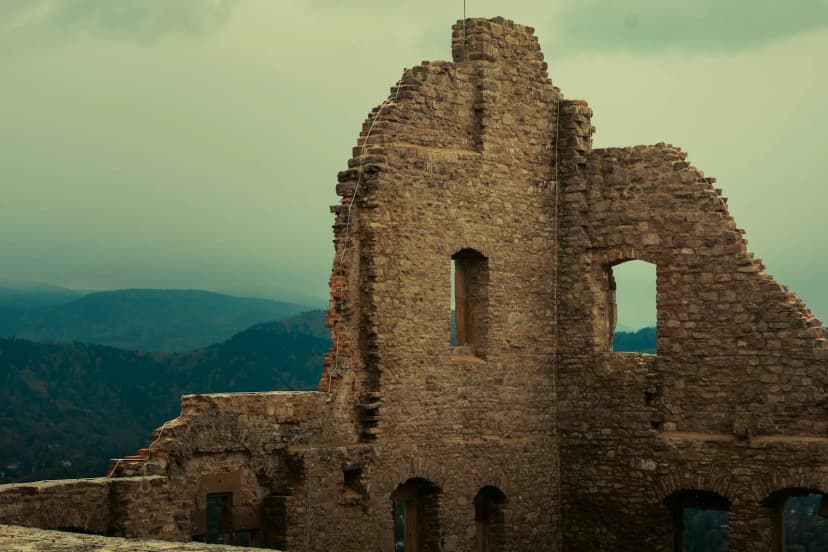
Maulbronn Monastery is one of Europe's most complete and best-preserved medieval monastery complexes, combining Romanesque to late Gothic architecture in one place. That layered range — chapels, cloister, refectories, water systems — is what makes a day trip from Heidelberg worthwhile. It is a UNESCO World Heritage Site, and the visitor information page groups opening hours, entrance fees, directions, and contact details together for planning. As a suggested duration, allow at least half a day for the main interiors and grounds without rushing.
Heidelberg works as a base because it concentrates its own sights — castle, Old Bridge, old town, Philosopher's Walk — in a walkable core. Heidelberg Marketing publishes arrival, getting-around, and tourist information pages that are useful for the city side of your stay. Use those for local services, and treat the monastic day as a separate, slower outing. This guide does not guess at current hours, prices, or train connections; it points to the operator and city sources that actually publish them.
Why Maulbronn Monastery Is Worth the Journey
Maulbronn is often described as the most completely preserved medieval Cistercian monastery complex north of the Alps. That status comes from continuity: the grounds still read as a working monastic landscape rather than a ruin with a few intact rooms. If you have already seen Germany's grand cathedrals, the appeal here is the everyday infrastructure of monastic life — refectories, cloister, water systems — not just a showpiece nave. The Cistercians were a reform order that emphasised simplicity, manual work, and self-sufficiency, and the layout reflects those priorities.
The monastery is a UNESCO World Heritage Site, and the operator presents it as one of Europe's best-preserved medieval complexes. That framing matters for planning: you are not visiting a single ticketed room but a layered site with grounds, interiors, and exhibits. Budget energy for walking between spaces rather than for one concentrated highlight.
A day trip from Heidelberg works because the monastery is a contained destination with a clear visiting core. You can pair it with a relaxed start or a late return, and you do not need to chain several towns together to justify the trip. If you want the wider menu of options, including how this compares with other regional outings, see the guide to day trips from Heidelberg.
What Maulbronn Monastery Is: A Cistercian Complex Explained
The Cistercians were a reform order that emphasised simplicity, manual work, and self-sufficiency. At Maulbronn, that ideal shows up in the layout: functional buildings arranged around a cloister, with water management systems that supported both worship and daily operations. Knowing this helps you interpret rooms that might otherwise look plain.
The complex combines a multitude of architectural styles, from Romanesque to late Gothic, in one place. That range is not a museum-style timeline but the result of centuries of use, rebuilding, and adaptation. Walk slowly through transitions between naves, cloister bays, and later additions to notice how one period responds to another.
The monastery is also a lived heritage site with a visitor infrastructure that includes exhibits and a dedicated young visitors' area. The operator separates the monastery experience from practical visitor information, which is a useful signal: check what is open and ticketed before you assume everything is included in one admission. Do not treat every building in the complex as sharing a single ticket.
The Architecture You Will See: Romanesque to Late Gothic in One Place
Maulbronn's architectural interest lies in how Romanesque mass gives way to Gothic verticality without a jarring break. The cloister is the best place to read this: its arcades and vaulting change as you move, and the proportions shift from heavy to lighter. Treat the cloister as a slow room, not a corridor between highlights. The operator describes the cloister as the centre of the monk's life.
The Paradise, described by the operator as the masterpiece of an unknown master builder, is one of the most photographed interior spaces. Its function was as an entry porch, which makes it a transition zone rather than a destination church. Stand in it long enough to notice how the carved details prepare you for the space beyond.
Because the complex spans centuries, you will see Romanesque and Gothic work in close proximity, and sometimes in the same building. That layering is the reason to resist a checklist approach. If you rush from room to room, the architecture flattens into 'old church interiors' rather than a sequence of deliberate design decisions.
Monastery Highlights: What to Prioritise Inside
The Fountain House is a Maulbronn landmark and one of the most distinctive structures in the complex. It served the monastery's water supply while also providing a covered, decorative space, which is a good example of Cistercian practicality with aesthetic ambition. Look at how it sits within the grounds rather than treating it as a standalone monument.
The refectories, chapter house, and cloister together explain monastic daily life: eating, governing, and moving between prayer and work. The choir stalls are noted for their wood carvings, and the high altar relief is highlighted for its expressive figures. These are not separate attractions so much as parts of one narrative.
Water management is easy to overlook but central to understanding the site. The monks engineered channels and systems to support the monastery's needs, and the operator treats this as a highlight rather than a footnote. If you have time for only one interpretive thread, follow the water through the grounds.
Understanding the Visitor Setup: Grounds, Interiors, and Exhibits
Maulbronn is best understood as several layers of access rather than one ticket to everything. The grounds, the monastery interiors, the exhibits, and the Young Monastic World may have different opening arrangements, and admission may not cover every element. Check the visitor information page for what is currently included before you plan your must-sees.
The operator's site distinguishes between the monastery experience and practical visitor information such as opening hours, entrance fees, directions, and contact details. That structure tells you to confirm separately what is open on your travel date. Do not assume a single admission covers every exhibition or interior space.
For a day trip, knowing the access boundaries prevents frustration. Some visitors come mainly for the architecture and treat exhibits as optional; others want the interpretive material to make sense of the rooms. Decide your priority before you arrive so you can spend your time where it matters to you.
Planning Your Visit: Where to Confirm the Details
Opening hours, entrance fees, directions, and contact details are published by the operator on a dedicated visitor information page. Check it close to your travel date, because seasonal schedules and ticket scope can change. This guide deliberately does not guess at current prices or times for that reason.
If you need to plan around a specific day, use the contact details the operator publishes rather than relying on third-party travel posts. Third-party pages can be useful for atmosphere but should not be treated as authoritative for hours or admission. Confirm anything time-sensitive directly.
A practical sequence is to check hours first, then admission and what it includes, then directions. That order prevents the common mistake of building a schedule around a site that is closed or partially accessible on your chosen day. It also helps you decide whether Maulbronn deserves a full day or a half day.
Getting from Heidelberg to Maulbronn: How to Plan Your Route
Heidelberg is the base for this trip, and Maulbronn is a separate destination in Baden-Württemberg. The operator publishes a directions page as part of its visitor information, which is the most reliable starting point for route planning by car or public transport. Use that rather than relying on any single blog's journey description.
Because schedules and connections change, this guide does not state train or bus journey times or line numbers. Instead, build your route using current timetables and the operator's directions guidance on the day you travel. Allow buffer time if you are connecting between services, especially on weekends.
If you prefer to keep the trip simple, consider whether a direct connection exists for your date before committing to a tight itinerary. Heidelberg's tourist information can help with local transport questions if you are planning other outings as well. For broader city logistics, the Heidelberg itineraries and city travel guides are a useful companion.
How to Build Your Day: A Flexible Suggested Duration
As a suggested duration, not an official one, plan on a half day at the monastery if you focus on the architecture and main interiors, and most of a day if you add exhibits and a slow meal nearby. The site rewards lingering, and the complex is large enough that rushing defeats the purpose. Adjust upward if you want to read every interpretive panel.
A sensible order is to start with the cloister and Paradise while your attention is fresh, then move through the refectories and chapter house, and finish with the Fountain House and grounds. Save the Young Monastic World and exhibits for the middle or end, when you want a change of pace. This order follows the site's own logic rather than a checklist.
If you are combining Maulbronn with Heidelberg sightseeing on the same day, decide in advance which gets the morning. Heidelberg Castle and the old town can absorb several hours on their own, so a late start to Maulbronn will shortchange the monastery. The Heidelberg Castle visitor guide helps you judge how much time the city side needs.
Heidelberg as a Base: Sights and Logistics to Pair with the Trip
Heidelberg works well as a base because it concentrates its own sights in a walkable core: the castle, the Old Bridge, the old town, and the Philosopher's Walk. Heidelberg Marketing publishes arrival, getting-around, and tourist information pages that are useful for planning the city side of your stay. Use those for local transport and visitor services.
If you want the city's landmark overview before deciding how to split your time, the Heidelberg landmark visitor guides collect the main attractions in one place. Pairing that with a monastery day trip gives you a balanced itinerary of urban and monastic heritage. Book accommodation near the old town or station depending on whether you prioritise walking or transit.
For travellers with extra time, Heidelberg also has smaller museums and seasonal events, so check the city's current listings rather than assuming everything runs year-round. The Carl Bosch Museum Heidelberg is one example of a focused local collection for a rainy afternoon. Keep your monastery day separate so neither experience feels rushed.
The Maultasche Legend: A Swabian Dish Linked to Maulbronn
According to legend, the Swabian dish Maultasche was invented at Maulbronn Monastery by Cistercian monks who wanted to hide meat during fasting. The story says they mixed meat with spinach and enclosed it in pasta dough, and the dish is still sometimes called 'lord-cheater.' Treat this as local storytelling, not verified history.
The legend is worth knowing because it connects the monastery to the regional food culture you will encounter in Baden-Württemberg. It also illustrates how monastic rules shaped everyday creativity. If you try the dish locally, you are participating in a long-running regional tradition rather than confirming a historical fact.
Nearby Monasteries and Heritage Sites if You Want to Extend
If Maulbronn leaves you wanting more monastic heritage, the same state heritage network includes Hirsau Monastery, Alpirsbach Monastery, Salem Monastery and Palace, and Bebenhausen Monastery and Palace. Each has a different setting and character, so choose based on whether you want Black Forest scenery, an imperial monastery, or a palace ensemble. Use the operator's nearby listings to compare.
Schwetzingen Palace is another option if you want a garden-and-palace counterpoint rather than another religious site, and the Schwetzingen Palace day trip from Heidelberg guide explains that alternative. These extensions work best as separate outings, not add-ons to the same day. Trying to combine two major heritage sites usually means shortchanging both.
Practical Tips for a Smooth Visit Without Overplanning
Confirm opening hours and admission scope the week you travel, since seasonal schedules and ticket inclusions can shift. Check the operator's visitor information page rather than relying on older blog posts or aggregated listing sites. If something looks inconsistent, contact the site directly.
Wear comfortable shoes, because the complex involves uneven surfaces and multiple buildings. Carry a light layer even in summer, as stone interiors can feel cool. If you are sensitive to crowds, aim for earlier in the day when tour groups are less likely to dominate the cloister.
Do not overfill your itinerary. Maulbronn's value comes from slowing down, and a packed schedule works against that. Leave room for an unplanned pause in the grounds or a meal in the surrounding area, and let the day breathe.
Plan Your Visit
A Maulbronn Monastery day trip from Heidelberg makes sense for travellers who value atmosphere and architectural continuity over checklist sightseeing. The site's Romanesque-to-Gothic range, its cloister and Fountain House, and its water-management story reward a patient visit. Use Heidelberg's city sights as a complement, not a competitor, to the monastery day.
Before you go, confirm hours, admission, and directions on the operator's visitor information page, and plan your route with current timetables. Then decide how much of the day to give the monastery versus Heidelberg, and leave space for the site to unfold at its own pace.
Frequently Asked Questions
Is Maulbronn Monastery a worthwhile day trip from Heidelberg?
Yes, for travellers interested in medieval monastic architecture and UNESCO World Heritage sites. The complex is large enough to justify the journey and offers a clear contrast to Heidelberg's castle-and-old-town experience. It works best if you enjoy slower, detail-oriented sightseeing rather than quick photo stops.
What should I see first at Maulbronn Monastery?
Start with the cloister and the Paradise to get a feel for the site's architectural layering, then move through the refectories and chapter house. The Fountain House and water-management features are worth a deliberate stop. Save exhibits such as the Young Monastic World for later if you want a change of pace.
Where do I check current opening hours and ticket prices?
The operator's visitor information page publishes opening hours, entrance fees, directions, and contact details. Check it close to your travel date, because schedules and ticket scope can change. Do not rely on third-party travel posts for time-sensitive details.
How much time do you need at Maulbronn Monastery?
As a suggested duration, allow about half a day for the main interiors and grounds, or most of a day if you include exhibits and a relaxed meal. The site rewards a slower pace, so a rushed hour will not do it justice. Adjust based on how deeply you want to engage with the architecture and interpretive material.
Can I combine Maulbronn Monastery with Heidelberg sightseeing in one day?
It is possible but tight. Heidelberg Castle and the old town can easily fill several hours, so combining both means limiting time at each. If you want to see Maulbronn properly, consider giving it its own day or at least a clear half day.