
Baden-Baden's Roman bath ruins are a genuine underground attraction: the remains sit beneath Römerplatz, and crossing the square on foot does not show them to you. Entry is a deliberate act, through a museum door rather than a glance at the pavement. That single fact shapes how you should plan the visit.
The site is presented as an ancient bathing complex roughly 2,000 years old by the Black Forest Tourism Agency, which also lists the Steinstraße approach and the Friedrichsbad underground car park as the two ways in. Lonely Planet likewise locates the Römische Badruinen at Römerplatz and notes that multilingual audioguides are available.
Start with the wider city context if you are still deciding what to prioritise. The Baden-Baden: Landmark Visitor Guides collection sets out the major sights, and the Baden-Baden: Itineraries and City Travel Guides surface helps you slot the ruins into a half-day or full-day route.
What and Where the Roman Bath Ruins Are
The ruins are a museum of ancient bathing culture housed below Römerplatz, the square at the heart of the old town. They are not visible from the surface, so treat this as an indoor visit with a defined entry point rather than an open monument you wander past. The same listing gives the address as Römerplatz 1, 76530 Baden-Baden.
Because the site is under the square, a walk through the old town only gives you the setting, not the archaeology. That is exactly why the two named entrances matter: choosing one changes your approach route and what you pass on the way down. Neither entrance is a window onto the remains; both lead you into the museum.
Lonely Planet places the attraction firmly in Baden-Baden and links it to the Roman town of Aquae Aureliae, the settlement built around the thermal springs. The useful mental model is that the modern spa town stands on top of its Roman predecessor, and the ruins are the surviving fragment of that relationship. Both sources agree the site is below Römerplatz.
Two Entrances, One Underground Site
The Black Forest Tourism Agency listing names two access points: via the Steinstraße, or via the Friedrichsbad underground car park. If you are arriving on foot from the pedestrian old town, the Steinstraße side is the natural choice because it puts you at street level near the square. If you have driven in and parked under Friedrichsbad, that entrance saves you a loop back up to the surface.
The trade-off is orientation. Drivers who enter from the car park see the ruins first and the old town second, which can make the site feel detached from the square above it. Walkers who come from Steinstraße get the opposite sequence and usually understand the underground position more quickly. Pick the entrance that matches your transport, then correct your mental map inside.
Note that Friedrichsbad itself is a separate attraction with its own admission, so parking there does not imply a shared ticket with the ruins. If you are weighing the historic bathhouse as well, check Friedrichsbad Baden-Baden tickets separately before you plan a combined morning.
What Actually Remains Underground
What you see is the fabric of a Roman bathing complex: walls, basins and the traces of how thermal water was captured and moved through the building. The tourism listing frames the experience as appreciating the scale and engineering of Roman bathing rather than admiring intact rooms. Expect foundations and structures you interpret, not reconstructed halls with a roof and mosaics.
The reason the site is here at all is geological: Baden-Baden's springs emerge hot from the ground, and the Romans built where the water was. That makes the ruins an engineering story as much as an architectural one, since the value of the location lay in plumbing and heat rather than decoration. Reading the water route is often more rewarding than hunting for pretty surfaces.
The Black Forest Tourism Agency describes the complex as roughly 2,000 years old and characterises it as one of the country's oldest and best-kept examples. Treat that wording as promotional framing from a destination marketing partner rather than a measured national ranking, because no comparative survey is cited. You can still use it as a fair signal of significance without repeating it as established fact.
Aquae Aureliae and the Roman Spa Town
Lonely Planet notes that the Romans were the first to exploit Baden-Baden's springs in the settlement they called Aquae Aureliae. Standing in the ruins is therefore not a detached archaeological exercise: you are inside the reason the town exists in its current form. Keep that link in mind when you walk back up to the marketplace and the spa architecture around it.
Do not confuse this with the Roman bath discovered in Baden, Switzerland, which is a different site in a different country. Swissinfo reported in 2020 that a well-preserved Roman bath was uncovered during building work at the Swiss town's Kurplatz, near Zurich. The two share a Roman bathing theme and nothing else, so keep your research and your expectations separate.
Film, Audioguide and a Sensible Viewing Order
Two interpretation tools are described for the site: a multilingual audioguide and a short computer-animated film. Lonely Planet confirms multilingual audioguides are available, and the tourism listing advises against missing the film. Both are included in the experience described, so plan around them rather than treating them as optional extras.
A suggested strategy, and it is only a suggestion rather than official guidance, is to watch the film first. The animation gives you the building in its working state, so the surviving walls, basins and water channels make more sense when you walk past them afterwards. Reverse the order and the stones tend to blur into undifferentiated masonry.
Then take the audioguide at your own pace, pausing at the water-related features before the general architecture. Because the narration is multilingual, non-German speakers can follow the same sequence as everyone else. Budget your concentration for the water engineering, which is the part most visitors underestimate.
Tickets, Entry Categories and What Is Not Free
Entry to the ruins is a paid attraction in the listing published by the Black Forest Tourism Agency, which sets out categories for adults, children, groups and guided tours. That page has carried indicative figures, but those numbers are not guaranteed current tariffs and should not be treated as today's prices. Check the operator's own page for the price that applies on your date before you rely on any figure.
Treat the guided-tour line as a listing category rather than proof that tours are running on a schedule you can join. Availability, timings and pricing for tours are exactly the kind of detail that changes, and the tourism listing does not constitute a current timetable. Confirm directly with the operator if a guided visit is the reason you are going.
The free part of the experience is above ground: the marketplace, the surrounding old town and the spa-quarter streets cost nothing to walk. That is the honest way to set expectations, because the underground site sits behind a ticket desk. If a budget decision matters, spend the free hour on the surface and pay only for the interior you actually want.
Old Baths vs Working Baths: Ruins, Friedrichsbad and Caracalla
Three bathing attractions in Baden-Baden get confused constantly, and they are genuinely different decisions. The ruins are an archaeological museum you look at, Friedrichsbad is a historic bathhouse with a fixed ritual and shared bathing, and Caracalla Spa is a modern thermal and sauna complex. Pick by what your body is doing: standing, soaking or steaming.
Clothing and time costs diverge sharply. A museum visit needs no swimwear and no changing ritual, while a thermal bath day consumes a half-day and expects you to follow local bathing conventions. Treating all three as one interchangeable spa stop is the most common planning mistake in this town.
If you want the modern spa experience, compare Caracalla Spa Baden-Baden tickets before committing, since the ruins ticket does not extend to it. For the historic ritual, Friedrichsbad Tickets in Baden-Baden is the relevant page. Neither shares admission with the archaeological site.
How Long to Allow and How to Verify Details
As a rough planning figure rather than an official recommendation, allow about 45 to 60 minutes if you watch the film and use the audioguide properly, and less if you skim the displays. That estimate reflects the site's compact underground footprint, not any published duration. Add time if you linger over the water engineering, which is where most of the substance sits.
Before you travel, verify opening days, seasonal closures and current admission on the operator's own channels, since the tourism listing does not publish hours or confirm that tariffs are unchanged. Information desks in the town can confirm the same details face to face. Third-party resale listings are a weak source for a site this small.
Lonely Planet is a reasonable cross-check for the address, the Römerplatz location and the existence of multilingual audioguides. Use it to confirm that the place still exists as described, not to confirm today's price. The tourism listing remains the better source for entry categories and the two named entrances.
Nearby Sights Around Römerplatz
Because the ruins sit under the square, you can build a compact old-town circuit around them without any transport. Römisches Badruinen, the Stiftskirche and the surrounding marketplace all sit within the same pedestrian core, which makes the ruins an easy addition to a walking morning rather than a separate excursion. Combine it with a coffee on the square rather than treating it as a standalone trip.
For a different kind of interior, the Kurhaus Baden-Baden casino tour covers the grand Belle Époque rooms a short walk away, and the contrast with Roman foundations is sharper than you might expect. Culture-heavy visitors should also check the Staatliche Kunsthalle, whose listing notes a Tuesday to Sunday 10:00 to 18:00 pattern and wheelchair access.
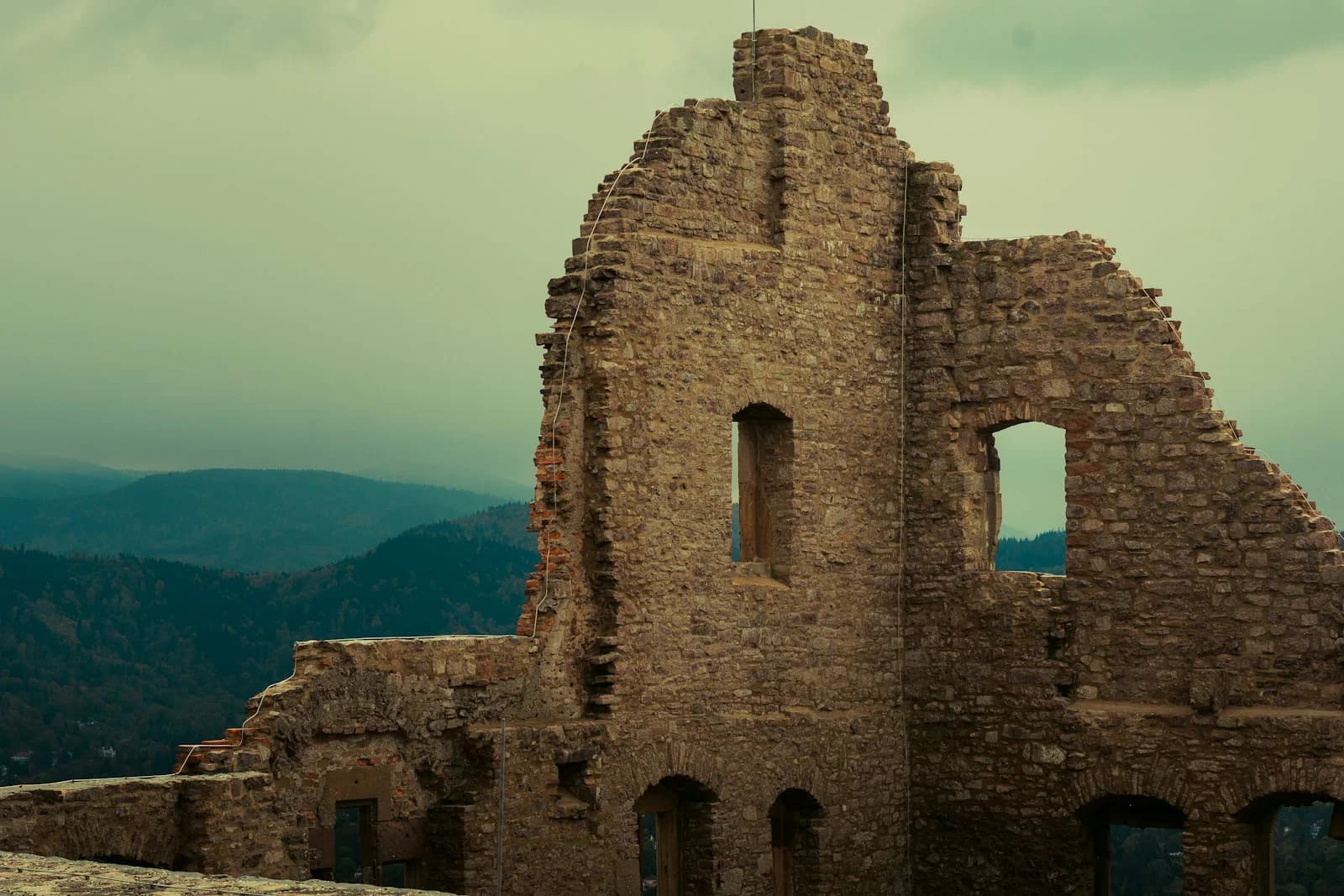
If you want to finish on higher ground, Hohenbaden Castle Baden-Baden is the uphill option and rewards the climb with views back over the town. It is a hiking decision rather than a stroll, so save it for a day when the weather cooperates and your legs are fresh. The old town and the ruins work better as the same morning.
Plan Your Visit
Decide first whether you are paying to go underground, because the ruins are not part of the free square above them. Choose Steinstraße on foot or the Friedrichsbad car park if you drove, and confirm current opening days and admission with the operator before you set out. Then build the rest of your old-town walk around that fixed point.
Keep the three bathing attractions separate in your plan: ruins for archaeology, Friedrichsbad for the historic ritual, Caracalla for a modern thermal day. Verify indicative prices on the operator's page rather than trusting older aggregated listings, and treat promotional descriptions of the site as marketing rather than measurement. Done that way, the underground hour earns its place in your itinerary.
Frequently Asked Questions
How much does entry to the Roman bath ruins cost?
Entry is a paid admission rather than free access, and the Black Forest Tourism Agency listing published categories for adults, children, groups and guided tours. Those figures are indicative and may be out of date, so confirm the current tariff with the operator before you travel rather than budgeting from a third-party page.
Where exactly are the ruins and how do you get in?
The site lies beneath Römerplatz in the old town of Baden-Baden. Access is through one of two entrances: from the Steinstraße, or from the Friedrichsbad underground car park. You cannot see the remains from the square itself, so plan an actual museum visit rather than a passing look.
Are the Roman bath ruins the same as Friedrichsbad or Caracalla?
No. The ruins are an archaeological museum you look at, Friedrichsbad is a historic working bathhouse with a fixed bathing ritual, and Caracalla is a modern thermal and sauna complex. They have separate admissions and completely different time and clothing requirements.
How long should you spend underground?
As a planning suggestion rather than an official figure, allow roughly 45 to 60 minutes if you watch the animated film and work through the audioguide. Skimming the displays takes less. The underground footprint is compact, so extra time is better spent on the water engineering than on additional rooms.
Is there an audioguide in English?
Lonely Planet notes that multilingual audioguides are available, and the tourism listing pairs them with a short animated film. Specific language availability can change, so ask at the entrance or check the operator's page if English narration is essential to your visit.
Is the site accessible with a wheelchair or pram?
No source confirms step-free access, lift access or suitability for wheelchairs, prams or limited mobility, and the site is underground. Contact the operator directly before your visit and describe your needs so they can tell you what is actually possible on the day.
What else is worth seeing around Römerplatz?
The Stiftskirche and the marketplace are on the doorstep, so the ruins fit naturally into a pedestrian old-town circuit. The Kurhaus casino and the Staatliche Kunsthalle are both a short walk away if you want more interiors, and Hohenbaden Castle is the uphill option for a longer outing.


