
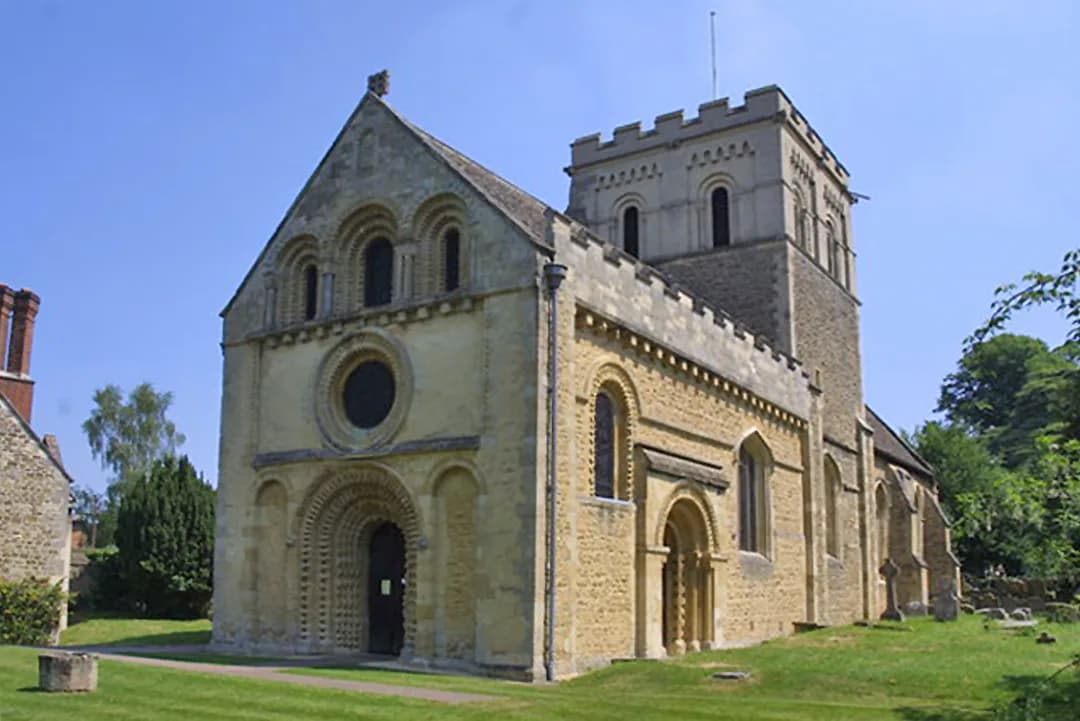
Last updated September 2026, Iffley Village is Oxford's hidden gem for travelers tired of college-quad crowds. This Thames-side conservation area sits about 2 miles from the city center, built around a Norman church dated to 1160. It complements Oxford's other hidden corners for anyone planning a fuller quiet-Oxford itinerary.
Why Iffley Village Is Oxford's Hidden Gem
Iffley sits inside Oxford's city boundary, wedged between the suburban edges of Rose Hill and Donnington. The whole village is a designated conservation area, with lanes and footpaths spanning building work from the 12th century to today. Most Oxford landmarks are Gothic or Gothic Revival, built centuries after Iffley's church went up. St Mary the Virgin is genuinely Norman, raised around 1160 with Romanesque carving rarely this intact. Locals sometimes call the wider contrast Gown versus Town. One side is the University quarter; the other stayed a residential village. Downtown, the Bodleian Libraries anchor the city's busiest stretch. Foot traffic there rarely thins before evening. The Ashmolean Museum sits a few streets further on, equally central. Iffley offers a quieter alternative two miles south, with limestone cottages instead of ticket lines. That is what earns Iffley Village its hidden gem reputation, not a marketing label. Jericho offers a similar idea in a different setting, centered on Jericho's quiet canalside streets rather than a Norman church.
- Distance from central Oxford: about 2 miles
- Church age: raised around 1160, Grade I listed
- Local landmark lost: the Iffley Mill, burned in 1908
- First written record: Givetelei, in the 1086 Domesday Book
How to Get to Iffley Village From Oxford
Three routes lead south from central Oxford to Iffley, and each trades speed for atmosphere differently. Choose based on how much time is available and whether the goal is scenery or speed. The transition is abrupt. Buses and traffic run right up to Iffley Turn. From there, the lanes narrow into limestone-walled quiet almost immediately. Arriving by car is not recommended. Only one road reaches the village center, and parking is extremely limited once there.
| Route | Distance | Time | Character |
|---|---|---|---|
| Thames Path | 1.5 miles | 45 minutes | River in view throughout |
| Meadow Lane | Not specified | Not specified | Old, quiet, residential path |
| Bus 3, 3A, or 46 | Not specified | Fastest | Stops at Iffley Turn |
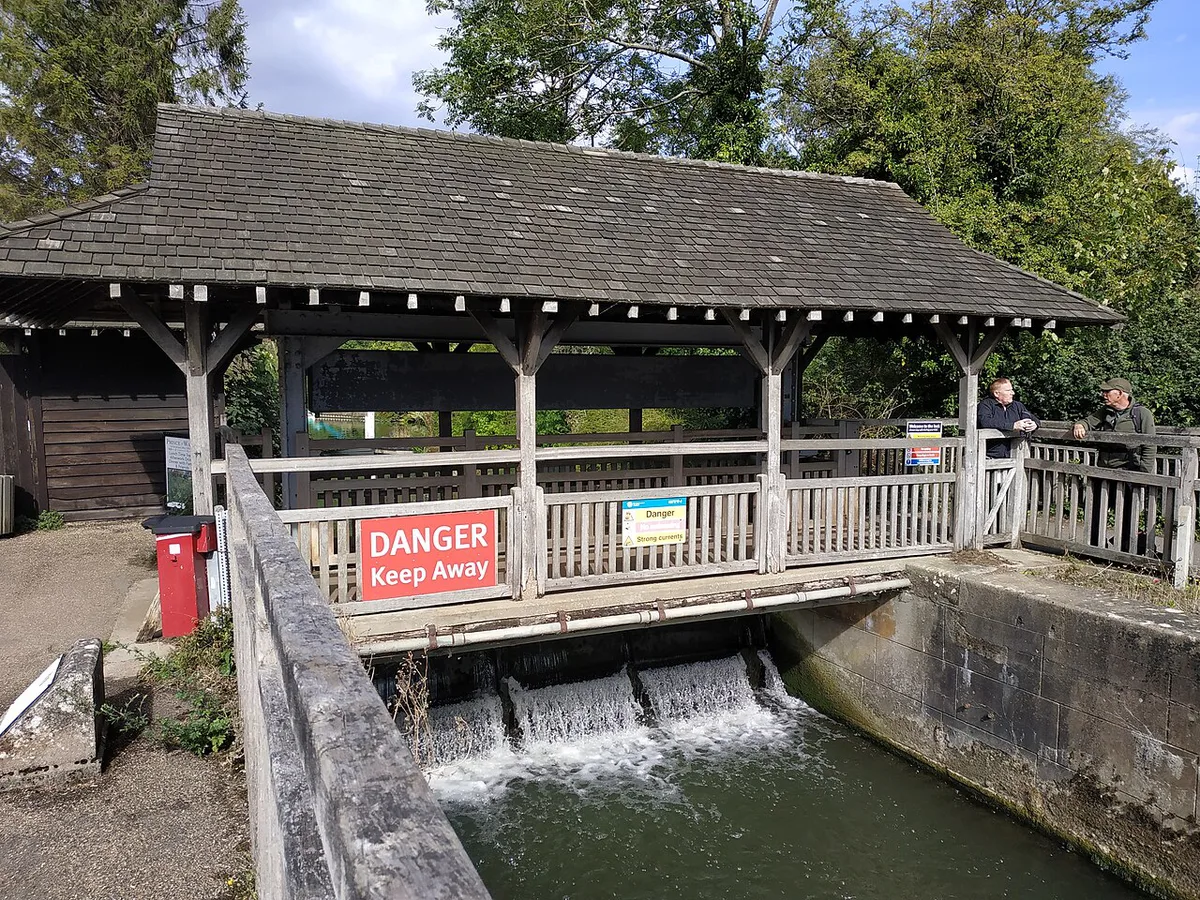
- Thames Path (scenic route): about 1.5 miles from Folly Bridge to Iffley Lock, roughly a 45-minute walk with the river in view the whole way.
- Meadow Lane (ancient route): the old, quieter path into the village, mostly residential and set back from Iffley Road traffic.
- Bus 3, 3A, or 46 (quick route): the fastest way from the city center, but it stops at Iffley Turn, leaving a walk into the old village center.
Top Things to Do in Iffley Village
Four things anchor a visit to Iffley, and all four sit close enough together to see on foot. One of the oldest yew trees in England overhangs the medieval cross in the churchyard. A second window inside was designed by Roger Wagner. Iffley Meadows offers a rougher, wilder green space than anything walled inside a college quad. For a tamer, enclosed version of the same idea, college secret gardens stay locked behind quads most of the year.
- St Mary the Virgin Church: dating to about 1160, this Grade I listed church is one of England's best-preserved Norman buildings, with zigzag Romanesque carving around the recessed West Door and a stained glass Nativity window designed by John Piper.
- Iffley Lock and the old mill site: the medieval watermill here burned down in 1908 after operating for nearly 800 years, and the lock stays active for river traffic today.
- Iffley Meadows: a nature reserve on Iffley Island managed by the Berkshire, Buckinghamshire and Oxfordshire Wildlife Trust, known for its population of snake's head fritillaries that peak in late April.
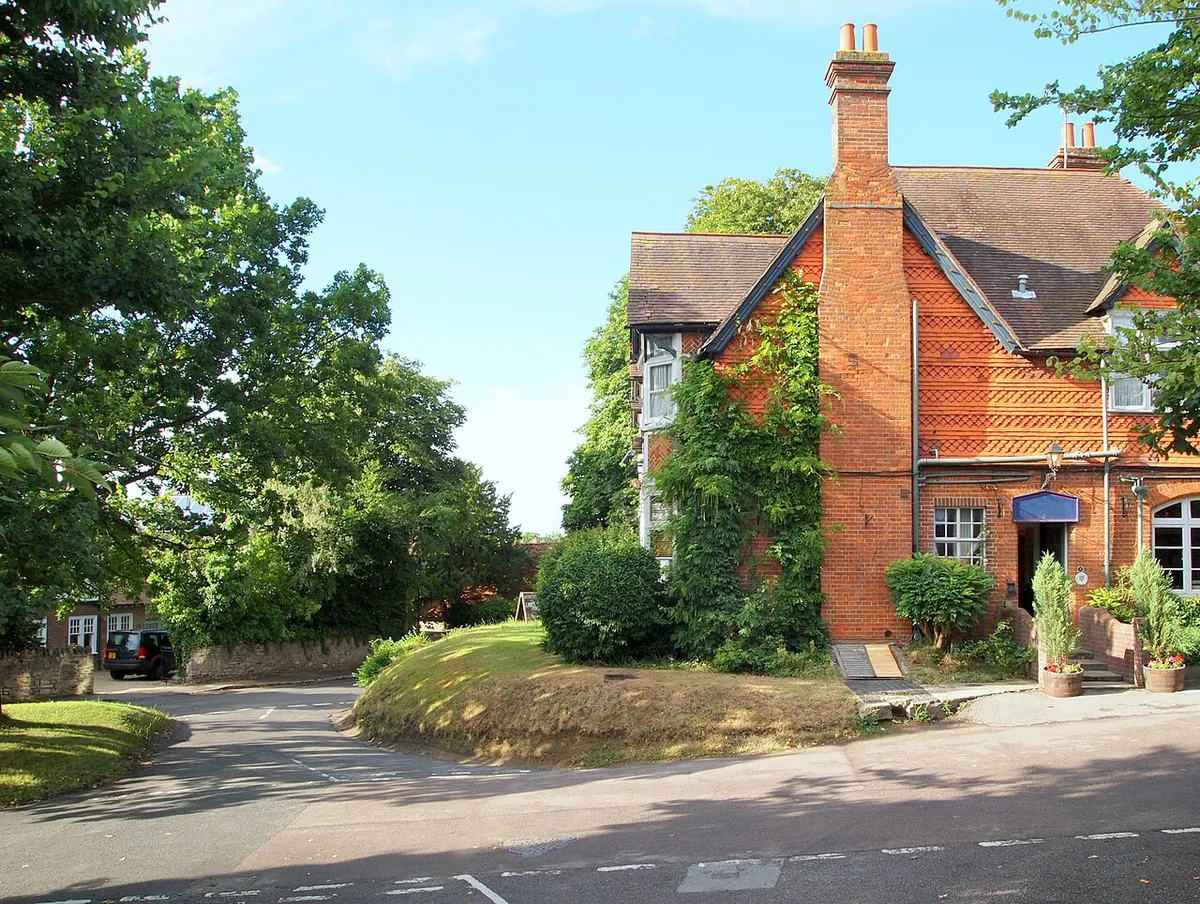
- The Village Lanes: Church Way, Mill Lane, and Stone Quarry Lane, where cottages built from locally quarried limestone recall the same stone that supplied Merton College in the 1290s.
Planning Your Visit: Timing, Cost, and Refreshments
Late April is peak season, when the snake's head fritillaries bloom across Iffley Meadows. Summer adds river traffic at the lock, worth a stop on the way through. Entry to St Mary the Virgin is free, though a donation toward its upkeep is customary. That makes Iffley cheaper than a paid walking tour of the colleges. For more no-cost options across the city, see free things to do in Oxford. Two pubs and a volunteer-run community shop serve the village, alongside a thatched village hall that hosts a monthly film night. Both pubs fit right into the wider Hidden Pubs in Oxford: Turf Tavern, The Perch, and Beyond roundup. Hours vary, so check current listings before planning a stop. For citywide events and seasonal opening updates beyond Iffley, Experience Oxfordshire tracks what is on across the destination. This same logic carries over to London for anyone extending the trip. London's own quiet corners reward the same instinct to skip the main strip.
Visit via the Thames Path—roughly a 45-minute walk from Folly Bridge—during late April peak fritillary season to combine travel time with the botanical highlight.
The Domesday History Behind Iffley Village
Iffley's name has shifted many times across the written record. Long before the Normans arrived, Roman-era pottery works operated near the village. An Anglo-Saxon garnet brooch found close to the lock now sits in the British Museum. Abingdon Abbey's chronicles call it Gifteleia between 941 and 946. By the Domesday Book of 1086, it appears as Givetelei. Merton College records from the 1290s use Iftele and Yiftele, and Lincoln College accounts settle on Ifley by 1543. The spelling fixed into Iffley or Iflie during the Civil War years of 1642 to 1646. Only legal documents kept the old T after that. No single lord ever controlled the village, which is a large part of why it looks the way it does today. In 1393, Richard II's queen granted Iffley to Sir Richard Abberbury, who passed it to an almshouse trust supporting twelve poor men from Donnington. That Donnington Hospital Trust kept authority over local development until after World War II. This blocked the kind of expansion that reshaped nearby suburbs like Rose Hill and Donnington. Enclosure reached the village's fields in 1830, and by 1852 Iffley counted 23 gentlemen's households alongside a ladies' school and seventeen tradesmen. Civil War soldiers passed through too. Two troops of the queen's forces were billeted there in July 1643. Parliamentarian troops followed during the siege of Oxford the next year. By 1921, the civil parish held 405 residents before merging into Oxford in 1929. Notable residents over the years include Antarctic explorer Frank Bickerton and folk singer Peggy Seeger.
The 1086 Domesday Book documents the settlement as Givetelei, but St Mary the Virgin Church dates to around 1160, meaning Iffley was established decades before its Norman church appeared.
Mistakes to Avoid in Iffley Village
Three habits trip up first-time visitors to Iffley. None of these mistakes ruin a visit, but avoiding them makes for a smoother one.
- Driving in expecting to park: only one road reaches the village center, and spaces are extremely limited, so arrive on foot via the Thames Path or by bus instead.
- Skipping the church exterior: the Norman zigzag carving around the West Door is easy to miss when visitors head straight inside, and the 1160 stonework stands out most from outside.
- Expecting tourist infrastructure: Iffley is a residential conservation area, not a visitor center, so cafes and signage stay minimal compared with central Oxford.
Frequently Asked Questions
How far is Iffley Village from central Oxford?
Iffley sits about 2 miles south of central Oxford, inside the city boundary. Walking the Thames Path from Folly Bridge takes roughly 45 minutes and covers about 1.5 miles.
When is the best time to see the Iffley Meadows fritillaries?
Late April is peak season for the snake's head fritillaries at Iffley Meadows. The reserve is managed by the Berkshire, Buckinghamshire and Oxfordshire Wildlife Trust, so check its current listings before a special trip.
Can visitors park in Iffley Village?
Only one road leads into the village center, and parking there is extremely limited. Arriving on foot via the river path or by bus is the recommended approach.
How old is St Mary the Virgin Church in Iffley?
The church dates to about 1160 and is one of England's best-preserved Norman buildings. It holds Grade I listed status and features Romanesque carving around its West Door. A stained glass Nativity window inside was designed by John Piper.
Is there a bus from Oxford city center to Iffley?
Buses 3, 3A, and 46 run from the city center toward Iffley. They stop at Iffley Turn, which leaves a short walk into the old village lanes. Meadow Lane and the Thames Path offer slower, on-foot alternatives from the same starting point.
What does the name Iffley mean?
The name likely comes from an Old English word for cleared ground. It appears as Givetelei in the 1086 Domesday Book, before settling into its current spelling during the Civil War years.


