Last updated September 2026, this guide maps Georgian Quarter Liverpool hidden gems tucked along Rodney Street and Hope Street, in the quiet grid between the city's two cathedrals. Built largely between 1714 and 1830, this residential pocket trades the waterfront's crowds and the city's music venues for wrought-iron balconies, private squares, and a pyramid tomb with its own local legend. Expect a slower, architecture-first walk rather than a checklist of major attractions.
8 Hidden Gems Inside Liverpool's Georgian Quarter
These eight stops cover the Quarter's core landmarks, a couple of food and drink spots, and one wartime survivor at its edge. Each sits within easy walking distance of Rodney Street or Hope Street.
- The Pyramid of Rodney Street
- A stone pyramid tomb marks the grave of William Mackenzie in the old St Andrew's churchyard, just off Rodney Street.
- Local legend holds Mackenzie is buried upright, clutching a winning hand of cards to cheat the devil out of his soul.
- Historians treat the story as folklore, not verified fact.
- Railings usually keep the churchyard gated, so most visitors view the pyramid from the street rather than walking inside.
- Falkner Square Gardens
- Falkner Square Gardens sits inside a ring of Georgian terraces south of Rodney Street, fenced and quieter than an open park lawn.
- Sefton Park, home to the Sefton Park Palm House, draws larger crowds a few miles south.
- For more green spaces across the city, the separate guide to the city's park benches and garden squares covers additional squares.
- Gambier Terrace
- Gambier Terrace faces the Anglican Cathedral on St James's Mount, giving photographers a clear view across to its tower.
- Wide lenses work best early, before parked cars line the curb.
- A separate guide traces the band's early Liverpool addresses for those following that story elsewhere in the city.
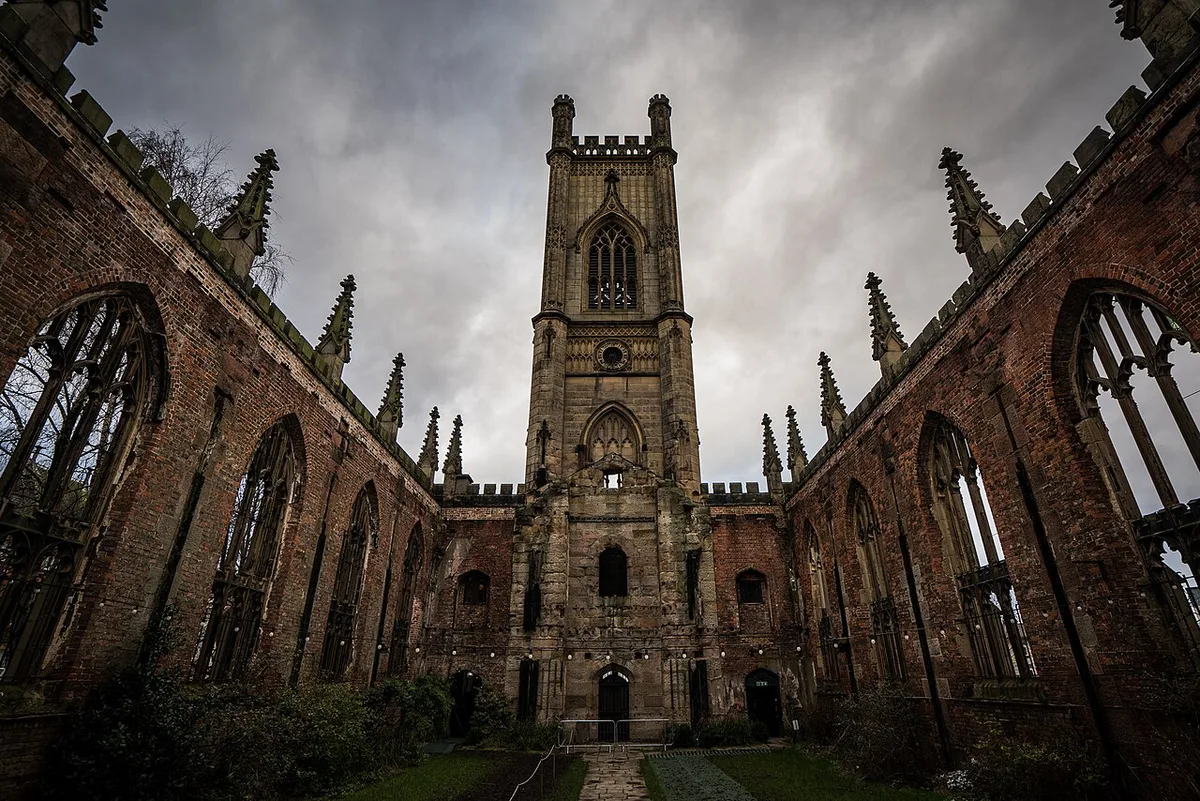
- St Luke's "Bombed-Out" Church
- St Luke's "Bombed-Out" Church survived the Liverpool Blitz as a roofless shell at the edge of the Georgian Quarter, and now stands as a memorial.
- Open-air cinema nights and other events fill the ruined nave through the year.
- It's one of the free stops covered in the separate guide to no-cost things to see in Liverpool.
- The Philharmonic Dining Rooms
- Near Hope Street, the Philharmonic Dining Rooms holds Grade I listed status for its ornate main bar and marble-fitted interior.
- Its gentlemen's toilets are listed in their own right and draw visitors who just want a look.
- Reservations aren't typically needed for a quick look at the bar, though the dining room can be busier around evening service.
- 92 Degrees Coffee
- 92 Degrees Coffee serves the neighborhood's creative and student crowd from the edge of the Quarter.
- It works well as a midday stop between Rodney Street and Hope Street, without a detour into the city center.
- Seating is limited, so weekday mornings tend to be calmer than weekend afternoons.
- The Grapes on Roscoe Street
- On Roscoe Street, the Grapes sits just off the main Hope Street drag, a block most visitors walk past.
- It's a straightforward option for a pint away from the busier Georgian Quarter cafes.
- Expect a traditional pub interior rather than a themed or renovated space.
- The Everyman Theatre
- Portraits of local residents make up the Everyman Theatre's facade, in place of a conventional frontage.
- A basement bistro underneath doubles as a low-key bar between shows.
- Matinee and evening performances both draw a mixed crowd of theatergoers and passersby stopping in for the bistro.
Peaky Blinders and Other Film Locations on Rodney Street
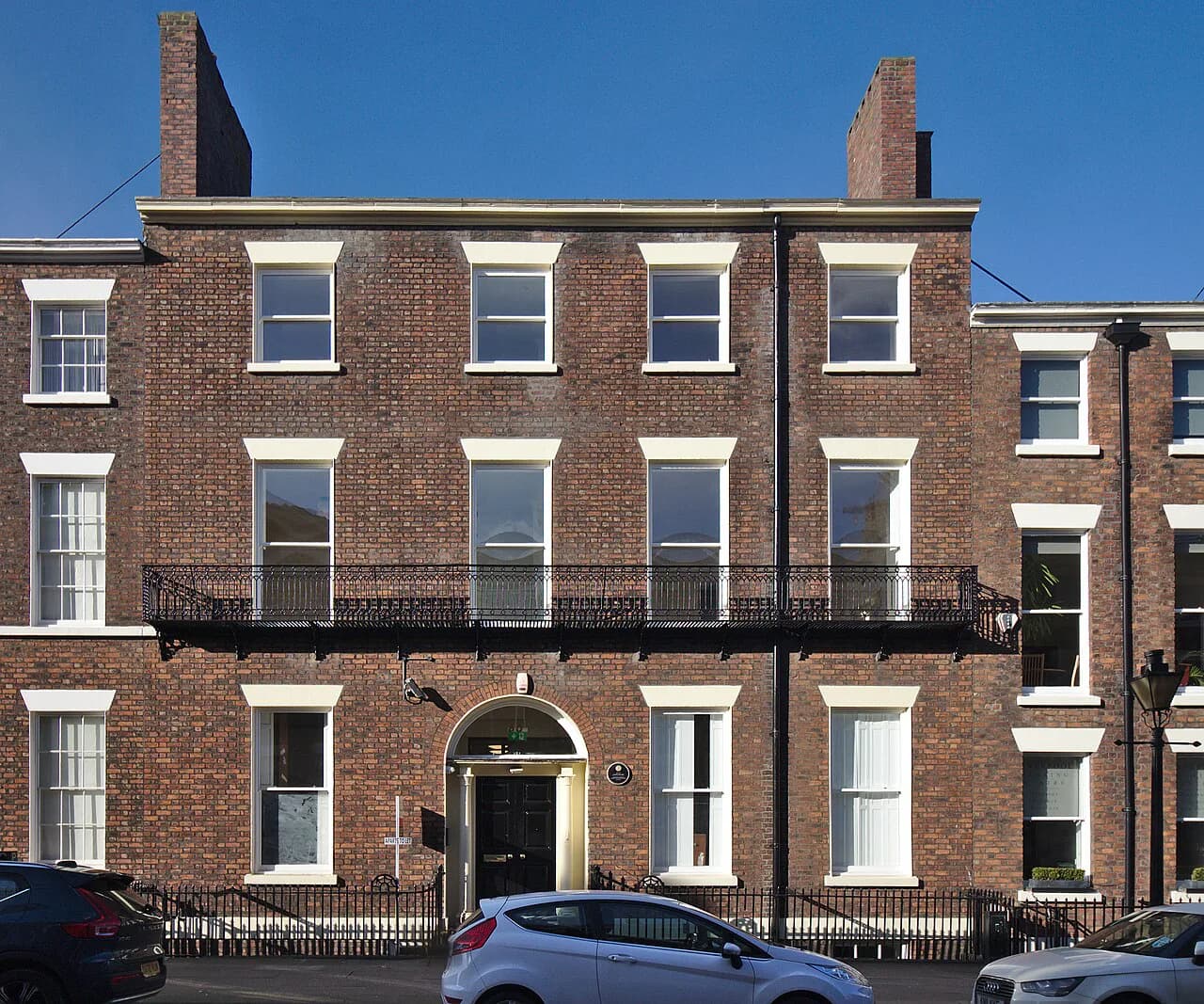
Peaky Blinders used Rodney Street and Canning Street to double as 1920s Birmingham, leaning on the area's period townhouses and quiet grid. Fantastic Beasts and Where to Find Them also shot scenes here, and Netflix's The Crown has used the Quarter's streets for royal-history moments. More recently, the same grid has doubled for other eras on screen, including scenes reported for The Batman (2022). Visit early morning, before residents' cars fill the curb and delivery vans arrive, to keep modern vehicles out of frame.
The Quarter's terraces, built between 1714 and 1830, doubled as 1920s Birmingham for Peaky Blinders by leveraging their period architecture.
Planning a Walk: Timing, Parking, and Accessibility
Hope Street forms the most direct route linking the Metropolitan Cathedral and the Anglican Cathedral, taking in Rodney Street, Falkner Square, and Canning Street on the way. Walking up from the city center adds a steep climb along Upper Duke Street before the grid levels out near Rodney Street. Late afternoon light works best for the red brick and sandstone facades along this stretch. Several streets keep their original cobbles and uneven paving, so wheelchair users and anyone with limited mobility should stick to the smoother stretches of Hope Street itself. Most side streets in the Quarter are resident-permit-only, so on-street parking is not a realistic option for visitors. Mount Pleasant's multi-storey car park is the closest practical alternative, costing less than the dockside lots near the waterfront. Check Liverpool City Council's parking pages for current daily rates before driving in. For a wider view beyond the Quarter, Liverpool's list of quieter neighborhood spots covers the rest of the city.
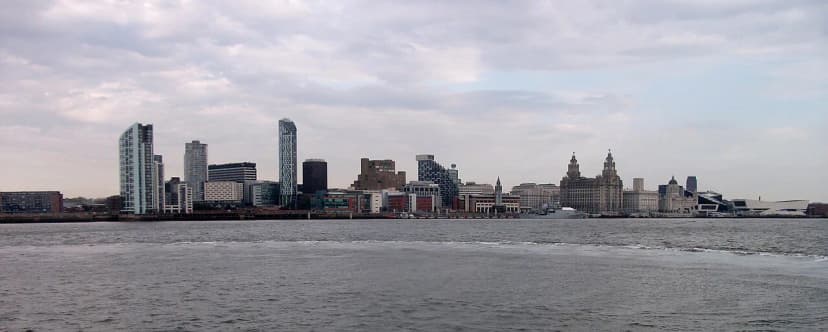
Royal Albert Dock sits about a 15-minute walk from the Georgian Quarter, shifting from Georgian terraces to museums and waterfront crowds.
Georgian Quarter vs Baltic Triangle vs the Waterfront
A short walk south, the Baltic Triangle's converted warehouses offer a sharp contrast, with bars and street art defining the mood after dark. Travelers chasing nightlife or major shopping brands should head there instead, since the Georgian Quarter closes down early outside its handful of pubs. Compared with the Royal Albert Dock waterfront, the Quarter trades museums and crowds for architecture and quiet streets. Skip the Quarter entirely if the trip revolves around large chain stores or late-night clubbing, since neither exists inside its boundaries. Building a wider UK itinerary opens up similar low-key pockets elsewhere. London's quieter residential squares reward the same kind of slow walk. Edinburgh's New Town backstreets offer a comparable Georgian grid on a different street plan. Dublin's Georgian doorways make for a natural comparison across the Irish Sea.
| Area | Vibe | Best For | Skip If |
|---|---|---|---|
| Georgian Quarter | Quiet Georgian terraces and squares | Architecture, film locations, slow walks | Nightlife or major shopping brands |
| Baltic Triangle | Converted warehouses, bars, street art | Nightlife, creative studios, street food | Quiet streets or historic architecture |
| Royal Albert Dock / Waterfront | Museums, restaurants, dockside crowds | Family days out, waterfront views | Avoiding tourist crowds |
Common Mistakes First-Time Visitors Make
Independent cafes and small venues often keep shorter hours on Sundays, so confirm opening times for stops like 92 Degrees Coffee before building a Sunday visit around them. Mixing up the two cathedrals is an easy error. St James's Mount holds the Anglican Cathedral at one end of Hope Street. The Metropolitan Cathedral anchors the other end. Getting them confused on a map can send visitors a considerable distance in the wrong direction. Overstaying a resident-permit parking bay draws a fine, not a warning, so treat every unmarked side street in the Quarter as off-limits for visitor parking.
Beyond the Quarter: Royal Albert Dock and Wider Trip Planning
Royal Albert Dock sits about a 15-minute walk from the Georgian Quarter, trading terraces for restored warehouses, museums, and waterfront restaurants. Autumn suits this stretch of the city particularly well, since low afternoon sun deepens the red brick color the terraces are built from. Check current listings for any winter or New Year events in the city center before building a visit around one.
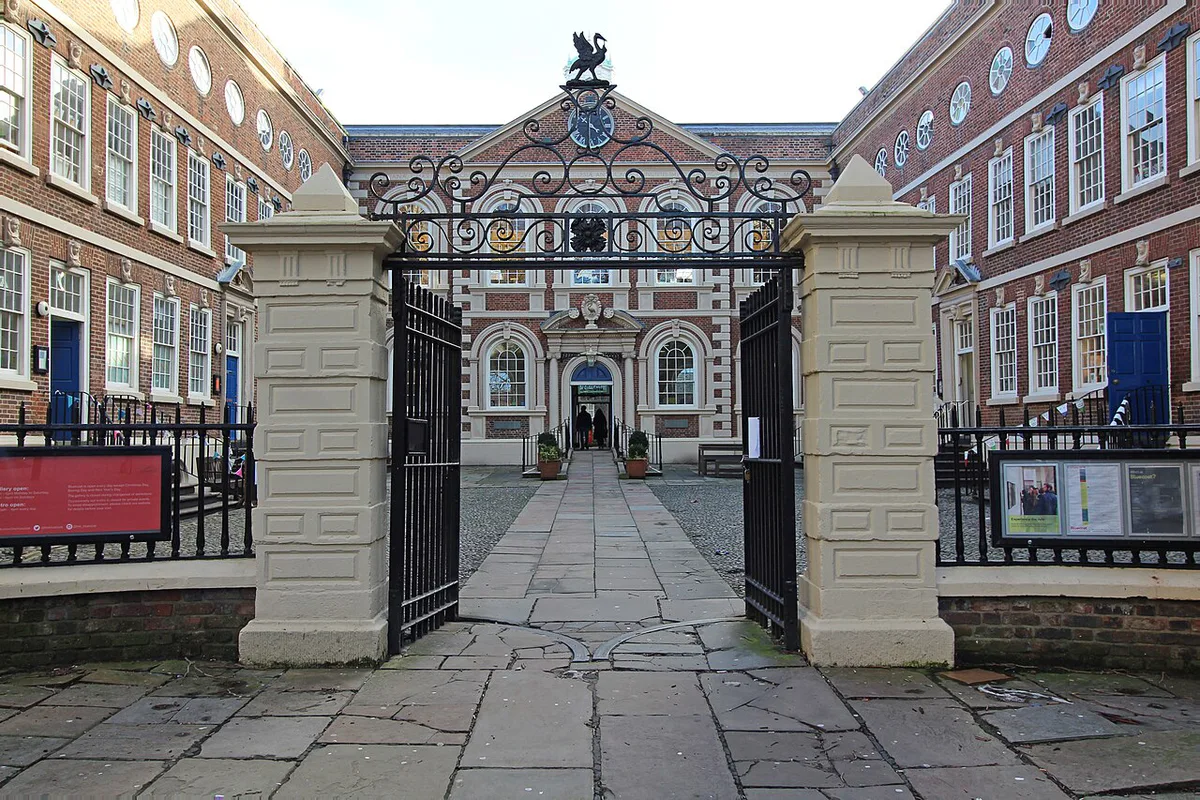
For trip-planning details, see The Bluecoat.
Frequently Asked Questions
What are the boundaries of Liverpool's Georgian Quarter?
The Georgian Quarter sits between the Anglican Cathedral and the Metropolitan Cathedral, with Hope Street running through the middle. Rodney Street, Falkner Square, and Canning Street form its core grid, built largely between 1714 and 1830.
Is the William Mackenzie pyramid story true?
No, it's local legend rather than a documented fact. The pyramid tomb on Rodney Street is real, but the tale of Mackenzie buried upright with a winning hand of cards is folklore passed down locally, not verified history.
Where should you park to visit the Georgian Quarter?
Most residential streets inside the Quarter are permit-only, so visitor parking there risks a fine. Mount Pleasant's multi-storey car park nearby is the more practical option, and it typically costs less than dockside lots near the waterfront.
What is the best time to photograph Rodney Street for film-style shots?
Early morning works best, before residents' cars fill the curb and delivery vans start arriving. This keeps modern vehicles out of frame for anyone chasing the same look producers wanted for Peaky Blinders.
How does the Georgian Quarter compare to the Baltic Triangle for a first visit?
Quiet streets, architecture, and film locations suit travelers picking the Georgian Quarter. The Baltic Triangle is the better pick for nightlife, street art, and bars, so plan for both if time allows.