
Last updated September 2026, this guide rounds up the free hidden gems in Liverpool that reward a tight budget. Royal Albert Dock makes a natural starting point, though the real value waits a short walk beyond it: courtyards, reading rooms, and church ruins that charge £0. Expect routes grouped by neighborhood, covering the Georgian Quarter, the Baltic Triangle, and William Brown Street, so transport costs stay at £0 too.
Free Hidden Gems in Liverpool: Why the City Rewards Budget Explorers
As a free anchor point for the day, Royal Albert Dock draws most first-time visitors. Two of the city's largest collections sit near the waterfront: the Walker Art Gallery and the World Museum, both at £0 admission. Neither counts as a genuine find, since both attract steady crowds, so treat them as a base rather than the goal. One widely read guide to the city counts 29 unusual stops worth seeing, but only a fraction of them cost nothing to visit. For the wider mix of free and paid sights, the art, architecture, and Beatles landmarks guide covers more ground. Bluecoat's courtyard offers free access daily, and the Bombed Out Church runs open-air events that charge nothing for general entry to the grounds. What separates a free-but-famous stop from a genuine find is foot traffic. The quieter sites below sit a few streets from the main tourist path, yet cost the same £0 to visit. Building a day around these quieter stops, rather than only the big-name free museums, is what actually stretches a short Liverpool visit.
Free But Famous vs. Free and Quiet: Choosing Where to Spend Your Time
Free but famous describes the Walker Art Gallery, the World Museum, and Royal Albert Dock alike: £0 admission, but crowds that build fast. Budget travelers get more value per hour at free and quiet stops nearby, where the entry cost is identical but the pace is slower. The Picton Reading Room, the Quaker Burial Ground, and St James Mount and Gardens fall into that second category. None of them charge admission, and none of them appear on a typical first-day itinerary built around the waterfront. Spending an hour at a famous free site still makes sense for context, especially on a first visit to the city. Allocating the bulk of a short trip to the quieter cluster, though, is what separates a generic Liverpool visit from one that actually explores the city's corners at £0. A simple rule works well: if a free site already has a line forming outside, treat it as optional, and move to the next stop on this list instead.
Architectural Riddles on William Brown Street and the Georgian Quarter
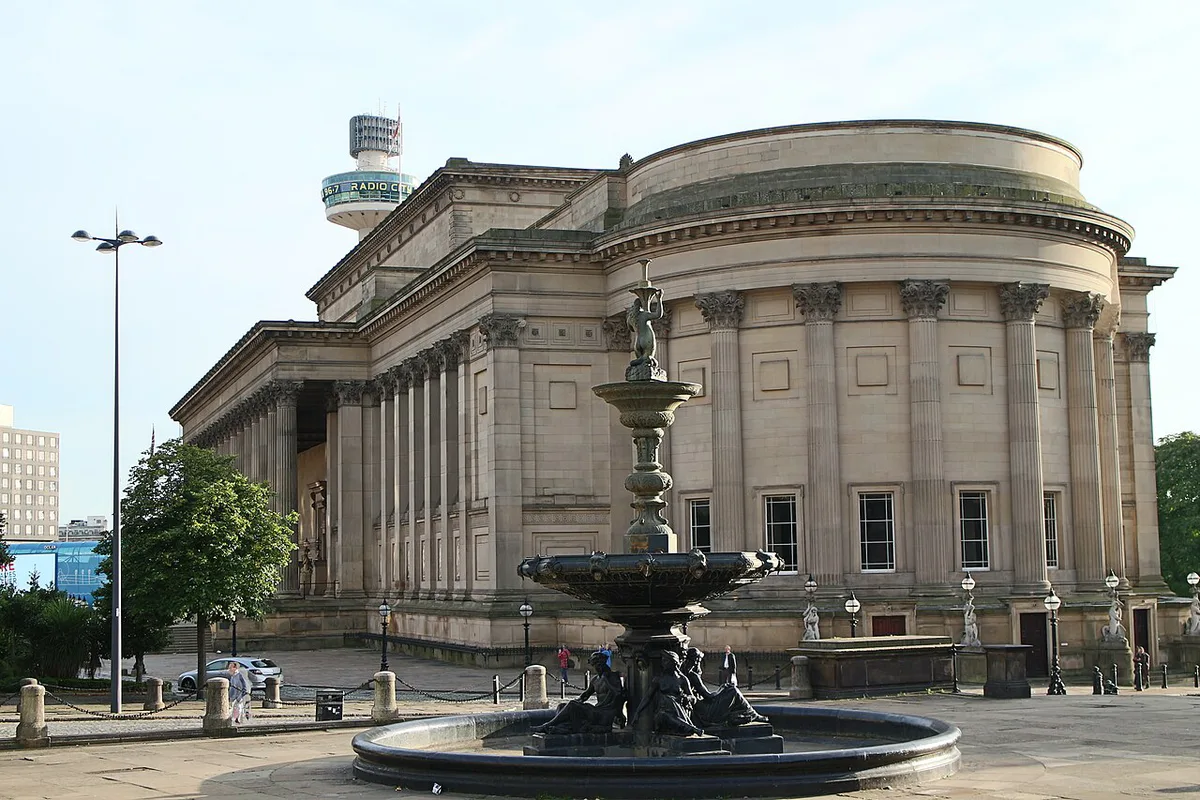
William Brown Street holds two architectural puzzles locals mention first: the Picton Reading Room and the Central Library's carved entrance. Its dome-lit, circular interior costs £0 to browse. Weekday mornings tend to be quieter, since student visits build through the afternoon. Nearby, the Georgian Quarter holds streets of Georgian-era townhouses that cost nothing to wander. A dedicated Georgian Quarter walking guide maps which streets to prioritize when time is limited. The Oratory, a Greek Revival chapel on the cathedral grounds, rounds out the cluster with no entry charge to view its exterior. Tucked into the city center, a small Quaker Burial Ground offers a quieter contrast to the Central Library's crowds, without a single sign pointing tourists toward it. Pair these three or four stops into one loop, and the whole architectural cluster costs £0 beyond the walk itself.
Free Art and Culture Beyond the Big Museums
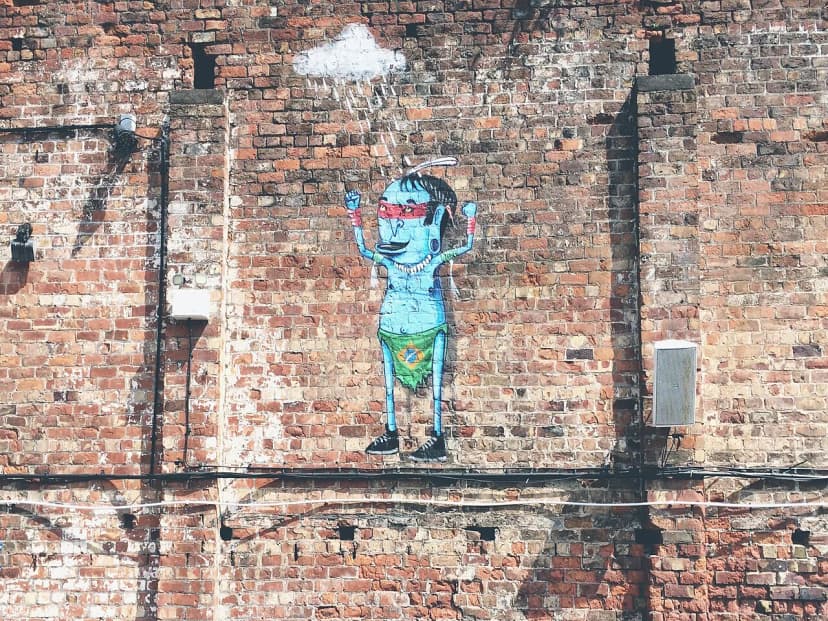
Bluecoat courtyard sits behind Liverpool's oldest surviving building, open to walk through without a ticket. Check the Bluecoat's own listings for current opening hours and any exhibitions running in the gallery spaces. Baltic Triangle covers several streets of large-scale street art across converted warehouses, refreshed often enough that repeat visits show new work. The Baltic Triangle art guide breaks the murals into a walkable loop by street. Independent studios and pop-up spaces cluster around the same blocks, and browsing them costs nothing even without buying anything. Lady Lever Art Gallery has offered free entry in the past, though policies shift, so confirm current admission before planning a special trip there. Skip it on a tight schedule if the free confirmation takes too long, since the sites above sit closer to the city center and are easier to verify as £0 on arrival.
Secret Gardens and Natural Escapes
Sefton Park spreads across the south of the city, and its paths, lake, and lawns cost £0 to enter at any time. At the center, the Sefton Park Palm House is worth checking directly for current hours and any suggested donation before a visit. St James Mount and Gardens sits in a former quarry beside the cathedral. Its terraced paths include steps, making some sections awkward for wheelchairs or strollers. Sefton Park itself is largely flat, though, and easier to navigate with a wheelchair or a stroller than the terraced paths at St James. Visiting outside cathedral service times keeps the grounds quieter and easier to photograph without foot traffic crossing the frame. For deeper coverage of Liverpool's green spaces, the parks and gardens guide lists accessible routes site by site. Further out, Crosby Beach holds a mile of scattered World War II rubble alongside Antony Gormley's cast-iron figures, both viewable at £0. Low tide tends to be easier for walking among the figures, since the beach can flood at high tide.
The Free Beatles Trail: Skip the Paid Tours
Penny Lane is a real, signed street that costs nothing to walk, unlike the guided bus routes that circle past it for a fee. Strawberry Field's red gates stay open to view at £0; confirm current details before visiting if you also want to go inside the visitor center. Skip the branded walking tours that repeat the same script for a fee, since the two sites sit close enough together to link on foot instead. Neither stop requires a ticket, so a visit can be brief or extended, depending on your interest. Bring a printed map or a downloaded offline route, since relying on paid data roaming adds an unnecessary cost to a free afternoon. A self-guided Beatles walking route links these stops without paying for a tour guide. Comparing the two options head to head, the self-guided version costs £0 beyond travel to the starting point. A guided coach tour bundles in the same stops, but a determined budget traveler can reach them independently anyway.
Eleanor Rigby's grave in St Peter's churchyard adds a Beatles connection to the trail. McCartney and Lennon met at St Peter's church fête in July 1957, though the song link remains inconclusive.
Walking Loops That Keep Transit Costs at £0
Grouping stops by neighborhood is the single biggest lever for keeping a Liverpool day at £0. Pair William Brown Street's library and museums with a walk down to the Georgian Quarter, since the two areas sit close enough to cover on foot. Save the Baltic Triangle and the waterfront for a second loop, so a bus fare doesn't creep into a day meant to cost nothing. Merseytravel publishes walking and transport maps for the wider city region, useful for planning routes before checking specific fares. Crosby Beach sits furthest out, so treat it as its own trip rather than folding it into a city-center loop. Comfortable shoes matter more than any app here, since most of the value in this guide comes from covering ground on foot rather than paying for transfers between stops. Rain gear is worth packing too, since several of the best free stops, including St James Mount and Gardens and Crosby Beach, sit outdoors with no shelter nearby. Covering William Brown Street, the Georgian Quarter, and the Bluecoat toward the Baltic Triangle in one day adds up to several miles of walking, achievable in comfortable shoes without any transport spend.
The Trade-off Table: When to Spend and When to Save
Not every Liverpool stop needs to stay free to be worth the detour. Williamson Tunnels charges for guided access, unlike every site listed above. Sections open on any given day can vary, so it rewards travelers curious about 19th-century engineering more than budget completists. Use the table below to weigh time against payoff before building a day around any single stop. Crowd levels shift with the season and any events at the Bombed Out Church, so build slack into a plan built entirely around £0 stops. A handful of the free sites above may run on optional donations rather than strict pricing. Confirm before visiting if an event page or venue listing mentions a suggested donation, since policies can shift year to year. Treat any such request as optional unless a venue states otherwise. Everywhere else on this list, standard admission remains free with no suggested donation typically attached.
| Spot | Cost | Time Needed | Crowd Level |
|---|---|---|---|
| Walker Art Gallery | £0 | Extended | Moderate |
| Picton Reading Room | £0 | Quick | Low |
| Bluecoat Courtyard | £0 | Quick | Low |
| St James Mount and Gardens | £0 | Moderate | Low |
| Baltic Triangle Street Art | £0 | Moderate | Low |
| Crosby Beach | £0 | Extended (travel time) | Low |
| Williamson Tunnels | Paid tour | Moderate | Moderate |
A Free Liverpool Itinerary: 48 Hours for £0
Two days, roughly 48 hours from check-in to check-out, is enough to cover most of the sites in this guide, all focused on £0 stops. Group the stops by neighborhood in the order below, and adjust the sequence if the Bombed Out Church has an event running only on a specific evening. Travelers extending a UK trip beyond Liverpool can apply the same neighborhood-grouping approach elsewhere. The London hidden corners guide applies the same £0 filter to a bigger city. For Scotland, the Edinburgh free spots guide covers similar ground north of the border. Travelers routing through Ireland can also check the Dublin budget guide for the same £0 approach applied there.
- Day 1 morning: the William Brown Street cluster, covering the Central Library, the Picton Reading Room, the World Museum, and the Walker Art Gallery.
- Day 1 afternoon: a Georgian Quarter walk into the Bluecoat courtyard, ending near St James Mount and Gardens and The Oratory.
- Day 1 evening: check the Bombed Out Church's event schedule for any open-air program running that night.
- Day 2 morning: Sefton Park and the Palm House exterior, plus the Quaker Burial Ground if time allows.
- Day 2 afternoon: the Baltic Triangle street art loop.
- Day 2 evening or extension: Crosby Beach and Antony Gormley's statues, or the Penny Lane and Strawberry Field stretch of the Beatles trail.
Eleanor Rigby’s Grave in Woolton
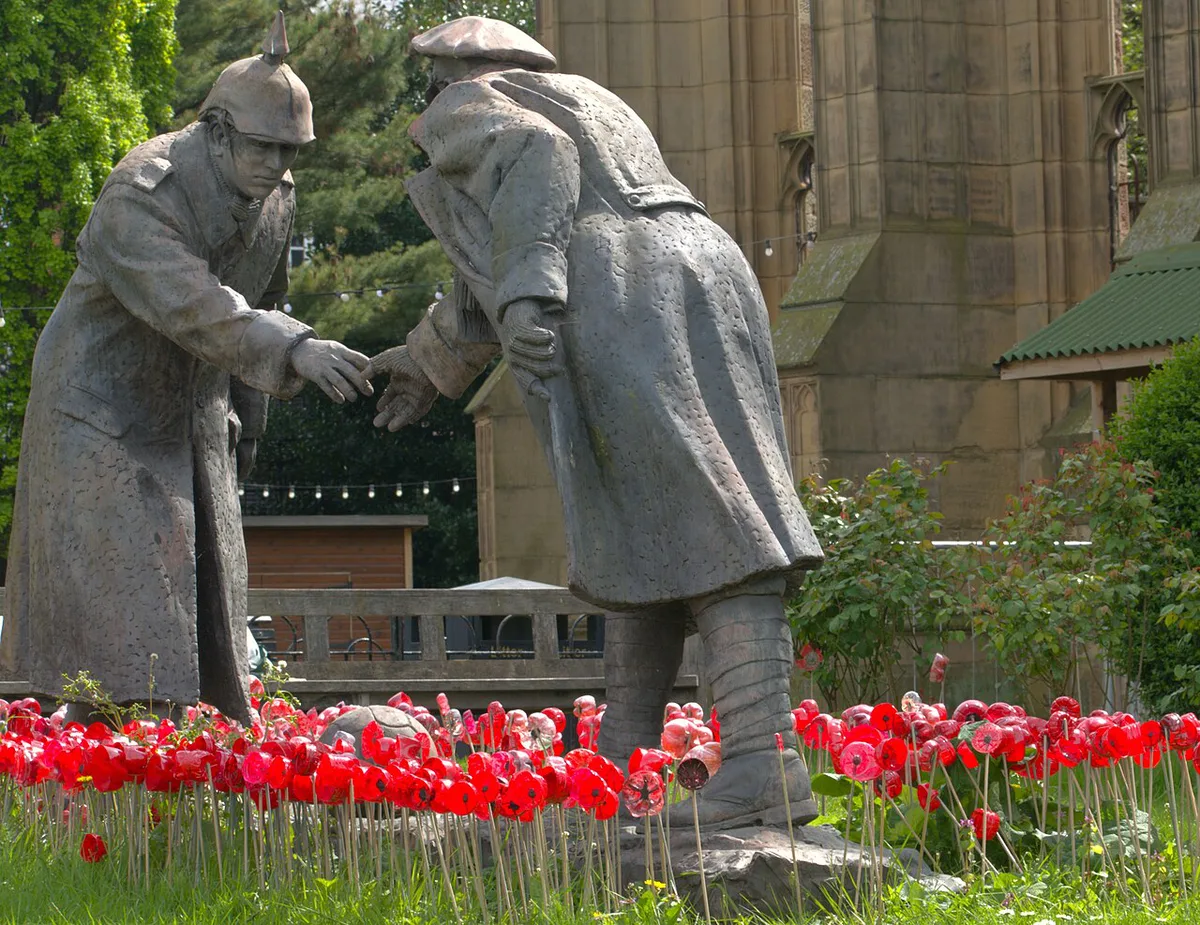
St Peter’s Churchyard in Woolton offers a quieter addition to a free Beatles walk. The grave of Eleanor Rigby stands in the churchyard, a short walk from Woolton Village. It is free to visit during the churchyard’s public access hours.
The connection is intriguing rather than conclusive. Paul McCartney met John Lennon at St Peter’s church fête in July 1957. A headstone for Eleanor Rigby was later noticed in the churchyard, while another nearby grave bears the surname McKenzie. Neither detail proves the song’s exact inspiration, but the setting adds useful context.
- Start at Woolton Village and enter through the churchyard gates.
- Allow 20 to 30 minutes for the grave and church exterior.
- Combine it with Penny Lane or Strawberry Field only if you are happy using public transport between neighbourhoods.
This is a respectful place of worship and remembrance, not a photo stop to rush through. Keep to paths where possible, avoid blocking graves, and check the church’s notices if a service or community event is under way.
Frequently Asked Questions
What are the best free hidden gems in Liverpool?
Bluecoat's courtyard and the Picton Reading Room top the list for genuine no-cost stops. St James Mount and Gardens and Crosby Beach add two more that stay quiet even in peak season.
Is Liverpool Central Library free to enter?
Yes, general access to the library and the Picton Reading Room costs £0. Confirm current hours before visiting, since they can shift around university term dates.
Do you need to pay for the Beatles sites in Liverpool?
Penny Lane and the gates at Strawberry Field cost nothing to see and photograph. Paid options exist too, including guided bus tours and any indoor exhibition space, but they remain optional rather than required.
How do you get to Crosby Beach without a car?
Crosby Beach sits outside the city center, so check Merseytravel for current train or bus options before setting out. Treat it as a separate trip rather than an add-on to a city-center walking loop.
Are Liverpool's national museums really free?
The Walker Art Gallery and the World Museum both offer £0 general admission, based on current listings. Special or touring exhibitions sometimes carry their own fee, so confirm before assuming every gallery inside is included.
How much does a free weekend in Liverpool actually cost?
Sightseeing across this guide costs £0; food, transport to Crosby Beach, and accommodation are the real budget lines. These vary enough by season that checking current listings beats relying on a fixed estimate.
What's the best time of year to see these free sites?
Spring and early autumn tend to bring fewer crowds to outdoor sites like Crosby Beach and Sefton Park than peak summer weekends. Indoor stops such as the Picton Reading Room and the Walker Art Gallery stay £0 and accessible year-round regardless of season.
Do you need to book anything in advance for these free sites?
None of the sites in this guide require advance booking for general access, based on current listings. Special exhibitions or evening events at venues like the Bombed Out Church may need a free RSVP, so check each venue's own page close to your visit.