

Our editors have combed through Budapest's sights to separate what's genuinely free from what only looks that way. The city packs an unusual amount of no-cost sightseeing into a compact, walkable center split across the Danube. Grand squares, a castle hill, and a UNESCO riverside all cost nothing but time and comfortable shoes.
Updated for 2026, this list flags every spot where a site splits into a free zone and a paid add-on. That split trips up a lot of first-time visitors who expect one price to cover everything. A single BKK public transport ticket costs about 450 forints, around $1, cheap insurance for reaching every stop below. Ten picks follow, mixing landmark views with a market and a walking tour most guidebooks gloss over.
10 Best Free Things to Do in Budapest
Budapest packs an unusual amount of no-cost sightseeing into a compact, walkable center split across the Danube. Danube viewpoints, grand squares, and a castle hill all sit within a short transit ride of each other. Each entry below notes what it actually costs, since free in Budapest sometimes means free to look but not to climb. Fisherman's Bastion and Saint Stephen's Basilica both split their sites this way, charging only for the highest viewpoints.
Many Budapest landmarks split into free lower areas and paid viewpoints at the top. Fisherman's Bastion and Saint Stephen's Basilica are the main culprits—you can visit for free but pay to climb to the highest levels.
Travelers chasing more skyline shots can pair this list with our guide to Budapest's best viewpoints, which covers both free and ticketed lookouts. That guide is worth bookmarking before a trip, since a couple of the paid options are genuinely worth the splurge.
Traveling with kids changes which stops make the most sense for a free-focused day. Heroes' Square and City Park both have room to run, a combination covered in our Budapest with kids guide.
- Fisherman's Bastion Lower Terraces
- This fairy-tale rampart above the Danube offers Budapest's most photographed skyline view for free.
- Only the upper towers charge admission, while the lower walkways and viewpoints stay open to everyone.
- Arrive before 8am to photograph the turrets before tour groups fill the terraces.
- Chain Bridge Walk Across the Danube
- Budapest's oldest bridge links Buda and Pest and costs nothing to cross on foot.
- Lion statues guard both ends, and the iron chainwork glows gold under floodlights after dark.
- Cross near sunset for the classic view of Parliament and Castle Hill lit up together.
- Hungarian Parliament from Kossuth Tér
- Touring the interior requires a paid ticket, but admiring the neo-Gothic facade from the square costs nothing.
- The building faces the Danube and looks most dramatic from across the river at Fisherman's Bastion.
- Guards change on the hour outside the main entrance, a quick free spectacle worth timing a visit around.
- Heroes' Square and City Park
- Hungary's grandest public square honors national leaders with statues and a colonnade that never charges admission.
- City Park sits directly behind it, with wide lawns that suit families and picnics on sunny afternoons.
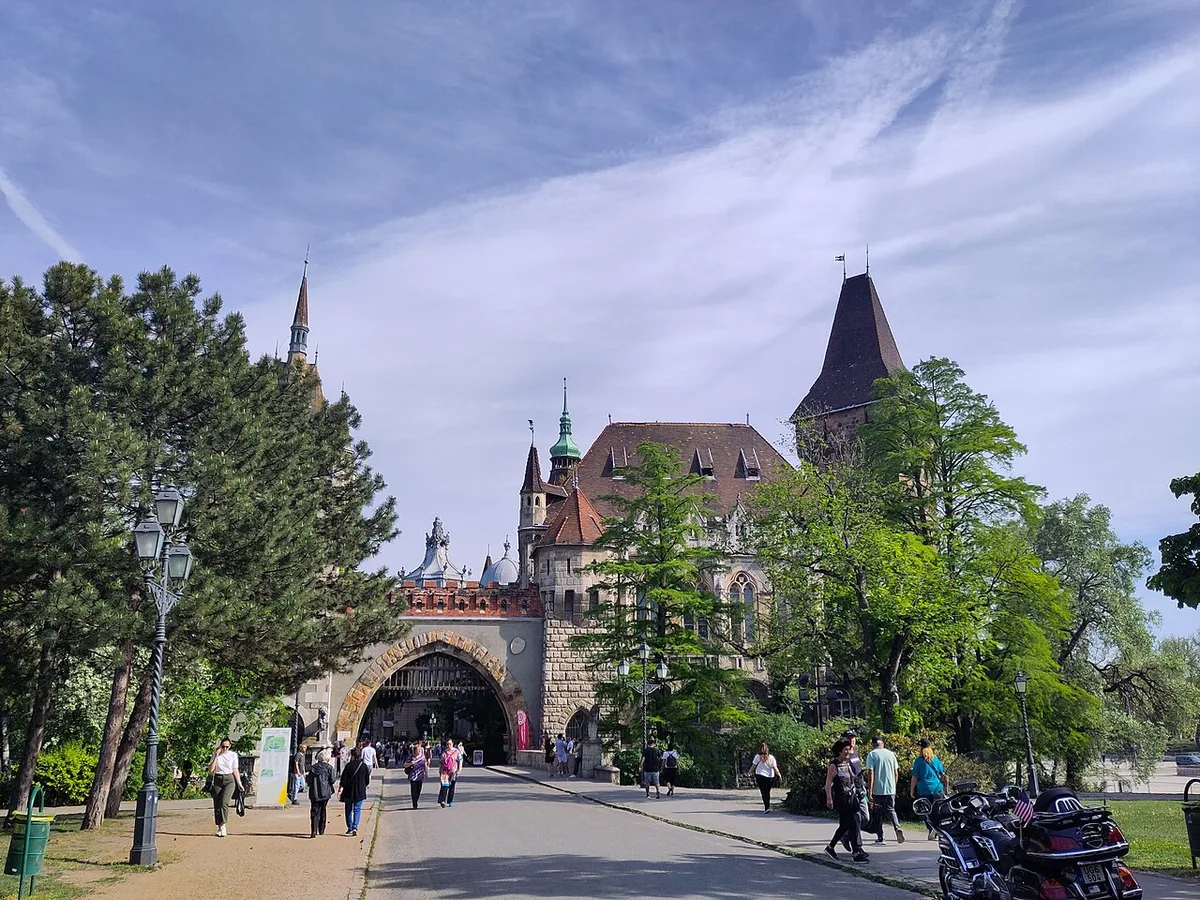
- Combine both with a walk to Vajdahunyad Castle's courtyard, which is also free to enter.
- Buda Castle Hill Grounds on Foot
- Skip the funicular's ticket line and climb the switchback paths up from Clark Ádám tér instead.
- The castle courtyards, ramparts, and viewpoints over Pest are free once you reach the top.
- Museums inside the palace charge separately, so budget travelers can still enjoy the grounds at no cost.
- Shoes on the Danube Bank Memorial
- Sixty pairs of cast-iron shoes commemorate Jewish victims shot along this riverbank during World War II.
- The memorial sits a short walk south of the Parliament building, right along the promenade.
- It's a quiet, sobering stop that takes only a few minutes but stays with most visitors.
- Hungarian National Museum for Under-26 EU Visitors
- Hungary waives permanent-exhibition admission for EU citizens under 26, a policy few guidebooks mention.
- Older visitors and non-EU travelers pay a modest ticket price, so bring ID to confirm eligibility.
- Check the museum's official site before visiting, since age-based free entry rules can change.
- Hold Utca Market Hall
- This smaller, local-first market trades tour buses for Hungarian shoppers filling string bags with produce.
- It's a calmer, cheaper alternative to the tourist-heavy Great Market Hall a few blocks away.
- Go midmorning on a weekday to see the market at its most local and least staged.
- Margaret Island Danube Park
- This car-free island in the middle of the Danube is entirely free to wander.
- Musical fountains, rose gardens, and running tracks stretch across the island's two and a half kilometers.
- Tram 4 and 6 both stop at Margaret Bridge, the main entrance from either riverbank.
- Free Walking Tour of the Castle District
- Local guides lead tip-based tours through Castle Hill and the Jewish Quarter most days of the week.
- There's no upfront fee since guides work for whatever tip guests think the tour was worth.
- Budget 1,500 to 3,000 forints, around $5 to $9 per person, as a fair tip in 2026.
Is the Budapest Card Worth It for a Free-Focused Trip?
The Budapest Card bundles public transport with free or discounted entry to about a dozen paid museums and attractions. For travelers sticking mostly to the free list above, the card often costs more than it saves. Pricing scales by duration, with 24, 48, 72, and 120-hour versions sold at increasing rates through 2026. A single BKK transport ticket runs about 450 forints, around $1, so a light sightseeing day rarely needs the card at all.
Our full Budapest Card breakdown compares every duration against a typical museum-heavy itinerary. It's worth reading before booking, since the math flips once a trip adds even one thermal bath visit.
A simpler rule works for most free-focused trips. Buy single tickets or a 24-hour transport pass, then pay small entry fees only where a site truly earns it. That keeps spending flexible and avoids paying upfront for museums that don't make this list.
Do You Need a Car for These Free Spots?
The short answer is no. Every stop on this list sits inside Budapest's compact center, reachable by metro, tram, or a comfortable walk. Renting a car adds parking costs and traffic stress without saving any real time between these sights.
The metro, tram, and bus network run on one ticket system, and the BudapestGO app sells single and day passes without a queue. Check current fares on the BKK Travelcard page before a trip, since transit prices shift yearly.
A single BKK public transport ticket costs about 450 forints (around $1 USD), making transit the cheapest way to move between all the free spots on this list.
A car does earn its keep for one purpose: reaching free nature outside the city center. Normafa, up in the Buda Hills, offers free hiking trails and skyline views without a single admission fee. Our day trips from Budapest guide covers it, along with an easy bus-and-cog-railway route that skips the car entirely. For everything else on this list, a transit pass beats a rental car on cost, speed, and parking stress.
What to Skip and How to Stretch Your Forints Further
Not every popular stop pulls its weight, and a few earn a skip or at least a rethink. The Fisherman's Bastion upper towers charge extra for barely more elevation than the free terraces just below them. Saint Stephen's Basilica works the same way, free for prayer and quiet visits, with a small fee outside Mass times.
Free walking tours run on tips, not fixed prices, and Hungary's tipping culture runs a little different from Western Europe's. Guides typically expect 1,500 to 3,000 forints per person, paid in cash at the end of the route. Rounding up for a guide who clearly put in the effort is standard practice, not an awkward extra.
Most state museums, including the Hungarian National Museum, close on Mondays, so plan free days around that gap. Rainy-day backups with paid entry are covered in our best museums in Budapest guide, useful once this free list runs out. Save that guide for a wet afternoon and keep sunny days for the outdoor picks above.
Frequently Asked Questions
Do you need a car in Budapest?
No, public transport covers every free attraction on this list. Budapest's metro, trams, and buses connect the entire city, and a single ticket costs about 450 forints, around $1. A rental car mostly adds parking costs and traffic stress inside the compact, walkable center.
How many days do you need in Budapest to see the free sights?
Two full days cover the free highlights above at a relaxed, unhurried pace. That leaves room for one paid museum, a thermal bath, or a half-day trip. Our one-day Budapest itinerary works well if time is tighter and only the essentials matter.
Is the Budapest Card worth it if I'm sticking to free attractions?
Usually not, since the card pays off once a trip includes two or more paid museums or a thermal bath each day. For a free-focused visit, single transport tickets and occasional entry fees end up costing noticeably less than the card's flat rate.
What should first-time visitors prioritize among Budapest's free things to do?
Start with Fisherman's Bastion, the Chain Bridge, and Heroes' Square, all within a short transit ride of each other. Add Margaret Island for an easy afternoon walk, and save the Hungarian National Museum for a rainy day. These five stops alone fill a full day without spending a single forint.
Budapest rewards travelers who mix a few paid highlights into a long run of free ones. Every pick above costs nothing but time, comfortable shoes, and maybe a small tip for a guide. Start with the full Budapest attractions guide for ticketed sights worth adding once the free list is done.
None of these stops require booking ahead, so plans can stay loose and shift with the weather. Bring a transit ticket, a water bottle, and a little cash for tips, and the day covers itself.