Tübingen sits on the Neckar south of Stuttgart, and its appeal is different in kind from the palace-and-garden outings that fill most Stuttgart day-trip lists. The student population keeps the old town busy with cafes, small shops and street life, while the river, the island avenue of plane trees and the castle hill give the day a natural walking rhythm. Because the core is compact, the real question is not what to see but how much time to give it.
A regional train connection makes the town realistic without a car. One day-trip roundup states that Tübingen is reachable from Stuttgart by regional train in around 50 minutes, a figure worth checking against current timetables before you commit to a tight schedule. That puts the town in the same rough bracket as other Stuttgart excursions, so the deciding factor becomes character rather than distance. If you are still sketching the wider trip, the Stuttgart: Landmark Visitor Guides hub shows how a Tübingen outing fits beside palace and vineyard days.
The sections below lay out the walkable core, the castle hill, punting and the market square, then offer a suggested half-day shape and a fuller version. Both are suggestions rather than any official itinerary, and the timings you keep are your own decision.
Why Tübingen Rewards a Day Trip from Stuttgart
Tübingen is a university town first, which shapes everything a visitor notices. The Eberhard Karls University has no single enclosed campus; its buildings are scattered through the centre and grouped by subject, so the university visit is really part of the old-town walk rather than a separate stop. That matters for planning, because you will not find one gate, one quadrangle and one exit.
The town also has a river identity that Stuttgart's inner districts lack. The Neckar, the Eberhard Bridge and the long island with its plane-tree avenue create a low, flat and photogenic loop that works even on a short visit. Pair that with the climb to Hohentübingen Castle and you get two very different halves of a day, one easy and one demanding.
Compared with a palace outing such as the Ludwigsburg Residential Palace day trip from Stuttgart, Tübingen is less about one ticketed monument and more about wandering between small sights. That suits travellers who dislike queueing for a single headline attraction. It also means the day is only as good as your willingness to walk.
Getting There and Back Without a Car
Regional trains are the practical option, and the a&o travel tips page states that Tübingen can be reached by regional train from Stuttgart in around 50 minutes, which is the number to plan around rather than a promise. Treat it as an estimate and confirm the current connection and departure times in the DB or Verkehrsverbund timetable before you travel, since schedules change with the season.
The return leg shapes the day more than the outbound one, because you decide how much evening you want in Tübingen versus in Stuttgart. If you aim to be back before dark in winter, the usable daylight window in town shrinks noticeably and a half-day shape becomes the sensible choice. In lighter months, a late return lets you add the Österberg sunset walk without rushing.
Once you arrive, the station sits within walking distance of the centre, so you can leave the car question aside entirely. Comfortable shoes matter more than any transport detail, especially if the castle climb is on your list. If you want to see how this outing compares with other car-free options, the Stuttgart by public transport guide groups the region's headline sights in one place.
The Walkable Core: Old Town, Eberhard Bridge and the Neckarinsel
The old town lanes, the Eberhard Bridge and the Neckarinsel form one natural loop on foot. The bridge is the classic viewpoint, with pastel houses on the riverbank and flowers along the railings in the warmer months, and it takes only minutes to cross and look back. From the bridge you can step down onto the island rather than doubling back through the streets.
The Neckarinsel is an artificial island in the middle of the river, and its main path is lined with plane trees, which explains the local name for the avenue. Benches along the way make it a good place to slow down, and the waterfront attracts swans and ducks. If you are travelling in warm weather, be aware that the island also has swimming areas, which are a seasonal matter you should check locally rather than assume.
Resist the urge to treat the university as a stop of its own. The scattered buildings are woven into the streets you are already walking, so the best approach is to notice them as you go. That keeps the loop short and leaves room for the uphill section later.
Hohentübingen Castle: Free Grounds, Ticketed Rooms
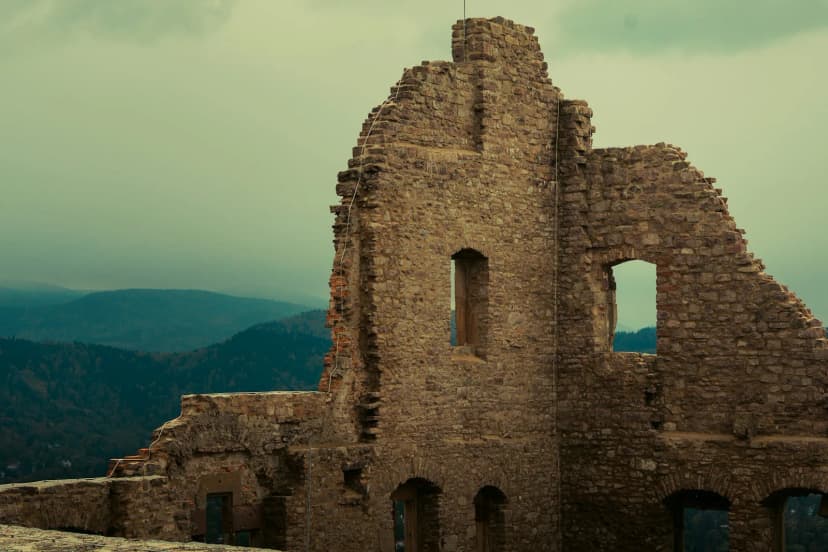
The castle hill is the single biggest planning decision of the day, because it adds a climb. A travel blog describing the route calls it a short uphill walk of roughly ten minutes to the castle from the river side, though you should allow more if you stop to look around. The reward is the courtyard, the gate architecture along the approach and a broad view over the red roofs and the Neckar valley.
The important distinction is between the grounds and the collections. The courtyard and the hilltop views are the part you can enjoy without committing to a museum, while the exhibition rooms inside, including the Ancient Culture Museum in the former stables, are separately ticketed according to the same blog account. Do not assume a single castle ticket covers everything, and check the current scope, prices and opening hours with the operator before you plan around a museum visit.
The Ancient Culture Museum is described as holding archaeological material from the Palaeolithic through to Roman times, along with an exceptionally large historic wine barrel. The same account notes that English labelling is limited, which is a fair reason to skip the interior if you want to keep the day outdoors. Deciding this in advance saves both time and shoe leather.
Punting on the Neckar: A Seasonal, Cost-Sensitive Choice
The Stocherkahn is Tübingen's signature experience: a long wooden punt propelled by someone standing at the end with a pole, carrying a group of passengers. It is a student tradition with a long history, and it puts you on the water looking back at the town rather than standing on the bank looking at the river. For many visitors, it is the memory that outlasts the rest of the day.
Two caveats deserve space. First, this is a warm-weather activity, so treat it as a seasonal tradition to confirm locally rather than a guaranteed fixture of your travel dates. Second, it is a paid experience, and one blog from 2024 quotes a price that should not be assumed to still apply; ask the operator for the current rate when you book. A shared boat spreads the cost across the group, which is the usual workaround for travellers on a budget.
If punting is unavailable or out of budget, the river loop still works on foot. The island walk and the bridge viewpoint deliver much of the same perspective for nothing. Plan punting as an optional upgrade, not the foundation of the day.
Marktplatz, the Rathaus Clock and St. George's Church
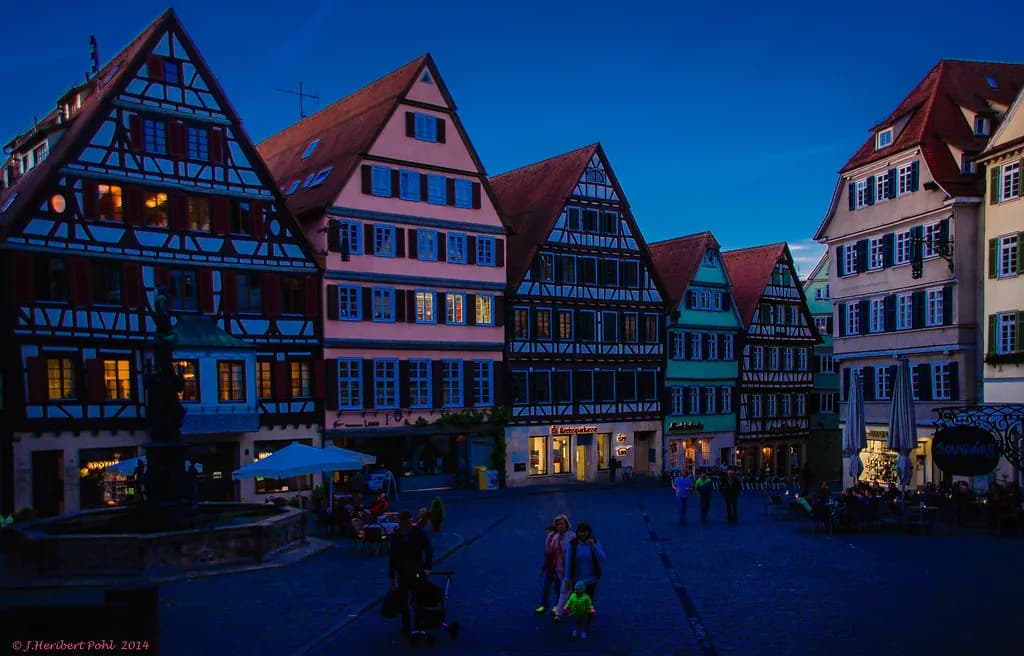
The Marktplatz is the social centre of the old town, framed by historic buildings that survived the twentieth-century bombing that destroyed so much German city fabric. In the middle stands a Renaissance fountain with a figure of Neptune, and a travel blog states that the square hosts a farmers' market on Mondays, Wednesdays, Fridays and Saturdays, with vendors selling produce, preserves and handmade goods. Confirm the current market days locally if the market is a priority, since schedules can shift.
The Rathaus facade carries an astronomical clock and baroque detailing, and it is worth a few minutes of close looking rather than a passing photograph. Behind the building is a Ratskeller, the traditional pub arrangement common to German town halls, which makes the square a sensible lunch stop. From here, St. George's Collegiate Church is only a couple of minutes away on foot.
The church is a late Gothic structure with wood carving, stained glass and a sixteenth-century altar painting, and a travel blog describes it as one of the earliest congregations to have adopted the Reformation. The same blog mentions a small tower entry fee and a long staircase, but those figures are not confirmed as current, so check at the door if the climb appeals. Even without the tower, the interior is a reasonable twenty-minute stop, though that is a suggested duration rather than an official timing.
A Suggested Half-Day Shape
A half day works if you accept that you will see the core and skip the extras. Start at the Eberhard Bridge for the classic view, walk the plane-tree avenue on the Neckarinsel, then cut into the old town for the Marktplatz and a look at the Rathaus clock. Finish with the church interior if it is open, and leave the castle for another visit.
That sequence keeps you on flat ground almost the whole time, which matters if you are travelling with anyone who tires easily or if you have a train to catch. Allow yourself the walk back to the station without a last-minute dash. This is a suggestion, not an official route, and you can reverse it just as easily.
If you enjoy the format, the Stuttgart 3-day itinerary shows how a short outing like this can sit inside a longer city stay without crowding the rest of the plan. Half a day in Tübingen leaves the evening free for Stuttgart itself.
What to Add for a Full Day
With a full day, the castle climb becomes comfortable rather than rushed, and you can decide on the spot whether the museum rooms justify the extra time and cost. The botanical garden is another addition that a travel blog places on the hill rather than in the centre, so check which garden you are heading for before you set off, and verify current opening arrangements with the operator. A garden visit is a slow activity, so it fits a leisurely day better than a compressed one.
The Österberg hillside is the natural ending, with paths wrapping around the slope and benches along the way. A travel blog describes a short uphill walk from near the university library area to a viewpoint where people sit and watch the sun go down. In the warmer half of the year that is an easy way to close the day; in winter, daylight will not cooperate.
A fuller day also lets you linger over the river rather than treating it as a corridor. Extra time on the island or a second pass over the bridge in different light costs nothing. If you are building a longer break around the region, the Stuttgart 2-day itinerary is a useful frame for pairing city days with outings like this one.
Tübingen or Esslingen? A Real Trade-Off
Esslingen am Neckar is the other obvious Stuttgart day trip within the same character bracket, and the contrast is instructive. The a&o travel tips page states that Esslingen has more than 200 well-preserved half-timbered houses, cobbled streets and medieval squares, along with a wine-growing tradition and taverns in the surrounding slopes. It reads as a medieval picture postcard, and much of its appeal is architectural.
Tübingen is younger in feel. The a&o travel tips page describes a young, lively flair with numerous pubs, street music and small markets, and the river adds a second axis beyond the streets. If you want wine taverns and timbered facades, Esslingen is the stronger match; if you want university energy and a riverside walk, choose Tübingen.
Both are realistic without a car, and both can be shaped as half days. The honest way to choose is to decide which atmosphere you would rather have after lunch. Travellers who want viewpoints in the city itself can compare notes with the Stuttgart viewpoints guide for a contrasting skyline day.
Practical Decisions for the Day
Wear shoes you would happily wear for a couple of hours of cobbles and a short climb, because the castle hill is the part that punishes poor footwear. Pack for rain regardless of the forecast, since Swabian weather turns, and carry a light layer for the shaded river path. A refillable bottle saves money and waste on a walking day.
Time your arrival around the market mornings if the square's atmosphere is part of the appeal, and aim for a weekday if you want fewer people on the bridge. Weekends bring crowds and busier cafes, which is pleasant but slower. If rain sets in, the museum interiors and the church give you cover while you wait it out.
Decide your return train before you get absorbed in the afternoon, and give yourself a buffer. The most common mistake on a day trip like this is a final hour that is either wasted or frantic. Setting a firm departure time keeps the day relaxed at both ends.
Plan Your Visit
Tübingen works as a day trip from Stuttgart because the highlights sit close together and the town does not demand a checklist. Bear the river loop, the market square and the castle hill in mind, then decide whether the climb and the museum interiors belong in your version of the day. A half-day shape covers the core well; a full day adds the hillside, the garden and a slower riverside pace.
Check the train times, the punting season and the museum arrangements close to your travel date, because those are the details that shift. Everything else, from the bridge viewpoint to the island benches, is free and available whenever you arrive. With a sensible departure time fixed, the day stays comfortable from start to finish.
Frequently Asked Questions
Can you visit Tübingen as a half-day trip from Stuttgart?
Yes, if you concentrate on the walkable core. The Eberhard Bridge viewpoint, the plane-tree avenue on the Neckarinsel, the Marktplatz and the church interior can be covered in a few hours on flat ground, leaving the castle hill for a longer visit. Build in time for the walk back to the station and confirm current train times before you go.
How long does the train from Stuttgart to Tübingen take?
A day-trip guide states that the regional train journey takes around 50 minutes. Treat that as an estimate rather than a fixed figure and check the current timetable with the rail operator before travelling, since schedules and connections change with the season. The station is within walking distance of the old town.
Is Hohentübingen Castle free to visit?
The courtyard and the hilltop views are the part you can enjoy without buying anything, while the exhibition rooms inside, including the Ancient Culture Museum, are separately ticketed according to a travel blog account. Do not assume one ticket covers the whole complex. Check the current scope, prices and opening hours with the operator before planning a museum stop.
Is the Stocherkahn punting in Tübingen worth the cost?
It is the town's signature experience and it gives you the old town from the water, which no walk can replicate. It is also a paid, weather-dependent activity, so ask the operator for the current rate and share the boat with others to spread the cost. If it is unavailable, the island path and the bridge deliver a similar view for free.
Is Tübingen or Esslingen a better day trip from Stuttgart?
They offer different atmospheres rather than different quality. Esslingen is the medieval option, with half-timbered houses, cobbled lanes and wine taverns in the surrounding slopes. Tübingen is the student option, with a livelier street scene, scattered university buildings and a river loop. Choose based on whether you want timbered charm or university energy.