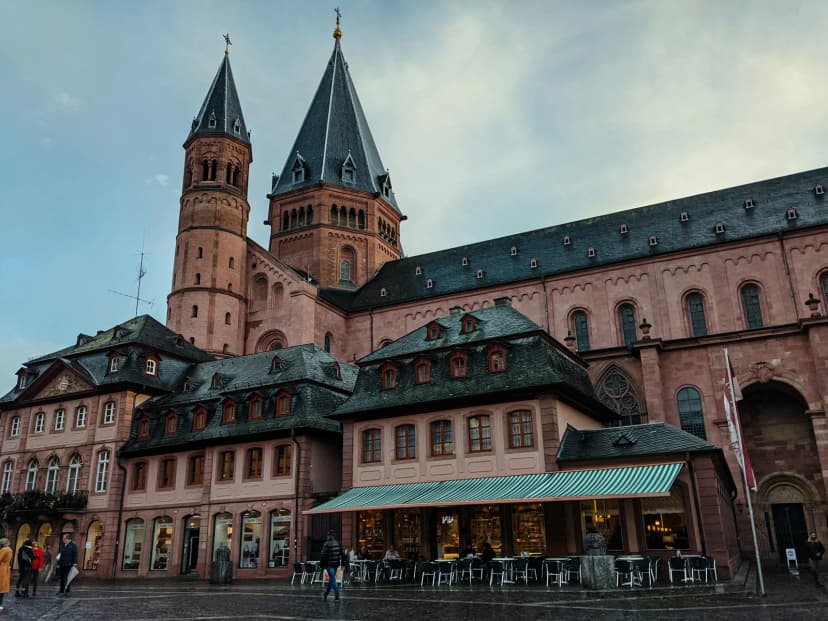
Stuttgart spreads its biggest museums across very different subjects, so a ranking is far less useful than a shortlist built around what you actually want to see. A modern art lover and a car enthusiast can both have a perfect Stuttgart day without visiting a single one of the same places. The only detail that reliably decides the winner for you is how much time you can give and which subject genuinely interests you.
Some of the city's headline museums publish their own opening patterns and renovation plans, while others appear mainly as listings on the city tourism site. That distinction matters when you plan: one set of facts comes from the operator, the other is a starting point you should confirm before travelling. Where operators have not published a detail, this guide says so instead of guessing.
Quick Comparison: Match Your Interest to a Museum
If you want seven centuries of European art in one building, the Staatsgalerie Stuttgart is the obvious anchor, and it publishes its own opening pattern. For regional history from prehistory to the present, the Landesmuseum Württemberg occupies the Altes Schloss and also confirms its own hours. The automotive pair suits anyone drawn to engineering and design, while the natural history collections split across two addresses for dinosaur and geology fans.
The city tourism site lists the Mercedes-Benz Museum, the Porsche Museum, and both Naturkunde sites as Stuttgart highlights alongside the Staatsgalerie and the Landesmuseum. Those listings confirm the museums exist, are open to visitors, and sit within the city's official sightseeing framework. They are not a substitute for each operator's own page when you want exact hours, ticket scope, or current exhibition information.
A practical first cut is to cross out anything that does not match your interest before you compare opening days. If you have half a day, one museum plus a walk beats three rushed interiors. If you have a full day, pairing an art or history museum with free public grounds nearby keeps the pace reasonable without losing substance.
Staatsgalerie Stuttgart: 700 Years of Art and a Long Renovation
The Staatsgalerie describes its collection as spanning more than 700 years of art history, which makes it the broadest single art stop in the city. It opens Tuesday, Wednesday, Friday, Saturday, and Sunday from 10 am to 5 pm, with a Thursday evening opening running to 8 pm. Public holidays can vary, so check the day you plan to travel rather than assuming the weekly pattern applies.
The museum has announced that it will be extensively modernised and renovated in the coming years, which is worth knowing before you build a full day around it. Renovation projects of this scale often change which galleries and exhibitions are reachable, so treat older descriptions of the building as unreliable. Check the renovation page close to your travel date for what is currently open.
Its presentation of the 20th and 21st century collection opened on 19 July 2024 and runs to 31 December 2027, while a classical modernism presentation in the Kunstgebäude opened on 19 February 2027 and runs to 1 January 2034. Both dates come from the museum's own listings and are the safest anchor for planning an art-focused visit.
If your priority is old masters and nineteenth-century painting, the Staatsgalerie competes with almost nothing else in Stuttgart. If you want contemporary art with a faster turnover, its multi-year presentations may feel static, and a smaller venue with rotating shows could serve you better. That trade-off is about programming style rather than quality.
Landesmuseum Württemberg: Regional History in the Altes Schloss
The Landesmuseum Württemberg sits in the Altes Schloss on Schillerplatz and covers the state's history from the Stone Age to the present across its permanent collections and special exhibitions. It opens Tuesday to Sunday from 11 am to 5 pm, while the Dürnitz culture lounge, café and shop opens from 10 am to 6 pm. The museum closes on Mondays except public holidays.
This is the better choice if you want objects, archaeology, and regional context rather than paintings, and it works well as a rainy-day plan because the collections are indoors. The Dürnitz lounge gives you a reason to stay in the building between collection floors instead of leaving for a coffee. That convenience is a real advantage on a wet afternoon.
A dated example of the museum's event programming shows how the cost picture can change. A pre-opening party for the special exhibition Zier & Zeichen was held on 16 October with free entry from 19.30, and the whole house including the café and shop closed at 5 pm that day because of the event. The opening weekend of 17 and 18 October was also free to visit between 10 and 17.
Because that event has passed, do not plan around free admission as a current offer. Check the museum's own event calendar for whatever is running during your dates, since special openings and closures are published there first. Free entry is a bonus when it happens, not something to expect on an ordinary visit.
The Automotive Pair: Porsche Museum and Mercedes-Benz Museum
The Porsche Museum and the Mercedes-Benz Museum appear on the city tourism site as Stuttgart highlights, which confirms they are part of the city's official visitor offer. Both are listed with StuttCard participation, meaning the card is relevant to automotive visits as well as to art and history. Neither listing, however, tells you what a ticket covers or how long a visit realistically takes.
Choose by brand loyalty first, because the two museums celebrate different companies and different engineering stories. Mercedes-Benz has the longer corporate history and a wider heritage collection, while Porsche appeals to anyone focused on sports cars and motorsport. If you have no strong preference, the one that matches a car you already care about will hold your attention longer.
Budget at least half a day for one of them rather than squeezing both into a single afternoon. Large automotive museums reward slow reading of labels and displays, and rushing the halls turns the visit into a photo stop. If you only have a few hours, pick one and accept that the other stays on your next-trip list.
To compare these fairly with the art and history museums, use the city listing as a pointer and then open each operator's own page for hours, ticket scope, and any timed-entry requirement. Those details change more often than collection highlights, and only the operator can confirm current conditions. Treat any secondary summary, including this one, as a starting point rather than a final answer.
Natural History: Two Sites, Not One Museum Stop
The Staatliches Museum für Naturkunde Stuttgart is not a single address. The city tourism site lists two separate entries, one at Schloss Rosenstein and one at Museum am Löwentor, both as permanent exhibitions. That means a natural history afternoon is really a decision about which site to visit, or whether to split the day between them.
The two settings also shape the experience: Rosenstein sits in a park landscape, while Löwentor is the dedicated exhibition building. If you want dinosaurs and fossils, check which site hosts those displays before you travel, because the collections are divided. Do not assume one ticket or one visit covers both locations.
This split makes the Naturkunde museums a good fit for families who want a focused two-hour stop rather than a full museum day. It also means the museum ranks lower for anyone with only one free afternoon in the city, since transit between sites eats into the time available. Confirm current opening days on the operator's own pages before committing.
Cost and Card Logic: Where the StuttCard Changes the Math
The official tourism site describes the StuttCard as a welcome ticket giving advantages at more than 50 partners for 24, 48, or 72 hours, and it lists several museums as StuttCard participants. Both the Porsche Museum and the Mercedes-Benz Museum are among the listed partners. That makes the card worth pricing out if you plan two or more participating sights in a short window.
The city tourism site also publishes starting prices for some museum entries, including entries shown from 8.00 € and from 6.00 € depending on the museum. Treat these strictly as city-listed starting points, not as operator-confirmed admission totals. Ticket scope, concessions, and what a base ticket actually includes vary by institution and need checking on each operator's page.
Do the arithmetic before buying the card: add up only the museums you will genuinely enter, not the ones you might walk past. If your plan is one large museum plus free public grounds, a card likely loses to a single ticket. If you intend to enter three or four participating sights in two days, the card becomes the more efficient option.
Never assume a card or a ticket grants entry to every museum in a complex, since shared admission is not something the sources support. Buy for the specific collection you want, and ask at the ticket desk if you are unsure what a pass covers. Free grounds and paid interiors are separate things, and mixing them up is the most common budgeting mistake.
Half Day vs. Full Day: How to Combine a Paid Interior with Free Grounds
With half a day, pick one museum and protect the time for it instead of trying to sample two. A single strong interior plus a walk through the surrounding streets or park gives you a complete experience without rushing. The Staatsgalerie or the Landesmuseum both fit this shape, since each sits in the central area.
With a full day, pair a paid interior with free outdoor time so the day does not become an endurance test. Morning in a collection when your attention is freshest, lunch, then a walk or a second short museum works better than two large museums back to back. If rain is forecast, the indoor Landesmuseum becomes the safer centerpiece.
For longer stays, spread the museums across separate days rather than concentrating them. The city tourism site itself offers itinerary suggestions for one, two, or three days, which is a useful reality check on how much is realistic. Build your museum list around those days rather than against them.
What to Verify Before You Go
The biggest uncertainty is uneven published detail. The Staatsgalerie and the Landesmuseum confirm their own opening patterns, including the Staatsgalerie's evening Thursday and the Landesmuseum's Monday closure except public holidays, but the automotive and natural history museums appear mainly as city listings here. Open each operator's own site for hours, ticket scope, and any booking requirement before you travel.
Because the Staatsgalerie is entering a multi-year renovation, gallery availability can change during your visit window and is worth checking close to your date. The Landesmuseum's dated free events show how much a single special opening can shift the cost of a day, so its event calendar is worth a look too. Neither pattern should be assumed to repeat automatically.
For any detail this guide has not confirmed, the reliable move is to check the museum's own website in the days before your visit. Accessibility arrangements, transport connections, and parking are deliberately outside the scope here because the sources reviewed do not establish them. Confirm those directly rather than relying on a general guide.
Pick the Museum That Fits Your Day, Not a Ranking
Start with the subject you already care about, then fit the museum to the hours you actually have. Art and regional history give you the best-documented opening patterns, the automotive pair rewards a half-day commitment each, and natural history needs a decision about which of the two sites you want. That order of thinking prevents an overpacked itinerary.
Check the operator's own page for hours, ticket scope, and any renovation or event changes in the week before you go, and price the StuttCard only against museums you will genuinely enter. Treat city-listed starting prices as starting points rather than final costs. With those checks done, any of Stuttgart's main museums can carry a good day on its own.
Frequently Asked Questions
Which Stuttgart museum should I visit if I only have half a day?
Choose one museum and give it your full attention rather than trying to combine two. The Staatsgalerie and the Landesmuseum both sit centrally and publish their own opening days, which makes them easy to plan around a half day. If you prefer cars, pick either the Porsche Museum or the Mercedes-Benz Museum and accept that the other belongs on a future trip. Confirm the current hours on the operator's own page, since opening patterns can vary around public holidays.
Is the Staatsgalerie or the Landesmuseum the better rainy-day choice?
Either works because both are indoor collections, but they answer different interests. The Staatsgalerie is the art option, with more than 700 years of art history and a Thursday evening opening, while the Landesmuseum covers regional history from prehistory to the present in the Altes Schloss. The Landesmuseum also has a café and lounge in the building, which is useful when you want to stay put. Its Monday closure except public holidays is worth noting when you plan.
Is the natural history museum in Stuttgart one place or two?
It is two separate sites. The city tourism listing shows one entry for Schloss Rosenstein and one for Museum am Löwentor, both as permanent exhibitions. Because the collections are divided, check which site holds the displays you want before you travel, and do not assume a single visit or a single ticket covers both. Confirm current opening days on the operator's own site, since the city listing is only a pointer.
Is the StuttCard worth it for museum entry?
The official tourism site describes the StuttCard as a welcome ticket with advantages at more than 50 partners over 24, 48, or 72 hours, and both automotive museums are listed as participants. Whether it saves you money depends on how many participating sights you will actually enter within the card's validity window. Add up only the admissions you are certain to use, then compare that total with the card price shown on the tourism site. Do not assume free entry at every museum, since the sources do not support that.
What is free to visit among Stuttgart's museums?
The sources reviewed do not establish a general free-admission rule for Stuttgart's main museums, so treat free entry as the exception rather than the default. The Landesmuseum did run a free pre-opening event on 16 October and a free opening weekend on 17 and 18 October, but those were dated offers and should not be expected to repeat. Free public grounds and paid interiors are separate, so check each operator's page for what a ticket includes.