Bremen's famous sights sit within a few minutes of each other, which makes the old town easy to cover in an afternoon and concentrates nearly everyone in the same streets. The Viertel, by contrast, begins near Sielwall and runs toward Sankt-Jürgen-Strasse and Ostertorsteinweg, so it spreads over a wider area that repays a slower walk. Bremen's own 24-hour itinerary suggests giving a half day to breakfast and browsing there, and that is a reasonable editorial suggestion rather than an official timetable.
A useful rule for everything below is to separate free public space from paid interiors. Streets, promenades, ramparts and park grounds can be walked without a ticket, while museums, exhibitions and guided visits are separate arrangements with their own admission. The wider Bremen City overview helps slot these corners into a longer trip.
What Counts as a Hidden Gem in Bremen
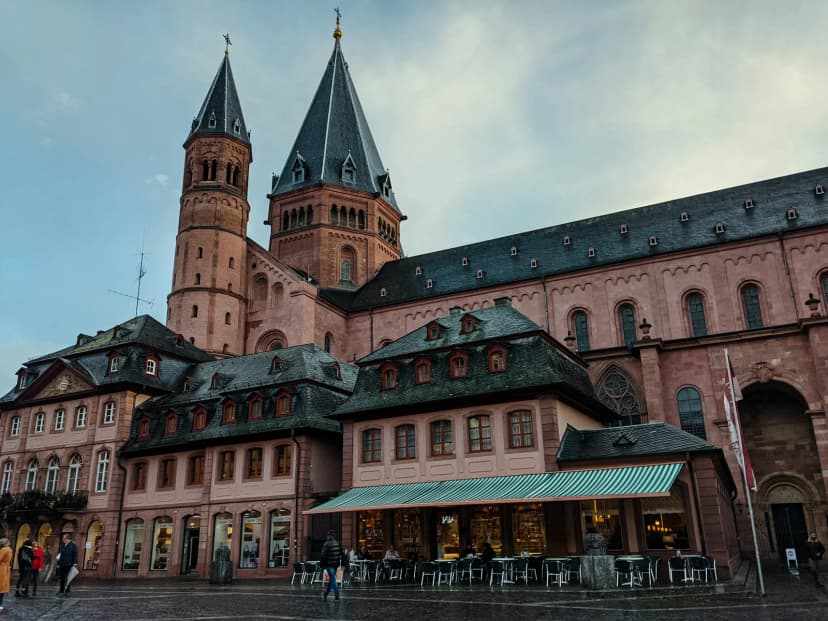
Most first-time visitors treat the market square as the whole city, because the Town Hall, the Roland statue and the cathedral stand shoulder to shoulder there. That is also why the surrounding districts stay comparatively quiet. A neighborhood like the Viertel rewards browsing rather than sightseeing, with small stores and everyday food spots along its main axis.
The practical distinction for this guide is between places you can walk through without a ticket and places with a door, a collection or a guide. Mixing the two keeps a day varied without stretching a budget, and it prevents the common disappointment of arriving at a museum entrance assuming it is part of the street around it.
The Viertel: A District Named Simply the Quarter
The Viertel is easy to overlook partly because its name only means the quarter or the neighborhood. It stretches from Sielwall toward Sankt-Jürgen-Strasse and Ostertorsteinweg, east of the center, and functions as the city's independent-minded district of small boutiques, specialty stores and grocery shops away from the big chains. Bremen's visitor pages note the Coffee Corner at Sielwall as a starting point with a view over the neighborhood, which is one reason the area suits a slow morning rather than a rushed pass-through.
Allow roughly half a day if you want to browse rather than walk straight through, and treat that as a suggested duration rather than a fixed schedule. Evening draws a livelier crowd to the same streets, so the character of a visit changes depending on when you arrive.
The Kulturmeile: Separate Institutions, Separate Tickets
Walking from Sielwall along Ostertorsteinweg toward the center, you pass what Bremen calls the Kulturmeile. It is not one attraction but a cluster of neighboring institutions: Theater Bremen, the Kunsthalle Bremen, the Gerhard-Marcks-Haus and the Wilhelm Wagenfeld Haus. Bremen's own itinerary describes them as three institutions offering access to different currents of art, and each runs its own program and admission arrangements, so a single ticket for the whole street does not exist.
The institutions differ in focus. The Gerhard-Marcks-Haus is dedicated to contemporary sculpture, while the Wilhelm Wagenfeld-Haus addresses the history of everyday culture through changing special exhibitions, and the Kunsthalle Bremen presents works spanning centuries of art history alongside temporary shows. That variety is the point, and it also means you should decide in advance which interior earns your limited hours.
Street art along the same stretch is visible from the pavement and costs nothing, which makes the walk itself worthwhile even if you skip the interiors. Pair this walk with other no-ticket stops and save the collections for a dedicated museum session; a list of free things to do in Bremen fits that approach.
Schnoor and Böttcherstraße: Details Beyond the Photo Stop
The Schnoor is Bremen's oldest quarter, a medieval cluster of small houses strung together along narrow lanes, and it sits within easy walking distance of the market square. Its scale is the surprise: the lanes are short, so a slow pass takes far less time than the name suggests. A Schnoor quarter visitor guide covers what to notice as you walk through.
Böttcherstraße is easy to miss because its entrance is a modest opening off the route from the market, yet the street opens into expressionist brick architecture designed as a total work of art by Bernhard Hoetger. Individual houses within it have their own identity, including the Paula Modersohn-Becker House with its associated museum. A Böttcherstraße visitor guide explains how the street is laid out before you arrive, which helps you spot the courtyards rather than walking past them.
The House of the Chimes is the element most people underestimate, because the glockenspiel is a scheduled moment rather than something you can walk up to and hear at will. Bremen's itinerary notes that the thirty Meissen porcelain bells ring hourly in defined windows depending on the season, so plan a flexible slot around that and confirm current times with the operator on the day. Bremen's own visitor pages are the reliable place to check before you commit a fixed hour.
Wallanlagen and the Mill: Reading the Ramparts as a Ring
The Wallanlagen follow the line of Bremen's old fortifications and work best when you think of them as a green ring around the center rather than a single sight. Walking a section reveals water, mature trees and the old defensive geometry, all without a ticket. The former mill in the ramparts is a familiar landmark on the route and a natural pause point, though it now functions as a restaurant rather than a viewing platform.
Because the ramparts wrap the city, you can use them as a route between other stops instead of treating them as a separate outing. That saves time and keeps a walking day varied. Do not expect a circular path to behave like a formal attraction with facilities at each end.
Green Bremen: Bürgerpark and the Rhododendron Park
Bürgerpark, together with the adjoining municipal forest, forms Bremen's largest area of parkland, and the city lists it as suitable for a leisurely walk as well as rowing and mini golf. It sits within reach of the center, which makes it a low-cost way to break up a sightseeing-heavy day. A Bürgerpark guide explains how the different sections connect if you want to plan a route.
The Rhododendron Park is the seasonal counterpart, with more than ten thousand plants that reach their peak in May, when the bloom is at its best, and admission to the park is free. The trade-off is obvious: outside bloom season the appeal shifts to the wider green space rather than the flowering itself, so time your visit according to what you actually want to see.
Maritime Edges and Slower Days Out
Bremen's maritime identity continues beyond the center, with the Maritime Meile at Vegesack and its old harbor offering a quieter look at the city's shipping history. It is a different kind of stop from the market square and suits travelers who have already covered the core. Decide whether that maritime angle beats another hour in the old town for your particular trip.
For excursions farther out, Bremen's tourism pages group options such as islands and beach days, cultural sites, amusement parks and larger cities. Each competes directly with time you could spend in the city itself, so pick based on your available days rather than collecting them.
Two cultural destinations stand out for art-minded visitors. Worpswede, a short drive away, was the home of Heinrich Vogeler and Paula Modersohn-Becker and still attracts artists, with several local museums covering its art history. Fischerhude, nearby, offers rural landscape, restored farms and galleries that suit a stroll rather than a checklist. Further visitor details appear in The most beautiful day trips from Bremen – Discover the highlights of northern Germany.
How to Sequence These Spots by Time Available
With half a day, stay compact: the Schnoor, the market square and a pass through Böttcherstraße fit together on foot, with a stretch of the ramparts as the walk back. This keeps transport out of the equation and leaves room for one scheduled moment such as the chimes. Anything more ambitious starts to feel rushed.
With a full day, start in the Viertel, follow the Kulturmeile toward the center, and finish along the Schlachte embankment in the evening, where a promenade stroll and riverside bars suit the end of the day. That sequence moves steadily rather than doubling back, and it mixes free public space with the option of one paid interior. It is a suggestion, not an official route, so adjust it to what is open when you visit.
With two or more days, add one excursion and one green afternoon rather than trying to cover every district and day trip. Bürgerpark fills the green slot, while islands, the sister city Bremerhaven or outer cultural sites cover the farther-flung one. Choosing one of each keeps the trip from becoming a series of transfers.
Free Grounds Versus Paid Interiors
The cleanest way to plan in Bremen is to sort every candidate stop into free public space or paid interior. Streets, promenades, ramparts and park grounds fall into the first group; museums, exhibitions and guided visits fall into the second. Building a day from mostly the first group leaves budget for one or two deliberate splurges.
Because admission and tour arrangements differ from one institution to the next, and can change with the season or exhibition, confirm details on the operator's own site before you go. That is faster and more reliable than relying on secondhand summaries, and it also tells you whether advance booking is expected. For wider planning, see Bremen City landmark visitor guides.
Plan Your Bremen Visit
Bremen's lesser-known corners work best as a complement to its famous ones, not a replacement. The Viertel, the Kulturmeile, the ramparts and the riverside together give you a version of the city that feels lived-in rather than staged. Give yourself enough hours to walk between them instead of hopping between single stops.
Sort your list into free public space and paid interiors, pick one scheduled moment to plan around, and leave one slot open for a green afternoon or a day trip. Confirm current times, admission and transport details with official sources shortly before you travel, and consult the landmark visitor guides for any named attraction you intend to enter. That combination keeps the trip flexible without wasting a day.
Frequently Asked Questions
Are Bremen's hidden gems free to visit?
It depends on the stop. Streets, promenades, the ramparts and park grounds are public space, and the Rhododendron Park is noted as free to enter. Museums, exhibitions and guided visits are separate paid arrangements, and admission is set by each institution, so check the operator's own page before you go.
How long do you need for the Viertel and the Kulturmeile?
A half day is a reasonable suggestion if you want to browse the Viertel and walk the Kulturmeile rather than dash through. The two connect naturally along Ostertorsteinweg, so you can cover them in one direction. If you plan to enter any of the museums, add time for the collection you choose.
What can you see in Bremen outside the old town center?
Beyond the market square you have the Viertel, the green ring of the Wallanlagen, Bürgerpark with its adjoining municipal forest, and the maritime edge at Vegesack. Farther out, islands and beaches, Bremerhaven, Worpswede and Fischerhude are day-trip options. Each of these competes with time in the center, so choose deliberately.
Is the Rhododendron Park worth visiting outside bloom season?
The bloom is the main draw, with more than ten thousand plants at their best in May. Outside that window you are visiting a large green space rather than a flowering spectacle, which can still be pleasant but is a different experience. Decide based on whether you want the flowers or simply an outdoor walk.
Which day trips from Bremen suit a short stay?
For a short stay, pick one destination rather than several. The Bremen area offers islands and beach days reached by ferry, Bremerhaven as a sister city with maritime attractions, and Worpswede and Fischerhude for art and rural landscape interests. Confirm current connections before you commit a full day.