
Last updated August 2026, this guide to hidden gems in Avignon is built for travelers who have already crossed the Pont d'Avignon and toured the Palais des Papes. Roman-era streets and the 14th-century papal quarter both hide quieter counterparts, including a working vineyard inside a public park and a leaning bell tower most visitors miss entirely. Three fast wins for a short visit are the Cloître des Carmes, the Clos d'Avignon vineyard, and the painted trompe l'oeil windows scattered through the Cité du Théâtre.
Why Avignon Has More Layers Than the Palais des Papes
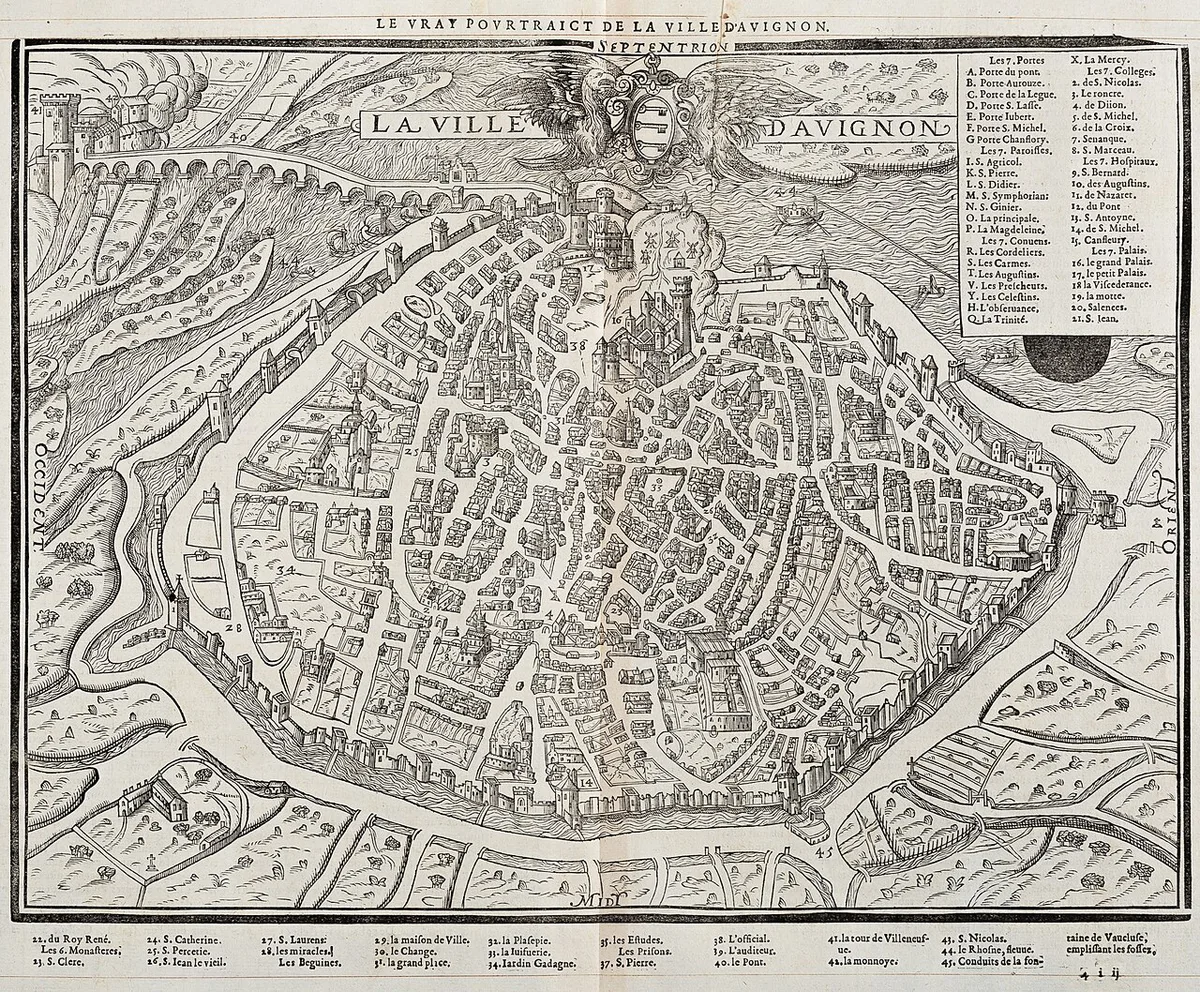
Avignon's reputation rests on two eras stacked on top of one another. Roman Avenio sat at the meeting point of the Rhône and Durance rivers centuries before the medieval popes arrived, and traces of that older city still surface at places like Place de la Mirande. Papal-era landmarks such as the Palais des Papes and the Pont d'Avignon cover the 14th-century layer well, but they skip the quieter Roman fragments, working parish churches, and courtyards that residents still use daily. This guide focuses on that second layer: cloisters, bell towers, painted facades, and a river-crossing town most first-time visitors never reach.
12 Hidden Gems in Avignon Worth Seeking Out
Each entry below covers exactly where to find it and why it earns a detour from the main sights. Several of these cost nothing to enter, so pair them with the ideas in our free Avignon activities guide if budget is a factor.

- Église Saint Symphorien and Cloître des Carmes
- On the edge of the historic center, Église Saint Symphorien began construction in 1267 and holds 17 chapels along its nave, free to enter.
- Next door, the 14th-century Cloître des Carmes was restored in the 1900s and now functions as a quiet courtyard with its own garden.
- Smaller religious sites like these sometimes reduce hours over winter in Provence, so confirm current opening days before visiting between November and March.
- Clocher des Augustins, Avignon's Leaning Tower
- Known locally as the leaning tower, the Clocher des Augustins rises over Rue de la Carreterie and is visible from several streets away.
- Built between 1372 and 1377, it is the only visible remnant of the Augustinian convent that once stood on the site.
- Most visitors walk past without looking up, so slow down as you cross Rue de la Carreterie.
- Couvent des Cordeliers
- Franciscan friars arrived in Avignon in 1226 and built their church outside the original fortified walls.
- Construction dragged on until the mid-14th century, and the building was confiscated and sold off after the French Revolution.
- What remains today is a single chapel, a weathered façade, and a crumbling bell tower.
- The Painted Trompe l'Oeil Windows
- Artists Dominique Durant and Marion Pochy painted around fifty trompe l'oeil windows onto building facades across the city.
- Each false window references a play staged at the Festival d'Avignon, including the Prince of Homburg, Hamlet, Macbeth, and Antigone.
- There is no single marked route. Walk the streets around the Cité du Théâtre slowly and check upper-floor facades, not just ground-level storefronts.
- Street Art Trail: Mifamosa Mosaics and C215 Mailboxes
- Look for tile mosaics signed Mifamosa set into walls and doorframes, rather than spray-painted murals, scattered through the old town.
- Street artist C215 painted a mailbox portrait of Jean Vilar, the theater festival's founder, onto a public mailbox.
- Avignon Tourisme publishes a street art map that plots these pieces alongside work by artists Zorm and Zago.
- Clos d'Avignon Vineyard, Rocher des Doms
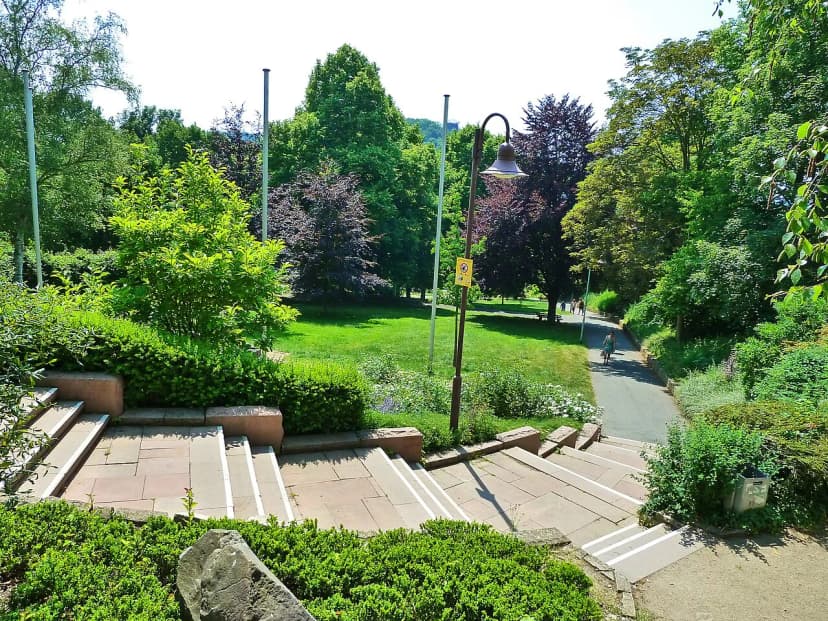
- Inside Rocher des Doms park, a working vineyard called Clos d'Avignon overlooks the Pont d'Avignon and the River Rhône.
- The rows look centuries old, but they were planted in the 1990s as a modern tribute, not a preserved historic vineyard, so treat any older-vineyard framing elsewhere with caution.
- Pair the vineyard rows with the park's benches for one of the few free hilltop views over the river.
- Chapelle Saint-Nicolas, Below the Bridge
- Most visitors know the chapel partway along the Pont d'Avignon, reachable only after paying the bridge's entry fee.
- Fewer notice the second Chapelle Saint-Nicolas, built in 1731 beside the quay directly below the bridge.
- This quayside chapel needs no ticket and is easy to miss from the riverbank path if you do not look down toward the water.
- Roman Ruins at Place de la Mirande
- Avignon began as the Roman settlement of Avenio, and Place de la Mirande holds one of the few visible traces of that era.
- On the left side of the square, facing away from the hotel, a handful of below-ground stone blocks date to the 1st century CE.
- This square also holds the Palais des Papes exit and one of the city's best-known hotel-restaurant addresses, so it pairs easily with a Palace visit.
- Unusual Stays: Houseboats and Riverside Rooms
- A moored houseboat spa, Péniche Le Makara, offers a riverside alternative to a standard hotel room.
- Cabanes des Grands Cépages and a discreetly branded Novotel property near Avignon Nord are among the other unusual accommodation options the official tourism board lists.
- These sit further from the historic center than most walled-city hotels, so weigh novelty against walking distance to the sites on this list.
- Musée Louis Vouland
- Housed in a former private mansion near the town walls, Musée Louis Vouland holds a permanent collection of 17th- and 18th-century decorative art.
- It draws a fraction of the visitors that the Musée du Petit Palais or Musée Calvet see nearby.
- Confirm current opening days before a winter visit, since smaller Provençal museums often trim hours between November and March.
- Villeneuve-lès-Avignon and Fort Saint-André
- Just across the Rhône, Villeneuve-lès-Avignon is roughly a 40-minute walk from the walled city, or a shorter bus or car ride.
- Fort Saint-André is a 14th-century fortification where you can walk the ramparts and look back across the river toward Avignon.
- The town's collegiate church and cloister add a second, quieter cluster of medieval sites, and it fits well alongside a broader day-trip guide from Avignon if you have a full day free.
- Rue des Teinturiers, the Dyers' Quarter
- Five minutes on foot from the center, Rue des Teinturiers was once home to the city's cloth dyers.
- Waterwheels that powered their workshops still turn on the River Sorgue, similar to the wheels in nearby Isle-sur-la-Sorgue.
- Small theaters line the street on summer nights, making it one of the better places to end an evening; pair it with our Avignon's after-dark guide for more evening ideas.
Mainstream Landmark vs. Hidden Gem Alternative
Several of Avignon's best-known sites have a quieter counterpart nearby that covers similar ground with fewer visitors. Use this comparison to plan a repeat visit around the city.
| Mainstream Site | Hidden Gem Alternative | What You Get Instead |
|---|---|---|
| Palais des Papes | Cloître des Carmes | A free 14th-century cloister a few streets away, usually near-empty in the morning |
| Pont d'Avignon (paid entry) | Chapelle Saint-Nicolas | A free riverside view of the same bridge structure, no ticket queue |
| Musée du Petit Palais or Musée Calvet | Musée Louis Vouland | A smaller decorative-arts collection inside a former mansion, rarely crowded |
| Rocher des Doms viewpoint | Clos d'Avignon vineyard rows | The same hilltop park, with a quieter path through the vines toward the river |
| Central shopping lanes near Rue des Marchands | Rue des Teinturiers | Medieval fabric with working waterwheels and café terraces instead of shopping crowds |
When to Visit: Heat, Festival Crowds, and Winter Hours
Summer, particularly July and August, brings intense heat to Avignon, and air conditioning is uncommon in older stone buildings. July also overlaps with the Festival d'Avignon, when streets around the Cité du Théâtre and the painted windows get busiest in the evening. Spring and fall bring milder weather and thinner crowds around sites like the Cloître des Carmes and the Clos d'Avignon vineyard. Winter is quieter still, but cold, windy, and rainy conditions are common, and smaller sites, including some cloisters and museums, often reduce their hours or close for stretches between November and March. Confirm a site's current hours before building the rest of your day around it.
Where Each Gem Sits in the City
Religious heritage sites cluster near the edges of the historic walls, away from the main tourist core around the Palais des Papes. That group includes the Église Saint Symphorien, the Cloître des Carmes, the Clocher des Augustins, and the Couvent des Cordeliers. Painted windows and the street art trail spread through the central lanes and the Cité du Théâtre district instead. Rue des Teinturiers, the old dyers' street, sits a short walk from the center with its own cluster of cafés and small theaters. Clos d'Avignon vineyard and Chapelle Saint-Nicolas sit at opposite ends of the same riverfront, one on the Rocher des Doms hill and one at the base of the Pont d'Avignon. Villeneuve-lès-Avignon and Fort Saint-André sit across the Rhône entirely, reachable on foot, by bus, or by car.
Villeneuve-lès-Avignon offers medieval sites across the Rhône, but families should verify walk logistics in the Avignon kids' guide before the trip, since a 40-minute walk remains the primary planning factor despite transit alternatives.
Getting Around: TGV Station, Centre Station, and the City Pass
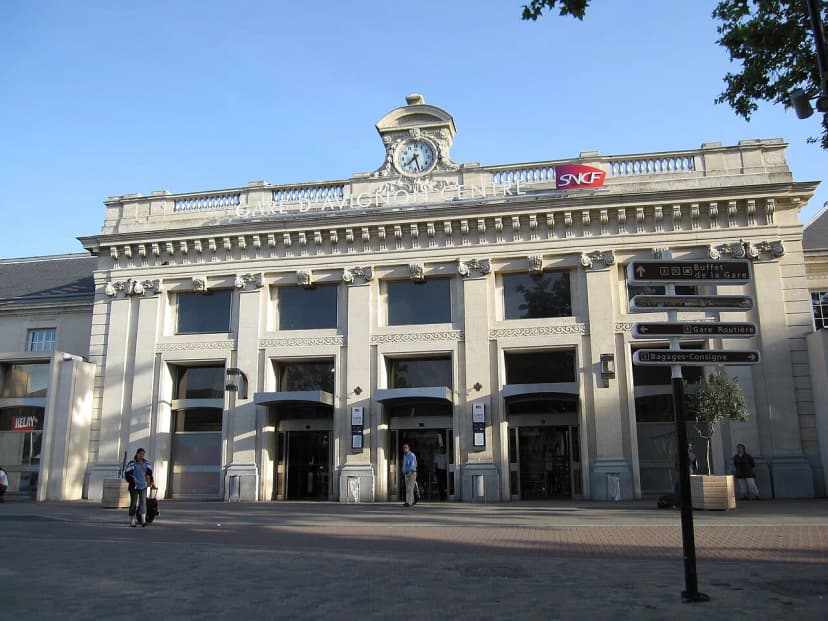
Avignon has two train stations, and mixing them up is the most common logistics mistake visitors make. Avignon TGV station handles high-speed trains from Paris and sits outside the historic center. Avignon Centre station, used by regional trains, sits just outside the ramparts within walking distance of most sites on this list. A shuttle train connects the two stations in about five minutes, but you need a ticket that covers that connection, so add it when you book your main journey. A free cable ferry also crosses from the ramparts to Ile de la Barthelasse, giving you a river-level view of the Pont d'Avignon without paying the bridge's entry fee. Avignon's City Pass comes in 24-hour and 48-hour versions and covers entry to several paid attractions. Because most of the gems on this list are free, the pass pays off mainly through discounted entry to paid mainstream sites such as the Palais des Papes and Pont d'Avignon, not through this itinerary itself. If you are building a tight schedule, work backward from your one-day Avignon itinerary and add hidden gems around whichever paid sites you have already planned to visit.
Mistakes to Avoid When Chasing Avignon's Hidden Gems
A few planning mistakes come up often enough to flag directly.
While Avignon's TGV and Centre stations are just five minutes apart by shuttle, they serve different roles: TGV handles high-speed Paris trains and sits outside the center, whereas Centre is within walking distance of most gems—verifying your ticket prevents arriving at the inconvenient station.
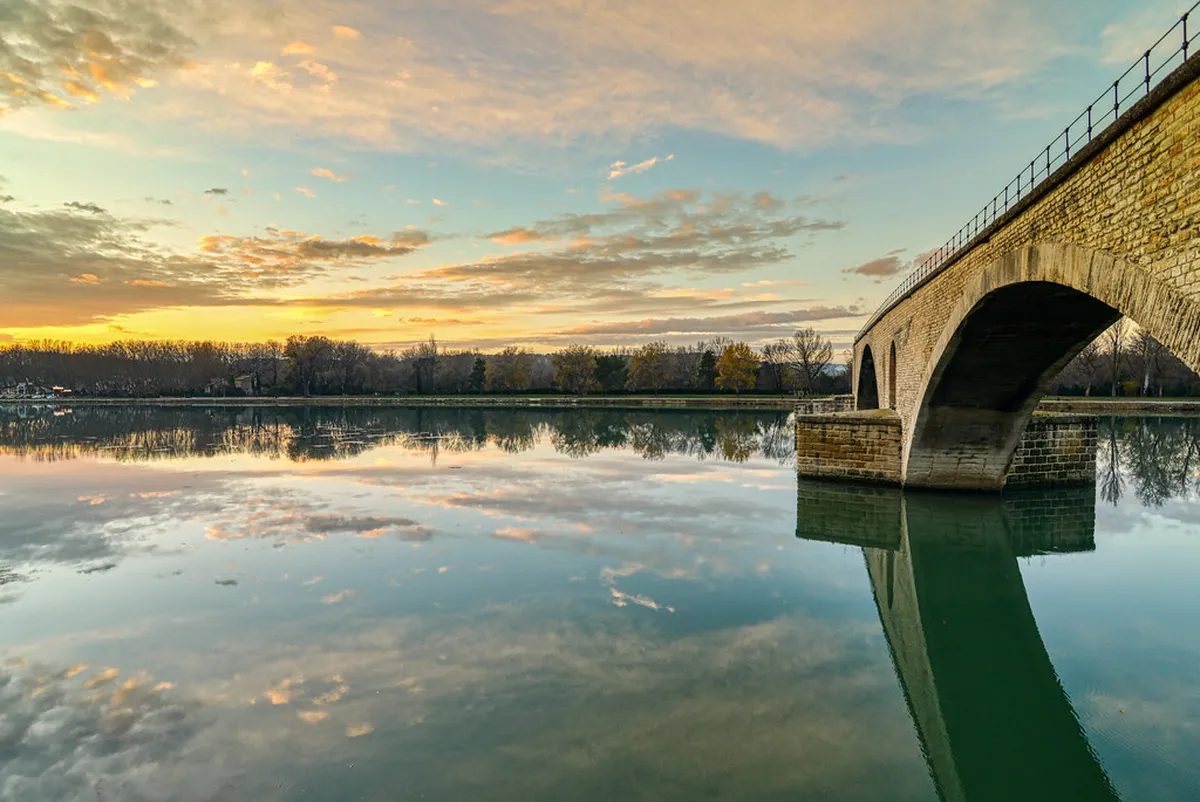
- Visiting in peak summer heat without shade breaks
- July and August bring intense heat to Avignon, and air conditioning is rare in older buildings.
- Plan cloister and church visits for morning or early evening, and save the vineyard walk for when the sun is lower.
- Confusing the two train stations
- Avignon TGV station and Avignon Centre station are five minutes apart by shuttle, not the same building.
- Check which station your ticket lists before planning how to reach the old town.
- Walking past the Clocher des Augustins without looking up
- The leaning bell tower on Rue de la Carreterie is easy to miss at street level.
- Look up as you cross the street rather than scanning storefronts.
- Assuming every gem on this list is free
- The cloister, the street art trail, and the vineyard view cost nothing to see.
- The chapel on the Pont d'Avignon itself requires paying the bridge's entry fee, even though the quayside Chapelle Saint-Nicolas does not.
- Skipping Villeneuve-lès-Avignon because it looks like a separate trip
- Villeneuve-lès-Avignon sits directly across the Rhône, about a 40-minute walk from the walled city.
- If you are traveling with children, check the family logistics in our Avignon with kids guide before committing to the walk.
Eat in the Historic Kitchens at La Mirande
La Mirande, beside the Palais des Papes on Place de l'Amirande, offers a more atmospheric meal than the cafés around the main square. Its Table Haute is served in the property’s historic kitchen spaces, where copper pans, tiled floors, and a large hearth create a deliberately intimate setting.
This is not a casual drop-in lunch stop. The meal is typically served at a shared table and follows a set format, so reserve ahead and check the scheduled service days. La Mirande also runs cookery workshops, which can suit travelers who want a hands-on alternative to another museum visit.
Pair a meal here with the nearby Roman remains at Place de la Mirande and a walk through the papal quarter. The contrast is the appeal: a polished historic hotel experience within minutes of Avignon’s busiest landmark, but away from its souvenir-lined lanes.
For trip-planning details, see Avignon travel guide - Wikivoyage.
Explore hidden gems in other cities
Frequently Asked Questions
What's the fastest way to fit Avignon's hidden gems into a short visit?
Pick two or three nearby stops, such as the Cloître des Carmes and the Clocher des Augustins. Add them around the paid sites already in your day's plan rather than trying to cover all twelve gems in one visit.
Is the Clos d'Avignon vineyard actually a historic site?
Not exactly. The vines look centuries old next to the Rocher des Doms park, but the row was planted in the 1990s as a modern tribute to Avignon's wine history rather than a preserved ancient vineyard.
How do you get from Avignon TGV station to the walled city center?
A short shuttle train connects Avignon TGV station to Avignon Centre station in about five minutes. Avignon Centre sits just outside the ramparts, a short walk from most of the gems on this list. Confirm your ticket covers the connecting shuttle before you board.
Are the Noctambules night tours still running in 2026?
Avignon Tourisme currently lists Les Noctambules night tours covering the Palais des Papes and the old town after dark. Confirm current dates and language options on the official site before booking, since seasonal tour schedules shift year to year.
Is the Avignon City Pass worth buying just for the hidden gems on this list?
Most of the sites here, including the cloister, the street art trail, and the vineyard view, cost nothing to enter. The City Pass earns its value mainly through discounted admission to paid mainstream sites like the Palais des Papes and Pont d'Avignon, not through this list.
Plan More of Your Avignon Trip
Use these focused guides to turn Avignon landmarks into a realistic city plan.
Itineraries and Day Trips
- One Day in Avignon Itinerary: A Perfect 24-Hour Guide
- Day Trips From Avignon: Routes, Trains, and Village Picks for 2026