
Last updated August 2026, this guide breaks down day trips from Avignon by how you'll actually get there: train, bus, or a rental car. Avignon's location near two train stations puts Roman ruins, Luberon hilltop villages, and Châteauneuf-du-Pape vineyards within reach of a single day. Each section below sorts a destination by transport practicality, so travelers without a car can skip the guesswork, and travelers with one can decide when driving actually pays off.
Why Avignon Works as a Hub for Day Trips
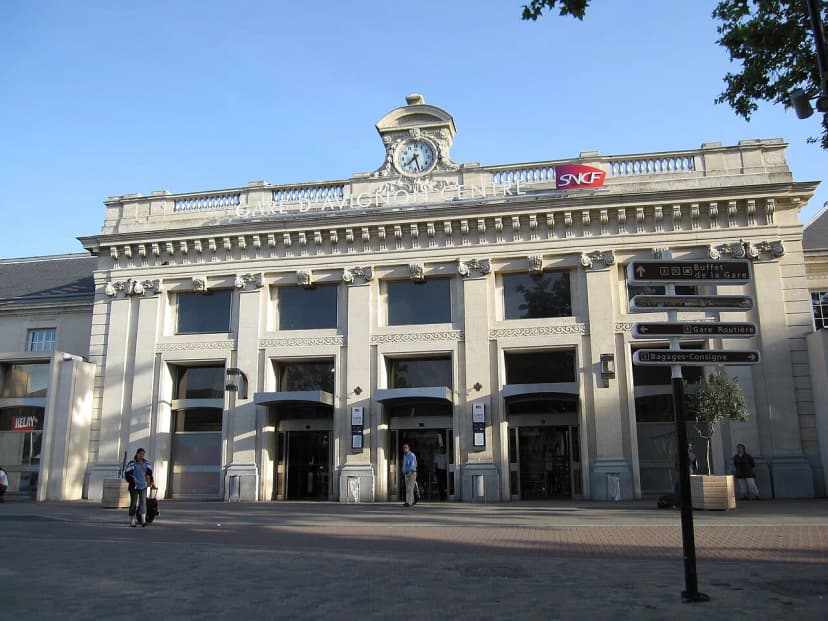
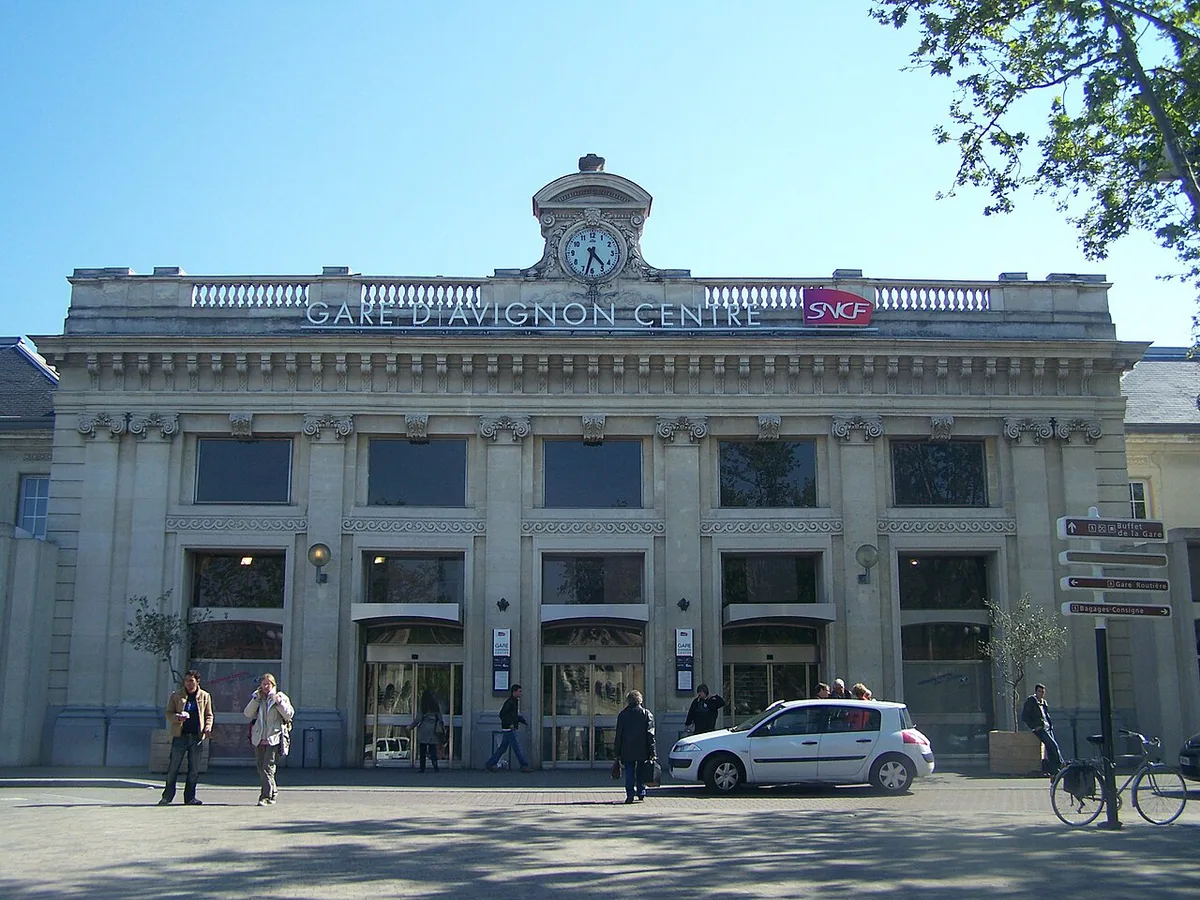
Avignon sits inside Provence's regional rail and bus network. That is why so many travelers base a Provence stay here instead of switching hotels every night. Two train stations serve the city, and confusing them causes more missed departures than any other planning mistake covered in this guide. Gare d'Avignon Centre sits inside the walled city and handles regional TER trains to Arles, Nîmes, Orange, and L'Isle-sur-la-Sorgue. Gare d'Avignon TGV sits outside the center and handles high-speed connections to Paris and Marseille, not the short regional hops in this guide. Check which station name appears on your ticket before leaving the hotel. Most of the day trips below work as standalone outings, but sequencing matters if you also want time in town. Anyone still building out the in-town side of the trip can check the one-day Avignon itinerary for a plan that leaves an early morning free for a train departure.
Quick Comparison: Which Day Trip Fits Your Travel Style
Some Provence towns sit on a direct train line. Others require a car, a tour, or a bus transfer that only runs a few times a day. This table sorts each destination by how you'd realistically reach it from Avignon this year.
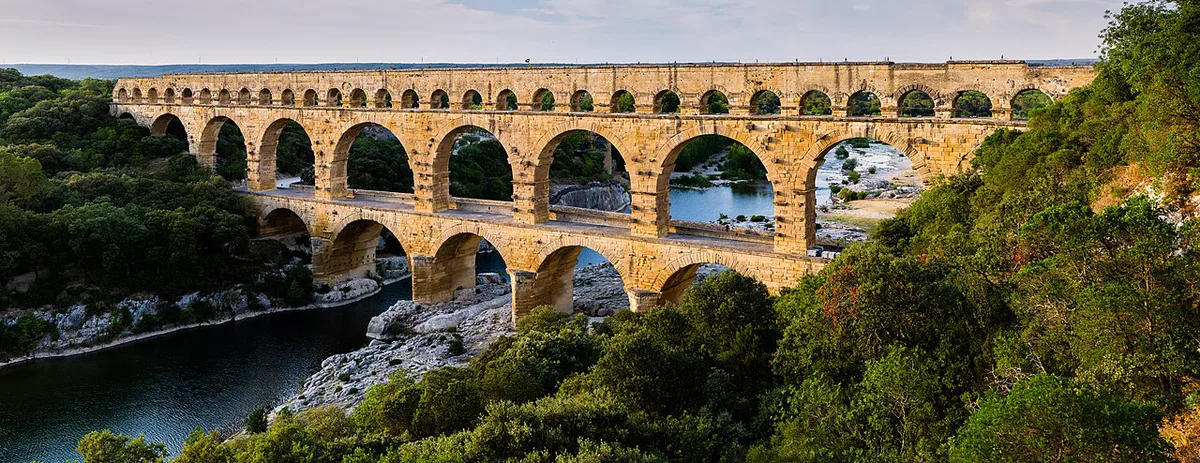
Line 706 to Pont du Gard runs less frequently than regional trains and thins further on Sundays, so a car delivers more flexibility at this destination than at other car-free options.
| Destination | How to Get There | Relative Travel Time | Best For |
|---|---|---|---|
| Arles | Direct TER train | Short | Roman arena, Van Gogh sites |
| Nîmes | Direct TER train | Short | Roman arena, Maison Carrée |
| Orange | Direct TER train | Short to medium | Roman theatre |
| Pont du Gard | ZOU! bus line 706 | Medium, less frequent | Roman aqueduct, riverside time |
| L'Isle-sur-la-Sorgue | Direct TER train | Short | Antiques market, canal town |
| Châteauneuf-du-Pape | Limited bus; car or tour recommended | Medium | Wine tasting |
| Gordes and Roussillon | Car or guided tour | Long | Hilltop villages, ochre cliffs |
| Saint-Rémy-de-Provence and Les Baux | Bus, car, or guided tour | Medium to long | Carrières des Lumières, ancient sites |
Pont du Gard, Nîmes, and L'Isle-sur-la-Sorgue Compared
These three destinations get compared often because each is reachable without a rental car, yet each rewards a different kind of day. Nîmes has the most frequent direct trains of the three, which makes it the easiest to slot in on short notice. Pont du Gard depends on ZOU! bus line 706, which runs on a lighter schedule. A guided tour becomes the reliable backup when bus timing doesn't line up with your plans. L'Isle-sur-la-Sorgue sits on its own direct TER line and adds antiques markets and canal-side walking without any transfer.
| Comparison | Nîmes | Pont du Gard | L'Isle-sur-la-Sorgue |
|---|---|---|---|
| Getting there | Direct TER train | ZOU! bus line 706 | Direct TER train |
| Car needed? | No | No, but a car adds flexibility | No |
| Travel time | Short, direct | Longer, tied to bus timing | Short, direct |
| Best season | Any season | Summer, for riverside time | Any season |
| Signature experience | Roman arena and Maison Carrée | Roman aqueduct and river time | Antiques market and canals |
- Nîmes rewards a car the least, since the direct train already goes straight there.
- Pont du Gard rewards a car the most, because arriving early or staying past sunset avoids the bus schedule entirely.
Roman Heritage Beyond Nîmes: Arles and Orange
Arles adds a second Roman arena to the list, along with the town's Van Gogh connections around its old quarter. A direct TER train covers the route, so this pairs easily with an early departure from Gare d'Avignon Centre. Orange centers on its Roman theatre and also sits on a direct regional line, which makes it one of the simplest add-ons on this list. Arles and Nîmes cover similar Roman-engineering ground, so most travelers pick one rather than fitting both into a single week. Families with younger kids often find the open-air arenas at Arles and Nîmes easier to manage than an indoor museum day, since there's room to move around outside. Pont du Gard's riverside paths give that same open-air room, which is why it's often the top pick for a family day trip. Travelers planning a family-focused stay can check the Avignon With Kids: A 2026 Family Guide guide for how this fits around the rest of a family itinerary.
The Luberon Villages: Gordes, Roussillon, and Why a Car Helps
Gordes and Roussillon deliver the hilltop-village and red-ochre-cliff scenery most people picture when they imagine Provence. Neither village sits on a useful train or bus line from Avignon, which is the main trade-off of this leg of the trip. Renting a car or booking a small-group tour covers the gap. Both options work. The right choice depends on whether you want to set your own schedule or let someone else handle parking and navigation. Tours through this region can fill up during peak season. Travelers on forums have flagged tours selling out two to four weeks ahead during June through August. Booking a Luberon car or tour as soon as your Avignon dates are fixed avoids scrambling for a backup plan once you're already in town. If a tour is fully booked, a rental car remains the fallback, since neither village has a workable public-transport route.
Saint-Rémy-de-Provence and Les Baux-de-Provence: Art and Ancient Landscapes
Saint-Rémy-de-Provence pairs its market town center with the nearby asylum grounds tied to Van Gogh's history. Les Baux-de-Provence adds a hilltop fortress village and the Carrières des Lumières light-and-sound art space carved into old limestone quarries. Both sit in the Alpilles hills, and neither has a direct train from Avignon. A car or a guided tour covers this pairing the same way it covers the Luberon villages. Because the two towns sit close together, they combine into a single day more easily than most other pairings on this list. Travelers without a car can look for a tour that bundles both stops, since booking each village separately from Avignon by public transport isn't practical.
Châteauneuf-du-Pape: Wine Tasting Without Overcomplicating Logistics
Châteauneuf-du-Pape centers on its tasting rooms, many within walking distance of each other in the village core. Public bus service from Avignon is limited, so most visitors either rent a car or book a vineyard tour that includes tastings and transport. A rental car gives you the freedom to choose which cellars to visit and how long to stay at each one. A guided tour solves the designated-driver problem, since tasting several stops in one afternoon isn't compatible with driving yourself. Whichever option you pick, confirm tasting-room hours before you go, since small producers often keep shorter or appointment-only hours compared to the larger houses.
Getting Around: Trains, Buses, Driving, and Booking Tours Early
Regional TER trains cover Arles, Nîmes, Orange, and L'Isle-sur-la-Sorgue directly from Gare d'Avignon Centre. Check current timetables on SNCF Connect before you go, since schedules shift by season and by day of the week. The ZOU! regional bus network fills in routes trains don't reach, including line 706 toward Pont du Gard. Bus schedules thin out on Sundays across the region, so a Sunday day trip needs extra timetable-checking or a backup plan. Driving into Avignon's center means navigating the ring road and finding parking outside the walls, since much of the historic core is pedestrianized or restricted. Parking des Italiens, just outside the ramparts, is a common choice for day-trip drivers who want to skip hunting for space inside the walls. Guided tours for the Luberon, Les Baux, and Châteauneuf-du-Pape routes are worth booking as soon as your dates are set, particularly from June through August, when the sold-out risk is highest.
- Train (TER): direct service to Arles, Nîmes, Orange, and L'Isle-sur-la-Sorgue from Gare d'Avignon Centre. Check SNCF Connect for current timetables.
- Bus (ZOU! network): covers Pont du Gard via line 706 and other routes trains skip. Service thins out on Sundays.
- Driving: park outside the ramparts, such as at Parking des Italiens, rather than inside the historic core.
- Guided tours: book Luberon, Les Baux, and Châteauneuf-du-Pape routes early, especially June through August.
Costs, Passes, and Seasonal Timing
A day trip by direct TER train is generally the cheapest way to reach Arles, Nîmes, Orange, or L'Isle-sur-la-Sorgue. You're paying for one regional rail ticket rather than a car rental, fuel, and parking. A guided tour costs more than public transport but bundles transport, entry, and commentary into one price, which is why it remains the practical choice for the Luberon villages and Châteauneuf-du-Pape. Check SNCF Connect and the ZOU! network's official channels for current fares before you travel, since regional pricing changes between seasons. Regional passes that bundle several sites, such as the Provence Pass, appear periodically. Confirm current availability and coverage before counting on one for your itinerary. Two seasonal factors are worth planning around. Lavender fields around the Luberon typically peak during the summer months, which is also when tours sell out fastest. Mistral winds can pick up at various points through the year and affect outdoor plans like Pont du Gard's riverside area. Check the forecast the morning of an outdoor-heavy day trip. Travelers keeping the budget side of the Avignon stay itself in check can also look at the Free Things to Do in Avignon: A 2026 Budget Guide guide to offset the cost of tour days.
Common Mistakes to Avoid When Planning Day Trips From Avignon
A few planning mistakes come up often enough to call out directly.
- Relying on a Sunday bus schedule: regional bus service drops significantly on Sundays, so double-check ZOU! timetables before building a Sunday trip around a bus-only destination.
- Combining the Luberon and Arles in one day: the two sit in different directions from Avignon, and cramming both into one day usually means rushing both.
- Boarding at the wrong station: confirm whether your ticket departs from Gare d'Avignon Centre or Gare d'Avignon TGV, since they serve different routes.
- Skipping ticket validation: regional TER tickets generally need validating before boarding, and an unvalidated ticket can turn into an on-the-spot fine.
Planning the Rest of Your Avignon Stay
Day trips work best when they're balanced against time in Avignon itself. Save at least one evening in town for a slower pace after a full day on trains or in a car. Travelers looking for a quieter add-on to the well-known sights can check the 12 Hidden Gems in Avignon: Secret Spots & Unusual Things to Do guide for a spot worth returning to after a day trip. Coming back from Châteauneuf-du-Pape, Pont du Gard, or the Luberon in the early evening leaves enough time for dinner and a walk before the day ends. The Avignon at night guide covers where to head once you're back in town.
A typical 3- to 5-day stay accommodates 2–3 day trips, but tours to the Luberon and Châteauneuf-du-Pape sell out as much as four weeks ahead in peak season, making immediate booking essential to preserve your available days.
Frequently Asked Questions
Which day trips from Avignon don't require a car?
Arles, Nîmes, Orange, and L'Isle-sur-la-Sorgue all sit on direct TER train lines from Gare d'Avignon Centre. Pont du Gard is reachable by ZOU! bus line 706, though service runs less often than the trains.
How far in advance should you book Luberon or Châteauneuf-du-Pape tours?
Book as soon as your Avignon dates are confirmed. Tours for these routes have reportedly sold out two to four weeks ahead during the June-through-August peak season.
What's the difference between Gare d'Avignon Centre and Gare d'Avignon TGV?
Gare d'Avignon Centre sits inside the walled city and handles regional TER trains to nearby towns. Gare d'Avignon TGV sits outside the center and handles high-speed connections to cities like Paris and Marseille. Confirm which station your ticket lists before you leave.
Can you visit Pont du Gard without renting a car?
Yes. ZOU! bus line 706 connects Avignon to Pont du Gard, though the schedule is lighter than the regional trains. A car adds flexibility for arriving early or staying through sunset.
How many day trips fit into a typical Avignon stay?
Most independent travelers base a 3- to 5-day Avignon stay and fit in two or three day trips, leaving the remaining time for Avignon itself.
What's the best season to plan day trips from Avignon?
Late spring and early summer bring lavender bloom in the Luberon foothills and long daylight hours for train connections. That same window is when Luberon and Châteauneuf-du-Pape tours sell out fastest. Shoulder-season months bring lighter crowds and easier tour availability, though mistral winds can pick up at any time of year.