
Last updated August 2026: Bruges with kids works best when you plan around cobblestones, nap schedules, and the Belfry's 70-person entry limit. This guide sequences canal rides, chocolate workshops, and windmill walks by age group, with practical cash amounts and step counts included. Use it to build a day plan that fits toddlers, school-age children, or a mixed-age family group.
Bruges With Kids: Is the Cobblestone City Worth It?
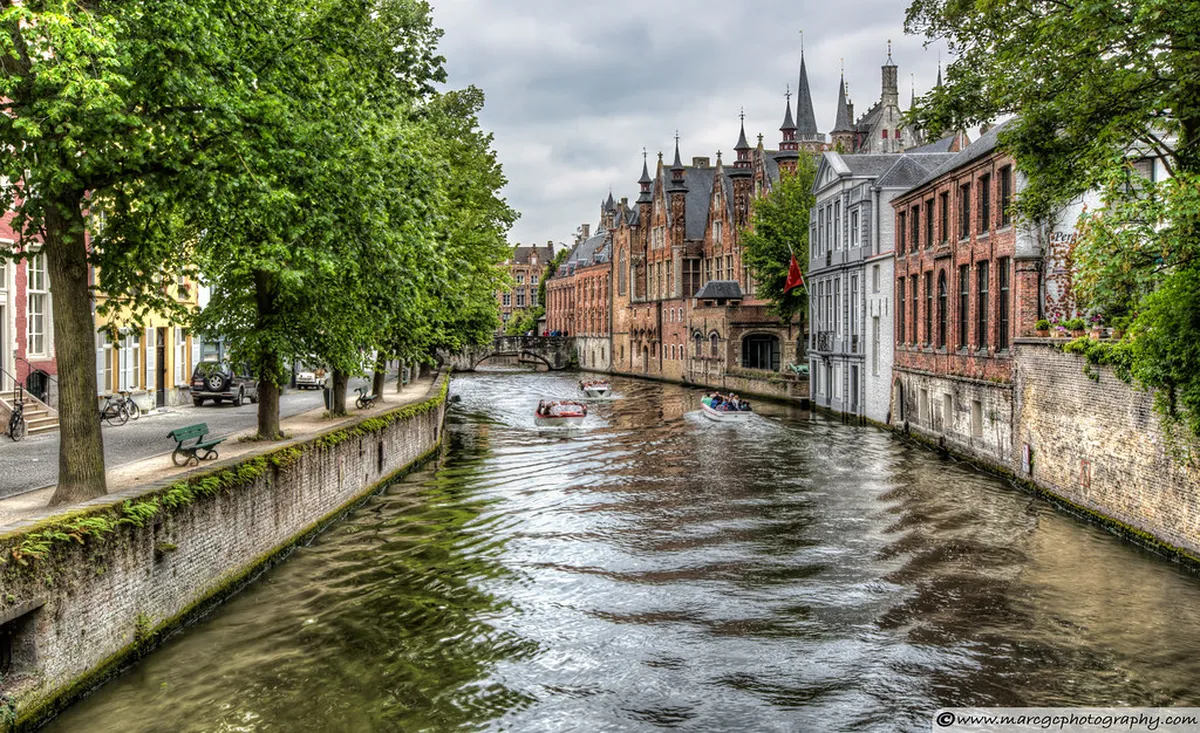
Bruges packs a compact medieval core where the Markt, Burg, and Minnewater are all reachable on foot. Some travel bloggers compare the city's scale and slow pace to "the Nantucket of Europe," a nod to how walkable and how crowded the center gets at once. Toddlers manage well because distances between sights stay short, but cobblestones make stroller pushing hard work over a full day. School-age children tend to get more out of Bruges than younger kids do: they can climb the Belfry's 366 steps, follow a chocolate-tasting tour, and sit through a 30-minute canal ride without restlessness. Expect narrow sidewalks shared with cyclists, shops closed on Sundays, and lines at popular sights after mid-morning.
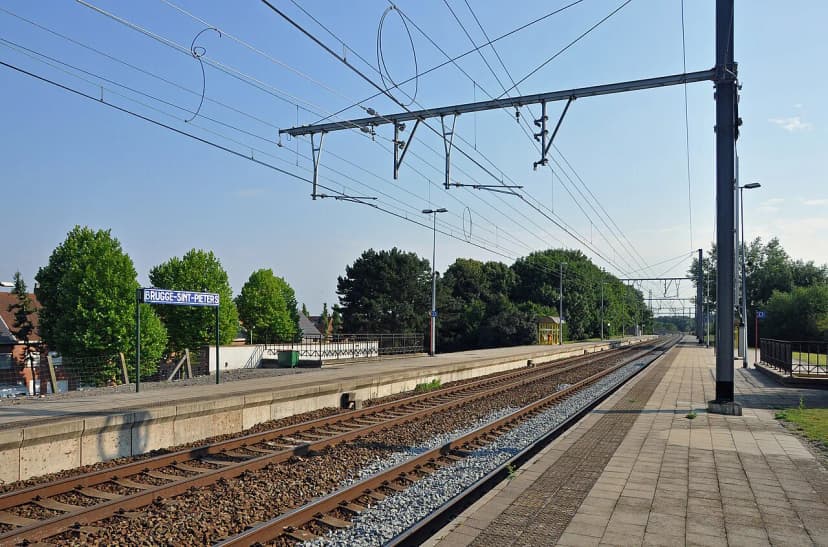
The 15-minute walk from the train station with strollers and luggage is slow and bumpy, so families should prioritize booking accommodation near the Markt—this allows rest breaks during the sightseeing day without enduring a second exhausting trek over cobblestones.
Canal Boats, the Belfry, and Horse Carriages
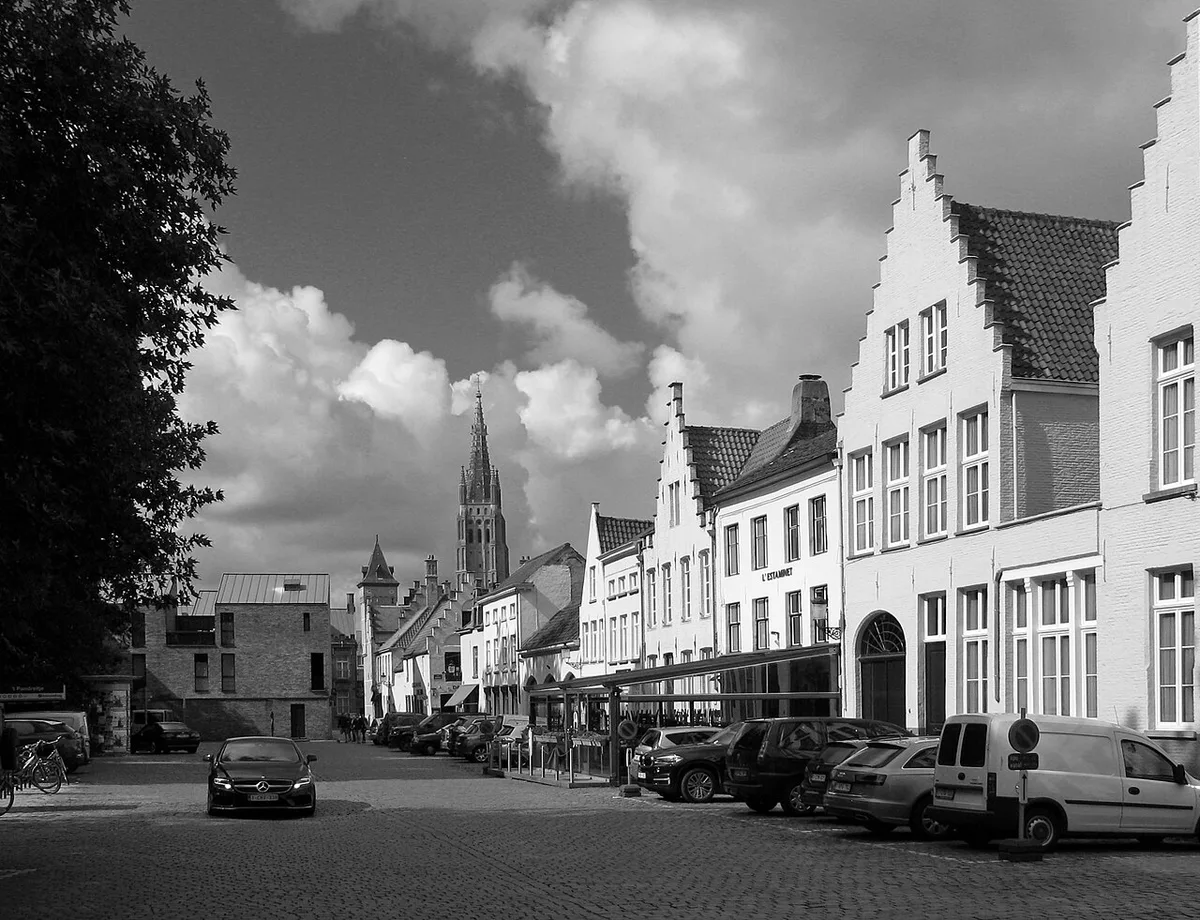
Four experiences anchor most family visits to central Bruges: a canal boat ride, the Belfry climb, the Historium's time-travel exhibit, and a horse-drawn carriage loop. Each pairs well with a short rest stop, since none run much longer than an hour. If littler legs cannot manage the stairs, the Belfry's 47-bell carillon still performs on Wednesdays, Saturdays, and Sundays from 11 a.m. to noon, audible from the Markt below. Check the official Musea Brugge site for current ticket prices before booking. Its 72-hour Musea Brugge card bundles the Belfry with eleven other museums and monuments, including the Folklore Museum and the Sint-Janshuismolen windmill, in one combined price.
Since Bruges weather can turn wet suddenly, families should book Belfry or Historium tickets with reserve-now-pay-later options—and knowing that rainy-day backup De Toverplaneet costs just €11 per child aged 2 to 15 makes contingencies affordable when plans need adjusting.
- Canal boat tour: about 30 minutes, boats seat up to 40 people, and you duck under some of the lowest bridges. Lines build fast in summer, so ride before midday.
- Belfry climb: 366 steps to the top, with a rest stop at the Treasury Room partway up. The tower caps entry at 70 people at a time, so go first thing when it opens.
- Historium: a seven-room walk through one day in 1435 Bruges, with an optional VR upgrade recommended for ages 6 and up.
- Horse-drawn carriage: about 30 minutes from the Markt, priced around €50-60, cash only. Most routes pause at Minnewater or the windmills so the horses can rest.
Interactive Museums: Chocolate, Fries, and Folklore
Three museums built around taste and touch keep restless kids engaged longer than a typical gallery visit. Choco-Story's hands-on chocolate workshops are recommended for children aged 7 and up, while the tasting and demonstration areas suit any age.
- Choco-Story: a three-part tour covering roughly 4,000 years of chocolate history, a kids' audio guide, and a live pralines demonstration with tasting at the end.
- Frietmuseum: billed as the world's only museum dedicated to French fries, with a fry-cone slide between floors and a working fry shop in the basement for lunch afterward.
- Folklore Museum (Volkskundemuseum): reconstructed 17th-century rooms include a classroom, cobbler's workshop, pharmacy, and confectionery inside a row of former almshouses. A spekkenbakker traditionally demonstrates sweet-making on the first and third Thursday of the month; confirm the current schedule before planning around it.
Parks, Windmills, and Bike Rides for Burning Off Energy
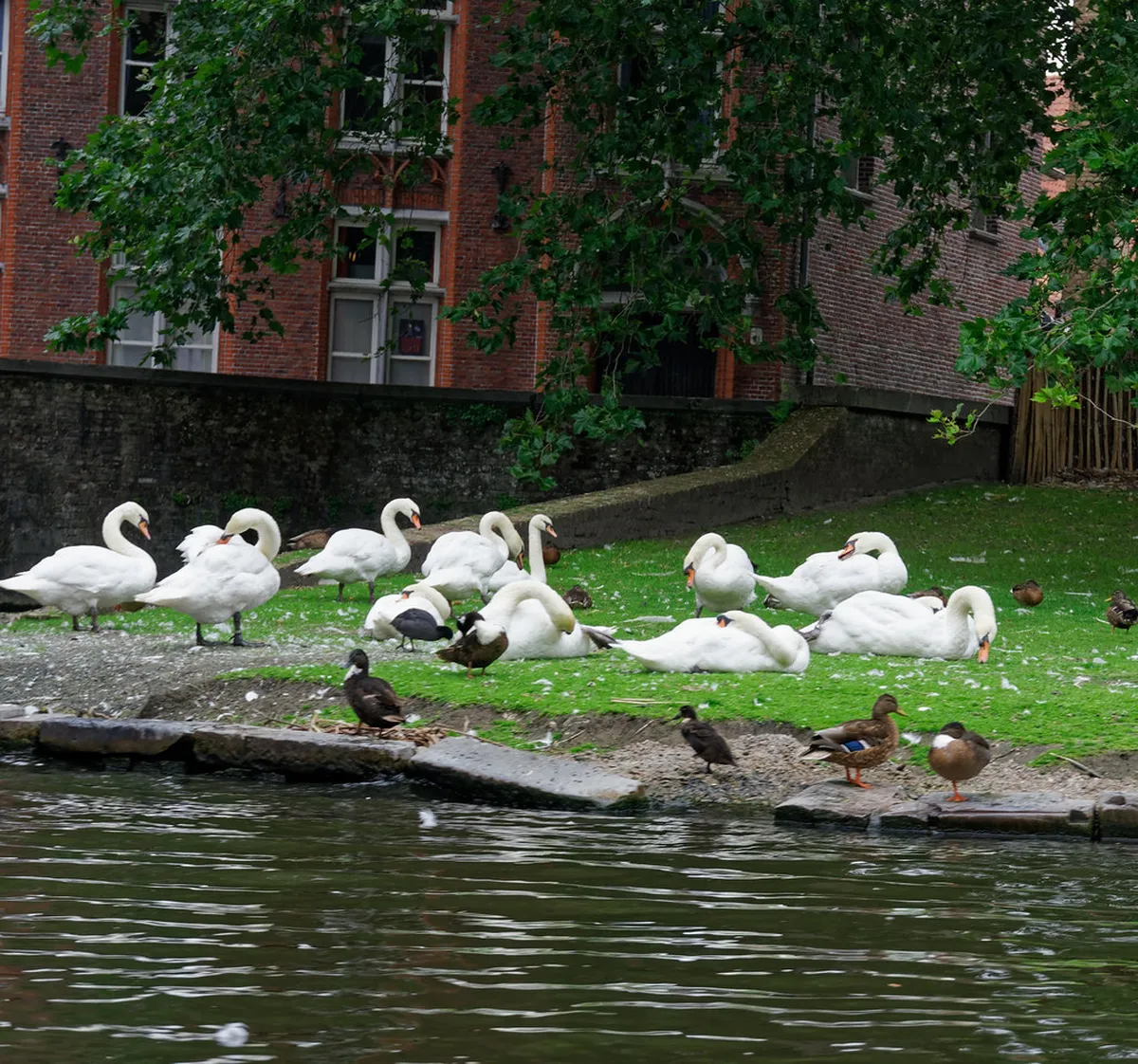
Koningin Astridpark sits close to the center and combines a duck pond, fountain, and playground with plenty of benches for a packed lunch. Minnewater Park, just south of the old town, pairs a playground with the Lovers Bridge legend that couples who cross together share eternal love, and swans work the lake year-round. Baron Ruzette Park offers a quieter stop than the Markt, with a public barbecue area and a large playground. See the quieter courtyards and parks guide for more low-crowd options. Four windmills remain of the roughly 25 that once lined the city's ramparts, and Sint-Janshuismolen is the only one still grinding grain and open for kids to watch the mechanism work. Walking between all four along the canal path takes about 10 to 15 minutes. Families building a longer stay around parks and windmills can check the no-cost parks and windmills guide for more budget-friendly stops. Bike shops around the center rent tandems and kid seats for younger riders unable to pedal alone. Tandem rentals have been priced around €15 for two hours in past traveler reports, though you should confirm current rates locally. Four hours is usually enough time to cover the windmill path with stops for photos. A full-day rental makes more sense only if you plan to keep riding toward the coast afterward. Ostend and Knokke are common day-trip targets by bike or train. Check the day trips toward the coast guide for train and drive times.
Getting to Bruges and Getting Around With Kids
Most international routes to Bruges connect through Brussels. Eurostar and Thalys services arrive into Brussels Midi, where you transfer to a domestic train bound for Bruges. Domestic trains to Bruges leave Brussels Midi roughly every 30 minutes, and the ride takes about 45 minutes to under an hour. Confirm the current Any Belgian Station add-on when booking a Eurostar or Thalys ticket, since it can cover the final domestic leg to Bruges at no extra fare. Bruges' own train station sits about a 15-minute walk from the historic center. Cobblestones, narrow sidewalks, and shared bike lanes make that walk slow and bumpy with a stroller and luggage. Take a taxi or bus to the hotel instead, then explore the center on foot once you're settled. A lightweight umbrella stroller struggles less on the Markt's uneven stones than a full-size stroller does, and a soft carrier works better still for children under two. Reserve the stroller for flatter side streets and use a carrier for the main square and covered arcades.
Where to Eat and Stay With Kids
Arthies serves Belgian staples such as croquettes, stew, and roast chicken in large portions, useful for kids with big appetites and picky eaters alike. For a faster stop, Frietkot De Markt on the Markt serves fries without a restaurant wait, ideal between sightseeing blocks. Waffle stands line most streets in the center, so budget one stop regardless of which vendor you pick. Hotel Castillion, a small family-run property near the center, has offered a duplex family room with a king bed and bath upstairs and twin beds with a second bath downstairs; confirm current room configurations when booking. Martin's Relais, a four-star property spanning five 14th-century townhouses a few blocks from the Markt, centers on a courtyard garden where kids can decompress between sightseeing blocks. Both put you within easy walking distance of the Markt, useful for returning to the room for naps without a long trek over cobblestones. Families staying overnight can check the quiet evening stroll ideas guide for a calm finish to the day. The center empties out noticeably once day-trip crowds leave in late afternoon.
Rainy-Day Bruges: Indoor Options for Kids
Belgian weather turns wet without much warning, and the historic center offers few covered spaces for young kids to run. De Toverplaneet, a space-themed indoor playground outside the center, packs in a climbing wall, ball pool, tunnels, and a bouncy castle just over 1,000 square feet. Entry costs €11 per child aged 2 to 15, and children under 2 and accompanying adults enter free. During the school term, De Toverplaneet opens Wednesday afternoons and weekends only. During school holidays, it opens daily. Confirm the current schedule before visiting, since term dates shift from year to year. Inside the center, the Historium's VR upgrade turns a rainy afternoon into an indoor activity for kids aged 6 and up, built onto the same seven-room walk through 1435 Bruges covered earlier in this guide.
Family Activity Costs, Duration, and Age Fit at a Glance
Use this table to sequence a day around energy levels and nap times, then adjust for weather and crowds once you're on the ground. Exact current prices for the Belfry, Historium, and Choco-Story should be checked on the Musea Brugge site, but nearby Gruuthuse Museum's pricing pattern is a useful benchmark: €14 for adults, €12 for ages 12 to 25, and free for children under 12. Families working with a single day should prioritize two or three anchors from the table below; the one-day Bruges route guide sequences a shorter visit for a tight schedule.
| Activity | Duration | Cost | Best Age Fit |
|---|---|---|---|
| Canal boat tour | ~30 minutes | Check current price locally | All ages |
| Belfry climb | 30-45 minutes | Bundled in the 72-hour Musea Brugge card | School-age and up (366 steps) |
| Historium with VR | ~1 hour | Check Musea Brugge site | 6+ for the VR upgrade |
| Horse-drawn carriage | ~30 minutes | €50-60, cash only | All ages |
| Choco-Story | ~1 hour | Check Musea Brugge site | All ages; workshops for 7+ |
| Frietmuseum | 45-60 minutes | Check current price | All ages |
| De Toverplaneet (rainy day) | Flexible | €11 per child ages 2-15; under 2 free | Toddlers to about age 10 |
Common Mistakes Families Make in Bruges
Arriving at the Belfry after mid-morning means joining a line shaped by the tower's 70-person cap. Visit first thing when it opens instead. Carry cash for the horse-drawn carriages, which take no cards, and keep a stash of coins for waffle stands and small souvenir stalls too. Packing light matters on the Paris-Bruges route, since the journey involves a transfer at Brussels Midi and a walk between platforms with strollers and bags in tow. Skip Sunday for shopping and market errands, since many stores across the center close for the day. Book Belfry, Historium, or Choco-Story tickets with a reserve-now-pay-later option where offered, so a change in weather or nap schedule doesn't cost a nonrefundable slot.
Frequently Asked Questions
Is Bruges better for toddlers or school-age kids?
Toddlers manage the short distances between sights well, but cobblestones make a full day of stroller pushing tiring. School-age kids get more out of Bruges, since they can climb the Belfry's 366 steps, follow a canal tour, and handle a chocolate-tasting museum without restlessness.
How many days do you need in Bruges with kids?
Three to four days lets a family cover the Belfry, canal boats, chocolate and fry museums, at least one park, and a day trip toward the coast without rushing. A single day trip works too, if you keep the list to two or three anchor activities.
What is the best way to get from Brussels to Bruges with kids?
Take the train. Domestic services connect Brussels Midi to Bruges roughly every 30 minutes, with a ride time of about 45 minutes to under an hour. From Bruges station, take a taxi or bus into the center rather than walking with strollers and luggage over cobblestones.
Is Bruges stroller-friendly?
Partly. Main routes and parks work fine with a lightweight stroller, but the Markt's cobblestones and narrow side-street sidewalks are rough going. A soft carrier is easier for children under two, especially on the uneven stretches near the Burg and the Beguinage.
What should families do on a rainy day in Bruges?
De Toverplaneet, an indoor playground with a climbing wall and ball pool, charges €11 per child aged 2 to 15, with children under 2 admitted free. The Historium's VR upgrade, recommended for ages 6 and up, also works well as an indoor rainy-day activity.