
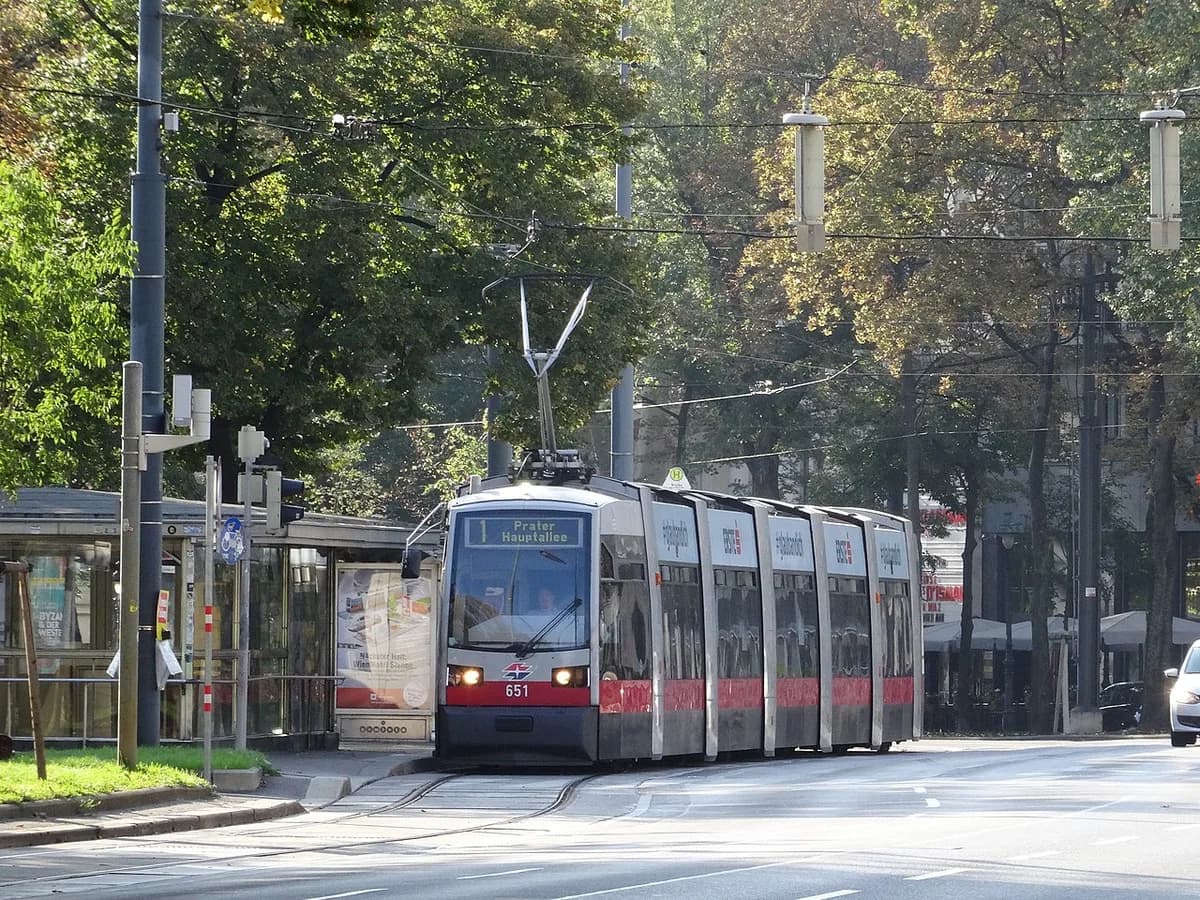
Yes, but only for travelers who plan to see four or more paid attractions in a single day. Budget-conscious visitors who prefer two or three unhurried sights should skip it and buy individual tickets instead. The Vienna Pass bundles entry to more than 60 attractions, including Schonbrunn Palace and the Belvedere, into one prepaid card.
Vienna Pass prices for 2026 span roughly €85 for a single day to around €200 for six days. Most included sights keep standard hours of about 9am to 6pm, with last entry roughly an hour before closing. Always confirm current prices and hours on the official Vienna Pass site, since operators adjust them each season.
This guide breaks down real 2026 pricing, honest pros and cons, and the trade-offs competitors gloss over. For the complete rundown of what's covered, see the full Vienna attractions guide before you decide. Updated June 2026 with the current attraction list and pass pricing.
What Is the Vienna Pass and How Does It Work?
The Vienna Pass is a prepaid sightseeing card covering entry to more than 60 attractions across the city. It includes major sights like Schonbrunn Palace, the Belvedere, and Vienna State Opera guided tours. A hop-on-hop-off bus ticket and skip-the-line access at several busy sites come bundled in as well.
Card options run from 1-day to 6-day, plus a Flex version that spreads your chosen days across a longer window. Each option is a fixed price rather than pay-per-sight, so the math depends entirely on how much you pack in. Museum-focused travelers should cross-check the best museums in Vienna list, since not every gallery is included.
Redemption happens through a mobile app or a physical card mailed before your trip. At each attraction, staff scan a QR code or swipe the card at a dedicated pass entrance. That lane usually moves faster than the general ticket line, though it still backs up at Schonbrunn by late morning.
Reserve time slots for Schonbrunn and the Belvedere as soon as your travel dates are confirmed. Skip-the-line lanes still fill up during peak hours (9am–noon in summer), so arriving right at opening gives you the best chance of moving through quickly.
Vienna Pass Pros and Cons
The pass earns strong reviews for convenience, but it is not automatically the cheapest option for every itinerary. Below is a balanced list built from ticket prices at individual sites compared with the bundled pass rate. Skim it before committing your travel budget to one card.
Schonbrunn Palace delivers the single biggest saving, since its Grand Tour ticket costs nearly as much as a 1-day pass. Skip-the-line access saves real time too, especially in July and August when queues stretch past an hour. Value drops fast if your days are slower-paced, since unused entries do not roll over or refund.
The card cannot be used for restaurants, shopping, or the Vienna Card's transit pass, which is a separate product. Some smaller sites cap daily pass-holder entries, so popular slots can sell out even with a valid card. The app voucher occasionally fails to scan at smaller sites, and staff usually ask for a confirmation screenshot instead.
- Pros: What Vienna Pass users like
- Single prepaid card for 60+ sights
- Skip-the-line entry at major attractions
- Schonbrunn Palace savings alone justify short passes
- Hop-on-hop-off bus included at no extra cost
- No need to book each ticket separately
- Mobile app works without printing anything
- Cons: Where the pass falls short
- Not worth it for slow-paced trips
- Restaurants and shopping are never included
- Some sites cap daily pass entries
- Public transit needs a separate ticket
- Unused entries do not roll over
- App scans sometimes fail at smaller sites
The most common mistake is buying a longer pass than your itinerary supports. Unused entries do not roll over or refund, so tally your actual paid-sight count before committing to a 3-day, 4-day, or 6-day card.
Is the Vienna Pass Worth It for Most Visitors?
Verdict: the Vienna Pass is worth it for visitors packing four or more paid attractions into a single day. Best for: first-time visitors, families with a multi-day itinerary, and anyone prioritizing skip-the-line access. Skip if: you plan a relaxed two-sight day or you already hold a Vienna City Card for transit.
Alternative: buy single tickets for your top two or three picks instead of the full pass. Pair those with free sights from the free things to do in Vienna guide to stretch your budget. This combo often costs less than a 1-day pass while covering the same highlights.
The real deciding factor is your paid-sight count, not your total day count, a detail most reviews skip. Tally the standalone ticket prices for your must-see list, then compare that sum to the pass price. If the pass wins by a wide margin, buy it; if the gap is small, pay as you go instead.
1-Day vs. Multi-Day Pass: Which Saves More
The 1-day pass suits a tightly packed single day built around two or three major sights plus a bus loop. It pairs naturally with a one day in Vienna itinerary that front-loads Schonbrunn and the Belvedere. Anything less ambitious rarely earns back the card's cost.
A 2-day pass fits travelers spreading the same sights across two mornings instead of rushing everything into one. Check a 2 days in Vienna itinerary to see how the pacing changes with an extra day. The per-day cost drops noticeably once a second day of paid sights is added.
Longer stays of three days or more only pay off with several ticketed museums, not just the big landmarks. A 3 days in Vienna itinerary works well here, since it naturally spaces out entries across more sights. Below three paid sights a day, the per-day math tips back toward buying tickets individually.
Crowds and the Best Time to Buy
June through August bring the heaviest crowds, and pass lanes fill up along with general admission lines. April, May, and late September offer a shoulder-season sweet spot with shorter waits and milder weather. December draws its own spike around the Christmas markets, though museum queues stay lighter than in summer.
Buying the pass early does not guarantee same-day entry at the busiest sights, since some need separate time slots. Reserve time slots for Schonbrunn and the Belvedere the moment your travel dates are confirmed. Arriving right at opening, generally 9am, avoids the worst of the midday queue buildup.
Prices sometimes dip during promotional windows in the shoulder months, so comparing rates a few weeks apart can pay off. Locking in dates too early can also backfire, since most passes carry a fixed activation window once first used. A flexible pass tier costs a bit more but suits travelers unsure of their exact schedule.
How to Book and Mistakes to Avoid
Buy directly through the official Vienna Pass website to avoid third-party markups and confusing bundle offers. Choose your pass length only after mapping out which paid sights you genuinely want to see. Activation starts at first scan, not at purchase, so timing the first use matters.
The most common mistake is buying a longer pass than the itinerary supports, which wastes unused entries. A close second is skipping the reservation step for Schonbrunn, which can still require a timed slot. Screenshot your booking confirmation before you go, in case the app struggles with weak signal underground.
Rainy days change the math, since indoor museum-heavy plans burn through paid sights faster than outdoor sightseeing. Pairing the pass with a Vienna on a rainy day plan helps front-load ticketed indoor stops when weather turns. That sequencing detail rarely appears in other pass reviews, yet it changes which pass length pays off.
Frequently Asked Questions
How much does the Vienna Pass cost in 2026?
Prices in 2026 run roughly from the mid-€80s for a 1-day pass to about €200 for six days. Rates shift by season, so check the official site before booking. Multi-day options usually offer better value per site visited.
What is included with the Vienna Pass?
The pass covers entry to more than 60 attractions, including Schonbrunn Palace and the Belvedere. It also includes hop-on-hop-off bus access and skip-the-line entry at major sights. Food, shopping, and public transit tickets are not included.
Is the Vienna Pass worth it for a 2-day trip?
Yes, for most 2-day trips that include two or more paid sights each day. The Belvedere and Schonbrunn alone often cover most of the card's cost. Slower-paced 2-day trips may do better with single tickets instead.
Can I buy the Vienna Pass at Schonbrunn Palace, or do I need to book online first?
Online booking is strongly recommended, since on-site purchase options are limited. Buying ahead also locks in current pricing before any seasonal increase. The digital pass activates on its first scan, not at purchase.
The Vienna Pass earns its price for travelers stacking several paid sights into each day of a trip. It loses value fast on slower, two-sight days or trips leaning on free parks and viewpoints. Match the pass length to an honest sight count, not the number of days in Vienna.
When in doubt, price out your top sights individually before committing to a multi-day card. That five-minute check settles the worth-it question more reliably than any general recommendation.


