
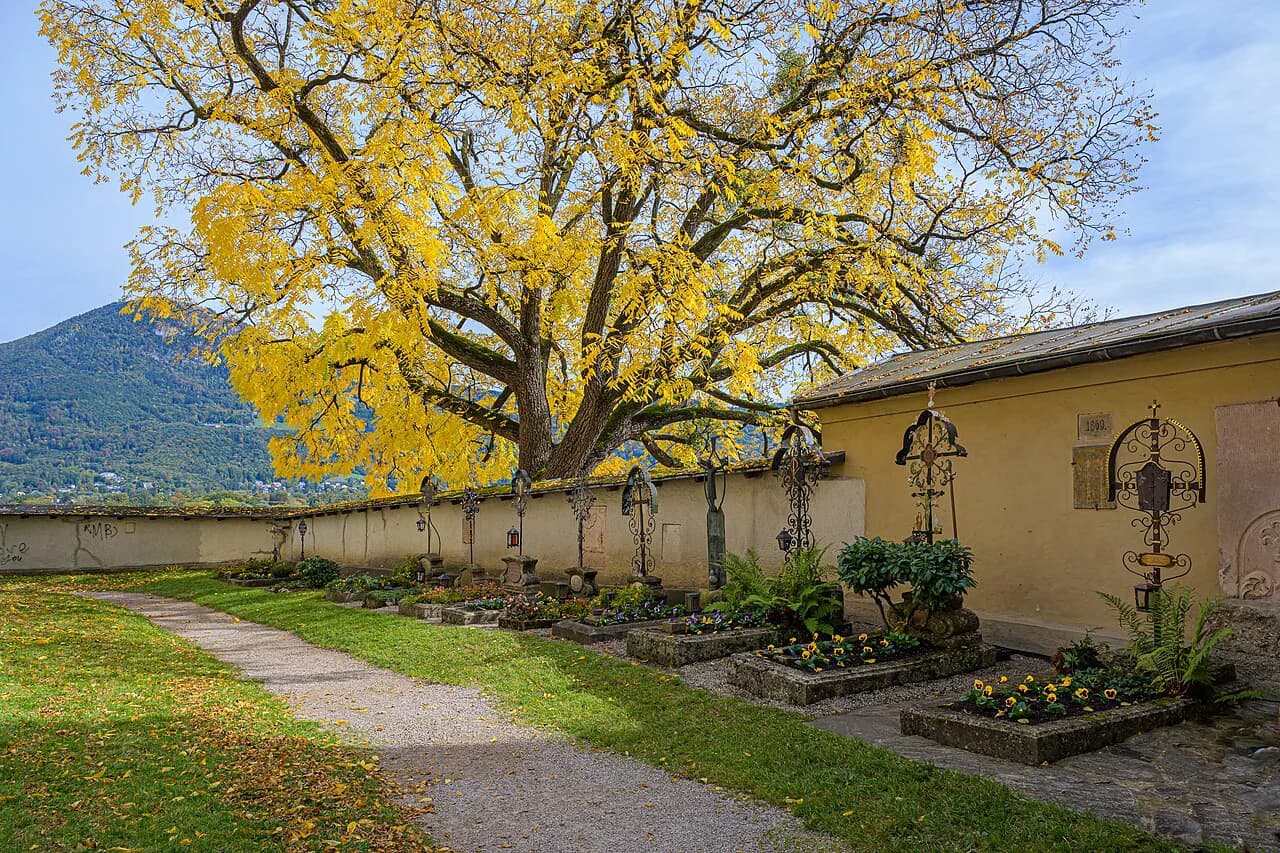
Last updated October 2026: this guide covers Nonntal Salzburg, the residential district just south of the Old Town. It links a convent founded in 715 with a modern university campus and a street that is about to be redesigned. Use it to build a quiet half-day away from the Getreidegasse crowds.
What Is Nonntal? Salzburg's Oldest Suburb
Nonntal grew around Nonnberg Abbey. Bishop Rupert founded the convent in 715 on a spur of the Festungsberg, according to the local district guide from Fräulein Flora. Servants of the convent settled at the foot of the hill, and the suburb followed.
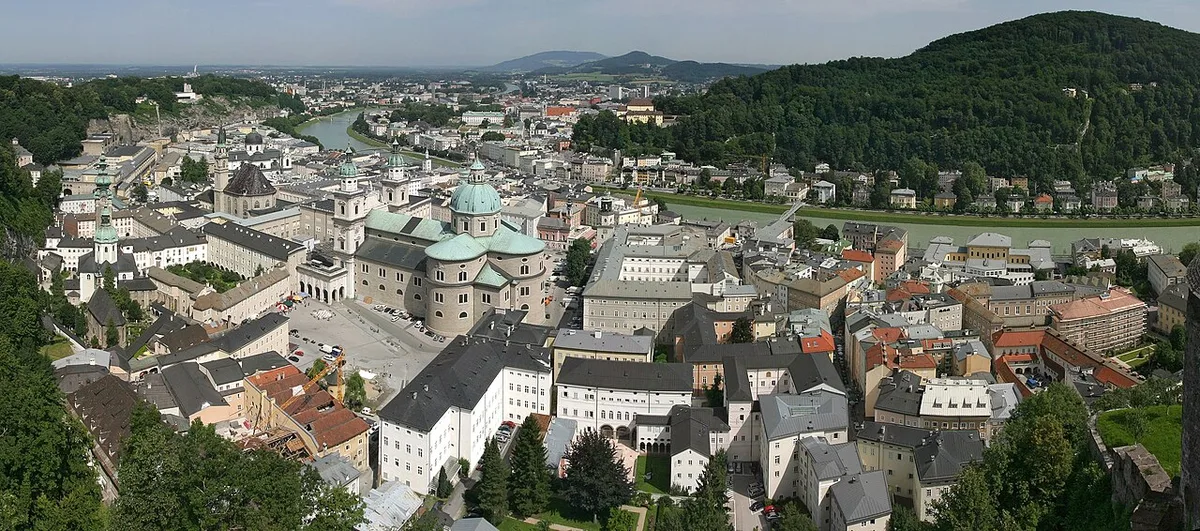
Today you get a mix of quiet residential streets and student life. It sits between the dense Old Town and the greener southern suburbs. Nonntal is not a sightseeing checklist. It works best as a slow walk with a few anchor stops.
Our editorial take: treat Nonntal as a contrast to the main tourist circuit. You will see fewer tour groups and more people carrying bicycles, laptops and groceries. That is the appeal.
- Founded: 715, around Nonnberg Abbey
- Location: at the foot of the Festungsberg, south of the Old Town
- Character: residential streets plus a university campus
- Walking time from Kapitelplatz: about 5–10 minutes
Must-See Historical Sites: Nonnberg Abbey and St. Erhard
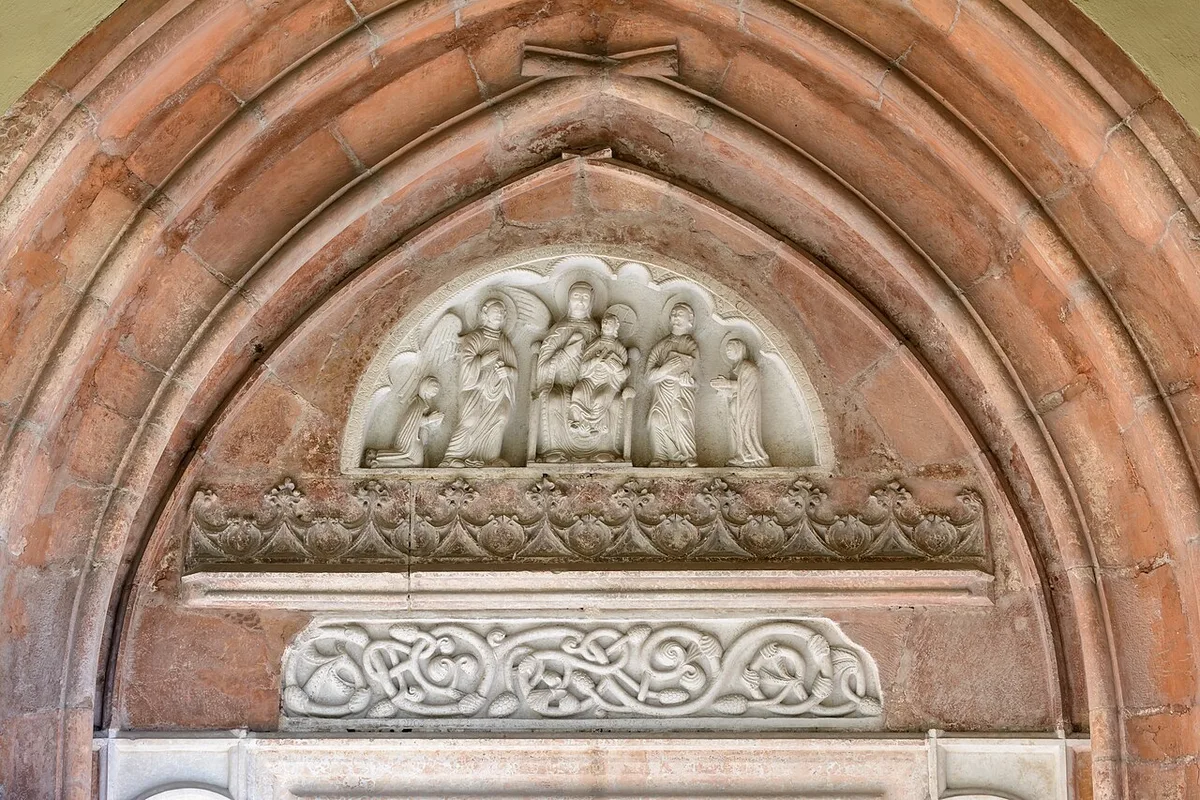
Start at Stift Nonnberg. The walk up is short but steep, so wear shoes with grip. Plan your timing around the nuns' Gregorian chants, which the local guide places at 6:45 in the morning. Visitors listen from the church, and the guide describes hearing the chant through a window.
The chants at 6:45 are only a 5–10 minute walk from Kapitelplatz, so the timing is easy to plan around.
Arrive at 9:00 and you will miss that sound. Access rules for the abbey church can change. Check the current visitor information on the official Salzburg sights page before you climb. Treat the abbey as a working convent and keep your voice low.
Film fans know the abbey from The Sound of Music, where Maria is a novice. Keep that as a side note. The chant and the hilltop calm are the better reasons to come.
Below the hill stands Erhardkirche, the parish church of Nonntal. According to this Nonntal photo page, Giovanni Gaspare Zuccalli designed it. The same architect is credited with the nearby Kajetanerkirche. The view of the church's back from the abbey side is a classic Salzburg photo.
- Nonnberg Abbey: best at 06:45 for the chants
- Erhardkirche: Italian baroque design by Zuccalli, on Erhardplatz
- Climb: short but steep, with a hill approach from the Old Town side
Modern Nonntal: UNIPARK and Award-Winning Architecture
UNIPARK Nonntal is the faculty building for culture and social sciences. It sits between the city centre and Nonntal. Landscape architects WES describe it as a campus that forms a new axis between the dense Old Town and the green zone. Project work ran from 2006 to 2012.
WES lists the Architekturpreis Land Salzburg 2012 among its awards. A separate Austrian builders' prize from 2012 appears on the same page. You do not need an architecture degree to enjoy the open squares around it.
Head for the semi-public roof terrace in the late afternoon. A local guide recommends it for an evening beer with a strong view. Check current access before you go, since a university building can change its rules. For other lookouts around town, see our other Salzburg lookout points.
The campus address is Erzabt-Klotz-Straße 1. Its inner courtyards and the library in the basement are part of the design concept called Spaces for Thought.
- Address: Erzabt-Klotz-Straße 1
- Best time for the roof: late afternoon into evening
- Architecture prize: Architekturpreis Land Salzburg 2012
- Site size listed by WES: 37,050 m²
Green Spaces: From the Botanical Garden to Hans-Donnenberg-Park
Hans-Donnenberg-Park works as the neighborhood's living room. The local guide mentions a football meadow, trees for climbing, slacklining and access to the Almkanal. It also notes a soldiers' cemetery in the grounds. The park suits a sunny afternoon and people-watching. Its address is Thumegger Bezirk 11.
The NAWI Botanical Garden is at Hellbrunnerstraße 34. You can explore on your own or join a guided tour. Groups must register and may pay a fee, so check the garden's website before you plan a group visit.
Both stops fit a slower itinerary. For more low-key spots of this kind, browse our list of quiet Salzburg corners beyond the main sights.
- Hans-Donnenberg-Park: Thumegger Bezirk 11
- NAWI Botanical Garden: Hellbrunnerstraße 34
- Best park timing: sunny afternoons
- Garden tours: registration needed for groups
The Begegnungszone: Navigating the New Pedestrian-Friendly Streets
The city of Salzburg plans a Begegnungszone, or shared space, on Nonntaler Hauptstraße in Inneres Nonntal. Pedestrians, cyclists and drivers share the space, with priority for people on foot and bikes. The design adds seating under trees, drinking fountains and perennial beds on Erhardplatz.
Two traffic variants were discussed. Variant 1 keeps through-traffic but lowers speeds. Variant 2 bans through-traffic and reverses a one-way section in the north. It also keeps the square in front of the church car-free.
More than 60 people joined a citizen dialogue on 3 July at UNIPARK Nonntal. Two groups clearly backed Variant 2. Participants also asked for trees to stay and for the tight left turn at Erhardplatz to be eased.
Parking will shrink. The city counts roughly 160 spaces today and expects about 125 to remain. It also plans two charging points for electric cars. Tourist parking is the target, so arrive on foot or by bike.
The city's page lists a basic decision in autumn 2025 and a provisional construction start in spring 2027. Work would follow the district heating project. Check the city's current page before you plan around construction.
- Variant 1: keeps through-traffic, lower speeds
- Variant 2: no through-traffic, reversed one-way in the north
- Parking: about 160 spaces now, about 125 planned
- Provisional construction start: spring 2027
Culture and Nightlife: ARGEkultur and the Independent Scene
ARGEkultur at Ulrike-Gschwandtner-Straße 5 is the base of the independent arts scene. According to the local guide, young activists in the 1980s demanded a house for free art through demonstrations. Check its programme for current events.
Schauspielhaus at Erzabt-Klotz-Straße 22 is a theatre with its own acting school. Künstlerhaus at Hellbrunner Straße 3 houses the Salzburger Kunstverein plus studios. The local guide says there is always a free exhibition to see. Its café terrace sits on the Salzach bank in summer.
If the weather turns, these indoor venues carry the day. Pair them with our wet-weather plan for Salzburg. The AYA-Bad at Alpenstraße 9 is the district's indoor and outdoor pool. Check its current hours before you pack a swimsuit.
- ARGEkultur: Ulrike-Gschwandtner-Straße 5
- Schauspielhaus: Erzabt-Klotz-Straße 22
- Künstlerhaus: Hellbrunner Straße 3, free exhibition per local guide
- AYA-Bad: Alpenstraße 9
Where to Eat: Coffee Roasters and Creative Gastronomy
Three local addresses cover most tastes. Pick one per visit rather than trying them all at once.
220 Grad serves its own roasts in a former electrical shop at Nonntaler Hauptstraße 9a. Vintage fittings remain from the old sales rooms. It is a good first stop on arrival from the Old Town.
Paradoxon at Zugallistrasse 7 serves simple ingredients with creative twists. The local guide highlights a large gin bar where you mix your own gin and tonic. Menus change, so check current offerings.
Lemonchilli at Nonntaler Hauptstraße 24 has a garden at the foot of Nonnberg. The guide praises the garden on warm summer evenings. It also claims the chili is among the spiciest in town. Treat that as opinion and ask your server about heat levels.
- 220 Grad: Nonntaler Hauptstraße 9a, coffee
- Paradoxon: Zugallistrasse 7, creative cooking and gin bar
- Lemonchilli: Nonntaler Hauptstraße 24, garden and spicy dishes
Planning Your Visit: Logistics, Costs, and Local Tips
Walk from Kapitelplatz in about 5–10 minutes. City buses on Alpenstraße also serve the district. Check current routes and timetables before you travel.
Street parking is heading from about 160 spaces toward roughly 125, and the city wants tourist cars kept out, so plan on foot or bike.
Parking on the street is shrinking. Use an Old Town garage or arrive by bike or on foot. We found no admission prices in the supplied sources. Parks and the exteriors are free to enter. Check the botanical garden and any venue before you pay for a tour or ticket.
Here is a quick comparison to plan your order of stops.
| Stop | Best for | Timing tip |
|---|---|---|
| Nonnberg Abbey | History and peace | Arrive for 06:45 chants; check access |
| UNIPARK roof | Views and sunset | Late afternoon beer; check access |
| Donnenberg Park | Relaxation, families | Sunny afternoons |
| Künstlerhaus | Art lovers | Free rotating exhibition per local guide |
- Do not stay only on Nonntaler Hauptstraße. Side lanes like Brunnhausgasse hold the district's charm.
- Allow extra time for the steep climb to Nonnberg.
- Start early for chants, then finish with coffee at 220 Grad.
- Check the abbey, roof terrace and venue hours on the day.
Frequently Asked Questions
What is Nonntal in Salzburg known for?
Nonntal is known for Nonnberg Abbey, founded in 715. It is also home to Erhardkirche and the UNIPARK campus. Most visitors come for the abbey and a quiet residential walk.
When can I hear the Gregorian chants at Nonnberg Abbey?
A local district guide places the chants at 6:45 in the morning. Arrive before then, since 9:00 is too late. Check current visitor access to the abbey church before you go.
How far is Nonntal from the Old Town?
Allow about 5–10 minutes on foot from Kapitelplatz. The climb to the abbey is short but steep. City buses on Alpenstraße also serve the district.
Can I park in Nonntal?
Street parking is being reduced. The city counts about 160 spaces now and expects about 125 to remain. Tourist parking is the target, so walk, cycle or use an Old Town garage.
What is the Begegnungszone Nonntal?
It is a planned shared-space redesign of Nonntaler Hauptstraße. Pedestrians, cyclists and drivers share the street, with priority for people on foot and bikes. The city lists a provisional construction start in spring 2027, so check its page for updates.


