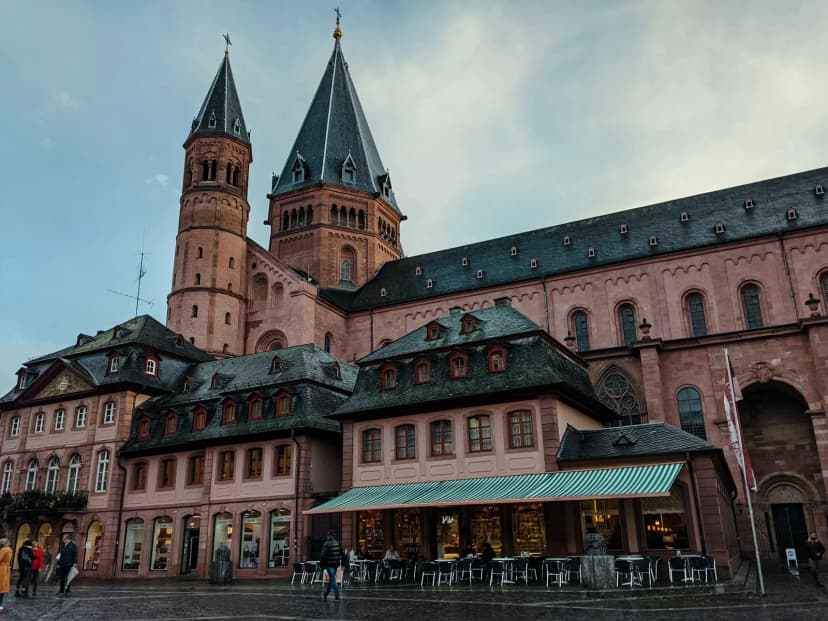
The St. Annen Museum is not a standard city museum. It grew out of a convent founded in the early sixteenth century for the unmarried daughters of Lübeck's patrician families, and the building itself remains the most important exhibit. Its late-Gothic cloister dates from 1512 and acts as the spine of any visit.
The museum sits within the Museumsquartier St. Annen, which also contains the Kunsthalle St. Annen, courtyards and gardens. Because two institutions share one quarter, visitors should expect separate programmes and separate visitor information rather than assuming one entry covers everything.
This guide focuses on what the operator and the city tourism listing actually describe: the convent's origin, the sacred art collection, the upper-floor sequence of 25 rooms, and the practical details that are currently published. Where a detail is not confirmed, the guide tells you where to verify it instead of guessing.
Why the St. Annen Museum Is Not a Typical City Museum
Most municipal museums assemble objects in a purpose-built shell. St. Annen does the opposite: the former convent is the artefact, and the collection is shown inside the rooms that shaped it. That makes the building's layout part of the interpretation, not just a container for glass cases.
The quarter combines historical and modern exhibition spaces, courtyards, gardens and the late-Gothic cloister from 1512, according to the city tourism listing for the Museumsquartier St. Annen. Visitors should treat the museum and the Kunsthalle as two stops inside one broader area.
Because the site is a heritage building rather than a neutral gallery, not every part of the complex works the same way. Some spaces are exhibition rooms, others are circulation or event spaces, and the grounds are not confirmed as freely open. Plan to enter through the museum's own published visitor route rather than assuming you can wander in from the street.
The Building's Origin Story: A Convent for Patrician Daughters
At the beginning of the sixteenth century, Lübeck's senate and merchant families decided to create a new home in the city for unmarried daughters of their own class. Previously those women had been housed in the convents at Rehna and Zarrentin, but those institutions were no longer willing to accept them and in some cases sent them back. The operator presents this founding story as one of its guided themes, which is a useful way to hear the chronology before walking the rooms on your own.
Lübeck citizens raised the money, bought three noble estates inside the city walls, and founded a convent on the site. Four centuries later, that same complex became the St. Annen-Museum. The operator states that the tour covering this history runs 90 minutes and costs EUR 75.00 plus admission, which is a tour fee rather than an entry ticket.
Understanding this origin changes how you read the building. The cloister, the Remter and the upper floor were designed for a specific community with a specific social role, not as a display sequence. Keep that in mind when you move from the sacred art into the everyday-life rooms.
What the Monastery Rooms Actually Show
The core of the collection is medieval and sacred art, shown in the authentic setting of the former convent. The museum is known for its altarpieces, and the University of Lübeck's description of the museum cites 28 magnificent altars spanning the thirteenth to the first half of the sixteenth century.
The altar collection is not a single highlight but a cumulative experience. The operator's own guided themes single out the medieval altars as the museum's great treasure and offer a tour that decodes their imagery, including details such as the colour associated with Mary Magdalene and the meaning of a child wearing a bishop's mitre.
The museum also holds the Maria-Magdalenen-Retabel, which has been the subject of restoration and reinstallation work. The operator's programme page states that two newly acquired panels with paintings by Erhart Altdorfer will be presented in the Remter from 18 November. Because display locations and restoration projects change, check the current programme before you travel if a specific work is your reason for visiting.
The 25-Room Upper Floor: Medieval Everyday Life
Above the sacred art, the upper floor of the roughly 500-year-old convent holds a sequence of 25 exhibition rooms. The city tourism listing describes them as a staged exploration of medieval daily life: the furniture people surrounded themselves with, how they decorated their living spaces and set their tables, how they dressed, how they celebrated, and which social values and norms guided everyday conduct.
This floor is not a decorative add-on to the altars. It answers a different question: not what people believed, but how they lived. Visitors who only tour the sacred art on the ground floor miss an entire narrative that the building was designed to support.
The operator also publishes a digital eGuide for the permanent collection, with audio, text and visual material plus themed routes through the display. If you want to move through the 25 rooms with context, the eGuide is the low-friction option; if you prefer a human voice, look at the guided formats instead.
Kunsthalle St. Annen vs St. Annen-Museum
The Museumsquartier St. Annen contains both the St. Annen-Museum and the Kunsthalle St. Annen. They share a location but are listed as separate institutions within the Lübecker Museen network, and each has its own programme and visitor information.
Do not assume that one ticket covers both, or that a ticket for one includes the other. The sources consulted for this guide do not confirm a shared ticket, so the safe approach is to check each institution's admission page separately before you decide how much time and budget to allocate.
If you are choosing between them, think about what you actually want from the visit. The museum is the historical and sacred-art experience inside a former convent; the Kunsthalle is the contemporary exhibition space in the same quarter. Some visitors will want both, but a short stop is better spent on the one that matches your interest.
Where St. Annen Sits in the Wider Museumsquartier
The quarter is more than the sum of its exhibition halls. The city tourism description includes courtyards and gardens alongside the historical and modern exhibition spaces, and the late-Gothic cloister from 1512 sits at the centre of the complex.
The listing gives the address as St. Annen-Straße 15 in 23552 Lübeck, which is the most specific location detail currently published by the sources consulted here. If you are navigating by public transport, use that address in your route planner rather than relying on a general old-town pin.
Do not assume the courtyards and gardens are free to enter. The sources describe them as part of the quarter but do not state open-access rules, so treat them as part of the visit rather than as a public shortcut through the complex.
Rotating Exhibitions and the Current Programme
The permanent collection is only part of the offer. Temporary exhibitions change what is on view, and the operator's programme page is the authoritative place to check before you build the museum into a day.
One example from the operator's listings is the Danziger Paramente im Dialog display, which the museum describes as running until 31 March 2028. Another is 600 Jahre Farbe und Handwerk, which opened on 19 September 2025 and draws on objects from the history of Lübeck's painters' and glaziers' guild.
Exhibition dates can shift, and the operator's page should be treated as the live source. If a specific show is the reason for your trip, check it within a few days of travelling rather than relying on a printed guide or an older listing.
Guided Tours and Themed Formats
The operator runs a programme of guided formats under the Museumsmomente banner, each built around a different theme rather than a single standard tour. Examples include the silver collection, Lübeck merchants and mayors, Stockelsdorf faience, the wise and foolish virgins, Jacob von Melle's cabinet of curiosities, and the convent's founding story.
The operator states a tour duration of 90 minutes and a fee of EUR 75.00 plus admission. That is a tour price, not an entry ticket, and it does not tell you what museum admission itself costs. Read the two figures separately so you do not budget incorrectly.
Themed tours are usually worth it when you want interpretation rather than orientation. If you mainly want to see the altars and the upper floor at your own pace, the standard route plus the eGuide may be sufficient, and the saved fee can go toward another museum in the city.
Temporary Exhibition Examples to Watch
The Danziger Paramente im Dialog display is the longest-running example listed by the operator, with an end date of 31 March 2028. Because it will remain on view for an extended period, it is a reliable anchor if you are planning a visit well ahead, though you should still confirm it is open when you go.
600 Jahre Farbe und Handwerk opened on 19 September 2025 and looks at the organisation of the painting and glazing trades, their traditions, religious practice and social life. It is a useful counterweight to the sacred art: same city, same centuries, but the working world rather than the church.
Treat all exhibition information as subject to change. The operator's programme page is the correct place to confirm what is currently installed, and it is also where you will see newly announced displays and one-off events.
Practical Planning: Hours, Closure and What Is Not Confirmed
The city tourism listing states that the Museumsquartier St. Annen is closed on Mondays and open Tuesday to Sunday from 10:00 to 17:00. The operator page in this packet does not confirm the same schedule in the same words, so treat the tourism listing as the source for that pattern and verify it on the operator's site before a Monday visit.
Several details you might expect in a museum guide are not confirmed by the sources consulted here. These include current ticket prices, day-pass costs, accessibility and cloakroom rules, photography policy, whether the museum and Kunsthalle share a ticket, and whether the courtyards and gardens are free to enter.
For those items, go directly to the operator's admission and visitor information pages rather than relying on third-party summaries. If a detail matters to your visit, a quick check on the day is more reliable than any guide, including this one.
Decision Angles: Short Visit, Half Day, or Skip
For a short visit, prioritise the cloister and the altar collection, then take a quick loop through the upper floor if time allows. A suggested duration of about two hours covers the core, but that is an editorial suggestion, not an official figure. Half a day gives you room for the upper floor, a temporary exhibition and a slower pass through the sacred art.
Art-first visitors should start with the altars and the Maria-Magdalenen-Retabel material, then move to the upper floor for context. History-first visitors may prefer the reverse: walk the convent rooms first to understand the community, then look at the sacred objects as products of that world.
Consider skipping St. Annen if your interests lie elsewhere in Lübeck. The European Hansemuseum Lübeck visitor guide covers the city's commercial and trading history in a purpose-built museum, while the Marienkirche Lübeck visitor guide focuses on one of the city's great churches. St. Annen is the right choice when you want the convent setting and the medieval art together.
Mistakes to Avoid
The most common planning error is treating the Museumsquartier as one single attraction with one ticket. The museum and the Kunsthalle are separate institutions, and the sources do not confirm a shared ticket, so check each one's admission page.
The second mistake is skipping the upper floor. The 25 rooms of everyday life are a distinct part of the museum, and visitors who only see the altars lose the social context that makes the sacred art more legible.
The third is turning up without checking the programme. Rotating exhibitions and restoration work can change what is on view, and a gallery that is temporarily closed for conservation is not a failure of the museum but a reason to check ahead.
Getting Your Bearings in Lübeck's Museum Landscape
St. Annen is one stop in a city with several strong museum surfaces. The Lübeck: Landmark Visitor Guides hub is the right place to compare them side by side, and the Lübeck: Itineraries and City Travel Guides surface helps you slot the museum into a day or a weekend without backtracking.
If your interests run to literature, the Buddenbrookhaus Lübeck visitor guide covers the Mann family and the city's bourgeois world. If you want another monastic and museum site, the Burgkloster Lübeck visitor guide is a natural counterpart to St. Annen's convent setting.
Build the day around geography, not around a list. St. Annen sits on the western edge of the old town, so pairing it with the Holstentor side or the church district makes more sense than crossing the city twice.
Plan Your Visit
St. Annen rewards visitors who treat it as a place rather than a checklist. The convent building, the 1512 cloister, the altar collection and the 25 upper-floor rooms all belong to one story, and the best visits let that story unfold rather than rushing from highlight to highlight.
Before you go, confirm the current opening pattern, admission prices and programme on the operator's site, and check the Kunsthalle separately if you want to see both. Those two checks take a few minutes and prevent most of the disappointment a museum visit can produce.
Frequently Asked Questions
What can you see at the St. Annen Museum in Lübeck?
The museum occupies a former convent and presents medieval and sacred art, including a large collection of altars, inside the historic rooms. The upper floor holds a sequence of 25 exhibition rooms that stage everyday medieval life through furniture, table settings, dress, celebration and social norms. Temporary exhibitions and a digital guide add further layers, and the late-Gothic cloister from 1512 runs through the complex.
How long does a visit to the St. Annen Museum take?
The operator does not publish an official visit duration for the museum. As a planning suggestion rather than an official figure, about two hours covers the cloister, the main altar displays and a quick pass through the upper floor, while half a day allows a slower route through the 25 rooms and any temporary exhibition. Add time if you join a guided format, which the operator lists at 90 minutes.
Is the St. Annen Museum the same as the Kunsthalle St. Annen?
No. The St. Annen-Museum and the Kunsthalle St. Annen are separate institutions within the Museumsquartier St. Annen, which also includes courtyards and gardens. They occupy the same quarter but have different programmes and different visitor information. The sources consulted here do not confirm that one ticket covers both, so check each institution's admission details separately.
What are the St. Annen Museum opening hours?
The city tourism listing for the Museumsquartier St. Annen states that it is closed on Mondays and open Tuesday to Sunday from 10:00 to 17:00. The operator page does not confirm the same schedule in the same words, and seasonal or holiday variations are not documented in the sources used here. Verify the current hours on the operator's website before travelling, especially if your visit falls on or near a Monday.
Does one ticket cover both the St. Annen Museum and the Kunsthalle?
The sources consulted for this guide do not confirm a shared ticket between the two institutions. They are listed separately within the Lübecker Museen network, so the safe assumption is that each has its own admission. Check the admission page of each institution before you decide how to split your time and budget.
Are guided tours available at the St. Annen Museum?
Yes. The operator runs a programme of themed guided tours under the Museumsmomente banner, covering subjects such as the silver collection, Lübeck merchants and mayors, Stockelsdorf faience, and the convent's founding history. The operator publishes the tour duration and fee on the Museumsmomente page; check there for the current figures, and note that the tour fee is separate from museum admission.
Why was the St. Annen convent founded in Lübeck?
At the beginning of the sixteenth century, Lübeck's senate and merchant families created a home in the city for their unmarried daughters. Those women had previously been housed at the convents in Rehna and Zarrentin, but those institutions were no longer willing to take them and in some cases sent them away. Citizens collected money, bought three noble estates inside the city walls, and founded the convent that four centuries later became the museum.