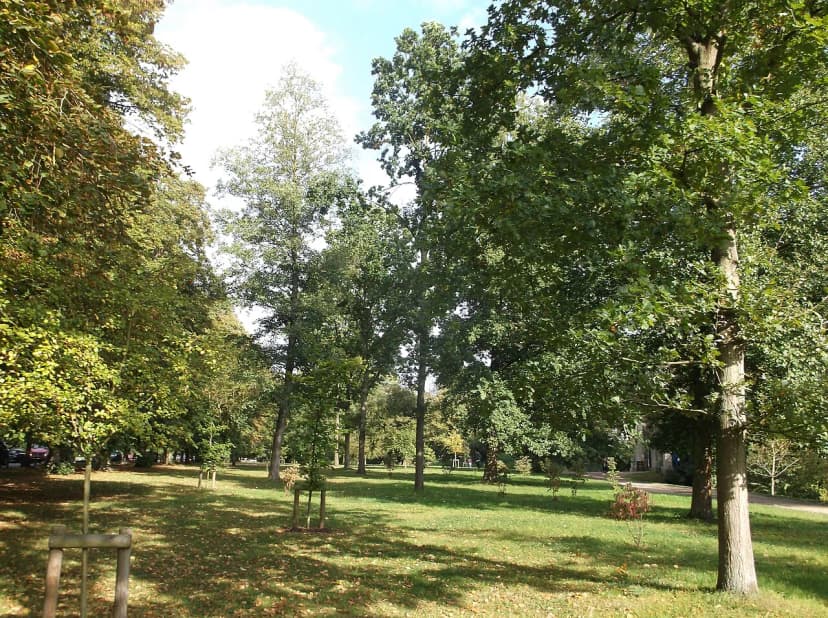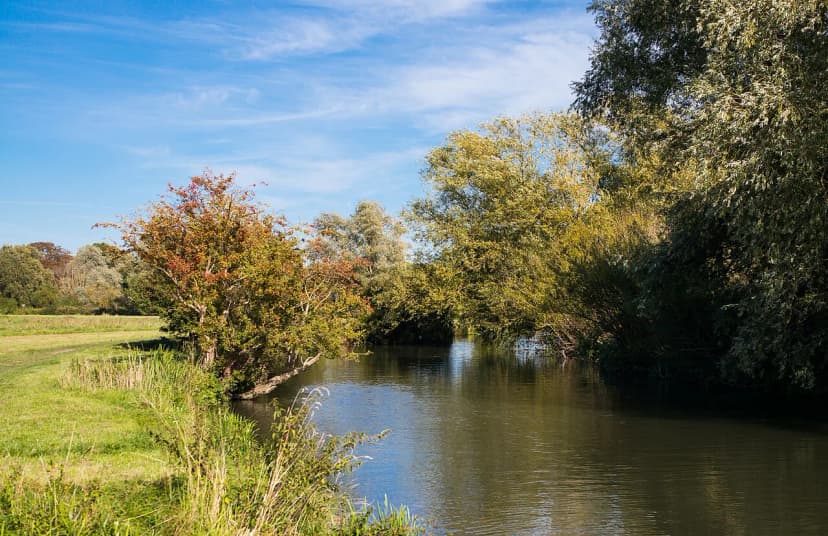
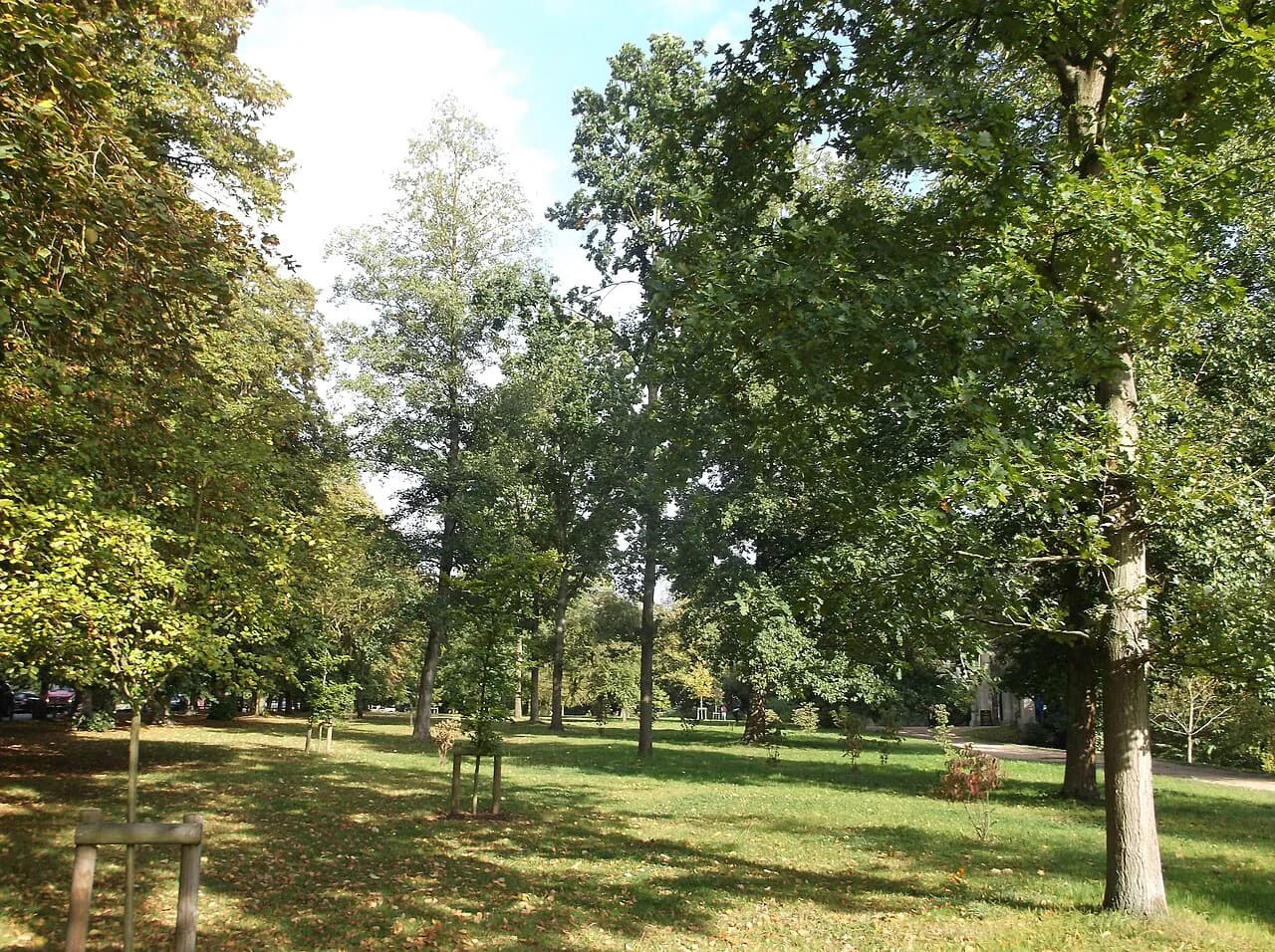
Last updated October 2026: Cambridge college gardens are working college grounds, not public parks, so access depends on the porters' lodge, the season and each college's own rules. Christ's College, for example, lists a 9:00–12:00 visiting window, and Downing College spreads gardens across a 20-acre site. This guide sorts the gardens by what you want to see, explains which areas are public, and flags when colleges close.
Cambridge college gardens: how access really works
A college garden is part of a living college. Students sleep, study and sit exams a few steps from the lawns. That is why visiting rules differ from those of a city park. Tim Richardson, author of Cambridge College Gardens, argues that buildings and gardens are almost indivisible. You see the full effect only when you treat the setting as a whole.
Every visit starts at the porters' lodge. Staff there can tell you whether the college is open that day and which areas you may enter. Some courts are open to most visitors. Fellows' gardens often have shorter hours and fewer days. Master's gardens may be closed to the public altogether. Christ's College states that its Master's Garden is not open to the public.
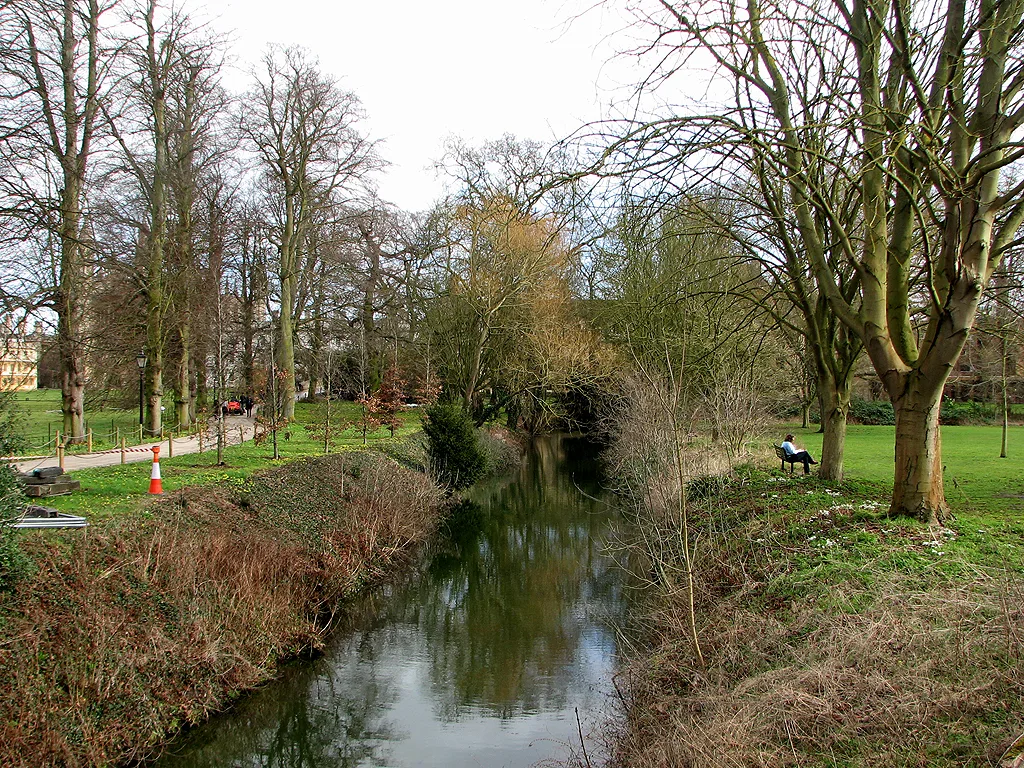
Treat the Backs with the same care. You can see several college grounds from the riverside, but the Backs are not one unrestricted garden. Each college controls its own land. A river view does not give you a right to walk onto a lawn or through a gate. Public paths, ticketed college grounds and areas closed for academic events are three separate categories.
Before you plan a route, check the official college page for the day you intend to go. Visit Cambridge also publishes general visitor information. For wider context, see the Visit Cambridge visitor site. Colleges can change hours without notice, so treat any listing as a starting point.

The Quiet Period: when college gardens close
Plan around the Quiet Period first. Christ's College says its college and gardens are closed during the Quiet Period around exams. It usually lasts from mid-April to mid-June. That is roughly two months in which a trip centred on garden visits can fail.
Christ's normally opens from 9:00–12:00 daily, but during the Quiet Period (mid-April to mid-June), even this narrow window closes when the college shuts down for exams.
Spring is the season many people associate with gardens. It is also when many colleges restrict access. If your dates fall between mid-April and mid-June, do not assume any garden is open. Check each college's website before you travel. Look for a notice about exams, events or private functions.
Other closures are possible. Colleges may close grounds for graduations, weddings or maintenance. These notices are usually on the visitor page, not at the street gate. Check the morning you go if you can.
- Mid-April to mid-June: expect closures at many colleges, including Christ's College.
- Outside the Quiet Period: confirm hours on the college's own page.
- Event days: look for notices about closed areas or restricted entry.
- Same-day check: ask at the porters' lodge before you walk in.
Christ's College: Darwin, wisteria and Milton's mulberry
Christ's College suits readers who like history and plants together. Its official garden page lists opening times. The college, including First, Second and Third Courts and the Darwin Garden, is normally open from 9:00 to 12:00, seven days a week. The Fellows' Garden uses the same hours but only Monday to Friday.
First Court is the oldest part of the college, and much of it dates to 1505. It has a circular lawn. Christ's says this is the only one in any of Cambridge's 31 colleges. The enclosed court creates a microclimate, which lets gardeners grow tender specimen plants. A Wisteria sinensis covers the south-facing wall. The college thinks it is around 200 years old.
Second Court has formal lawns with informal planting around them. A long herbaceous border runs along the western side. Third Court holds a large collection of irises and salvias. The iris collection began in 1946, when the college received a large number from a Mrs Zeligman.
The Darwin Garden dates from 2009. It marks the bicentenary of Charles Darwin's birth in 1809. Planting reflects species Darwin might have met on HMS Beagle. Examples include Kniphofia uvaria 'Nobilis' and Echium pininana. A statue of Darwin as a young man, by Anthony Smith, stands in the garden.
Fellows' Garden was structured in 1825 with informal borders, shrubs, trees and winding paths. It reflects the ideas of J. C. Loudon, who wanted to show the beauty of plants in a state of nature. A large Platanus x hispanica stands beside the east path. Christ's thinks it is more than 200 years old.
Milton's Mulberry needs a fact check. The tree was grown from a root of an earlier mulberry planted in 1608. That was the year John Milton was born. Christ's says the earlier tree otherwise had no connection with the poet. Richardson's book also notes that the claims for the tree are disputed. A storm uprooted it in 1795, and large wooden posts have propped it up since. Gardeners still harvest the fruit each summer, and the college kitchens make jam from it.
Downing College gardens: a 20-acre wildlife site
Downing College suits wildlife lovers and people who want open space. Its college gardens page describes a 20-acre site. It mixes lawns, trees and flowers. Check the page for current visiting rules before you go, because the sources here do not give a daily window.
Quadrangle lawns give the formal first impression. Sunken Garden contrasts with them through unusual mixed borders. Fellows' Garden has a rich assortment of trees. Paddock adds limes, maples and a dawn redwood. A wildflower habitat there draws bees and butterflies, and a hazel spinney attracts wildlife.
Rose Garden has a secret feel. You reach it through an archway. Inside, the college lists pillar crabs, irises and clematis. You will also find breeding and feeding bird boxes and bumblebee nesters. If you like finding small, tucked-away places, see our guide to lesser-known Cambridge spots.
East Lodge Garden is the one for bark and leaf shape. Its trees include birch and snake bark maple, both with ornamental bark. An Indian bean there has large floppy leaves and thin green pods. Visit in winter or early spring if you want bark to be the main feature.
Downing won the Wildlife Trusts' Wildlife at Work award in 2019. The college credits new meadow areas, feeders and diverse planting. It also has a bug hotel made from recycled materials. Garden tours and experiences are listed for April to October 2027. Confirm dates and booking on the college page before you plan around them.
Gardens beyond the centre: Selwyn, Clare, Wolfson and more
Richardson's book covers a wider range of colleges. Our sources describe these gardens but do not give visiting hours. Treat the notes below as a way to choose. Confirm access on each college website before you go.
Selwyn College is the exotic choice. Richardson describes bananas, yuccas and Trachycarpus fortunei palms. Clare College is described in the book as having superlative horticulture. It suits readers who care most about planting quality.
Wolfson College is described as one of the most rewarding colleges for the garden-minded. Churchill College adds pampas grass, willow and a Hepworth sculpture. Garden art is a strong theme in the book. Work by Henry Moore and Barbara Hepworth appears at several colleges, with a notable collection at Jesus College.
Lucy Cavendish College takes a natural approach. Wildflower meadow planting gives its grounds a looser feel. Magdalene's River Court appears in the book through a photograph of wisteria, dahlias and salvias. Corpus Christi is known for its lawn. Richardson says it is sometimes cut twice a day in summer. Its Keep Off the Grass signs also appear in Japanese and Chinese.
Quick access table: which Cambridge college garden suits you
Use this table to match a garden to your interests. It lists only the hours and features supplied by the sources. No entry fees are given in them, so check each college's page for current charges or booking rules.
| College | Best for | Hours listed | Standout feature |
|---|---|---|---|
| Christ's College | History and plants | 9:00–12:00; Fellows' Garden Mon–Fri only | Wisteria sinensis, Darwin Garden, Milton's Mulberry |
| Downing College | Wildlife and space | Check college page | Rose Garden, East Lodge Garden, bug hotel |
| Selwyn College | Exotic planting | Check college page | Bananas, yuccas, palms |
| Clare College | Landscape quality | Check college page | Superlative horticulture, per Richardson |
| Wolfson College | Garden-minded visitors | Check college page | Ambitious planting, per Richardson |
| Lucy Cavendish College | Natural style | Check college page | Wildflower meadow planting |
Trade-offs: central crowds versus quieter grounds
Central colleges give you density. You can see several courts in a short walk. They also draw more visitors, and gates may shut earlier. Quieter colleges give you space and time to look at plants. They can take longer to reach, and their hours may be less obvious.
Christ's is a good compromise if you want a short morning visit. Its 9:00–12:00 window forces an early start. Downing suits a slower visit, since its 20-acre site gives you room to wander. Selwyn and Clare suit second visits once you know how the system works.
Richardson also draws a contrast with Oxford. He notes that Cambridge has more space. Many gardens give a greater impression of openness. Many courts have one open side, so views beyond are visible and there is less sense of containment. That openness is visual, not legal. A view across a lawn does not mean you can enter.
Costs are a planning question, not a guess. Our sources give no entry fees. Some colleges may charge, and some events may need booking. Check the official page for the specific college and date. Free access this year does not guarantee free access next year.
Bad weather changes the plan. Lawns and borders are less appealing in heavy rain, and paths can be muddy. Keep a fallback ready, such as our rainy day plan. For a longer outdoor route, try this Grantchester walk.
Mistakes to avoid when visiting college gardens
Most problems come from assuming gardens work like parks. These are the errors that cost visitors the most time.
- Arriving after 12:00. Christ's lists 9:00–12:00 for its courts and Fellows' Garden.
- Ignoring the Quiet Period. It usually runs from mid-April to mid-June.
- Walking on the grass. Corpus Christi even posts Keep Off the Grass signs in three languages.
- Treating the Backs as one open garden. Each college sets its own rules.
- Assuming the Master's Garden is open. At Christ's it is not open to the public.
- Skipping the porters' lodge. Staff there can tell you what is open today.
- Relying on old listings. Check the official college page for the day you go.
Planning a two-hour or full-day garden visit
For two hours, pick one college and arrive early. Christ's is the obvious choice if you travel outside the Quiet Period. You can see First, Second and Third Courts and the Darwin Garden before 12:00. On weekdays, add the Fellows' Garden for Milton's Mulberry and the Loudon-style paths.
For a full day, pair a morning at Christ's with an afternoon at a college that lists longer hours. Downing is a strong candidate, once you confirm its current access. Its Rose Garden and East Lodge Garden reward slow looking. Add a second peripheral college if the day is dry and you have confirmed that it is open.
Start with the official pages, then work outward. Read the Christ's opening times before you set an alarm. Check Downing's page for tours in April to October 2027 if you are planning ahead. Keep a rainy-day option in your pocket, because lawns and borders are weather dependent.
Frequently Asked Questions
Are Cambridge college gardens open to the public?
Some are, but access varies by college. Christ's College lists its courts and Darwin Garden as normally open from 9:00 to 12:00, seven days a week. Its Fellows' Garden is open Monday to Friday in the same window. Master's gardens may be closed to the public. Always check the college's official page first.
When is the Cambridge college Quiet Period?
Christ's College says its Quiet Period usually lasts from mid-April to mid-June. Colleges close their gardens to visitors during exams. Other colleges may follow similar patterns. Check each college's website for the dates that apply to your trip.
Which Cambridge college garden is best for wildlife?
Downing College is the strongest match in our sources. Its 20-acre site includes a wildflower habitat and a hazel spinney. It won the Wildlife Trusts' Wildlife at Work award in 2019. It also has a bug hotel made from recycled materials.
Do I need to pay or book to enter a college garden?
Our sources give no entry fees, so check each college's page. Some colleges may charge or ask you to book, especially for tours. Downing lists garden tours and experiences for April to October 2027. Confirm details before you travel.
Can I walk freely along the Backs?
No. The Backs are not one unrestricted garden. You may see several college grounds from the riverside, but each college controls its own land. Public paths, ticketed grounds and areas closed for events are separate. Follow signs and ask at the porters' lodge.