
Last updated August 2026. Strasbourg rewards budget travelers, and most free things to do in Strasbourg cluster inside the walkable Grande-Île, from the Cathedral nave to the Barrage Vauban dam roof. This guide sequences those sites with market-day timing, transit-free routes, and the first-Sunday museum window, so your money goes toward food and lodging instead of admission.
Free Things to Do in Strasbourg's Grande-Île
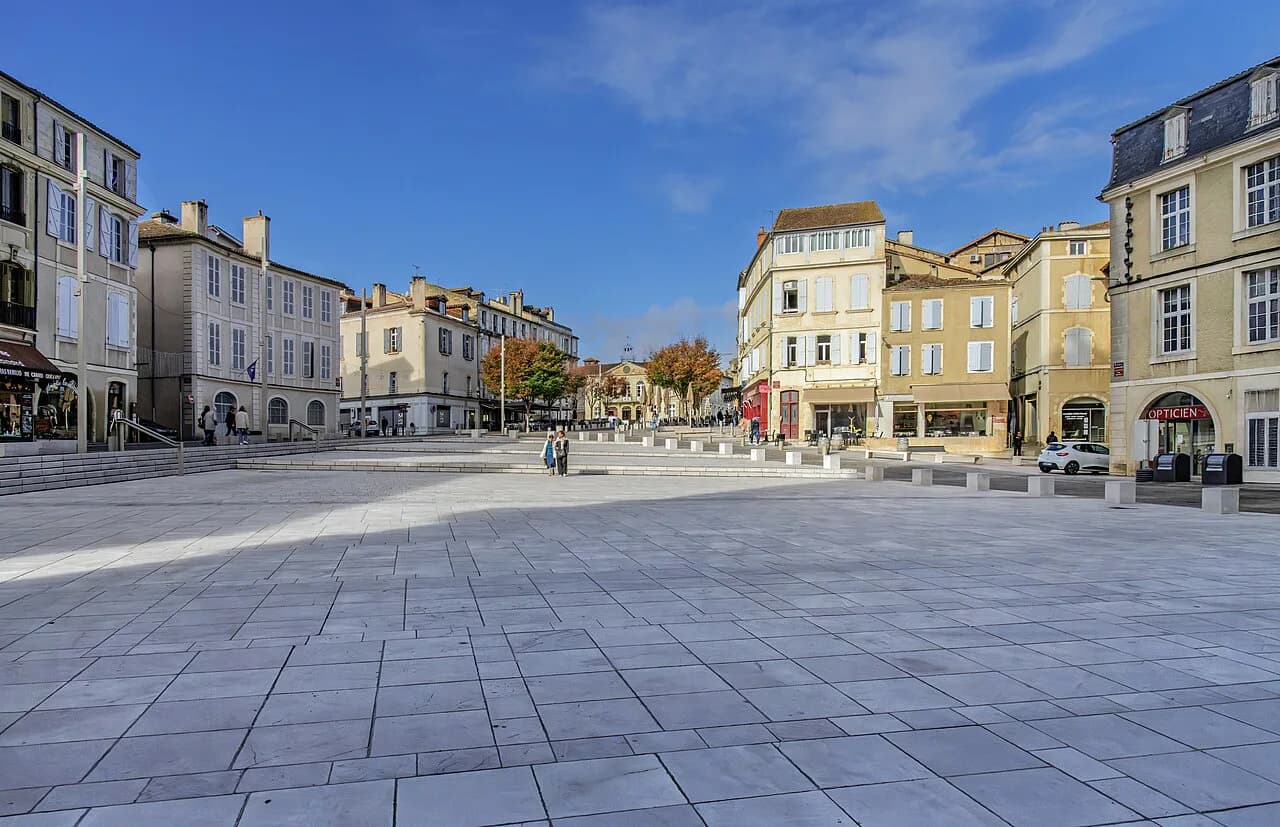
Grande-Île forms Strasbourg's historic core and became a UNESCO World Heritage Site in 1988. Its cobbled lanes hold several sites that cost nothing to visit, led by the Cathedral, La Petite France, and the Barrage Vauban.
The cathedral's interior is free to explore, and the nearby Barrage Vauban's free roof terrace offers panoramic views of the spire, eliminating the need for the €8 platform climb for budget-conscious travelers.
Start at Strasbourg Cathedral, where entry to the nave is free. The pink sandstone façade rewards a slow look from Place de la Cathédrale before you step inside. Built between 1647 and 1874, the cathedral held the record as the tallest building in the world at 142 meters. Its astronomical clock is visible without a ticket during open hours. Climbing the platform or watching the clock's mechanical show both cost extra; that trade-off gets its own section below.
Cross the Pont du Faisan into La Petite France, the former tanners' quarter where canals cut between half-timbered houses. Walking the waterside paths here is free at any hour, and early morning or late afternoon light clears out the tour groups. Follow the water onward to Barrage Vauban, a 17th-century dam whose roof terrace gives a panoramic view over the Ponts Couverts' four medieval towers at no charge.
Two more Grande-Île stops cost nothing and sit just steps from the cathedral. Église Saint-Thomas is free to enter and holds a historic organ once played by Mozart; step inside for a quiet break from the crowds. Place Gutenberg, a short walk away, holds an 1840 statue of Johannes Gutenberg and the Renaissance-era chamber of commerce building, both viewable without a ticket.
For quieter streets once you've covered these highlights, cross into the Krutenau district or walk the Neustadt, the 19th- and early 20th-century extension of the city with Neo-Renaissance and Art Nouveau façades. Both areas are free to explore on foot; the quieter corners of Strasbourg guide covers specific streets in each.
Strasbourg's Free Parks and Riverside Walks
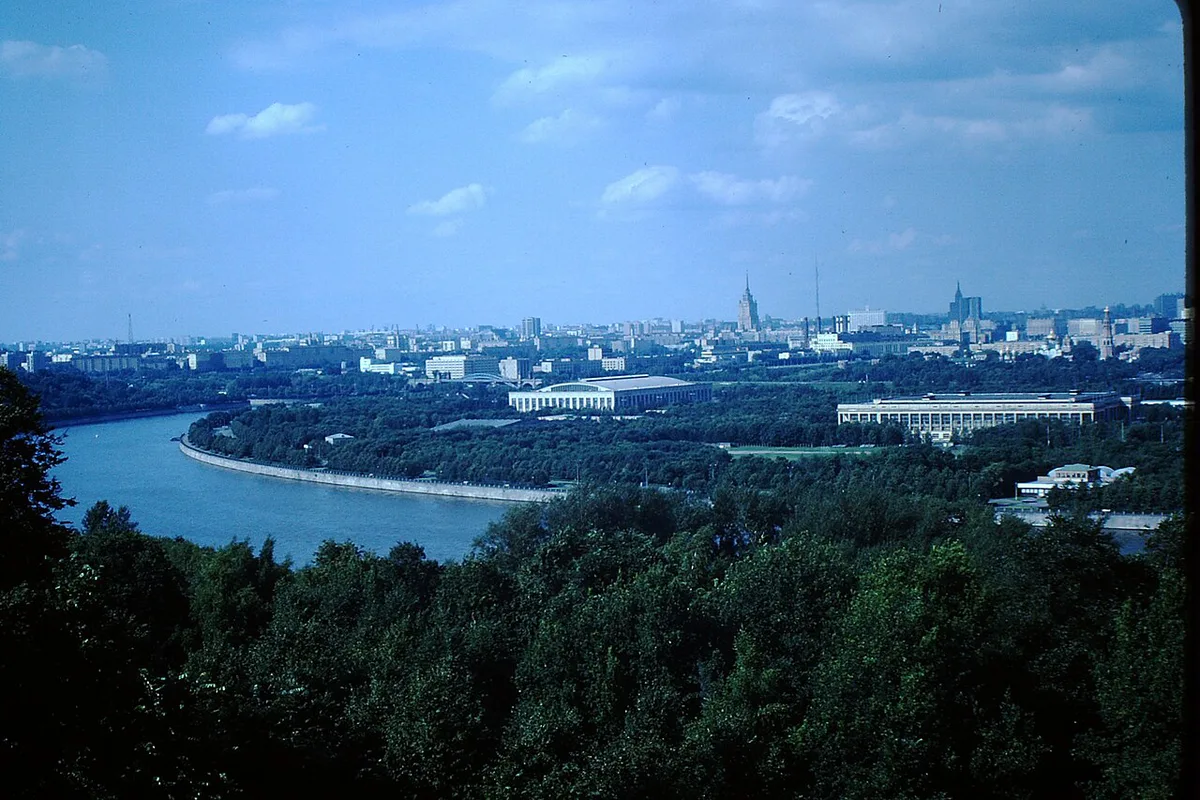
Parc de l'Orangerie is Strasbourg's oldest park and free to enter at any hour. Storks nest here, the bird that symbolizes Alsace, and the park's mini-zoo is also free to wander. Wide paths, a lake, and open lawns make it a natural rest stop between the Grande-Île and the European Quarter. Families relying on the mini-zoo and playgrounds should also check the family travel in Strasbourg guide for stroller-friendly routes.
Jardin des Deux Rives extends the free-walking theme west of the center. A pedestrian bridge here links France and Germany, and crossing it costs nothing beyond the walk itself. Locals treat the crossing as routine, but for visitors it's a rare chance to step between two countries on foot without a ticket booth in sight.
Quai des Bateliers, along the edge of the Krutenau district, offers another free riverside stretch with space to sit and watch the water, away from the main tourist flow. Both parks and the riverside sit within walking distance of the Grande-Île, so a single day can combine the historic center with green space without extra transit.
The European Quarter Without a Ticket
Strasbourg's European Quarter sits along the Ill river, reachable on foot from Parc de l'Orangerie. The European Parliament and Council of Europe buildings are visible from the surrounding paths at no cost. Their glass-and-steel architecture contrasts with the half-timbered Grande-Île a short walk away.
Lieu d'Europe, the district's visitor and exhibition space, has typically offered free exhibitions on European history and institutions. Confirm current opening hours and any exhibition fees before visiting, since programming changes seasonally.
Walking the riverside path from the old town to the European Quarter is manageable on foot, past benches and shaded stretches along the Ill. Skip the tram for this leg. The walk doubles as one of Strasbourg's more distinctive free experiences: it links a medieval old town to a working seat of European government within a single stroll.
Free Museum Sundays and Market Atmosphere
Strasbourg's municipal museums, including the Palais Rohan and the Musée Alsacien, have long waived admission on the first Sunday of every month. Museum free-day policies can shift year to year in French cities, so confirm the current schedule before building a visit around it. When the timing lines up, a first Sunday can turn several paid collections into a free afternoon.
Christmas markets add a different kind of free entertainment each winter, in a city often marketed locally as the Capitale de Noël. Entry to the market stalls costs nothing, and the lights, window displays, and decorated squares around Place Kléber and the Cathedral are free to walk through regardless of whether you buy anything. Choir and brass performances have also featured around the market season in past years; check the market's published schedule for the current program.
A window-shopping route works well for the market season. Start at Place Kléber for the main Christmas tree, continue toward the Cathedral square where market stalls and lights fill the plaza, and finish along the Petite France canals. Bring a reusable cup, since a hot drink from a market stall costs less than sitting down at a café. None of this requires stepping inside a chalet or spending a euro.
For evening options beyond the market lights, the Strasbourg after dark guide covers other free walks and light shows.
Free vs Paid: What's Worth Paying For in Strasbourg
Grande-Île rewards walking over transit. The district is compact and pedestrian-friendly, and most of the sites in this guide sit within its UNESCO-listed boundary, so a tram ticket is rarely necessary for a day spent on foot. Free drinking water is available from public fountains around the old town; refill a bottle instead of buying one at a kiosk. For a cheap bite between sites, a bakery bretzel costs far less than a sit-down meal and works well for a walking lunch.
Skipping paid attractions and sticking to bakery meals keeps a full day in the historic core inexpensive relative to a day built around paid tours and restaurant meals. The table below separates what costs nothing from what still charges admission, so you can decide where a paid ticket is worth it.
Whether the €8 platform climb is worth it depends on what you want from the view. The free roof terrace at Barrage Vauban already gives a wide panorama that includes the cathedral spire, at no cost. Climbing the cathedral platform gets you closer to the spire itself and adds the astronomical clock show, which the ground-floor view doesn't include. Budget travelers short on time can skip the climb without missing Strasbourg's skyline.
| Site or Experience | Free Access | Paid Option |
|---|---|---|
| Strasbourg Cathedral | Nave interior and façade — €0 | Platform climb — about €8 |
| La Petite France | Canal walks and bridges — €0 | Guided walking tour — about €20 per person |
| Barrage Vauban | Roof terrace panorama — €0 | Batorama boat tour — paid, fare posted at the dock |
| Parc de l'Orangerie | Park grounds and mini-zoo — €0 | — |
| Municipal museums (Palais Rohan, Musée Alsacien) | First Sunday of the month — €0 | Other days — paid, confirm current rate |
| European Quarter / Lieu d'Europe | Exterior views and riverside path — €0 | Special exhibitions — check current fee |
The Perfect Free Day in Strasbourg: A Walking Route
This route strings together every free site above into one walkable day, starting at Place Kléber and finishing in the European Quarter. Follow it in order, or use it as a spine and drop in extra stops from the sections above.
Covering the full route on foot takes a half to a full day, depending on how long you linger at each stop. Most of the walking follows the rivers and canals rather than climbing hills, which keeps the pace comfortable. Pair it with a structured one-day route if you'd rather mix in paid stops and meal breaks on a fixed schedule.
- Place Kléber: start here for orientation and, in winter, the city's main Christmas tree.
- Strasbourg Cathedral: walk the nave for free and study the façade from Place de la Cathédrale.
- Place Gutenberg: view the 1840 Gutenberg statue and the Renaissance chamber of commerce building.
- Église Saint-Thomas: step inside for free to see the historic organ.
- La Petite France: follow the canals past the half-timbered tanners' houses.
- Barrage Vauban: climb to the free roof terrace for the panoramic skyline view.
- Parc de l'Orangerie: rest by the lake and look for the resident storks.
- European Quarter: finish with the riverside walk past the European Parliament and Lieu d'Europe.
Budget Day Trips from Strasbourg
Once the free sites in Strasbourg are covered, the Vosges mountains offer another low-cost option nearby. Regional TER trains reach trailheads in the Vosges foothills for a fraction of what a private tour costs, and hiking itself is free once you're on the trail. Trailheads range from short valley walks to longer ridge routes, so pick one that matches the time available before the return train. Pack a bakery lunch before boarding, since food options thin out once you leave the city.
For a full list of low-cost regional routes, including which towns pair well with a single TER ticket, see regional day-trip options.
Frequently Asked Questions
Is Strasbourg Cathedral really free to visit?
Entry to the cathedral's nave costs nothing, and the astronomical clock is visible without a ticket during open hours. Climbing the platform or watching the clock's mechanical show are the only parts that charge a fee, with the platform priced around €8.
When are Strasbourg's museums free to enter?
Municipal museums, including the Palais Rohan and the Musée Alsacien, have traditionally waived admission on the first Sunday of each month. Confirm the current policy before planning around it, since city museum programs can change year to year.
Can you walk between Strasbourg's free sites without using the tram?
Yes. Grande-Île is compact and pedestrian-friendly, and most attractions in this guide, from the Cathedral to Barrage Vauban, sit inside its UNESCO-listed boundary. The riverside walk to the European Quarter is also manageable on foot.
Is the European Parliament open to the public for free?
The European Parliament and Council of Europe buildings can be viewed from surrounding public paths at no cost. Lieu d'Europe, the district's visitor space, has typically hosted free exhibitions, so check its current opening hours and any fees before visiting.
How much time should you plan for a free day in Strasbourg?
A half to full day covers the walking route from Place Kléber through the Grande-Île to the European Quarter. Pair it with a structured one-day itinerary if you'd rather follow a fixed schedule that mixes in paid stops.
What should you budget for food if you're keeping sightseeing free?
A bakery bretzel or sandwich costs far less than a sit-down restaurant meal and works well for a walking lunch. Public fountains around the old town provide free drinking water, so refilling a bottle cuts another regular expense from the day.
Is Strasbourg a good destination for budget travel overall?
Yes. Its historic core is compact enough to see on foot, several of its best-known sites carry no entrance fee, and the first-Sunday museum window and market season add more no-cost options depending on when you visit.
What's the cheapest way to see the Strasbourg Christmas markets?
Walk the market squares without buying anything, since the lights, decorations, and street performers cost nothing to enjoy. Save spending for a bakery treat or a single hot drink instead of a full sit-down meal at a market chalet.


