Last updated August 2026, this one day in Marseille itinerary strings the Vieux Port, Notre-Dame de la Garde, and Le Panier into a single walkable loop. France's second-largest city rewards a tight, sequenced plan more than a loose wander, especially with steep hills and a compact tourist core to navigate. Timed trade-offs are built into each fork below, so the route flexes for a fixed cruise-ship departure or a late arrival.
One Day in Marseille Itinerary: At a Glance
This route treats Marseille as two connected clusters rather than a single sprawl. One cluster centers on the harbor and hill around Notre-Dame de la Garde and Vieux Port. The other centers on culture and nightlife around Mucem and Cours Julien. A single day works if you stay inside these two clusters and skip the Calanques, which need a separate trip.
- Best for: first-time visitors, cruise-ship day-trippers, and travelers combining Marseille with a wider South of France trip
- Walking load: a few miles on foot at minimum, more if you hike to Notre-Dame de la Garde instead of riding the Petit Train
- Paid stops: Petit Train Route 1, Mucem, and Château d'If each carry separate admission; Marseille Cathedral is free
- Early-riser gap: most specialty cafés open between 9:30 and 10:30 am, so plan an 8:00 am breakfast at a classic boulangerie instead
Morning: Notre-Dame de la Garde Before the Crowds
Specialty cafés run on a late schedule in Marseille. Deïa Coffee & Kitchen opens between 9:30 and 10:00 am depending on the day, and L'influence doesn't open until 10:00 am. Anyone starting by 8:00 am should skip the wait and head to a classic boulangerie near the Vieux Port instead, saving the hipster brunch spots for a slower morning. Notre-Dame de la Garde sits on the city's highest point, and the payoff is a wide view over the harbor, the Frioul Islands, and the rooftops below. Inside, ship models and nautical paintings line the walls, a reminder that this is a sailors' basilica as much as a landmark. On the walk back down, Le Char Jeanne d'Arc, a preserved tank marking the city's WWII liberation, sits along the route. Le Four des Navettes, widely cited as the city's oldest bakery, is a short walk from the port. Its navettes are firm, orange-blossom-scented biscuits tied to local religious festivals. Softer almond cookies are a good alternative if the navettes' dry texture isn't for you.
| Option | Time | Effort | Notes |
|---|---|---|---|
| Petit Train Route 1 | About 1.5 hrs round trip, including a 20-min stop at the top | Low | Departs the ticket booth at 174 Quai du Port every 20-40 minutes; budget around €10 per adult |
| Bus 60 (RTM) | Under 30 minutes each way | Low | Check current timetables in the RTM app before you leave |
| Walking | 25-40 minutes uphill | High | Free, but steep; wear real shoes, not sandals |
Midday: Vieux Port and Le Panier's Backstreets
Vieux Port is the U-shaped harbor at the center of the city, still lined with fishing boats, artisan stalls, and a seasonal fish market. The Ombrière, a mirrored steel canopy designed by Norman Foster, reflects the quay and makes an easy photo stop. A small cross-harbor ferry, often cited as one of the shortest ferry crossings anywhere, links the two sides of the port in about three minutes. From the port, Le Panier is a short climb into Marseille's oldest neighborhood. Streets narrow into stairs, walls carry layered street art, and the pace slows down. Steep terrain rules out the Petit Train here, so cover it on foot and budget extra time for the hills. The backstreets are also where Marseille's lesser-known corners tend to hide, from tucked-away courtyards to small ateliers. Marseille has sold soap since the 14th century, and the difference between an authentic bar and a tourist imitation comes down to the label. Genuine Savon de Marseille contains a minimum of 72 percent oil, with no synthetic dyes or added perfume. Imitations often list fragrance and lower oil content instead. Heritage makers such as Petrossian and La Grande Savonnerie sell the real thing near Le Panier, while souvenir stalls closer to the port lean toward the imitation end. For lunch, bouillabaisse is the obvious order, but ask for the price before you commit. Harbor-front kitchens can charge upward of €50-60 per person for a full bouillabaisse meal, and it's often quoted separately from the printed menu. A bowl of panisse, fried chickpea-flour sticks sold from casual counters, costs a fraction of that and fits a tighter schedule.
When browsing Savon de Marseille in Le Panier's soap shops during the noon hour, check labels for a minimum of 72 percent oil to distinguish authentic bars from tourist imitations sold at nearby port stalls.
Afternoon Decision: Mucem's Culture or Château d'If's Coastline
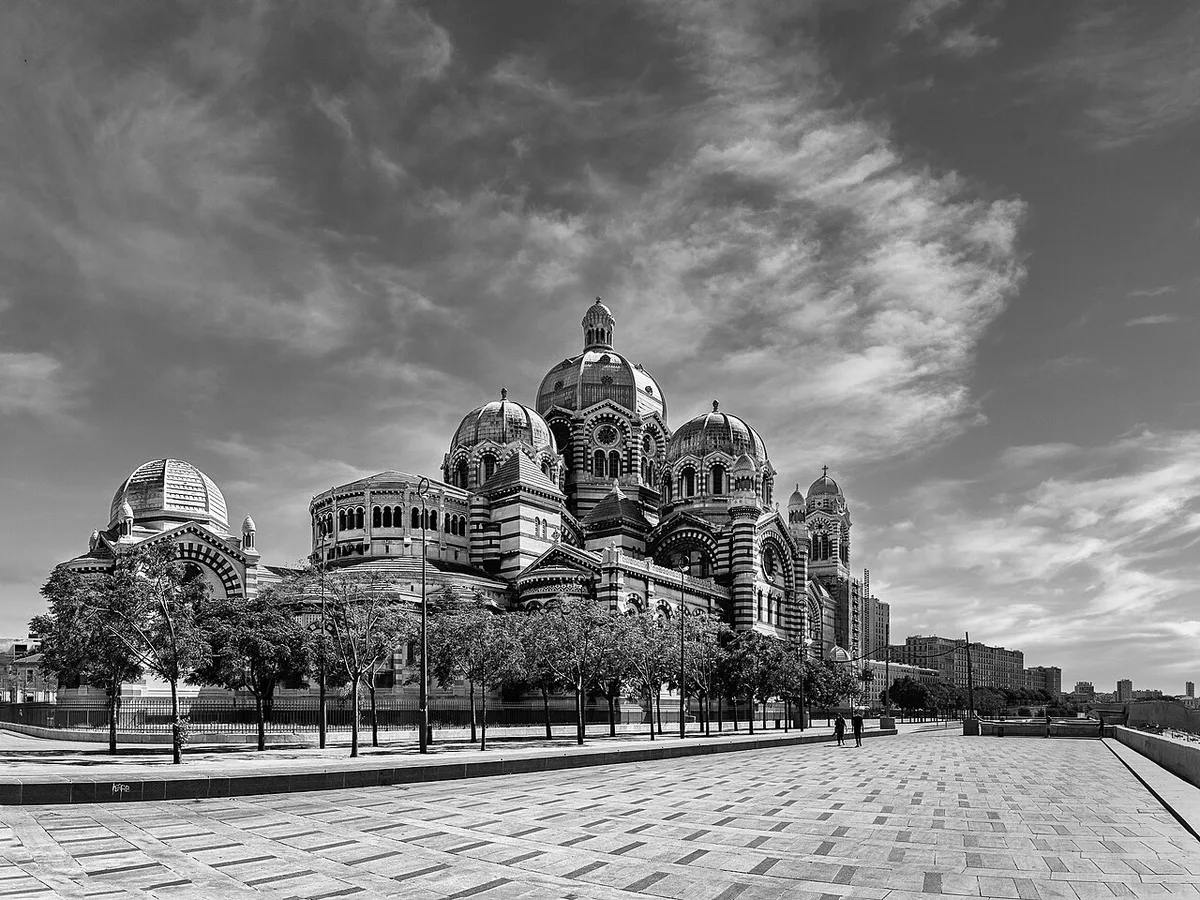
The afternoon forces a choice, since Marseille's two biggest afternoon draws don't fit into the same few hours. Mucem rewards a culture-focused afternoon, while Château d'If rewards a coastline-focused one. Picking both usually means rushing at least one of them. Fort Saint-Jean's ramparts and gardens are free to walk, and a fast pass through them takes about 20 minutes. Mucem itself, the Museum of Civilizations of Europe and the Mediterranean, requires a paid ticket. Budget around €11 for adult admission, and confirm the current rate before you go. Prices can shift from year to year. A proper visit to the exhibits runs closer to two hours, so decide the pace up front. Mucem is typically closed on Tuesdays, so check the calendar before building it into a Tuesday plan. Château d'If, the island fortress tied to The Count of Monte Cristo, is the coastline option. Reaching it and returning takes at least two hours once ferry queues and crossing time are added in. Check schedules at the port before committing. Round-trip ferry tickets run in the neighborhood of €11 per adult. Confirm current fares and departure times before you go. Cathédrale de la Major sits near Mucem and is worth the short detour. Built in the 1800s in a Neo-Byzantine style, its interior is lined with marble and mosaic, and entry is free. Calanques National Park is not a realistic add-on to this itinerary. Visiting it properly takes a minimum of four to five hours between transport and hiking. That leaves no room for Le Panier or Cours Julien on the same day. Treat it as an either/or choice, not a bonus stop. Pair a full visit with a dedicated Calanques excursion instead. Traveling with kids tends to favor Option A. Fort Saint-Jean's free ramparts and gardens give younger children room to move before a shorter Mucem visit. A family-focused Marseille guide covers this trade-off in more detail.
Evening: Cours Julien's Street Art and Rooftop Views
Cours Julien is the creative counterpart to the Vieux Port's polish. Independent boutiques and layered street art cover the side streets, and the square fills up as afternoon turns to evening. Walking the murals costs nothing, making it one of several budget-friendly Marseille stops. For a rooftop happy hour, Ciel Rooftop and the terrace at the Intercontinental Hotel Dieu both look back over the city and the basilica. Expect the Intercontinental's terrace to run pricier, since it's inside a hotel. Ciel Rooftop leans more casual. Dinner splits into two tiers. Vieux Port restaurants are convenient and scenic, but they carry a tourist markup. Bistros in the 6th and 7th arrondissements tend to serve a more local crowd at lower prices, and service typically starts around 7:30 pm. Propaganda Tapas, near the port with water views, has been a recurring pick for cocktails and small plates. Confirm it's still taking reservations before building an evening around it. Marseille's after-dark options extend well beyond Cours Julien, and a fuller rundown of Marseille after-dark activities is worth checking if the trip continues past this one day.
The One Day in Marseille Itinerary, Hour by Hour
This is the full route in sequence, with rough timing built in for the trade-offs above. Move the start time earlier if a cruise ship sets a fixed departure.
Service at most local bistros starts around 7:30 pm, so the itinerary's 5:30 pm rooftop happy hour leaves two comfortable hours to explore Cours Julien's street art before dinner—no need to rush.
- 8:00 am - Coffee and a pastry at a classic boulangerie near the Vieux Port; swap this for a 9:30-10:30 am café start if the schedule allows.
- 9:00 am - Board the Petit Train Route 1 at 174 Quai du Port, or catch Bus 60, for the ride up to Notre-Dame de la Garde.
- 9:30-10:20 am - Tour the basilica and take in the harbor view, then pass Le Char Jeanne d'Arc on the way back down.
- 10:45 am - Stop at Le Four des Navettes for navettes or almond cookies.
- 11:15 am - Walk the Vieux Port, cross the harbor ferry, and photograph the Ombrière.
- 12:00 pm - Climb into Le Panier, browse the soap shops, and follow the street art toward lunch.
- 1:00 pm - Lunch: bouillabaisse at a harbor restaurant or panisse from a casual counter.
- 2:15 pm - Choose Mucem plus Fort Saint-Jean, or the Château d'If ferry, then a quick stop at Cathédrale de la Major.
- 5:30 pm - Head to Cours Julien for street art and a rooftop happy hour.
- 7:30 pm - Dinner at the Vieux Port or a bistro in the 6th or 7th arrondissement.
Where to Stay for a Walkable Day
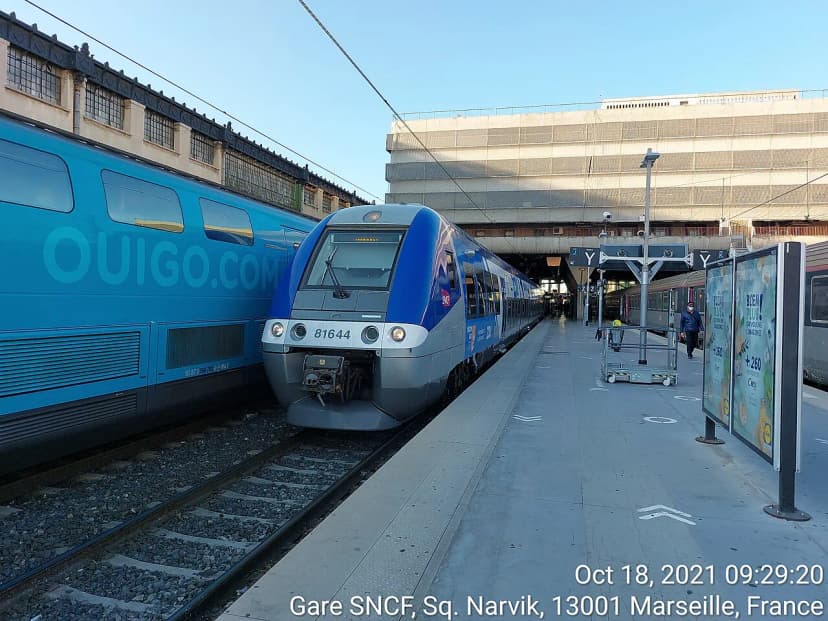
Basing in the Vieux Port keeps every stop on this itinerary within walking distance, or a short harbor ferry ride, about three minutes, to the other quay. Intercontinental Hotel Dieu is the higher-end pick, with rooms overlooking the basilica for a premium rate. The ibis Marseille Centre Gare Saint Charles is the budget and transit-friendly option, useful for anyone arriving by train and wanting quick access to RTM lines.
Safety and Getting Around
Marseille's reputation as rough around the edges is fair in patches, but the tourist core covered in this itinerary stays well traveled. Stick to lit, populated streets after dark, particularly around Cours Julien and the port. Keep bags zipped in crowded spots like the Vieux Port market and Le Panier's narrow lanes. For bus and metro connections beyond the Petit Train, the RTM app carries live timetables and route planning. Download it before the trip starts.
Frequently Asked Questions
Can you see Marseille in one day?
Yes, a single day works if you stay inside two clusters. Morning covers Notre-Dame de la Garde and the Vieux Port. Afternoon adds Le Panier plus Mucem or Château d'If, and evening finishes at Cours Julien. Trying to add the Calanques or a full food tour on top usually means cutting one of the core stops.
Is Marseille worth a day trip from Aix-en-Provence?
Marseille pairs well with Aix-en-Provence as a base, since the two cities sit close enough for a regional train or drive. Check current train schedules before locking in a departure time, since frequency varies by day of the week. Arriving early protects the morning slot at Notre-Dame de la Garde, before the Petit Train queue builds.
How much does a food tour cost, and is it worth the time commitment?
Food tours in Marseille typically run two-and-a-half to three-and-a-half hours, which eats deeply into a single day. That time commitment usually rules out Notre-Dame de la Garde, Le Panier, and Cours Julien on the same day. Save the food tour for a second visit, and check individual operators for current pricing, since rates aren't standardized across providers.
Is Marseille's grittier reputation, compared with Paris, a reason to skip it?
Not really. It is more of a reason to set expectations. Paris runs polished and curated, while Marseille runs unpolished, expressive, and layered with street art and port-city history. Travelers looking for that contrast tend to rate Marseille as the more memorable stop, not the weaker one.
Is it safe to walk around Le Panier and the Vieux Port at night?
Main tourist routes through Le Panier and the Vieux Port stay well traveled at night. The narrow, unlit side stairs are worth avoiding after dark. Keep valuables zipped away in crowded areas, and route dinner and rooftop plans through streets that stay busy into the evening.