Last updated August 2026, this guide to Suvilahti and Teurastamo Helsinki covers two adjacent former industrial sites in the Sörnäinen and Kalasatama districts. Teurastamo occupies a decommissioned 1933 slaughterhouse turned food hub, while Suvilahti fills a retired power plant with street art and festival stages. Walking between the two takes about five to ten minutes along Työpajankatu, so a single afternoon can cover both.
Suvilahti and Teurastamo: Helsinki's Industrial Culture District
Suvilahti and Teurastamo sit inside the same former industrial belt east of central Helsinki, spanning the Sörnäinen and Kalasatama districts. A decommissioned power plant houses Suvilahti, where gasometers and turbine halls now hold flea markets, street art, and festival stages. Red-brick slaughterhouse buildings from 1933, designed by architect Bertel Liljequist, make up Teurastamo instead. Työpajankatu links the two sites with a five-to-ten-minute walk, short enough to cover both in one visit. Raw industrial scale and large events define Suvilahti, while food, small producers, and courtyard life define Teurastamo. Both sites now draw residents and visitors for reasons that have nothing to do with their original industrial function.
Teurastamo's History and Small-Scale Producers
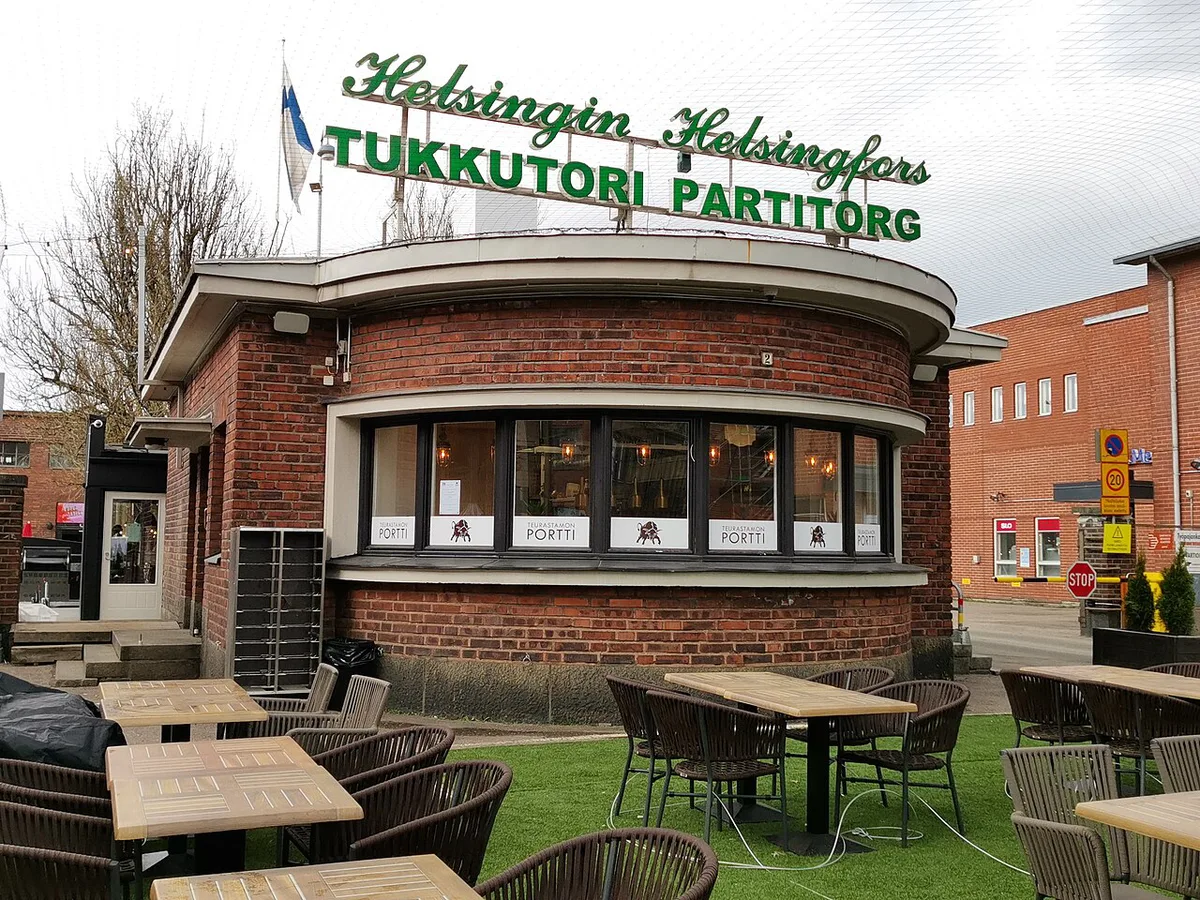
Teurastamo opened as the City of Helsinki's abattoir in 1933, handling large- and small-animal slaughtering, meat processing, and a wholesale market known as Tukkutori. Operations closed in 1992, and the site reopened to the public in September 2012 under Helsinki City Premises Ltd. Small-scale producers fill the brick halls today, alongside several sit-down restaurants, distilling and roasting on premises rather than shipping in from elsewhere. Confirm which of these are currently operating before a visit built around one kitchen, since small tenants change hands more often than the buildings themselves.
- A distillery producing spirits on site
- A coffee roastery
- An ice cream factory
- A bakery
- Restaurant Kellohalli, Restaurant Palema, and Roslund, known locally for its burgers
- DTM, an LGBTQ nightclub that relocated to Teurastamo in autumn 2023
The Free Public Grill and Courtyard Life
The courtyard's brick grill is free for anyone to use, though the process trips up first-time visitors. Bring food from one of the on-site shops, or arrive with groceries already in hand, since no communal charcoal or food is supplied automatically. Picnics, farmers-market-style stalls, and flea markets run in the yard throughout the year, according to the official Teurastamo site. Hammocks hang above the lawn in summer, and yard activities keep younger visitors occupied while adults linger over a meal. Contactless and mobile payments work at Teurastamo's venues, useful for a quick coffee or grill supplies without cash on hand.
The Teurastamo Sauna
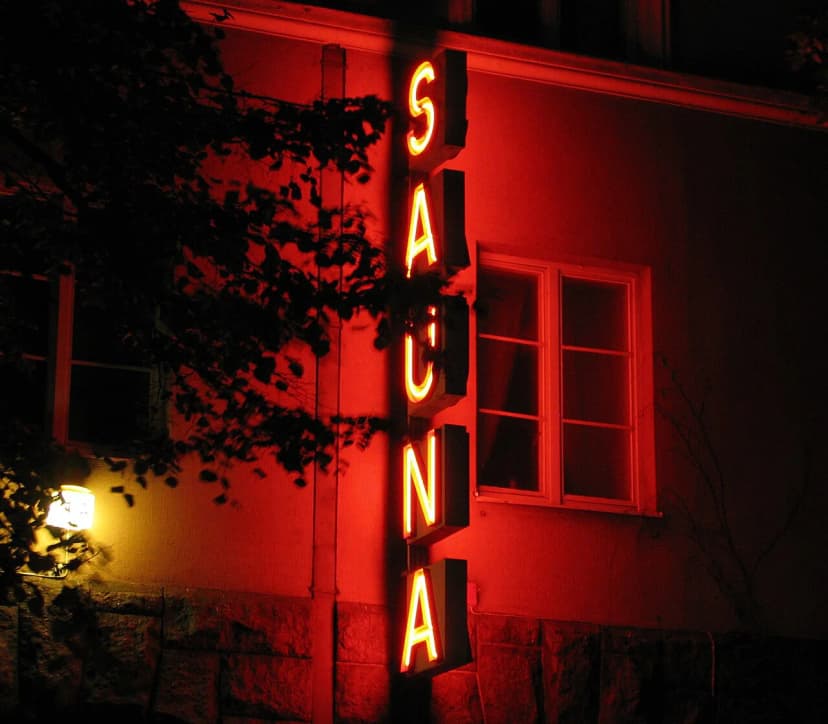
A rentable cellar sauna sits beneath the courtyard, originally built for the abattoir's own workers. It holds up to eight bathers per booking, according to the site's own history page. Its courtyard location puts it a short walk from Teurastamo's restaurants, useful for booking dinner around the same visit. Pair it with the city's other rental saunas before booking, since sauna culture in Helsinki spans public, rental, and members-only spaces well beyond this one courtyard.
Suvilahti: Street Art, Gasometers, and Festival Scale
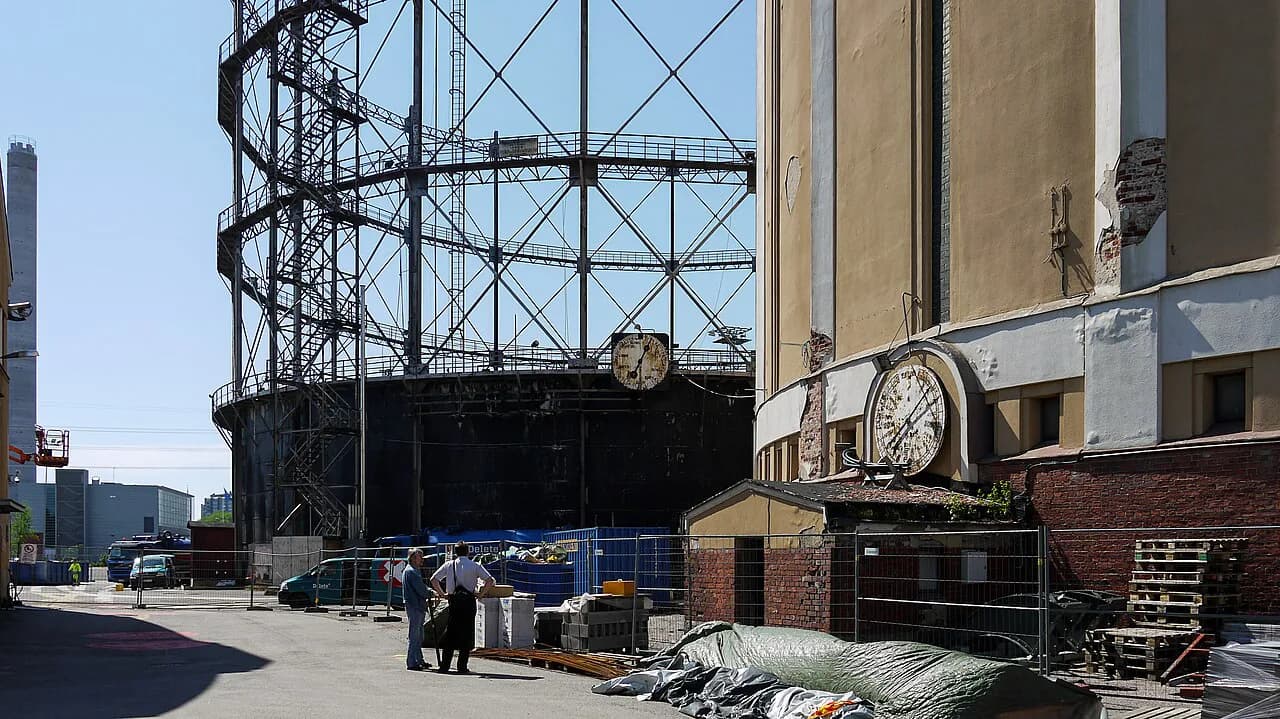
Suvilahti's former power-plant structures give it a rawer, larger-format feel than Teurastamo's courtyard. Its gasometers and turbine halls read as ready-made backdrops, especially where paint layers cover the concrete drums. Legal graffiti walls change constantly, so a wall photographed last month may look different on a repeat visit. Suvilahti hosts large-scale events including Flow Festival and Tuska, Helsinki's metal festival, drawing dense crowds to the grounds each time. Fences often go up during festival build-out and teardown, blocking sightlines to the street art you came to see. Check each festival's own schedule before planning a visit around those dates, since access can shrink for days on either side of a show.
Where to Get the Best Industrial Photos in Suvilahti
Suvilahti's architecture offers several distinct frames for photos beyond the street art itself. The gasometers work best as full-frame subjects from a distance, their cylindrical shapes reading clearly against open sky. Closer in, the turbine hall's brick facade pairs painted sections with original industrial signage for texture-heavy shots. Late-afternoon light brings warmer tones across the concrete and paint, an easy improvement over flat midday sun. Because graffiti layers change often, confirm a specific mural is still up close to the visit date rather than weeks ahead.
Getting There: Metro Stations and the Walk Between Sites
Kalasatama metro station is the closest stop for Teurastamo, a short walk from the courtyard entrance on Työpajankatu. Sörnäinen metro station sits closest to Suvilahti, putting its gates within easy reach of the platform. Helsinki's public transport authority, HSL, operates the metro line connecting both stations to the rest of the city. Walking between the two districts along Työpajankatu takes about five to ten minutes on flat ground. Either station works as a starting point, so pick whichever fits the rest of the day's route.
- From Kalasatama metro: head toward Työpajankatu for the short walk to Teurastamo's entrance
- From Sörnäinen metro: head toward Suvilahti's gates, a short walk from the platform
- Between the two sites: about five to ten minutes on foot along Työpajankatu
Cost, Access, and When to Go
Entry to both Suvilahti and Teurastamo is free, per Visit Finland's listing for the district. Spending stays optional, limited to what you eat, drink, or book on site. A meal at one of Teurastamo's restaurants, a tasting at the distillery, or a sauna rental account for most on-site costs. Suvilahti's flea markets add another optional cost, priced stall by stall. Flow Festival and Tuska sell tickets separately from general site access, so check each festival's own page for current 2026 pricing. Weekday mornings and early afternoons tend to be quieter at both sites. Weekend afternoons and event days bring the largest crowds and the fullest courtyard tables. Summer adds outdoor grilling, hammocks, and long daylight for photographing Suvilahti's street art. Winter shifts the experience indoors, toward Teurastamo's restaurants, the distillery, and the rentable sauna, with sit-down tours replacing the outdoor grill season.
Which One Fits Your Trip
The two districts reward different priorities, so match a visit to whatever matters most on a given day. This table breaks down common priorities and which site answers them better.
| Priority | Better fit | Why |
|---|---|---|
| Food and small producers | Teurastamo | Distillery, roastery, bakery, and sit-down restaurants |
| Street art and photography | Suvilahti | Changing graffiti walls and gasometer backdrops |
| Families with kids | Teurastamo | Yard space, the free grill, and activities for younger visitors |
| Large-scale events | Suvilahti | Flow Festival and Tuska draw the biggest crowds |
| A rentable local sauna | Teurastamo | Cellar sauna holds up to eight bathers per booking |
| A quiet weekday walk | Either | Both stay low-key outside event days |
Practical Tips Before You Go
Keep this checklist handy before a first visit to either site.
The sauna holds up to eight bathers per booking and operates as a paid rental only, not for walk-ins.
- Bring cash or a card; Teurastamo's venues take contactless and mobile payments
- Pack for the weather; the courtyard and Suvilahti's yards are mostly outdoors
- Check the official Teurastamo site for current restaurant hours, since small tenants set their own schedules
- Confirm event calendars before visiting Suvilahti, since major festivals can limit access for days
- Bring your own food and, ideally, charcoal for the free grill in Teurastamo's yard
Mistakes to Avoid
Several planning slips repeat often enough to flag directly.
- Assuming every restaurant opens on Mondays; several keep limited weekday hours, so check the official Teurastamo site before building a trip around one kitchen
- Timing a Suvilahti visit during Flow Festival or Tuska build-out, when fences can block the street art you came to see
- Showing up to the public grill with no food; the barbecue is free to use, but you supply what goes on it
- Treating the sauna as walk-in; it is a rentable booking, not a drop-in facility
Extending the Day From Suvilahti and Teurastamo
Both districts sit close enough to other Helsinki neighborhoods to build a longer day around them. The Kallio neighborhood lies one stop further along the same metro corridor. Its bars and late kitchens pick up where Teurastamo's dinner service ends. Travelers wanting a slower pace can continue toward quieter corners away from downtown. For a maritime contrast to two industrial-turned-cultural sites, the Vallisaari-Lonna nature site covers a different kind of reclaimed public space by ferry. The ferry-accessible islands guide lists the boat options for reaching it. Anyone curious about the city's older brick-and-stone institutional architecture can compare it against the Katajanokka architecture walk on the opposite side of downtown. Each of these extensions works as a half-day add-on rather than a separate trip.
Frequently Asked Questions
What's the difference between Suvilahti and Teurastamo?
Suvilahti is a former power plant now used for street art, flea markets, and large festivals like Flow Festival and Tuska. Teurastamo is a former 1933 slaughterhouse turned food hub, with restaurants, small producers, and a public courtyard grill. The two sit about five to ten minutes apart on foot.
How do you get to Suvilahti and Teurastamo by metro?
Kalasatama metro station is closest to Teurastamo, and Sörnäinen metro station is closest to Suvilahti. Both stops sit on Helsinki's metro network, a short walk from each site's entrance. From either station, you can walk between the two districts along Työpajankatu in about five to ten minutes.
Is it free to visit Suvilahti and Teurastamo?
Yes, entry to both districts is free, per Visit Finland's listing for the area. Spending is optional and limited to food, drinks, or market purchases. Specific bookings, like the sauna, are the other main cost. Tickets for events such as Flow Festival or Tuska are sold separately from general site access.
Can you visit Suvilahti during Flow Festival or Tuska?
Access is often restricted during festival build-out, event days, and teardown, when fences go up around the grounds. Street art you plan to photograph may be partly blocked during these periods. Check the festival's own schedule before planning a Suvilahti visit around those dates.
What can you bring to the free grill at Teurastamo?
The brick grill in Teurastamo's courtyard is free for anyone to use, but no food or charcoal is provided automatically. Bring your own food, or buy something ready to grill from one of the on-site shops. Hammocks and yard activities are also available in summer once the meal is done.
What's the best time of year to visit Suvilahti and Teurastamo?
Weekday mornings and early afternoons are quieter at both sites, away from event crowds. Summer adds hammocks, outdoor grilling, and longer daylight for photographing Suvilahti's street art. Winter shifts the experience indoors, toward Teurastamo's restaurants, distillery, and rentable sauna.
What is Tukkutori and how does it relate to Teurastamo?
Tukkutori is the wholesale market that grew up around Teurastamo's original slaughterhouse and meat-processing operations. Vegetable, fish, and flower sellers joined the meat trade there over time, before the abattoir closed in 1992. The Teurastamo public area still sits on Tukkutori-managed ground today.
Is Suvilahti part of Teurastamo, or are they separate?
Suvilahti and Teurastamo are separate sites with different owners and different histories. A former power plant houses Suvilahti, while a former slaughterhouse managed by Tukkutori houses Teurastamo. They sit close enough, about five to ten minutes apart, to combine into one visit.
How much should you budget for food at Teurastamo?
There's no set entry cost, so budget only covers what you order. A meal, a coffee, or a tasting at the distillery are the main variable costs. Bringing your own food for the free grill is the lowest-cost way to spend an afternoon in the yard.
Do you need to book anything in advance for Suvilahti or Teurastamo?
General entry needs no booking at either site, since both stay open to the public year-round. Teurastamo's cellar sauna is the one exception, since it operates as a paid rental rather than a walk-in space. Restaurant tables and distillery tastings are worth reserving separately if you have a specific kitchen in mind.